- Joined
- Dec 14, 2010
- Messages
- 403
Hi Folks,
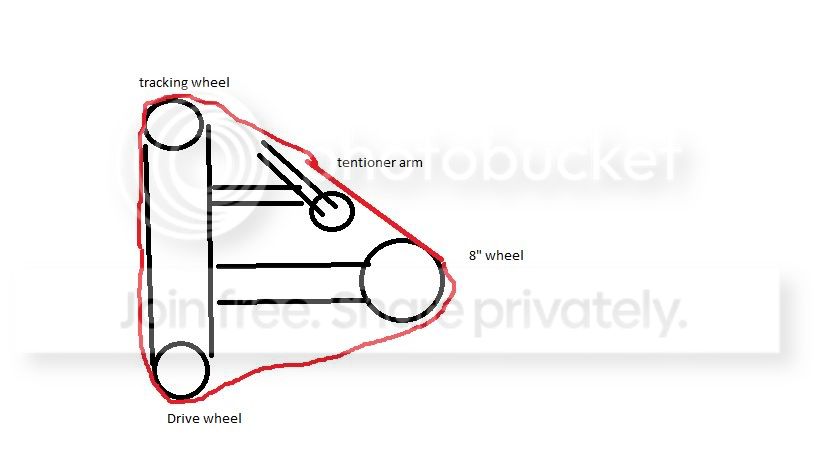
I would like to try to make a frankin-grinder and I thought that I would run it by you kind folks here, see what kind of suggestions you might make. I don't have the money for a real grinder right now, but I want to do some grinding. So I have to make due with what I have on hand, spending as little as possible. I'd like to hear your thoughts on what I have come up with along with any suggestions you might have.
Whats a frankin-grinder you ask? It's a grinder like machine that is made from parts or made in such a way that you would not expect it to be made into a grinder. One example (IMO) would be the grinder made out of a tread mill.
I am starting out with a belt / disk sander just about identical to this harbor freight sander. Only mine was broken at the pivot point. I got it for $20 from a flea market type place. I figured I could do something with it.
http://www.harborfreight.com/media/c...image_2138.jpg
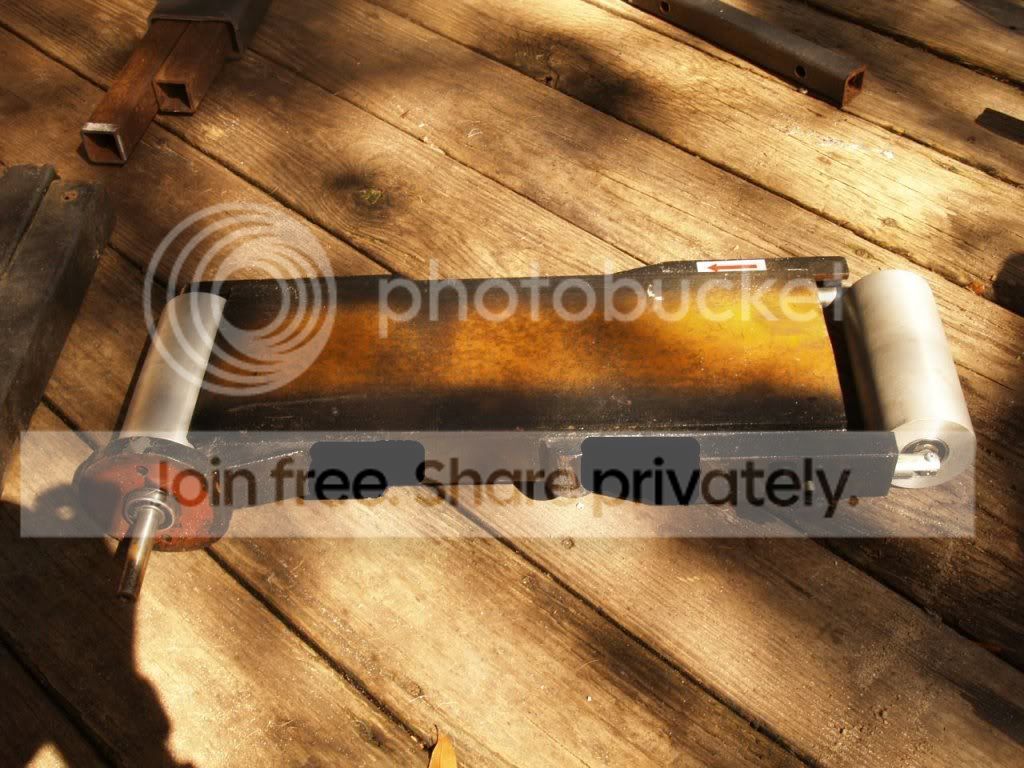
Base and motor. Broken pivot on right side.
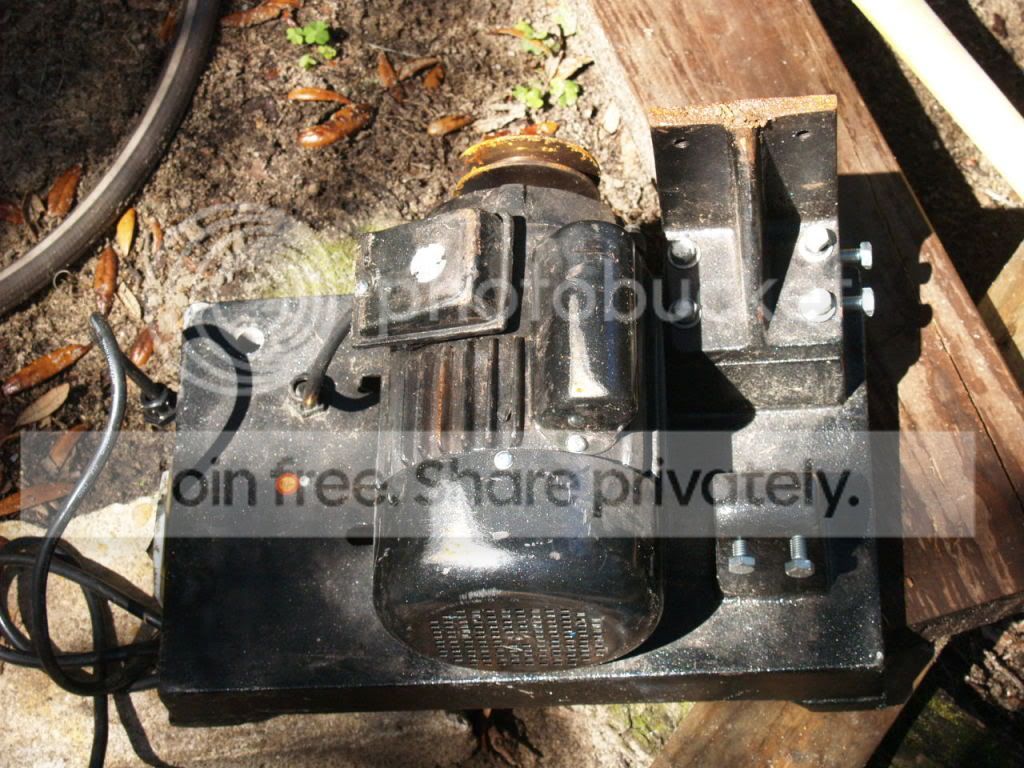
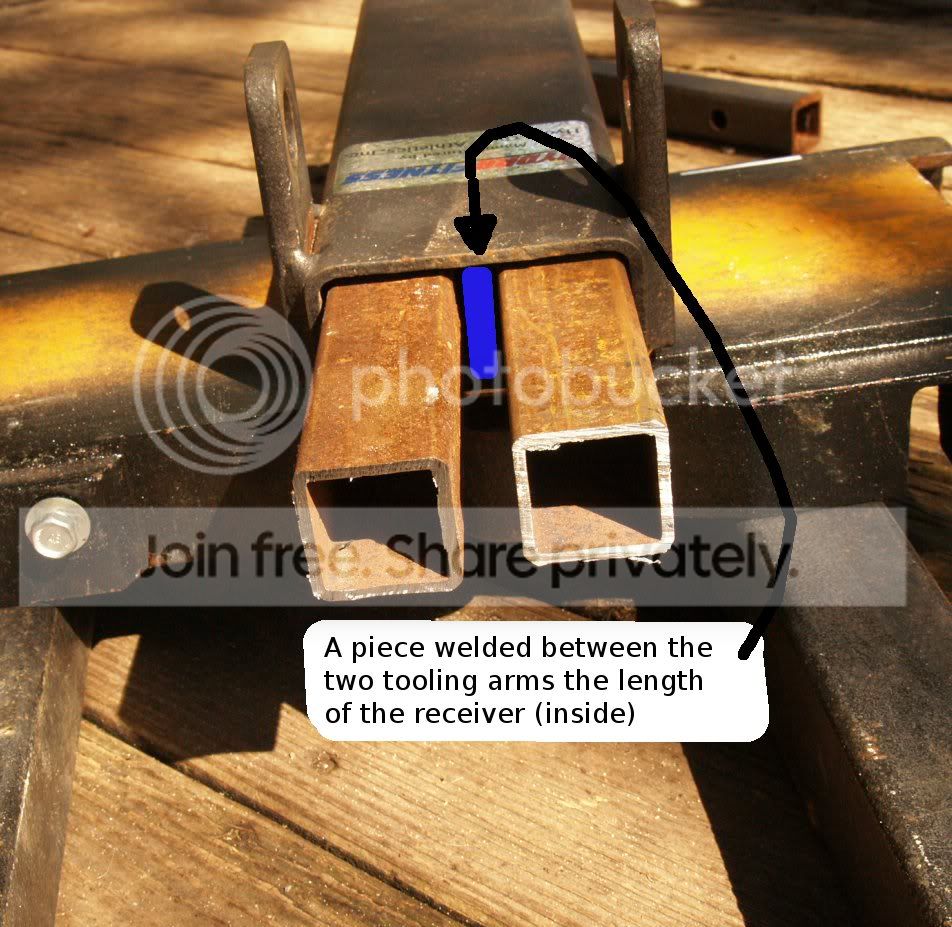
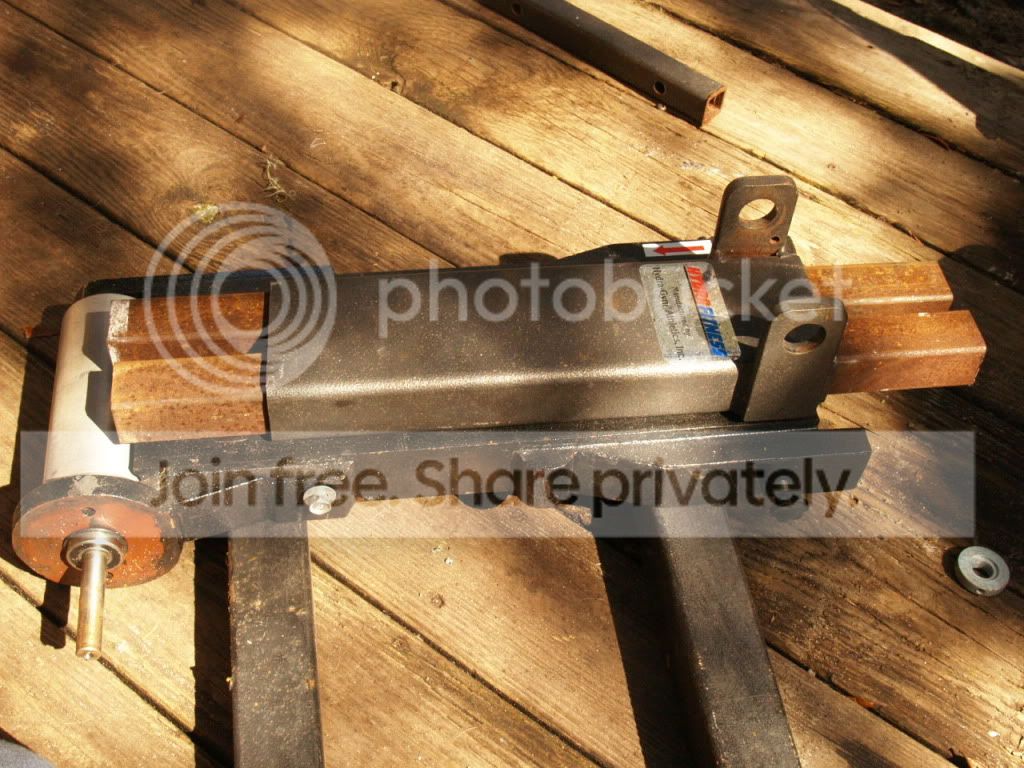
I have this piece of rectangular steel. Two of these 1.5" x 1.5" tubing fit inside of it pretty well. The 1.5" tubing would be the tooling arms. I will try to weld a piece of steel in to the middle to keep them separated and take up some slack. The piece I want to use as a receiver, the piece for the upright on the tracking arm and the two 2x2 pieces are pretty heavy stuff, 1/8" thick. They all came off of a big piece of home work out machine.
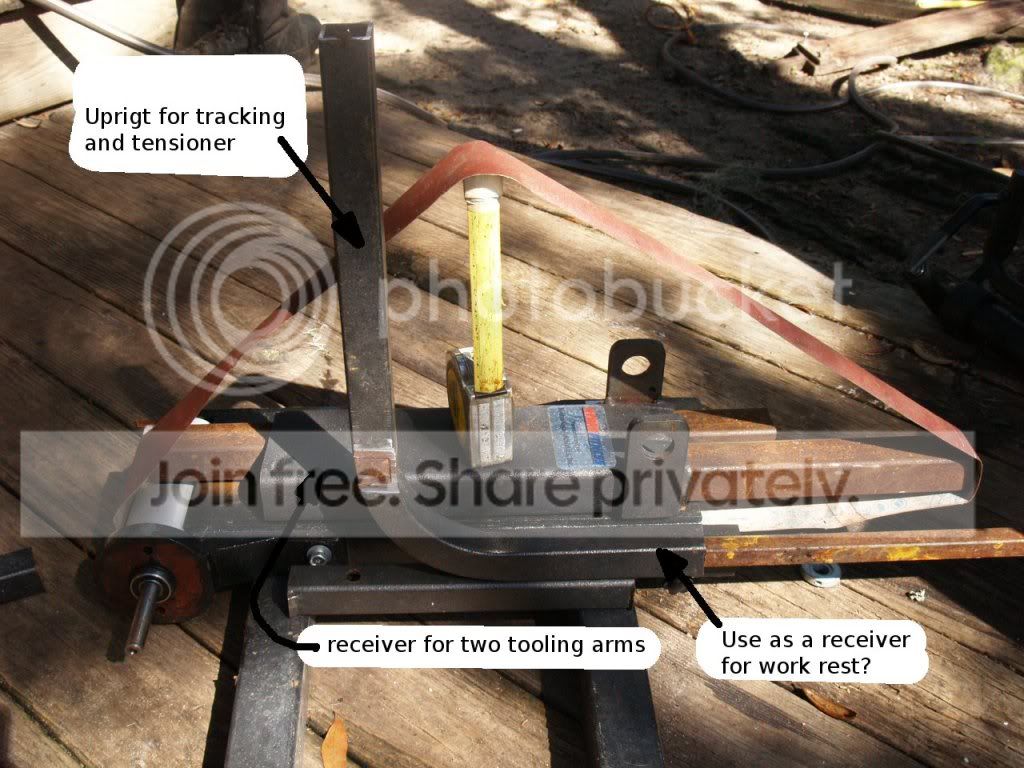
I would take this receiver and tool arms and weld or bolt them to the top of the belt sander bed, which is cast iron. Can cast iron be welded?
Along side of this, I would put up some kind of an upright for the tension and tracking arm.
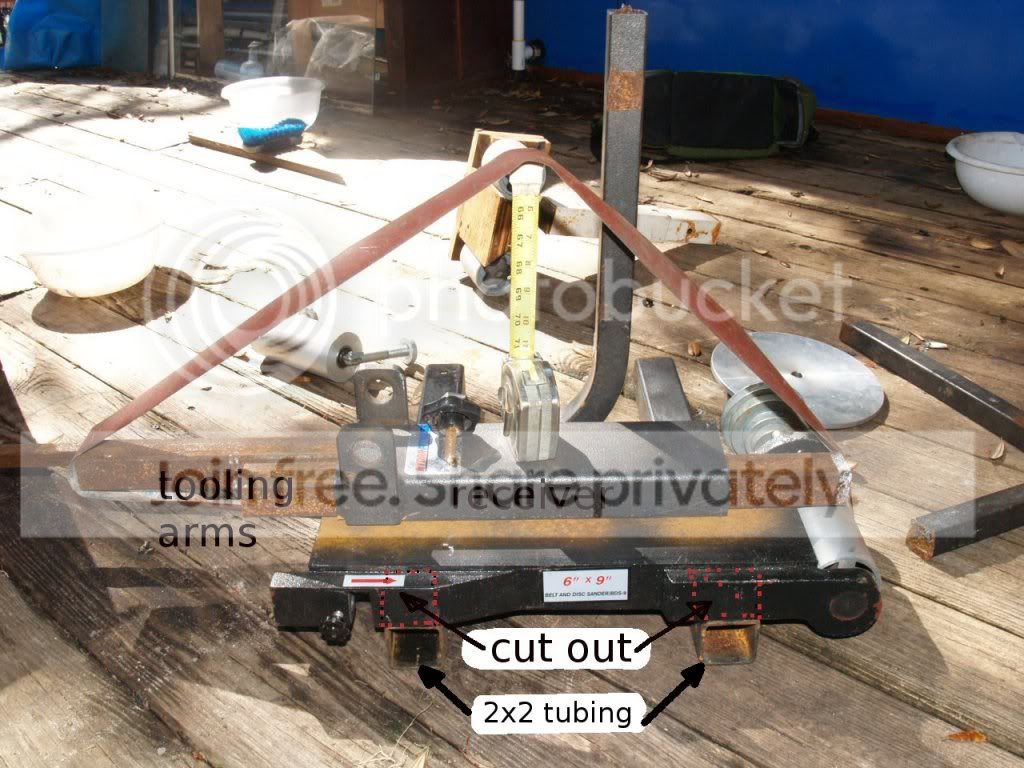
I'm not exactly sure how I will set this up so that it is up off of the work bench enough to slip a belt onto it. One thing I'm thinking about doing is cutting some notches in the sides of the cast iron base large enough to slip these 2x2 tubes from one side to the other so that it rests on these. Then bolt down the other ends to a base. With both rollers on it, the belt that goes on it leaves a gap between the bottom and the belt of about 1/2" to 3/4", so I think this will leave enough room.
This is the front roller. The sides are solid with bearings in them, but the inside is hollow, so I don't think it could be cut down to 2". I am thinking about making some kind of bracket to hold it, attaching it to a tooling arm and using it as is. Or possibly using it as the bottom wheel on a flat platin (SP?)
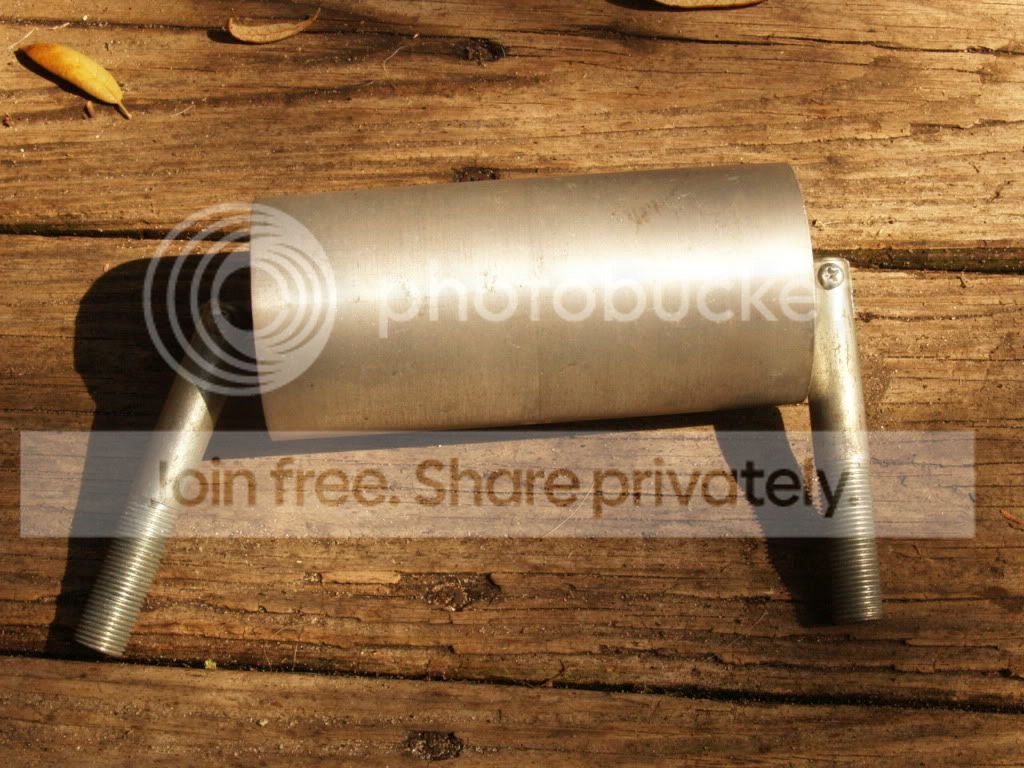
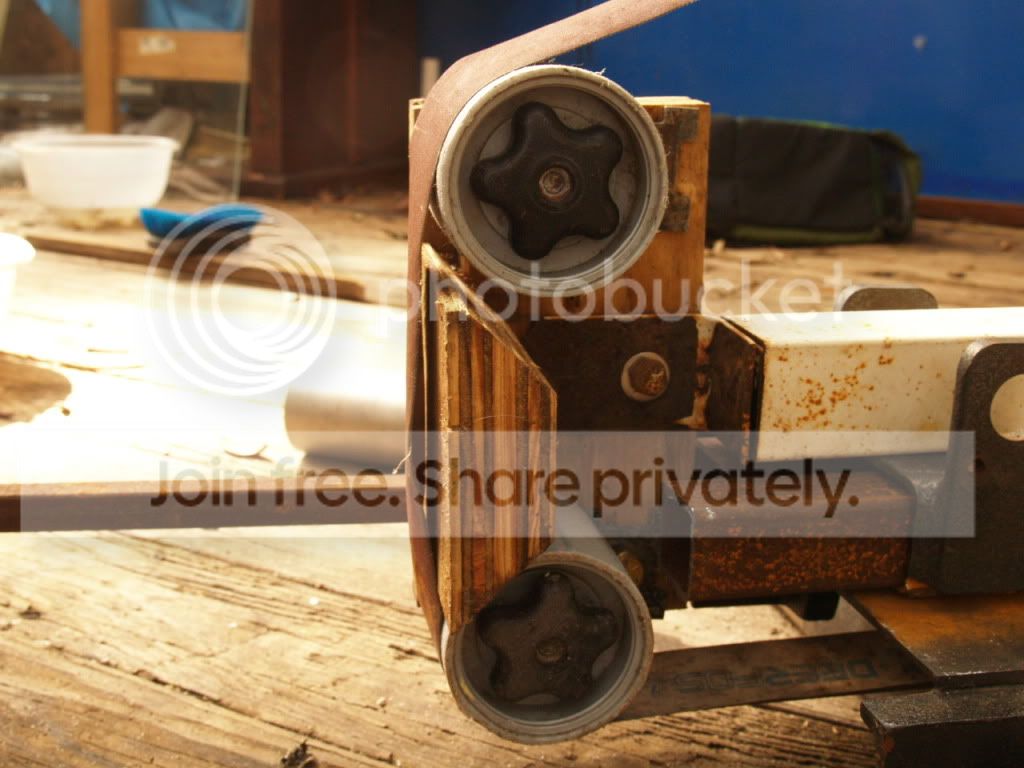
I mocked up this "platin" using the center hub from large lawn mower wheels. They are plastic with bearings in them. No idea how they would hold up or how long they would last. I might give it a try.
I am planning on using a 4 step pulley on the base and a 3 or 4 step pulley on the motor. The one on the base, I'm planning on putting the smaller end in toward the base so the opening of it is out so that I can slip on the 9" disk. Then drill a hole in the largest pulley so that I can get to the set screw on the disk.
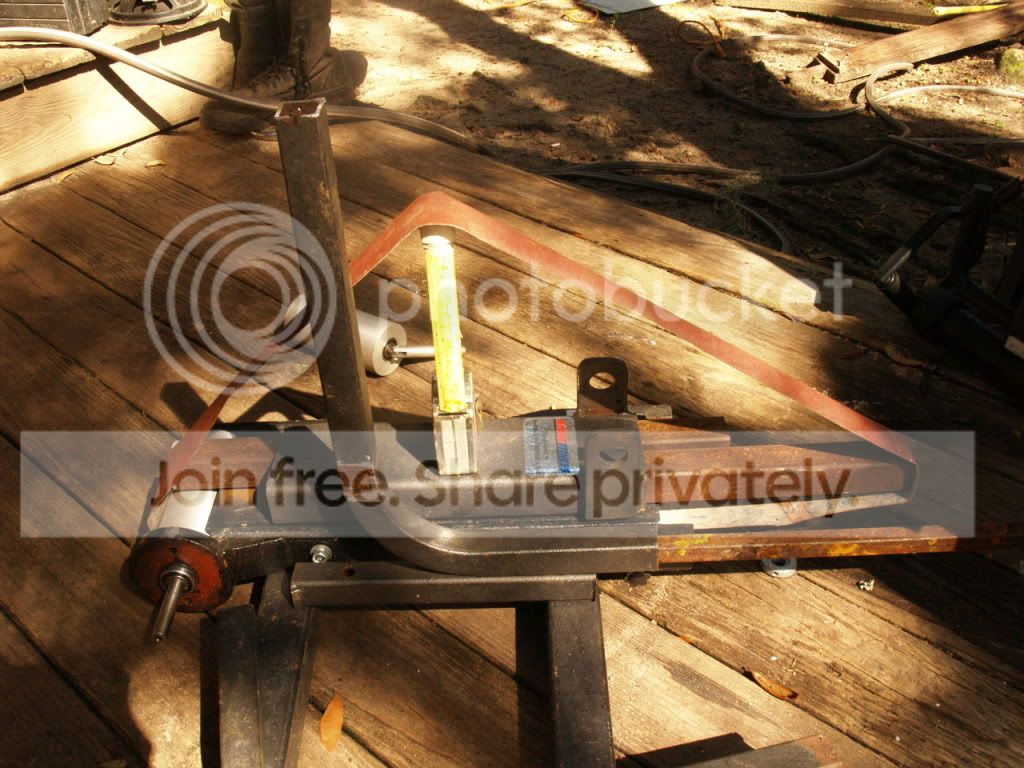
Funds right now prevent me from going out and buying some good wheels So I will have to make due with what ever I can find and make work. I just remembered that I have a tire from a riding lawn mower that is hard rubber. I turned it down so that it is nice and flat and about 2 1/2" wide by bout 10". I might give that a try. Today I found a nice piece of angle iron to use for a platin.
So.......
Can cast iron be welded?
Any recommendations on where to place the tooling arm receiver? Towards one side or the other? in the middle?
I will probably give the metal a bath with a battery charger to get rid of the rust. After that, how can I coat the insides of the tubing to keep it from rusting? Is there a better way than just spray paint?
So what do you folks think? Is there anything that stands out and and yells don't do this? Would you do something differently from what I have described? Anything I should add or get rid of?
Thanks for your thoughts and opinions,
Rob
I would like to try to make a frankin-grinder and I thought that I would run it by you kind folks here, see what kind of suggestions you might make. I don't have the money for a real grinder right now, but I want to do some grinding. So I have to make due with what I have on hand, spending as little as possible. I'd like to hear your thoughts on what I have come up with along with any suggestions you might have.
Whats a frankin-grinder you ask? It's a grinder like machine that is made from parts or made in such a way that you would not expect it to be made into a grinder. One example (IMO) would be the grinder made out of a tread mill.
I am starting out with a belt / disk sander just about identical to this harbor freight sander. Only mine was broken at the pivot point. I got it for $20 from a flea market type place. I figured I could do something with it.
http://www.harborfreight.com/media/c...image_2138.jpg
Base and motor. Broken pivot on right side.
I have this piece of rectangular steel. Two of these 1.5" x 1.5" tubing fit inside of it pretty well. The 1.5" tubing would be the tooling arms. I will try to weld a piece of steel in to the middle to keep them separated and take up some slack. The piece I want to use as a receiver, the piece for the upright on the tracking arm and the two 2x2 pieces are pretty heavy stuff, 1/8" thick. They all came off of a big piece of home work out machine.
I would take this receiver and tool arms and weld or bolt them to the top of the belt sander bed, which is cast iron. Can cast iron be welded?
Along side of this, I would put up some kind of an upright for the tension and tracking arm.
I'm not exactly sure how I will set this up so that it is up off of the work bench enough to slip a belt onto it. One thing I'm thinking about doing is cutting some notches in the sides of the cast iron base large enough to slip these 2x2 tubes from one side to the other so that it rests on these. Then bolt down the other ends to a base. With both rollers on it, the belt that goes on it leaves a gap between the bottom and the belt of about 1/2" to 3/4", so I think this will leave enough room.
This is the front roller. The sides are solid with bearings in them, but the inside is hollow, so I don't think it could be cut down to 2". I am thinking about making some kind of bracket to hold it, attaching it to a tooling arm and using it as is. Or possibly using it as the bottom wheel on a flat platin (SP?)
I mocked up this "platin" using the center hub from large lawn mower wheels. They are plastic with bearings in them. No idea how they would hold up or how long they would last. I might give it a try.
I am planning on using a 4 step pulley on the base and a 3 or 4 step pulley on the motor. The one on the base, I'm planning on putting the smaller end in toward the base so the opening of it is out so that I can slip on the 9" disk. Then drill a hole in the largest pulley so that I can get to the set screw on the disk.
Funds right now prevent me from going out and buying some good wheels So I will have to make due with what ever I can find and make work. I just remembered that I have a tire from a riding lawn mower that is hard rubber. I turned it down so that it is nice and flat and about 2 1/2" wide by bout 10". I might give that a try. Today I found a nice piece of angle iron to use for a platin.
So.......
Can cast iron be welded?
Any recommendations on where to place the tooling arm receiver? Towards one side or the other? in the middle?
I will probably give the metal a bath with a battery charger to get rid of the rust. After that, how can I coat the insides of the tubing to keep it from rusting? Is there a better way than just spray paint?
So what do you folks think? Is there anything that stands out and and yells don't do this? Would you do something differently from what I have described? Anything I should add or get rid of?
Thanks for your thoughts and opinions,
Rob

 )
)