Making Bark Cordage Video

Joined
Jan 7, 2003
Messages
2,373
Thursday morning my daughter and I took off to the hills to the same place I recently did the Alpine Survival trip. She had off from school and wanted to head for the hills.

We shot a few minutes of video of the way I teach making cordage from Imbira bark. The same technique would easily work with other raw bark, but this is how I teach this skill. It works for me and might for you as well.

Making Bark Cordage

img3275lu6.jpg


Mac
 
Excellent video Pict - The best compliment I can give you is that it inspired me to try my hand at it. I'm out the door with dog's right now to grab some fragmites leaves and give a go!
 
Okay, I'm not having much luck at the moment but perhaps I can get some of your advice pict?

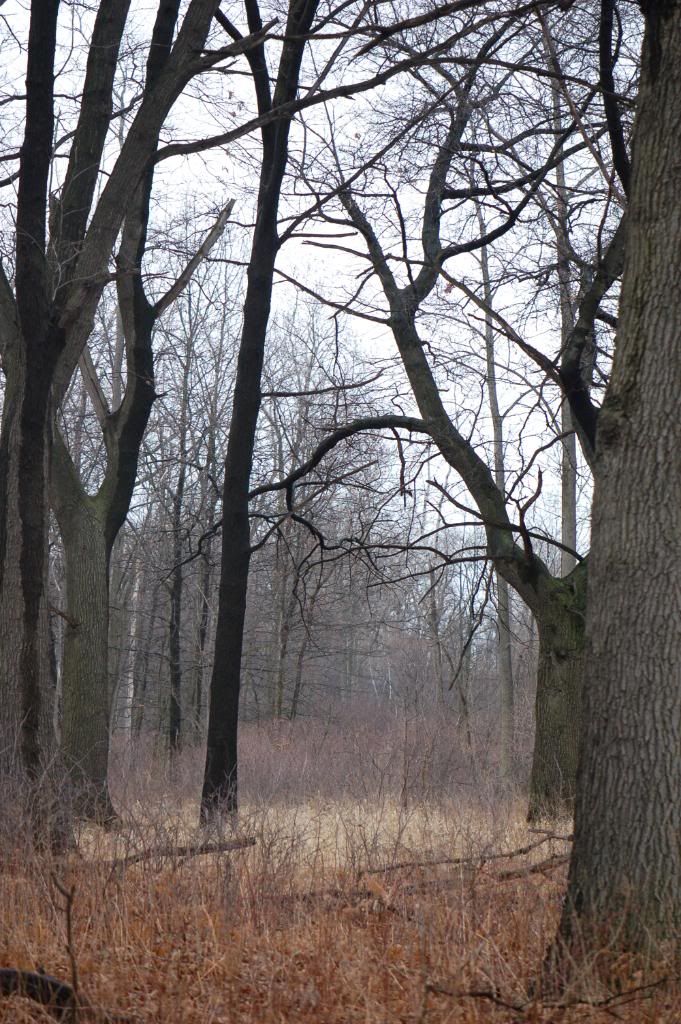
In my mind, I was going after fragmites which is a tall grass and has been suggested as a good source of fibres before by DocCanada who also does a lot of cordage making and weaving (haven't seen him posting here for a few months though). In the summer this is what it looks like:

fragmites_small.jpg


However, we are at the tail end of winter here so nothing is green and springy. In fact, everything is rather brown and crispy. I did collect the dried leaves and a couple of stems to give a quick try. However, it wasn't as flexible as I thought it might be.

DSC_0005.jpg


I pulled the stem into sections about 1/8" width and tried your twirl method. But kept having the strands break. With some effort, some fibres could be pulled from the stem sections. These also seemed flexible in raw form, but the twisting motion caused them to snap.

DSC_0020.jpg


Perhaps this winter dried out stuff isn't appropriate to the task? Next outing, I will try for some bark and review the fragmites with some green pieces again in the spring. On the positive side, this dried out stuff along with the fluffy heads takes a firesteel spark into a nice flame and good little fire with very little difficulty.

Any advice would be helpful - also not trying to deter from your excellent video here. Again my highest compliment to you is that it got me off my butt to try and do it! Great work on your tutorials pict!
 
Excellent video :thumbup: You show a different technique for twisting it than I learned, I will have to try that. I am a natural cordage geek :cool:
 
cool video, that was instructive!
thanks!
 
Thanks for the feedback. We had fun doing it. I live in a city of 4 million people. If I don't get out to the bush every so often I start to get depressed.

KGD,

Good on you for getting out of the house.

I'm not familiar with that grass. The same twist is used to make double ply cordage independant of the materials used or wether you do it in your hands or against your thigh, the plys are all going in those directions.

Testing materials beforehand is a great way to learn what works and what doesn't. That grass is probably much easier to work when it is green. You could also try soaking it, I don't know.

Making cordage out of bark is harder to learn on than other materials. I started to learn on shredded Buruti Palm leaves and Sisal (a form of Yucca). These are both very easy to work with. The Imbira is what the locals use for cordage and it is very available where I do my woodsbumming so I used that for the video. It also makes extremely strong cordage that you can use in the place of paracord.

Lots of craft stores will sell a variety of natural fibers. Basically you are looking for something with a strong tensile strength that can twist without breaking and that the fibers will bind together when twisted as opposed to pull apart or slip against each other. I test all sorts of stuff for making cordage by stripping a piece out, twisting, pulling and then try to make a short section. If it works it works, if it doesn't then I move on.

Willow bark (the inner bark) is a good material from what I hear, but we don't have willow in my part of Brazil. Find a material that is easy to work with, even if it is only Jute twine you pulled apart. Once you get the twist down you can make cordage anywhere with whatever works.

The method I show in the video is how I make it, it works for me. The Indians down here roll it on their thighs and gossip at the same time. You'll get the hang of it. Mac
 
FRIGIN AWESOME video!!!!

I have always wanted to learn how to make cordage and have found tutorials, but none of them make sense. After watching your video I feel like I know how to do it before even trying it. This will be my next project, to try and make cordage, thank you, thank you, thank you!
 
Yeah thanks for the words of encourgement. Probably a good idea to start with technique and then experiment with natural materials later. Willow bark is something we also have plenty of here, so I will keep that in mind.
 
Cordage making is a great skill to have in the brain. Once you get the basic technique down you can apply it to all sorts of materials. I have a roll of 3 ply cordge made by the Krikatí Indians up north that is truly inspiring. I haven't mastered thigh rolling cordage yet as my thigh is pretty hairy. The Imbira bark would have rubbed me bald.

My plant types here are different than what you will have in North America but the principles are the same. So far I have made cordage from yucca, sisal, buriti palm, eucalyptus bark, and Imbira. Yucca is very easy to work with and produces a very strong cord. It is an easy fiber to learn on. Mac
 
Pict - nice job on the video, very good instruction. I used to splice like that until I learned another way of splicing a couple of years ago - it was how the Timucan Indians made their the fishing nets, I acutally picked it up in a museum of natural history video...

Instead of splicing individually on each end, take your next length and put its middle in between the ends. So your next piece going down both sides of the wrap is actually from the same piece. It affects the thickness slightly more than the method you show, but not as much as you think. It does seem to go quicker though and you don't need to go back and trim.
 
Quietbear,

That's a great idea. I can see that working easily with buriti palm or sisal. The Imbira bark is very irregular. Correction, I have a hard time stripping it regular.

It is amazing what you can learn in a natural history museum or just by looking close at old photos. Here in Brazil we have alot of items made by various indian tribes in the markets. I find myself examining things I have no intention of buying in an attempt to reverse engineer and figure out how they were made. So much of what we call "primitive" is actuially quite sophisticated. Mac
 
Great video! I guess this is all I needed to get started making cordage. I just need to figure out what kind of materials I can use arround here... Sometimes I have a hard time identifying species localy...
Mikel
 
Back
Top