newbie reflects

Joined
Feb 11, 2008
Messages
42
P1010272-6.jpg

P1010271-6.jpg


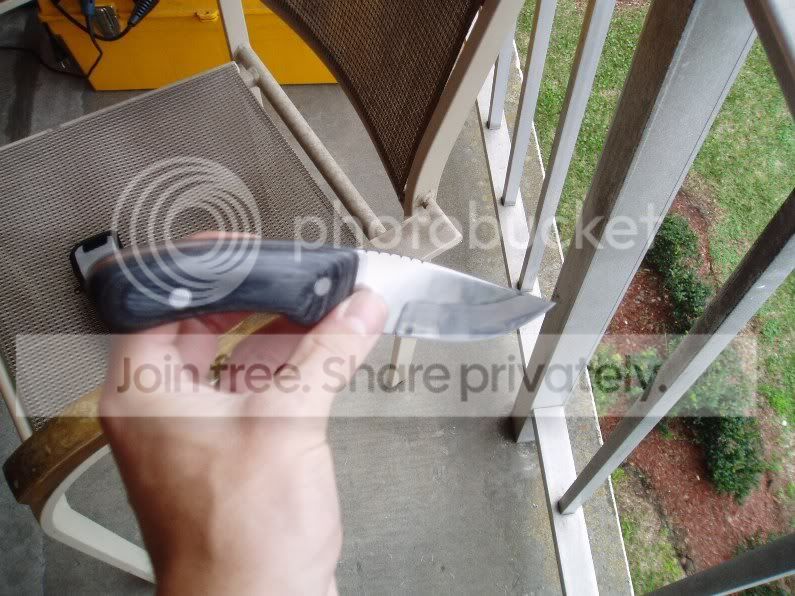
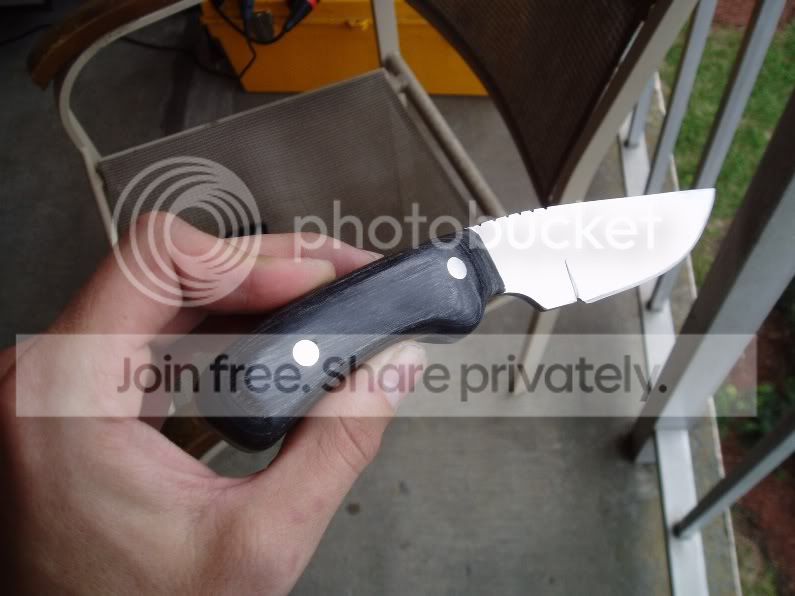
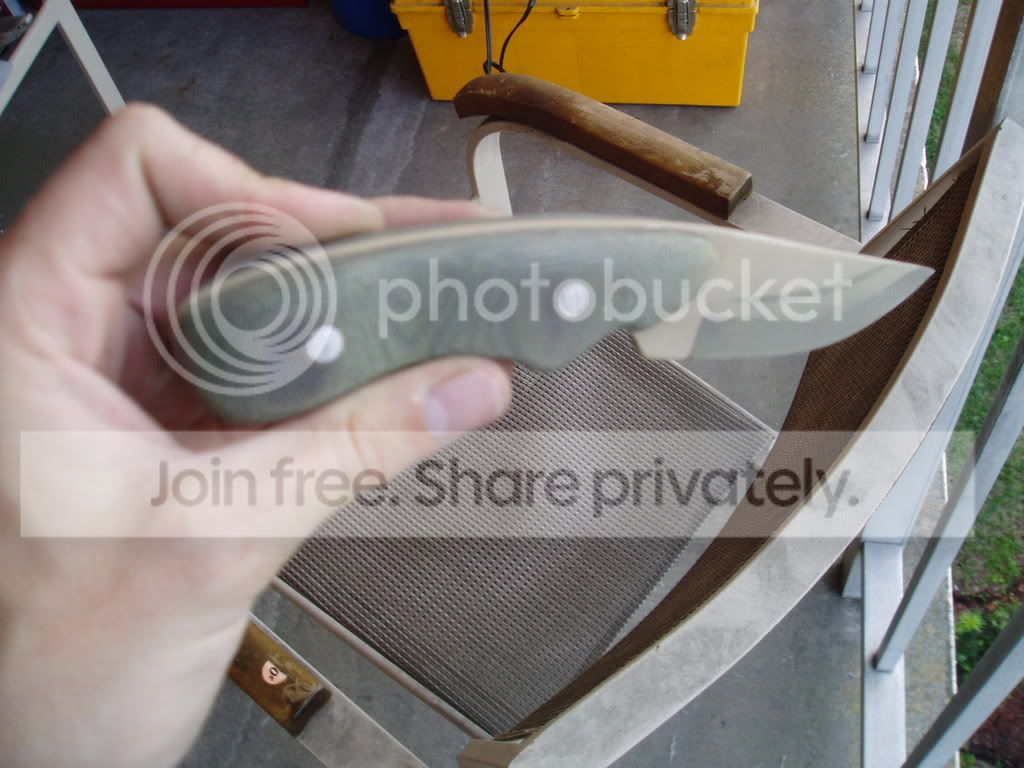
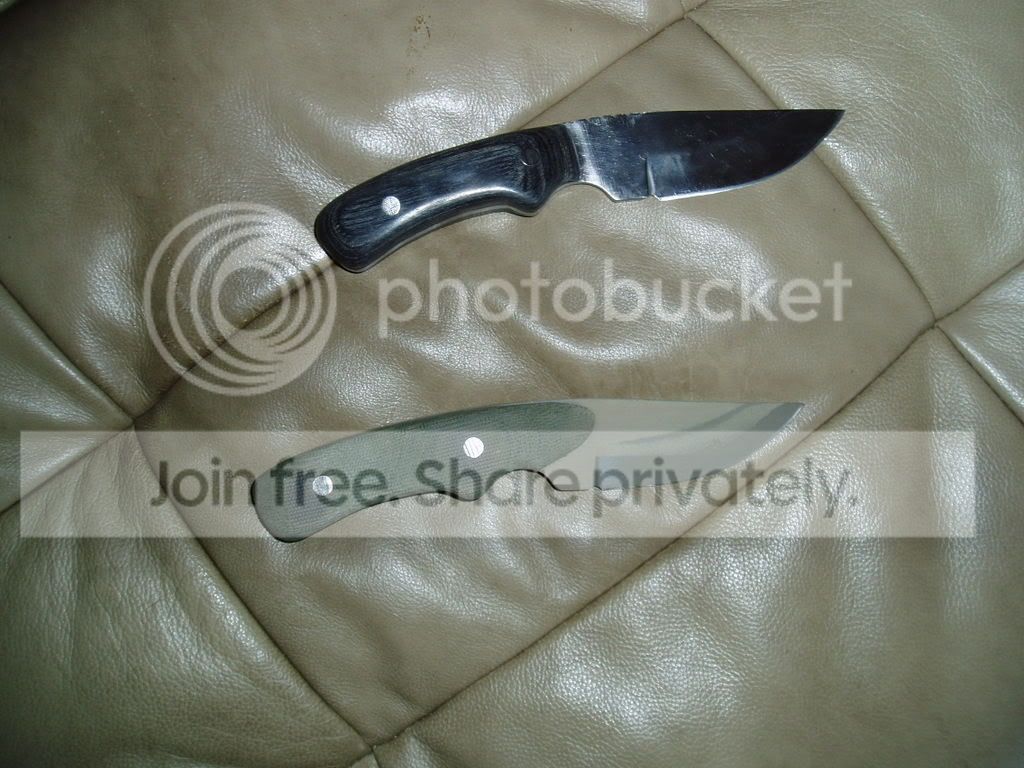
first knife done this morning. important note--i bought the preground blank from jantz; doing the blade grinding is the next step and i have profiles on the way of my design. overall I'm very happy wiht myself; for a first time even endeavouring into this it turned out pretty good, and i kept it relatively simple for a reason. added notches wtih a file to the top, chose my own scales and rivets, and pieced together material with the help of the lovely ladies at jantz. some notes:


-the delta 1x42/8" combo i bought was a lifesaver..saved a ton of time that probably wouldve caused my lots of impatience otherwise.
-that being said, i also know not to rely on machines too much..by hand is the way to go..and I did a lot by hand on this, only to find out i needed to do more. the detail work obviously is best saved for hand work, but i used the belt too much on the edge and left some tool marks that i couldnt get out for the life of me.
-that being said as well--i need more belts, more discs, a lot wider variety, and a lot of them.
-dymondwood eats sandpaper alive
-metal eats sand paper alive
-pink rouge is pretty cool, but muslin wheels (dremel size at least) dissappear quick. time to step it up a notch
-mirror finish is tough to get with 220 grit and pink rouge. i got a nice polished satin but oh well.
-sanding one way the whole time makes a big difference
-files actually finish a lot smoother then i thought they would
-knifemaking is fun


now a few questions:

-how do you get the front of the handle to contour well with the blade, like on the sides (forgive me for my simple vocabulary)? I ended up using the belt to bring it down which was fine and all, but i ended up with some rough marks on the blade going the opposite direction of the rest of my sanding (vertical instead of horizontal) that i coudlnt get out for the life of me
-how thick of scales do you usually go with?
-what belt grit should I be looking at for grinding the blade on the blank profiles I have coming?
-This is how i got the scales on and sanded to the shape I was looking at: cut scale roughyl to shape of handle, make sit flush; epoxy one side onto handle; drill holes through other side then counter sink for corby rivet; epoxy other side, drill shaft hole back through other side, counter sink on new handle side; touch of epoxy on rivets, run them through and tighten them up; grind down rivets and begin grinding handle shape of my desire


but htat is where i ran into the problem::the front of the handle where it met the blade wasnt shaped like i wanted, but the only way i could think of gettin git to shape right was by mounting the scales up first. That worked great for everything but that contour, where I ended up with heavy tool markes on the blade. Is it best to just sand downa slight contour ahead of time then finish the rest by hand? This would take forever but I can see the obvious advantages.

I also have two more of the same blade (sioux hunter) and one set of dymondwood and one set of micarta scales to put on those, for more practice. I am using an epoxy based coating I use on my rifles for the blades instead of polishing these, but stupid me painted the blades before shaping the scales..which means the paint will be worn off in spots so I am going to have to resrpay and figure that all out.

anyways thank you guys for all your help..you have been invaluable and certainly got me hooked
 
I usually bolt the scales together before attaching to the blade, contour and finish the front part (closest to the ricasso) then attach to the blade. I'll finish the rest of the scales after assembly.

Scale size is kinda determined by the whole knife (at least for me) for an EDC type of knife I'll go with 1/8" scale. I really only get to 1/4" if I'm doing a large camp/combat type of blade. I don't use scales a lot anymore so I could be slightly off on this.

Grinding the bevels in to the blade? I usually go 36x 60 x 120x (stiff belts) cut the plunge in with a 180x apex belt then clean up with a 220x j belt then onto using a 400x cork loaded with green rouge. After the cork belt I move on to hand sanding for my final finish.

Sounds like you had fun. I made a few kit knives before moving on to making everything myself.

If you thought dymondwood was fun wait til you do some micarta or g-10 :p
 
Like Will, I contour the front of my scales before I assemble the knife. Also, if your not already wearing a respirator when grinding, be sure you get one before you start grinding on your micarta. To hand sand right up next to the scales, I wrap the sandpaper around one of those rectangular pencil erasers and use that to get into that corner. I use a small piece of corian that's about the same shape to get right up against a guard. That might help you get those vertical scratches out.

Todd
 
already have a respirator..couldnt stand the fumes from the dymondwood, im sure the micarta is just as bad. ive worked with pletny of nasty things before but these definitely take the cake.

appreciate the insight..im going to try my best to contour the micarta before i mount it up tomorrow. hopefully i wont have to repaint too bad!
 
P1010276-1.jpg

P1010275.jpg

P1010274-3.jpg

P1010277-1.jpg


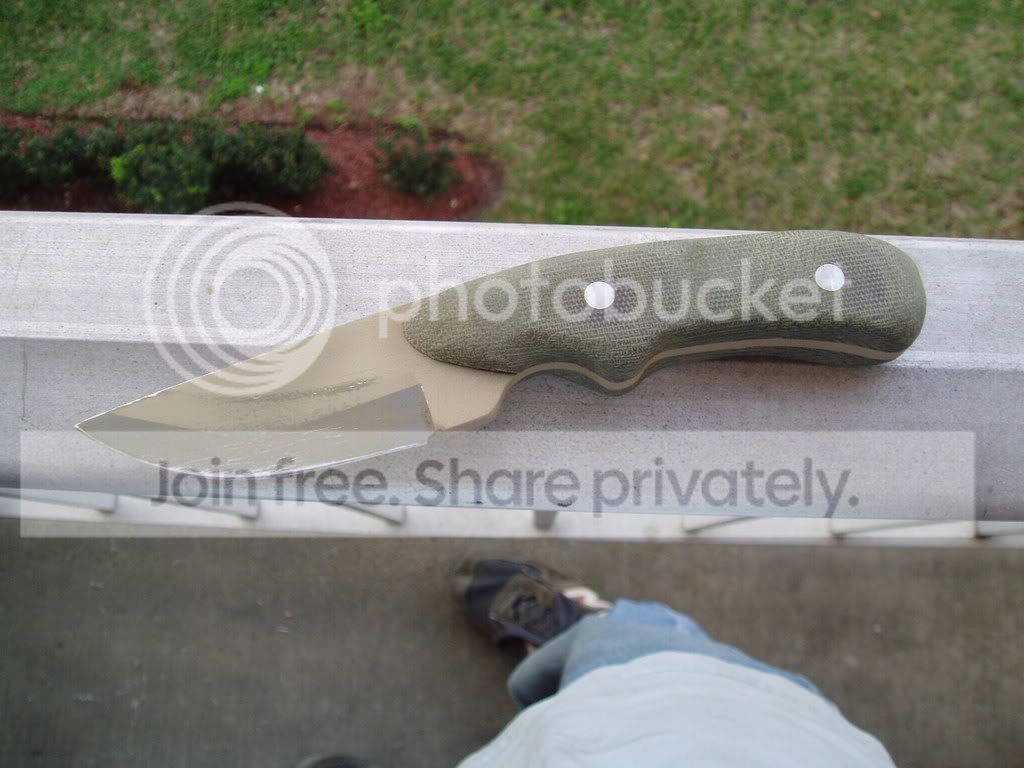
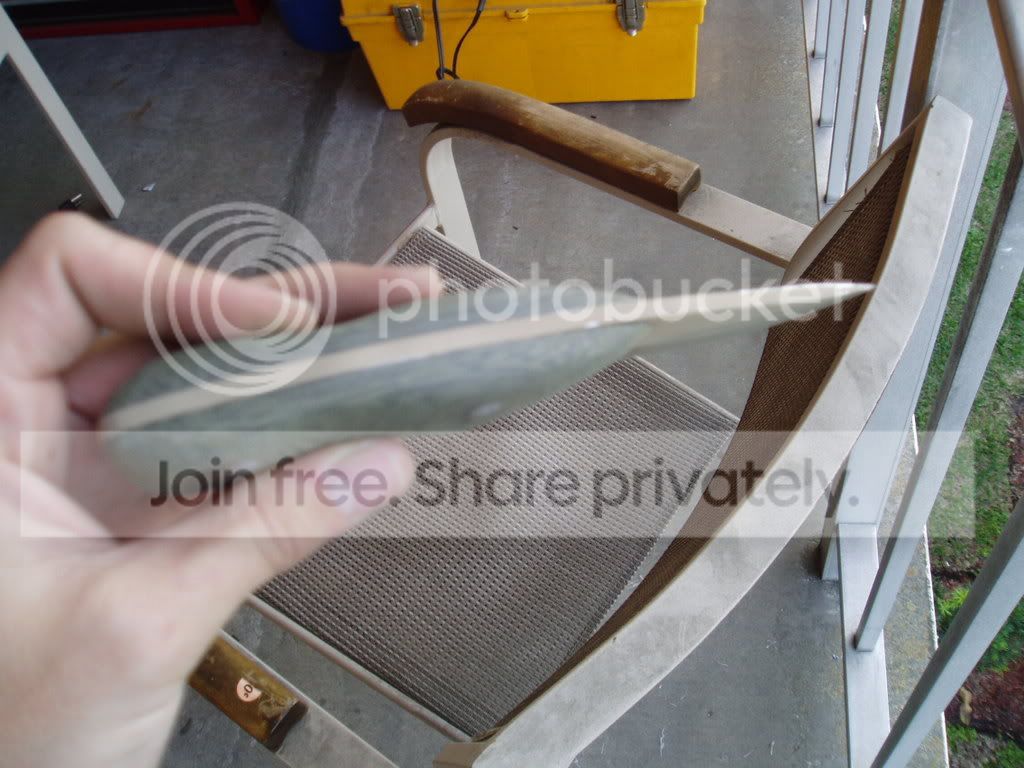
OD canvas micarta handles, stainless rivets, 440c blade, alumahyde II on the blade, tan krylon over all the metal. its not perfect, and im not doing another set of painted blades its a PITA and theres a lot that can go wrong; it wasn't that enjoyable dealing with it. micarta shows problems a lot easier then dymondwood and is a real pain to work with; the top of the handle is very symetrical but the bottom is probably 10% off. but hey you learn with every knife, and overall im happy with it as a utility knife
 
For the first couple they are great. especially since you did them without help. I am with the other who said bolt the handle scales together and sand the front of the handle off the knife. (Just the front edge) then you can sand the rest using a belt sander or hand. your rite you will learn more with each knife and use this site to soak up as much of the experience as you can. also what I have been doing is looking at the gallery and for sale knives to see how different people work the handles and blades. you pick up something from each person that you want to try for yourself just remember to ask permission before using something that is a personal touch they have added to the knife (Call it professional courtesy.) So far this is the best hoby I have ever found and after a bit it can start paying for its own parts Ha Ha.
 
Looks good to me. Glad you are hooked on knives now, bad news is, there is no 12 step program for a cure.
 
I went ahead and used y'alls advice on the front part, and most of the contouring. the result turned out pretty good. If I had spenta bit more time I think I could've gotten it a bit more symmetrical, but the only real problem is the edge isnt quite as rounded on one side. it really is pretty close. as you said I am learning a new technique each time. Next up is another painted blade (I had already sprayed it, and regreat it now) with dymondwood scales..then on to my own blades.
 
One thing I noticed and it could be just me but the way your scales are sanded the swells seem almost backwards. I normally have a larger swell in the center with the scales tapering towards the ricasso and butt. The exception to this is a chopper/ large combat knife where someone may swing it, then after the palm swell like normal I'll have it flare out a bit towards the butt to aid in retention against centrifugal force.

Looks great to me.... better start informing the family you won't see them much unless they visit you in the shop :p
 
on the front side of my handle i set my disc grinder on angle and sand the scales that way (with them pined together) to keep everything even and clean looking
then finish by hand sanding and buffing then put them on the blade
 
Back
Top