- Joined
- Apr 14, 2006
- Messages
- 7,021
Well, I decided today, that I spend way too much time on the computer, so that will stop today. In fact, I thought in order for my ass to regain its original shape, I should take it for a hike. I know some of you like to see hike pictures, so I also took my camera. Alas, I'm no photographer, but I will offer up my meager attempts.
Since my photographic skills suck, I thought I would approach this from a different perspective. Now we all know the beautiful pictures that Pitdog takes. Of course, he lives in a beautiful part of the world. Here in Southern Ontario, we are not quite as fortunate. However, I think what we lack in scenery, we more than make up in biodiversity. So I thought I would take some pictures of plants that can aid us in Wilderness Survival.
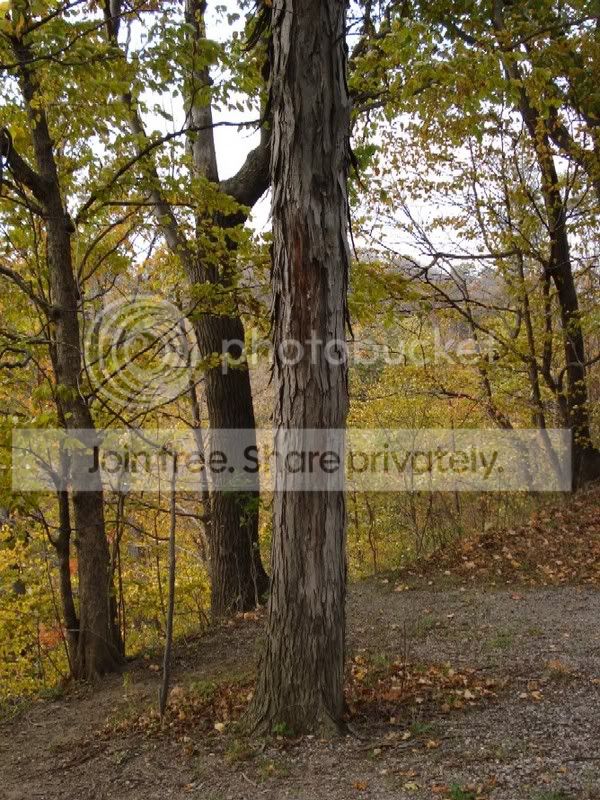
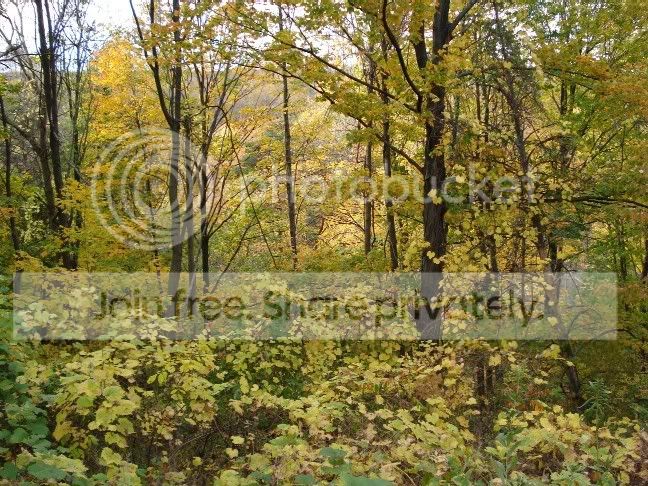
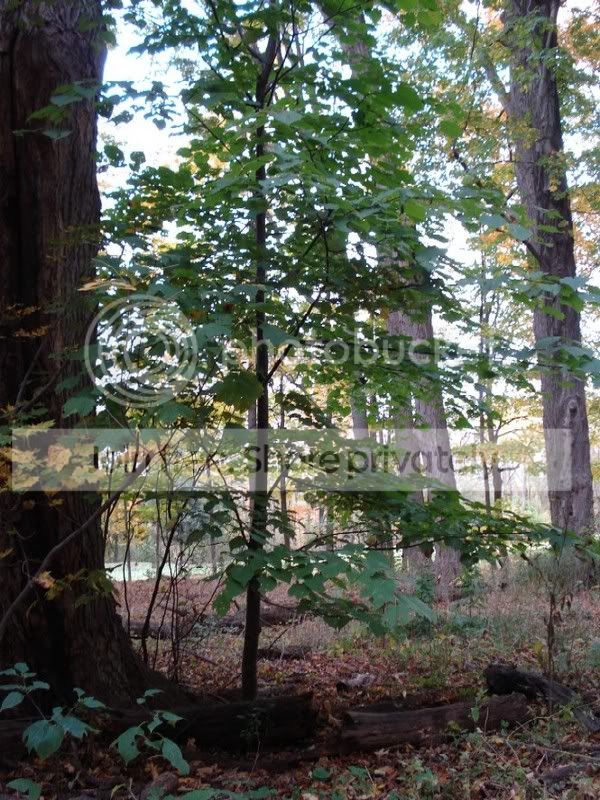
First, the obligatory scenery shot which will undoubtedly prove my case.
OK, here's a useful tree (take note Coldwood and Jack Bauer). It is the American Basswood (Tilia americana). It's my favourite wood for bow drill fire, both for hearth and drill. It's a homogenous wood, so it works well for making bowls, spoons, etc. The flowers make a much sought after herbal tea. The red winter buds serve as a famine food. The inner bark was one of the two most important cordage fibre plants in this area. The bark could be used for basket making. Whoa, that's one useful tree!
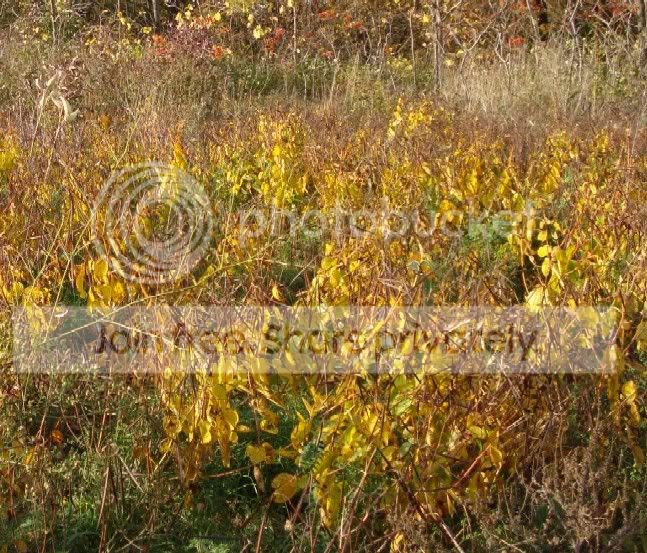
This plant is Spreading Dogbane (Apocynum androsaemifolium) and it is an important cordage fibre plant. Around here, it dies back fairly early in the fall and lies down on the ground, making it difficult to find through the winter. Its close relative, Indian Hemp (A. cannibinum) on the other hand remains upright through the winter right to the next winter, so it's useful for a much longer time. Also, it grows much taller, giving you longer fibres to work with. At least, it does around here. There is also some record of it being used medicinally, but there are some toxic concerns. The seed fluff (pappus) can be used as a tinder with a ferro rod.
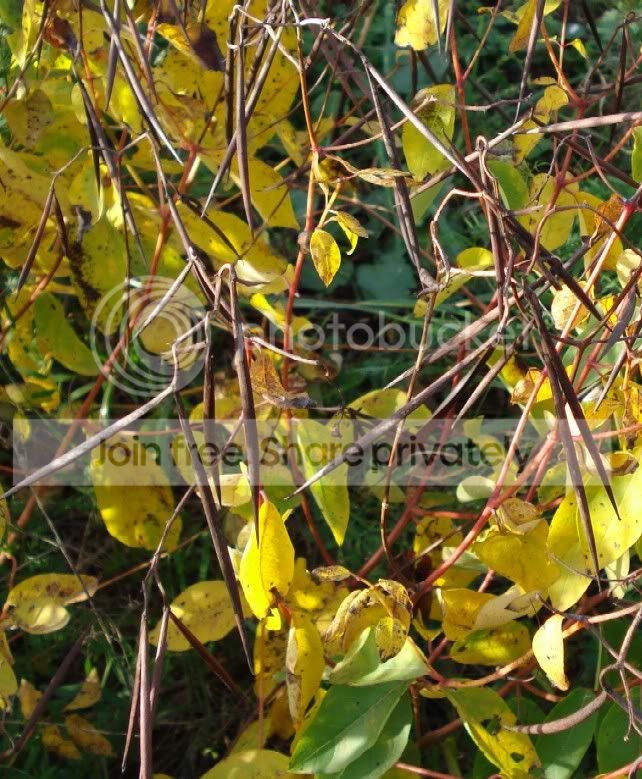
Here you can see the seed pods more clearly.
How's this for a cordage resource? Milkweed (Asclepias syriaca), Evening Primrose (Oenothera biennis) and Spreading Dogbane (A. androsaemifolium) all in the same area.
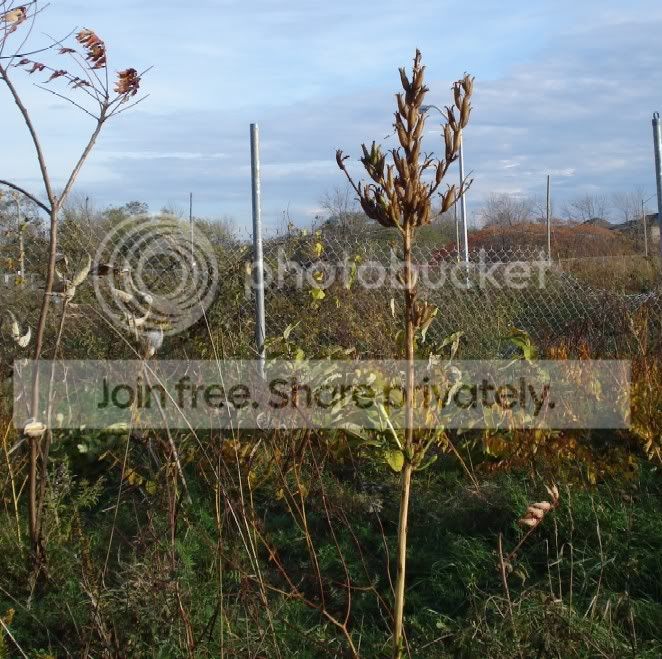
Milkweed is of course, an edible plant (some precautions apply), a medicinal plant (among other things, the latex can remove warts - first hand experience), the pappus makes a great first stage tinder (can ignite from the spark from a fuel deficient Bic), and good cordage. Evening Primrose makes fairly good cordage, is an herbal medicine, and a wild edible. Dogbane I have already mentioned.
Another cordage plant - Velvet Leaf (Abutilon theophrasti) - apparently used quite a bit by John McPherson. It does make good cordage.
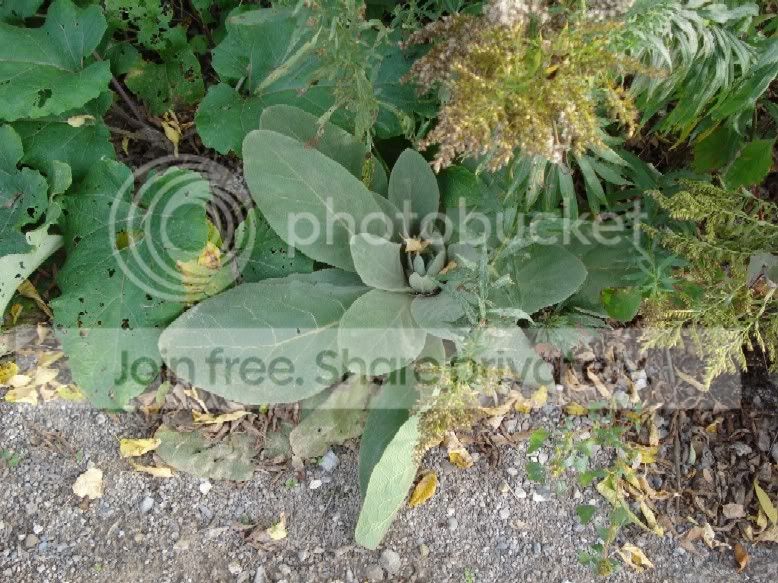
Here we have Mullein - a first year plant. The soft leaves can be used as wicks for oil lamps, and as emergency toilet paper. Also as a pot holder around the fire. It is a medicinal plant. It was also used as a fish poison. It's big brother is a favoured hand drill (fire) by many, although I don't like it as much. I prefer Teasel (Dipsacus sylvestris) or Jerusalem Artichoke (Helianthus tuberosa).
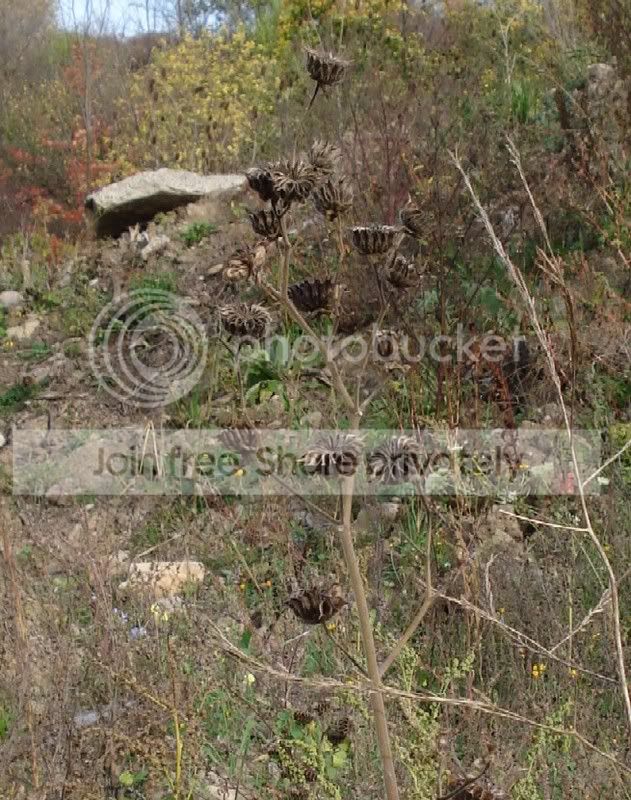
Here is a picture of its big brother along with some Teasel.

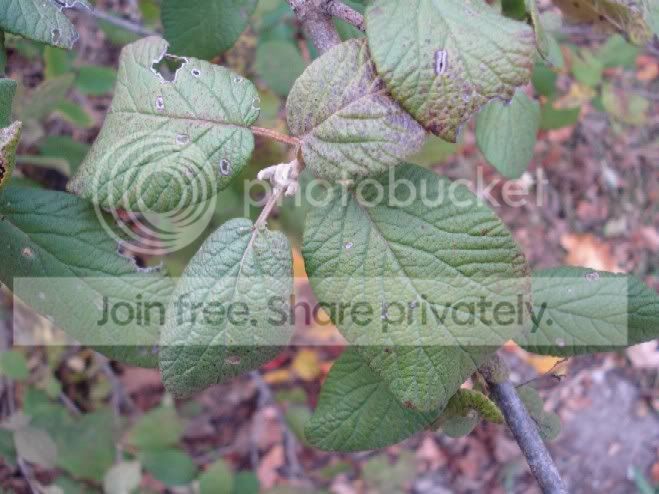
I'm sure most of you have heard of Otzi, the Iceman. His was the well preserved body found in the Italian Alps back in 1991. It was determined that he was over 5000 years old. One of the amazing things about the find was the well-preserved equipment he had with him. Among the equipment was 14 (?) arrow shafts in various stages of completion. These were made from the Wayfaring tree (Viburnum lantana). This is not a native here, but has been planted ornamentally. I guess the birds have taken to spreading the seeds. This is Viburnum lantana. I have made arrows from it and they work just fine. Apparently, it also has edible seeds. (No personal experience).
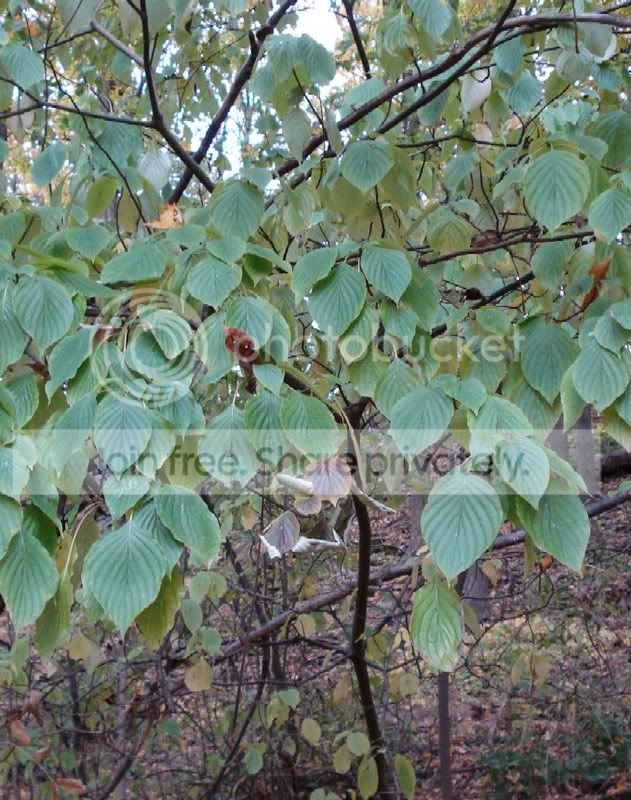
Another shrub, Pagoda Dogwood (Cornus alternifolia) also makes very good arrows and quite often the shoots are long enough for excellent atlatl shafts. Interestingly enough, this is the only alternate-leaf Dogwood (see species name).
Since my photographic skills suck, I thought I would approach this from a different perspective. Now we all know the beautiful pictures that Pitdog takes. Of course, he lives in a beautiful part of the world. Here in Southern Ontario, we are not quite as fortunate. However, I think what we lack in scenery, we more than make up in biodiversity. So I thought I would take some pictures of plants that can aid us in Wilderness Survival.
First, the obligatory scenery shot which will undoubtedly prove my case.
OK, here's a useful tree (take note Coldwood and Jack Bauer). It is the American Basswood (Tilia americana). It's my favourite wood for bow drill fire, both for hearth and drill. It's a homogenous wood, so it works well for making bowls, spoons, etc. The flowers make a much sought after herbal tea. The red winter buds serve as a famine food. The inner bark was one of the two most important cordage fibre plants in this area. The bark could be used for basket making. Whoa, that's one useful tree!
This plant is Spreading Dogbane (Apocynum androsaemifolium) and it is an important cordage fibre plant. Around here, it dies back fairly early in the fall and lies down on the ground, making it difficult to find through the winter. Its close relative, Indian Hemp (A. cannibinum) on the other hand remains upright through the winter right to the next winter, so it's useful for a much longer time. Also, it grows much taller, giving you longer fibres to work with. At least, it does around here. There is also some record of it being used medicinally, but there are some toxic concerns. The seed fluff (pappus) can be used as a tinder with a ferro rod.
Here you can see the seed pods more clearly.
How's this for a cordage resource? Milkweed (Asclepias syriaca), Evening Primrose (Oenothera biennis) and Spreading Dogbane (A. androsaemifolium) all in the same area.
Milkweed is of course, an edible plant (some precautions apply), a medicinal plant (among other things, the latex can remove warts - first hand experience), the pappus makes a great first stage tinder (can ignite from the spark from a fuel deficient Bic), and good cordage. Evening Primrose makes fairly good cordage, is an herbal medicine, and a wild edible. Dogbane I have already mentioned.
Another cordage plant - Velvet Leaf (Abutilon theophrasti) - apparently used quite a bit by John McPherson. It does make good cordage.
Here we have Mullein - a first year plant. The soft leaves can be used as wicks for oil lamps, and as emergency toilet paper. Also as a pot holder around the fire. It is a medicinal plant. It was also used as a fish poison. It's big brother is a favoured hand drill (fire) by many, although I don't like it as much. I prefer Teasel (Dipsacus sylvestris) or Jerusalem Artichoke (Helianthus tuberosa).
Here is a picture of its big brother along with some Teasel.
I'm sure most of you have heard of Otzi, the Iceman. His was the well preserved body found in the Italian Alps back in 1991. It was determined that he was over 5000 years old. One of the amazing things about the find was the well-preserved equipment he had with him. Among the equipment was 14 (?) arrow shafts in various stages of completion. These were made from the Wayfaring tree (Viburnum lantana). This is not a native here, but has been planted ornamentally. I guess the birds have taken to spreading the seeds. This is Viburnum lantana. I have made arrows from it and they work just fine. Apparently, it also has edible seeds. (No personal experience).
Another shrub, Pagoda Dogwood (Cornus alternifolia) also makes very good arrows and quite often the shoots are long enough for excellent atlatl shafts. Interestingly enough, this is the only alternate-leaf Dogwood (see species name).