- Joined
- Feb 15, 2018
- Messages
- 157
What is the significance of this type of handle painting. It seems to be a Scandinavian thing. It must have something more to do with than just looking cool.
 image host url
image host url
The BladeForums.com 2024 Traditional Knife is available! Price is $250 ea (shipped within CONUS).
Order here: https://www.bladeforums.com/help/2024-traditional/
image host url
What is the significance of this type of handle painting. It seems to be a Scandinavian thing. It must have something more to do with than just looking cool.

It must have something more to do with than just looking cool.

A lot of fire and trail crews paint up their handles to keep track of whose is whose at a glance. A lot of loggers as well.
Simpler paint schemes usually, but maybe that's a factor. Imitation of real working tools seems to be the game.


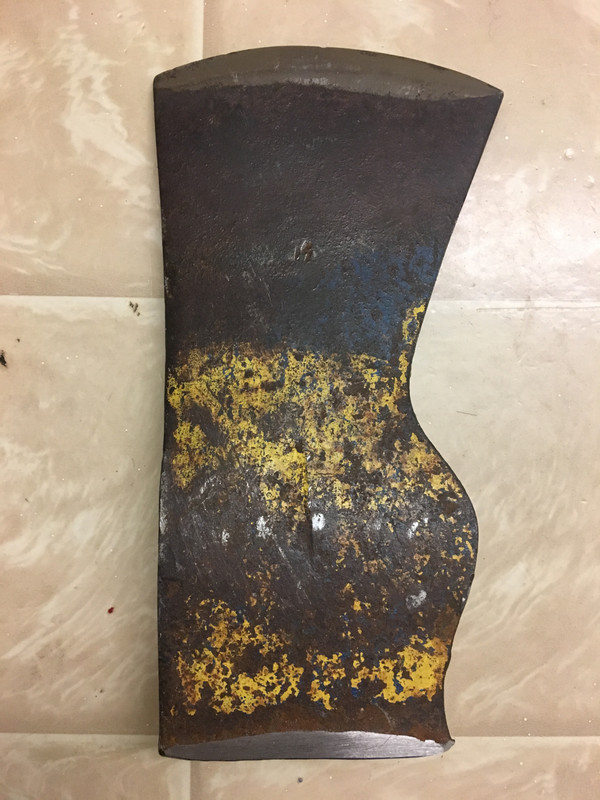
What can you tell me about this hatchet? I knows it's original and from the 60's.
Any further info?


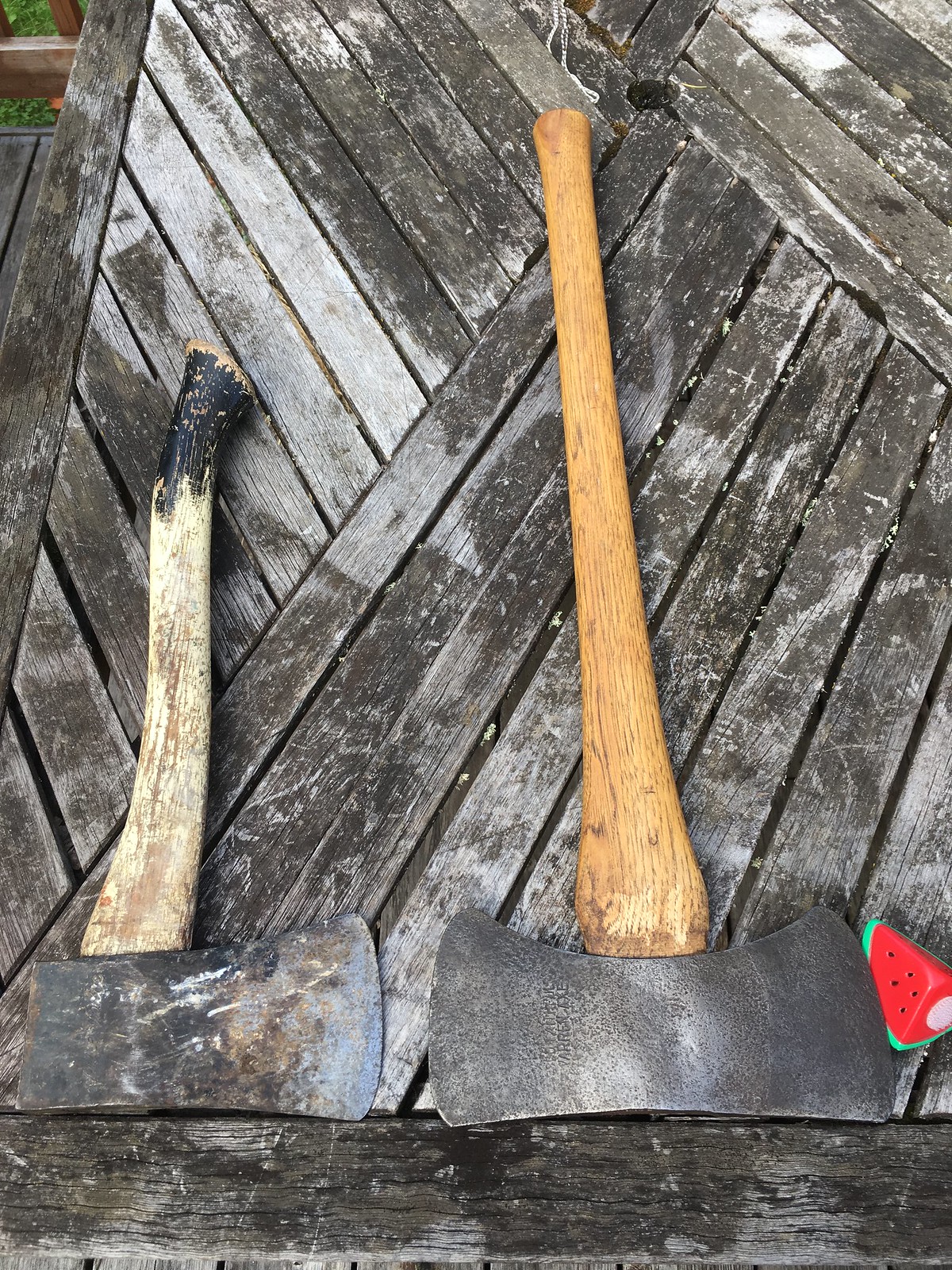

Best Made's paint jobs seem to make them "Best Made" axes. Many of vintage Hults Bruk's Agdor line came from the factory with red/yellow painted swells and throats. The later incarnations of Billnas/Old Fiskars axes seem to have been done in the same vein.

Brand recognition and marketability may be/have been a factor. I have a couple of American axes/hatchets that have white painted handles and either black or red painted swells. I don't know if it was done at the factory or if it was a specific brand of replacement handle offered in the past.
Examples, True Value hatchet
Red Knight