
In this post, I’m going to show the modern origins (18th Century) of knife, axe and sword making. The modern manufacturing definitely has its roots in Europe and the U.S., but I think it’s interesting to see the path that led to the tools we carry today.
I’ve put this thread together with total humility, based on verifiable historical facts, and without discounting the many influences from other nations over the centuries. At the same time, I can’t hide my excitement in discovering that these origins lie just a few hundred miles from my hometown, right here in my own country.
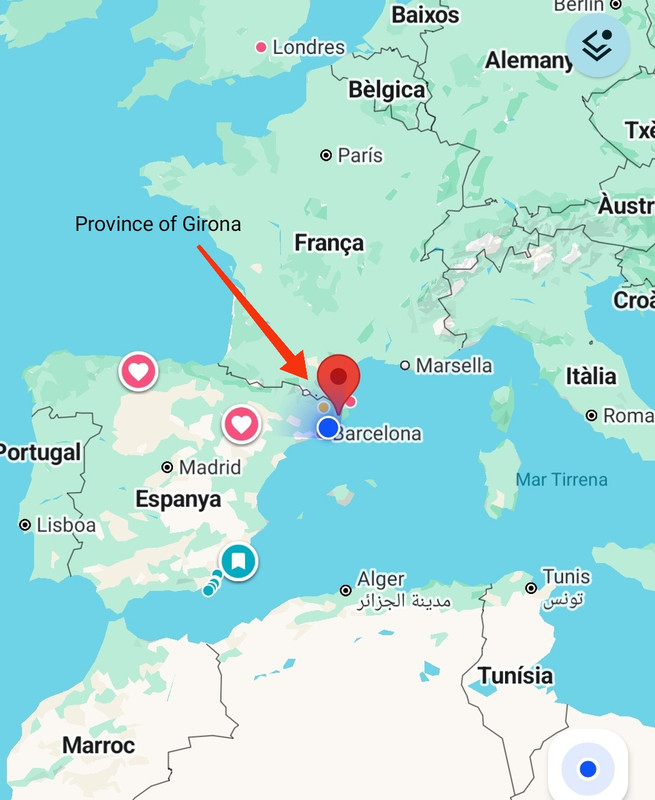
I am Spanish and I live in the province of Barcelona, although the focus of my research is the province of Girona, also here in the Autonomous Community of Catalonia.
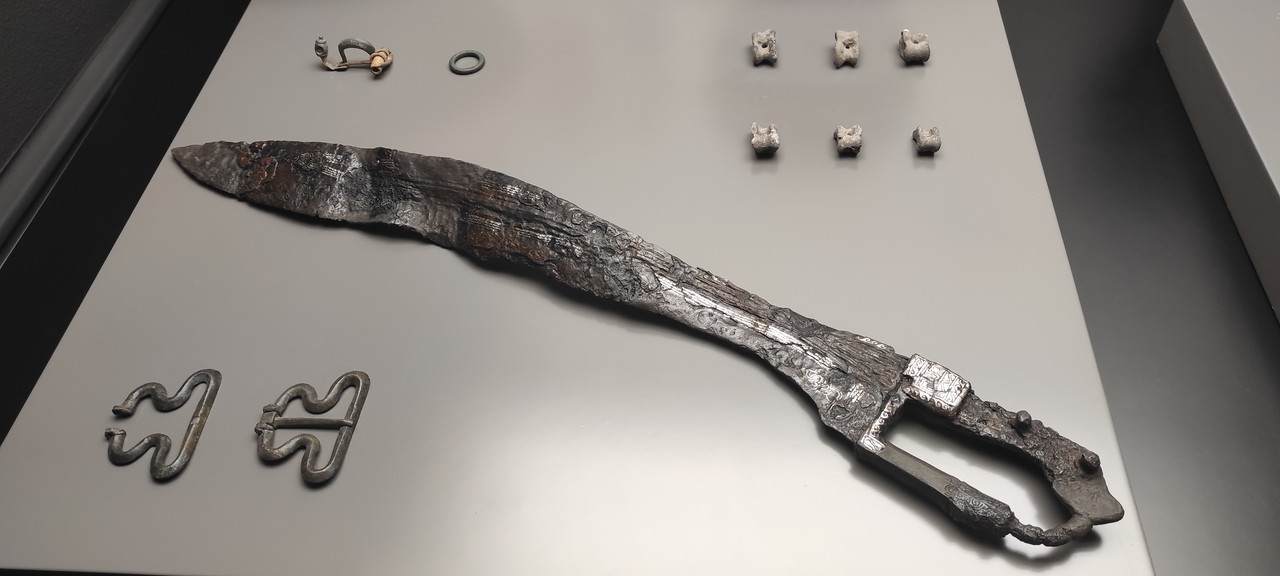
Before Rome ruled the world, they met their match in the Iberian Peninsula. The weapon that haunted their nightmares was the Falcata—a brutal, forward-curving blade that hit with the power of an axe but cut like a razor. It was famous for splitting Roman helmets in a single strike.
The Romans were so impressed (and terrified) that they didn't just copy the carbon steel; they adopted the Gladius Hispaniensis (the Spanish Sword) as their standard weapon. This wasn't just a change in gear—it was the birth of Western military supremacy, built on the superior carbon steel and forging techniques of ancient Spain.
But let’s go forward a little further, to the 18th century, which is where things get really interesting:
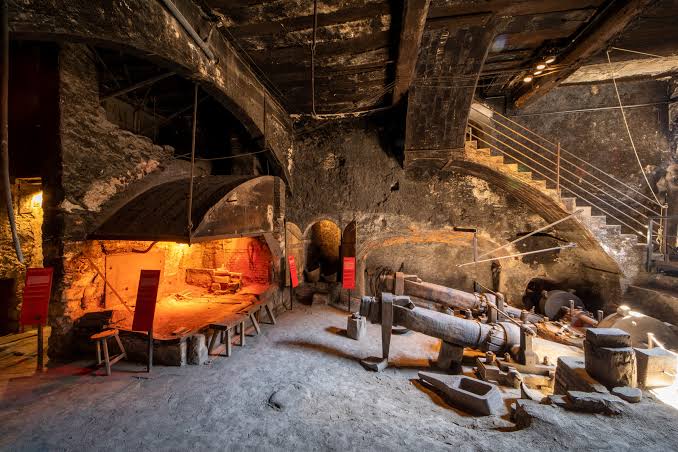
"From the Middle Ages until the 19th century, Western European countries—France, England, Austria, and Italy, among others—obtained iron using the metallurgical method known worldwide as the 'Catalan process' or 'Catalan forge.' The natural resources essential for its operation, namely iron ore, wood for charcoal (for the furnaces), and water (used as driving force), were found in abundance in our region where, up until the 18th century, more than twenty forges have been documented.
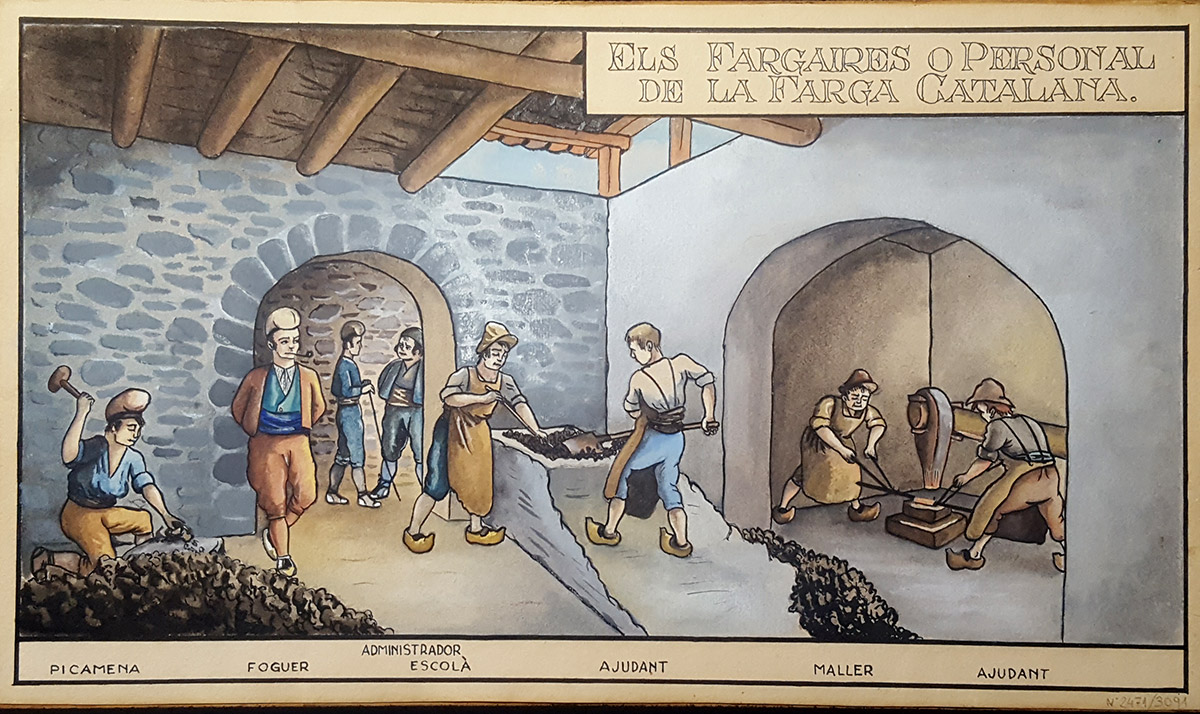
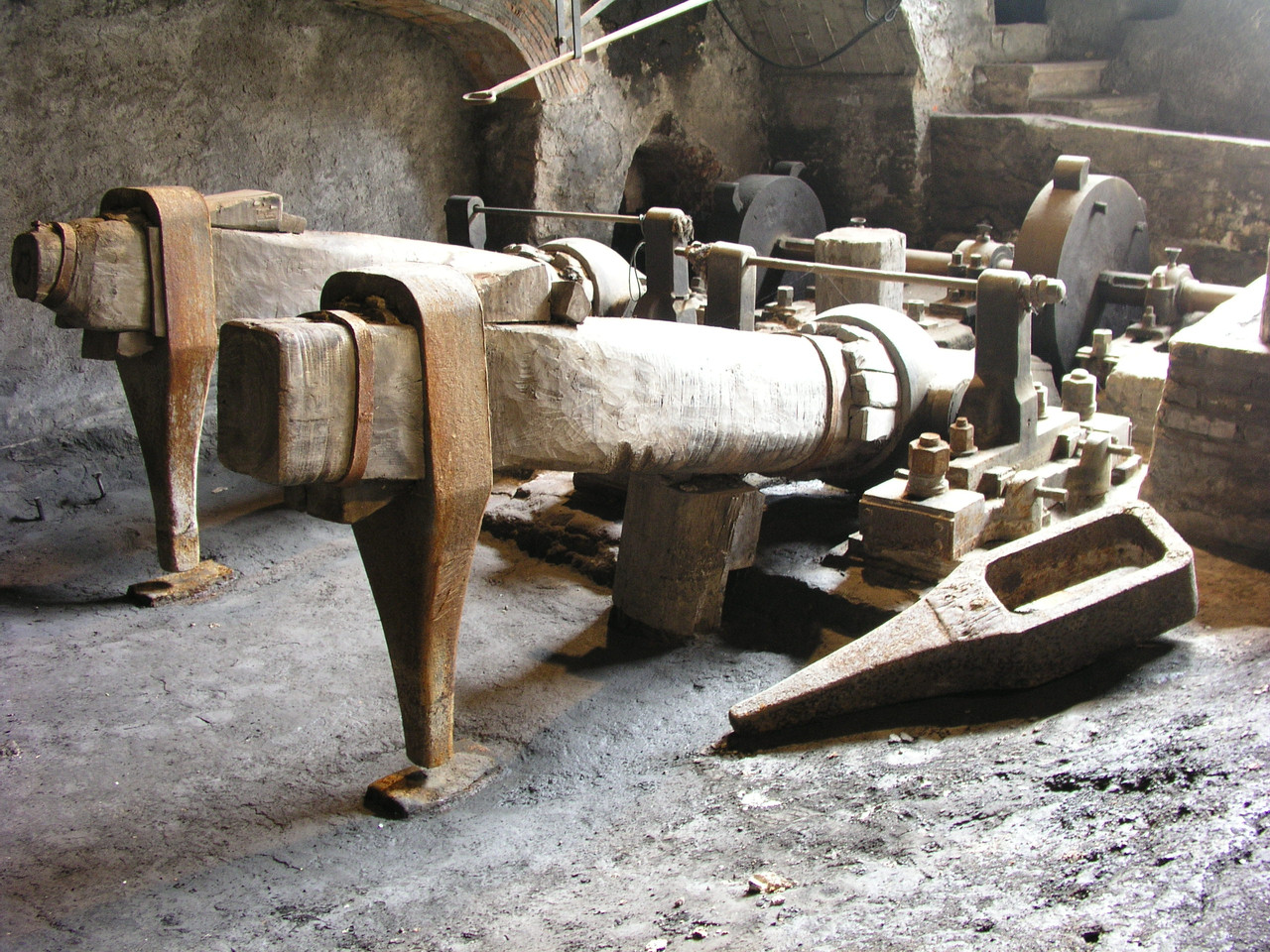
The trip hammer (martinete) was used in the ancient Catalan forge to compact the masser (the bloom or mass of iron), to clear it of slag, and to forge it. It was a device of such considerable dimensions that it required hydraulic energy to operate. It consisted essentially of a hammer that functioned by applying force to the rear end of the handle, acting as a lever to lift it, and then letting the front end—where the head was located—fall upon the masser placed on an anvil."
Source: Ethnographic Museum of Ripoll (Girona, Spain). Section: The Catalan Forge and Iron Metallurgy.
.jpg)
During the height of the Spanish Empire, the province of Girona became the "Silicon Valley" of European metallurgy. Thanks to the Farga Catalana (Catalan Forge), smiths achieved a level of iron purity that was centuries ahead of its time. While this technology forged the legendary weapons of the Tercios, its true heart was in the humble tools of the field—the axes and knives that built a nation. Not to mention the firearms, which were a world-class reference, comparable to the power of the Texan defense industry.
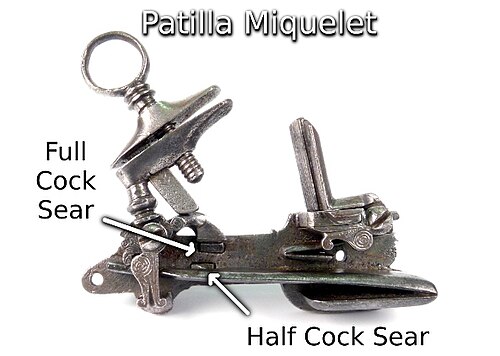
The 'Miquelet Lock' was a radical innovation in firearm ignition systems. This 'Made in Girona/Catalonia' technology dominated the Spanish Empire and spread across the Americas, and even as far as the Ottoman Empire.
But the innovation didn't stop there. This expertise was perfected in the Basque Country, where ironworking became a global powerhouse. From Basque ports, this superior steel traveled to the Americas. Long before the "Wild West" was won, Basque mariners were using these tools in Canada and the early American frontiers.
In fact, Basque metallurgical support was crucial during the American Revolution; their high-quality blades and bayonets were a silent partner to George Washington. Eventually, the "Basque Method" of refining and forging became so efficient that the rest of Europe began to copy their techniques, cementing Spanish metallurgy as the gold standard of the pre-industrial world.
Interestingly, this journey went both ways during the 19th and early 20th centuries. Basque industrialists traveled to the U.S. to study American manufacturing techniques and brought that industrial expertise back to Spain. This exchange sparked a massive technological leap forward in my country (and others), blending ancient craftsmanship with modern American efficiency.
But this history is not just a relic of the past; it breathes today in Spain's vibrant cutlery scene. Prestigious brands like Aitor, renowned for their rugged tactical and survival knives, and Cudeman, famous for their beautiful hunting and outdoor designs, carry the torch of quality.
However, if you want to find the true, beating heart of the Girona tradition, you must look at Pallarès in Solsona. If France has the Opinel, Spain has the Pallarès. For generations, these simple, dependable folders have been a ubiquitous presence in the pockets of our grandfathers, from Catalan farmers to urban tradesmen throughout Spain.
While they are globally recognized for their iconic "electrician's knife" with its utilitarian plastic handle, the true soul of Pallarès lies in their craftsmanship.
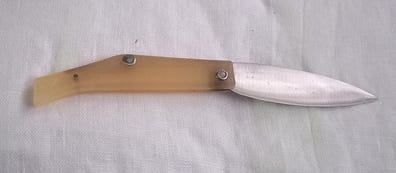
Today, under the direction of David Pallarès, they continue to create pieces that are a delight to the hand and the eye. They offer traditional folders made from noble materials and exquisite carbon steel and wood cutlery sets that are a favorite among discerning home cooks and professional chefs. I like the "Busa"...
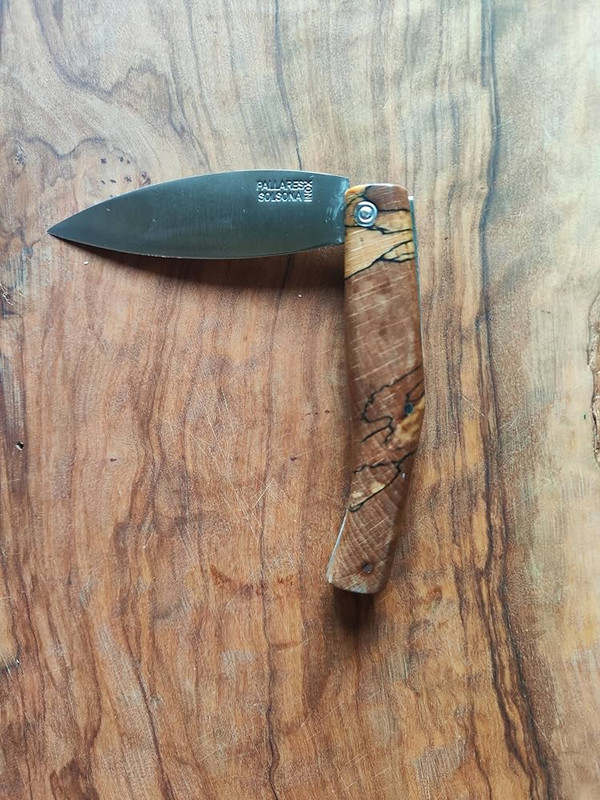
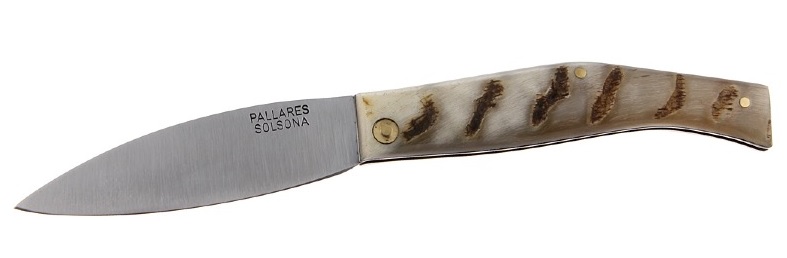
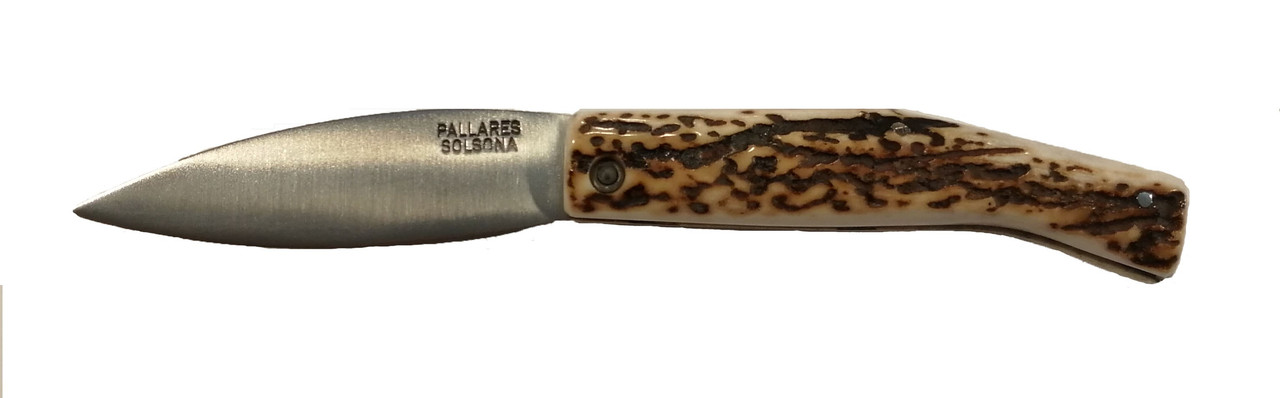
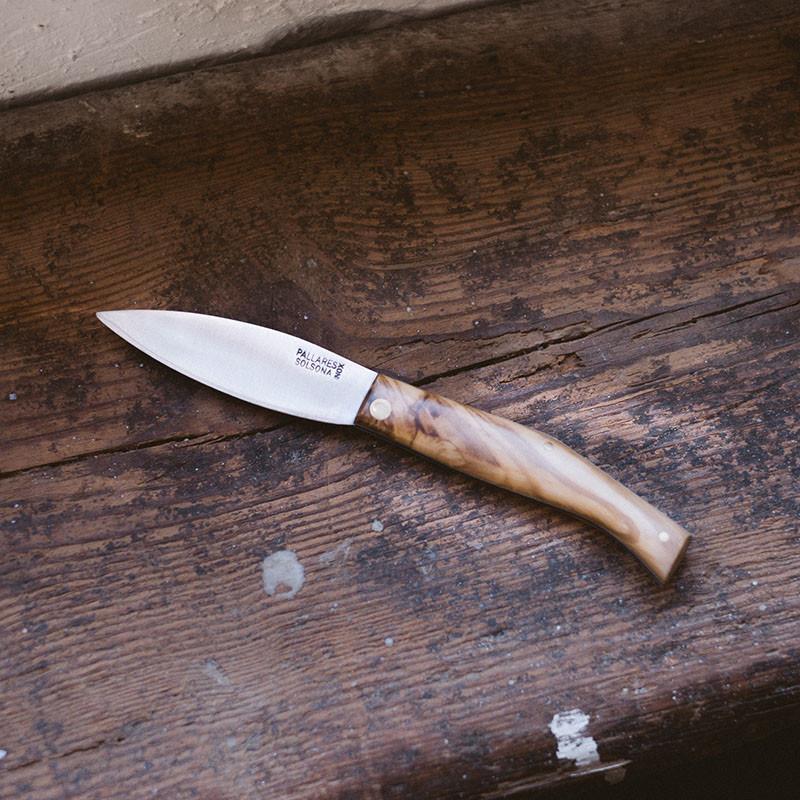
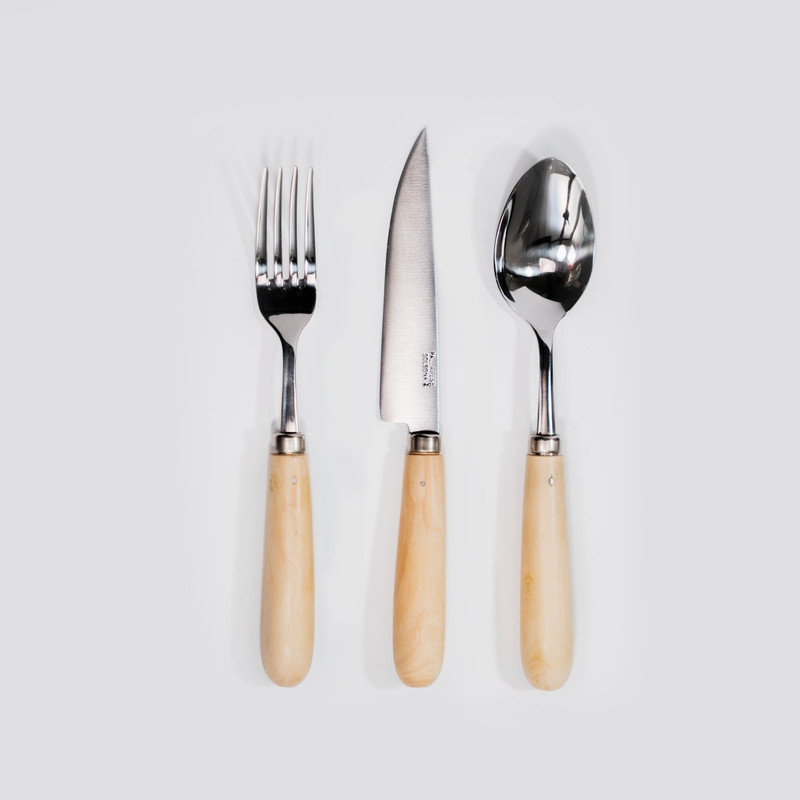
These aren't just tools; they are a direct, uninterrupted link to the tradition. For those looking for a piece of truly authentic, vintage-style European heritage, 100% made in Solsona (Girona province), Pallarès is the name
- For the record, the author has no affiliation with this brand; he’s simply been partial to these knives since using them from a very young age
I’ve put this thread together with total humility, based on verifiable historical facts, and without discounting the many influences from other nations over the centuries. At the same time, I can’t hide my excitement in discovering that these origins lie just a few hundred miles from my hometown, right here in my own country.
I am Spanish and I live in the province of Barcelona, although the focus of my research is the province of Girona, also here in the Autonomous Community of Catalonia.
Before Rome ruled the world, they met their match in the Iberian Peninsula. The weapon that haunted their nightmares was the Falcata—a brutal, forward-curving blade that hit with the power of an axe but cut like a razor. It was famous for splitting Roman helmets in a single strike.
The Romans were so impressed (and terrified) that they didn't just copy the carbon steel; they adopted the Gladius Hispaniensis (the Spanish Sword) as their standard weapon. This wasn't just a change in gear—it was the birth of Western military supremacy, built on the superior carbon steel and forging techniques of ancient Spain.
But let’s go forward a little further, to the 18th century, which is where things get really interesting:
"From the Middle Ages until the 19th century, Western European countries—France, England, Austria, and Italy, among others—obtained iron using the metallurgical method known worldwide as the 'Catalan process' or 'Catalan forge.' The natural resources essential for its operation, namely iron ore, wood for charcoal (for the furnaces), and water (used as driving force), were found in abundance in our region where, up until the 18th century, more than twenty forges have been documented.
The trip hammer (martinete) was used in the ancient Catalan forge to compact the masser (the bloom or mass of iron), to clear it of slag, and to forge it. It was a device of such considerable dimensions that it required hydraulic energy to operate. It consisted essentially of a hammer that functioned by applying force to the rear end of the handle, acting as a lever to lift it, and then letting the front end—where the head was located—fall upon the masser placed on an anvil."
Source: Ethnographic Museum of Ripoll (Girona, Spain). Section: The Catalan Forge and Iron Metallurgy.
During the height of the Spanish Empire, the province of Girona became the "Silicon Valley" of European metallurgy. Thanks to the Farga Catalana (Catalan Forge), smiths achieved a level of iron purity that was centuries ahead of its time. While this technology forged the legendary weapons of the Tercios, its true heart was in the humble tools of the field—the axes and knives that built a nation. Not to mention the firearms, which were a world-class reference, comparable to the power of the Texan defense industry.
The 'Miquelet Lock' was a radical innovation in firearm ignition systems. This 'Made in Girona/Catalonia' technology dominated the Spanish Empire and spread across the Americas, and even as far as the Ottoman Empire.
But the innovation didn't stop there. This expertise was perfected in the Basque Country, where ironworking became a global powerhouse. From Basque ports, this superior steel traveled to the Americas. Long before the "Wild West" was won, Basque mariners were using these tools in Canada and the early American frontiers.
In fact, Basque metallurgical support was crucial during the American Revolution; their high-quality blades and bayonets were a silent partner to George Washington. Eventually, the "Basque Method" of refining and forging became so efficient that the rest of Europe began to copy their techniques, cementing Spanish metallurgy as the gold standard of the pre-industrial world.
Interestingly, this journey went both ways during the 19th and early 20th centuries. Basque industrialists traveled to the U.S. to study American manufacturing techniques and brought that industrial expertise back to Spain. This exchange sparked a massive technological leap forward in my country (and others), blending ancient craftsmanship with modern American efficiency.
But this history is not just a relic of the past; it breathes today in Spain's vibrant cutlery scene. Prestigious brands like Aitor, renowned for their rugged tactical and survival knives, and Cudeman, famous for their beautiful hunting and outdoor designs, carry the torch of quality.
However, if you want to find the true, beating heart of the Girona tradition, you must look at Pallarès in Solsona. If France has the Opinel, Spain has the Pallarès. For generations, these simple, dependable folders have been a ubiquitous presence in the pockets of our grandfathers, from Catalan farmers to urban tradesmen throughout Spain.
While they are globally recognized for their iconic "electrician's knife" with its utilitarian plastic handle, the true soul of Pallarès lies in their craftsmanship.
Today, under the direction of David Pallarès, they continue to create pieces that are a delight to the hand and the eye. They offer traditional folders made from noble materials and exquisite carbon steel and wood cutlery sets that are a favorite among discerning home cooks and professional chefs. I like the "Busa"...
These aren't just tools; they are a direct, uninterrupted link to the tradition. For those looking for a piece of truly authentic, vintage-style European heritage, 100% made in Solsona (Girona province), Pallarès is the name
- For the record, the author has no affiliation with this brand; he’s simply been partial to these knives since using them from a very young age
Last edited:


