- Joined
- Sep 4, 2011
- Messages
- 12,311
Yezzir... cammed but still sad lolWhat's it got now? 350?

The BladeForums.com 2024 Traditional Knife is available! Price is $250 ea (shipped within CONUS).
Order here: https://www.bladeforums.com/help/2024-traditional/
Yezzir... cammed but still sad lolWhat's it got now? 350?

Got the sameWTF is this??????View attachment 3157474

I'm an only childBig brother...
Got an old 700cfm Holley if you want itYezzir... cammed but still sad lol

I got one that said all of my posts have no good purpose………..WTF is this??????View attachment 3157474

My life story lolI got one that said all of my posts have no good purpose………..
F YES BRO!!!!!yoko just closed out my Friday at work and cracked a beer, blow that air horn! (red button was pressed, chicken noises happened)

Here are a handful of online-viewable images from some of the wind tunnel tests I worked on.Apologies for the delayed reply, I was out celebrating/drinking with some former Orion co-workers.
This is going to be a bit long, sorry. But worth the read!
I am an aerospace engineer. I was in the Aerodynamics group at Lockheed Martin Space Systems Company (the prime contractor on Orion) here in Colorado. I primarily spent my time working on the LAS (Launch Abort System), something we hope never needs to be used. The LAS is the big tower that sits at the top of the rocket at launch, and pulls the Orion capsule to safety if something goes horribly wrong. I mostly did wind tunnel testing during my time on the program.
Inside the LAS there are 3 solid rocket motors (solid rocket means you light the candle and hold on until it burns out, you cannot turn it off). The largest, the Abort Motor (AM), which pulls everything to safety and is not used unless there’s’s an emergency. You can see its 4 nozzles externally on the tower, about midway up. If used, the astronauts will NOT remember the ride, because they’ll all pass out!!! It pulls the capsule away from the rocket at something like 12-13g’s acceleration (it might be even more; going off memory, I recall 0 to around 500mph in ~2 seconds). It’s insane!!!
Next, the Attitude Control Motor (ACM) in the nose, with its 8 pintle-controllable nozzles around the perimeter, which is responsible for controlling the the trajectory of the LAS during abort, and then pitching the tower over 180º before jettison. And finally, the Jettison Motor (JM) which pulls the tower away from the Orion capsule (the only one that get used every time). The JM nozzles are integral into the LAS tower, and are faired over flush with the LAS tower, so you cannot see them at launch.
Anyway, the aerodynamics of the extremely complicated motor exhaust plume interactions with both the other rocket motor plumes and the freestream air around the vehicle, over the entire flight envelope from 0mph (pad abort) up through about Mach 1.5, had to be carefully characterized. It took a LOT of testing… I was away from home upwards of 8 weeks at a time a couple times, and 2-4 week trips too many times to count, from 2007-2013. It was grueling, but thoroughly enjoyable work.
We also did some re-entry aerodynamics and aero heating wind tunnel tests, where it was just the Orion capsule, in the heatshield-forward configuration.
Finally, I also ran some forward bay cover (FBC) venting analyses. The FBC is the ring-shaped cover that sits at the top of the capsule and protects the parachutes. It is jettisoned at roughly 20,000’ altitude after re-entry (was easy to see happen in today’s landing), which then begins the process of parachute deployment. The transient dynamic pressure inside of those compartments when pulling that cover off is extremely important, to ensure the cover comes off in a linear fashion, without any tipping which could cause damage to the parachutes (I’m simplifying things here, but that’s the gist of it), which could obviously be catastrophic.
So, seeing the LAS not being needed and being pulled safely away from the rocket at launch, and the FBC jettison going flawlessly after re-entry, were both immensely satisfying for me, personally.
I’ll have to go do a bit of digging, as many of the tests I worked on now have pubically-released photos I can share here, if I can find them online. I’ll post some if I can find them, but might not be until tomorrow.


No. LMAO.

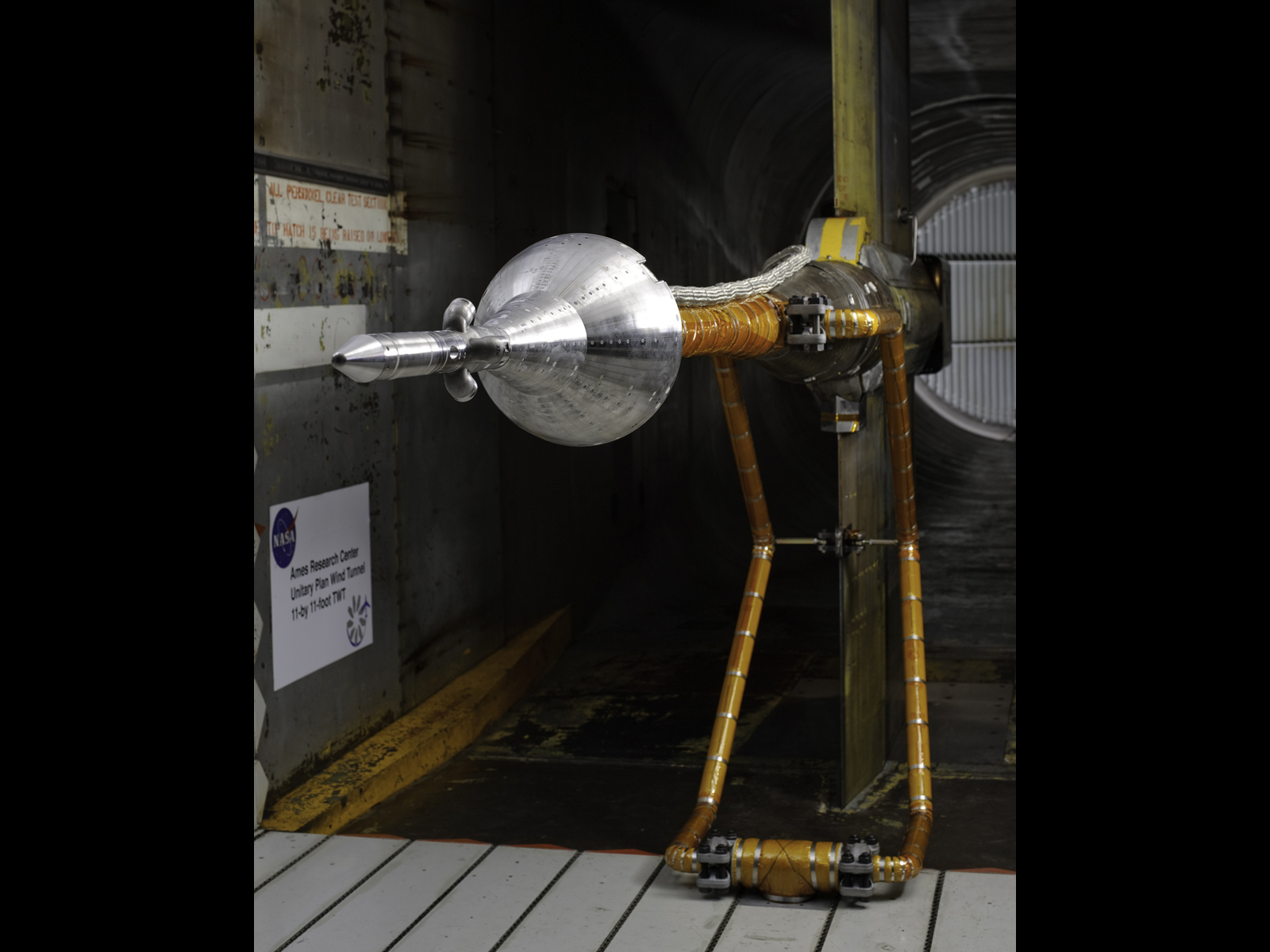
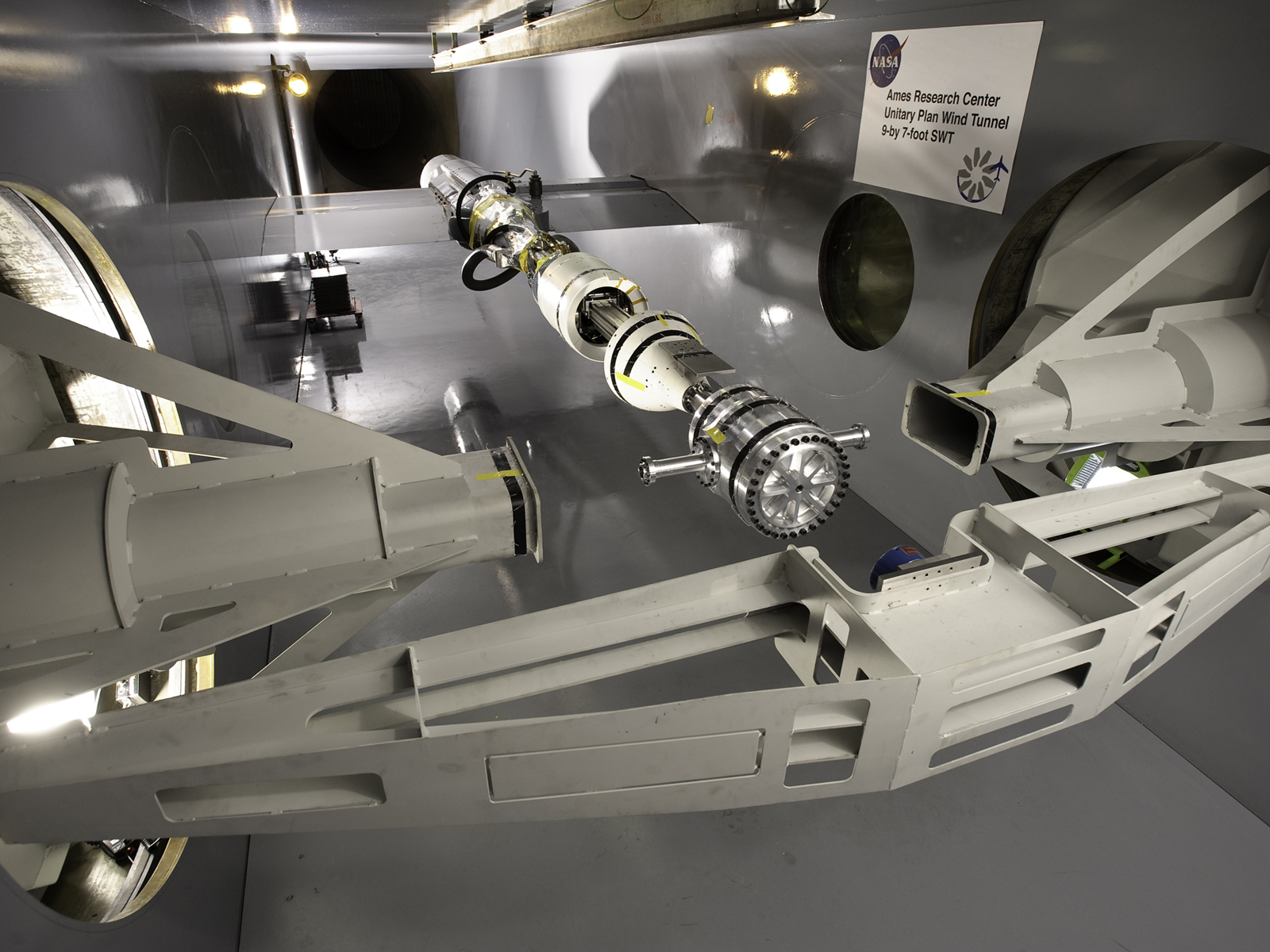
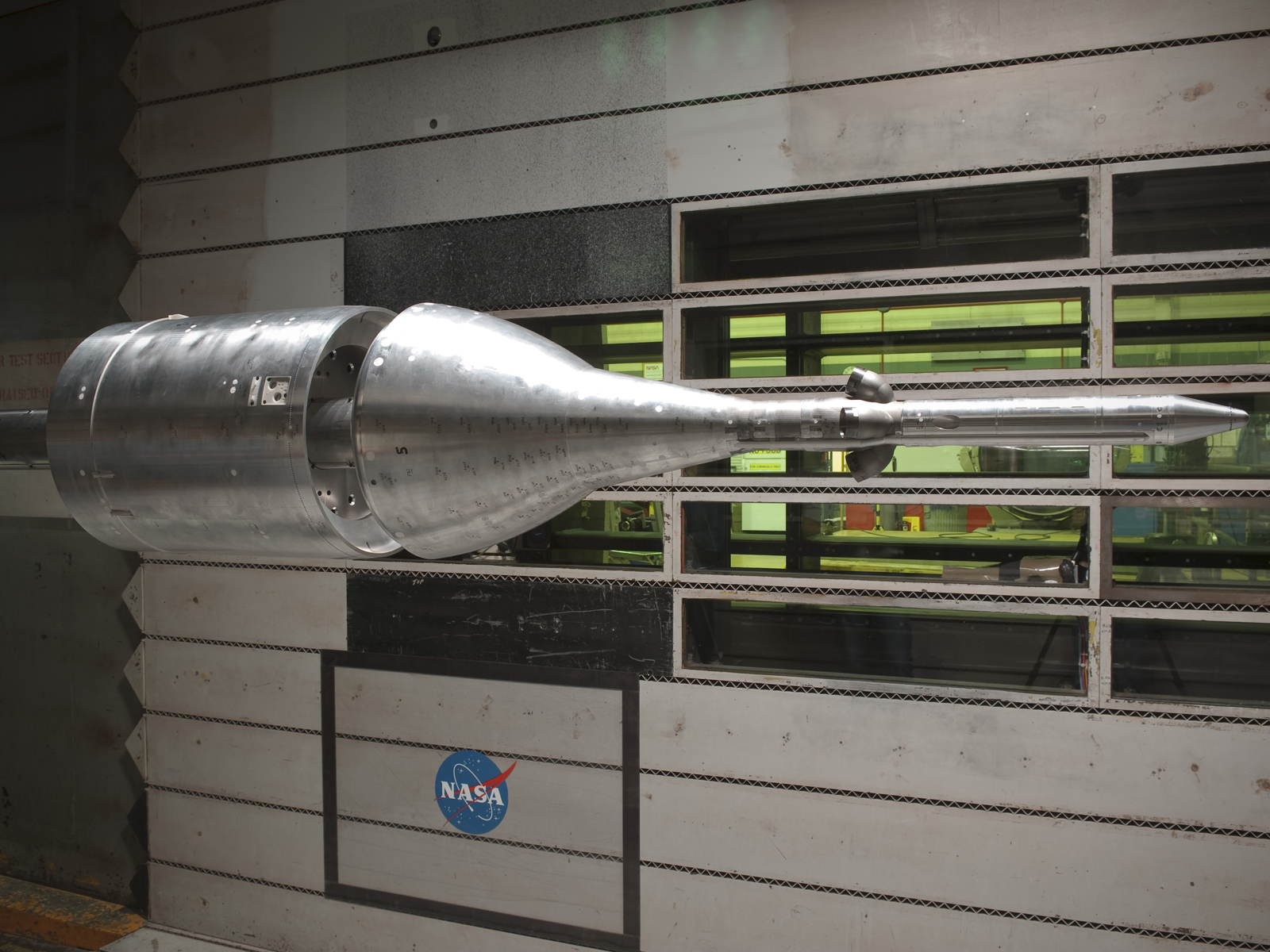
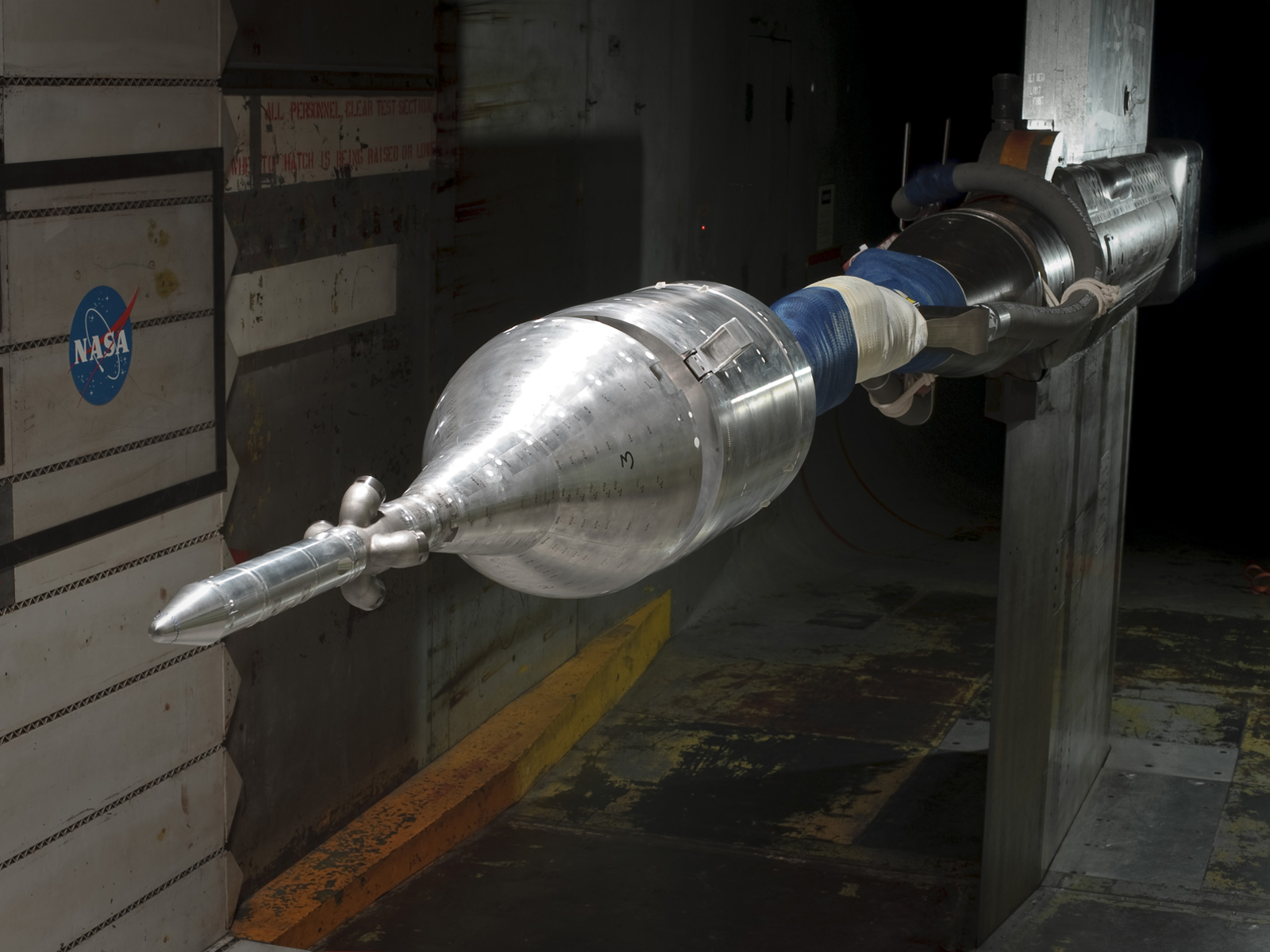
 https://www.arnold.af.mil/News/Arti...nasas-orion-aids-in-first-launch-preparation/



That's a weird looking toiletHere are a handful of online-viewable images from some of the wind tunnel tests I worked on.
Starting with a whole bunch of tests at NASA Ames UPWT. Here’s a cool gallery (I worked on every Orion test shown there, plus a couple others): https://www.nasa.gov/gallery/nasa-ames-unitary-plan-wind-tunnel/
A hot helium acoustics test in the 11’ transonic wind tunnel (TWT). Fun fact, we used something like 80% of the nation’s Helium that year.
A calibration fixture setup for the same test in the 9x7 supersonic wind tunnel (SWT).
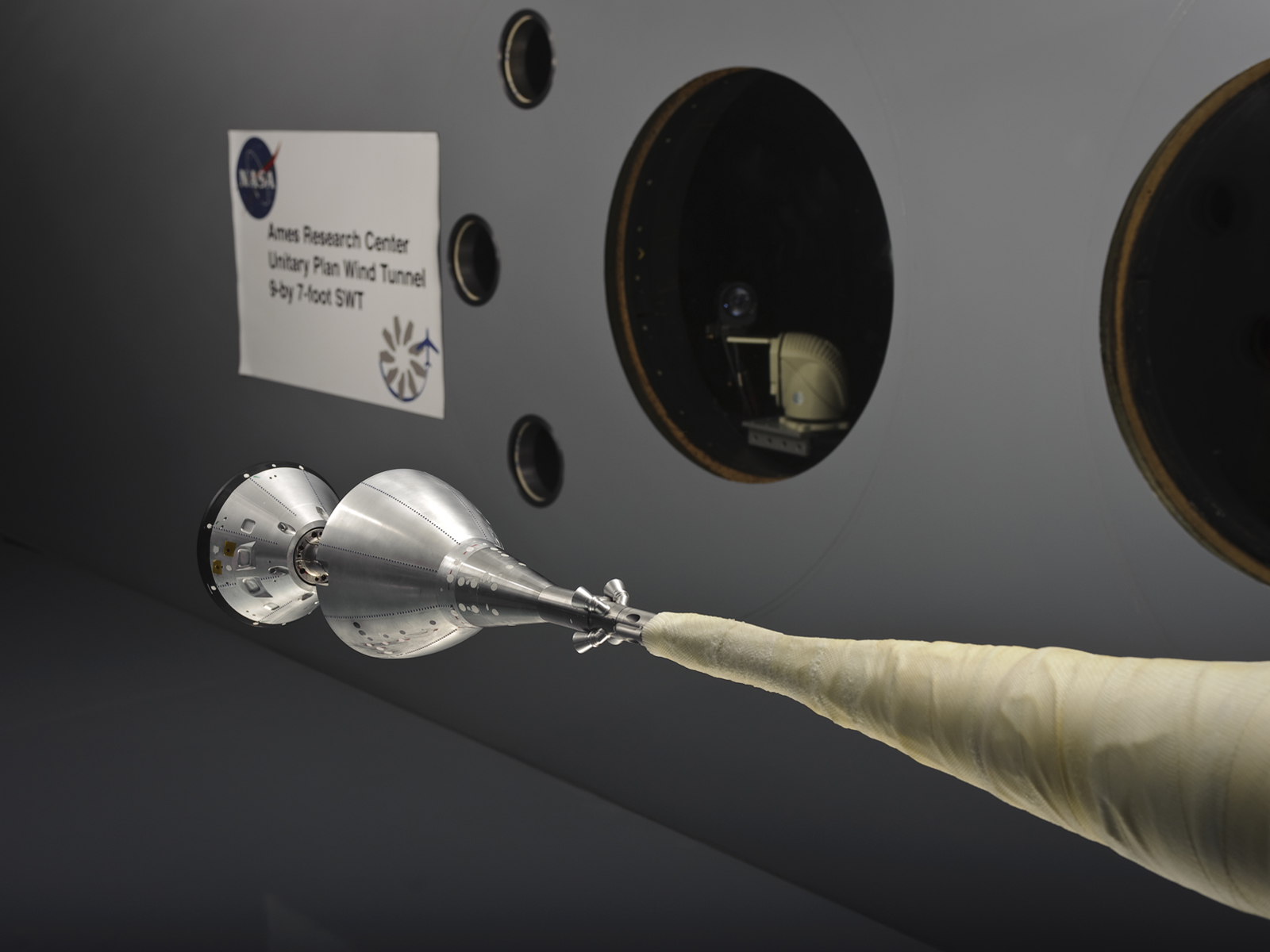
A couple shots of one of the sep aero tests, for characterizing the effects of when the service module separates from the crew module during abort.
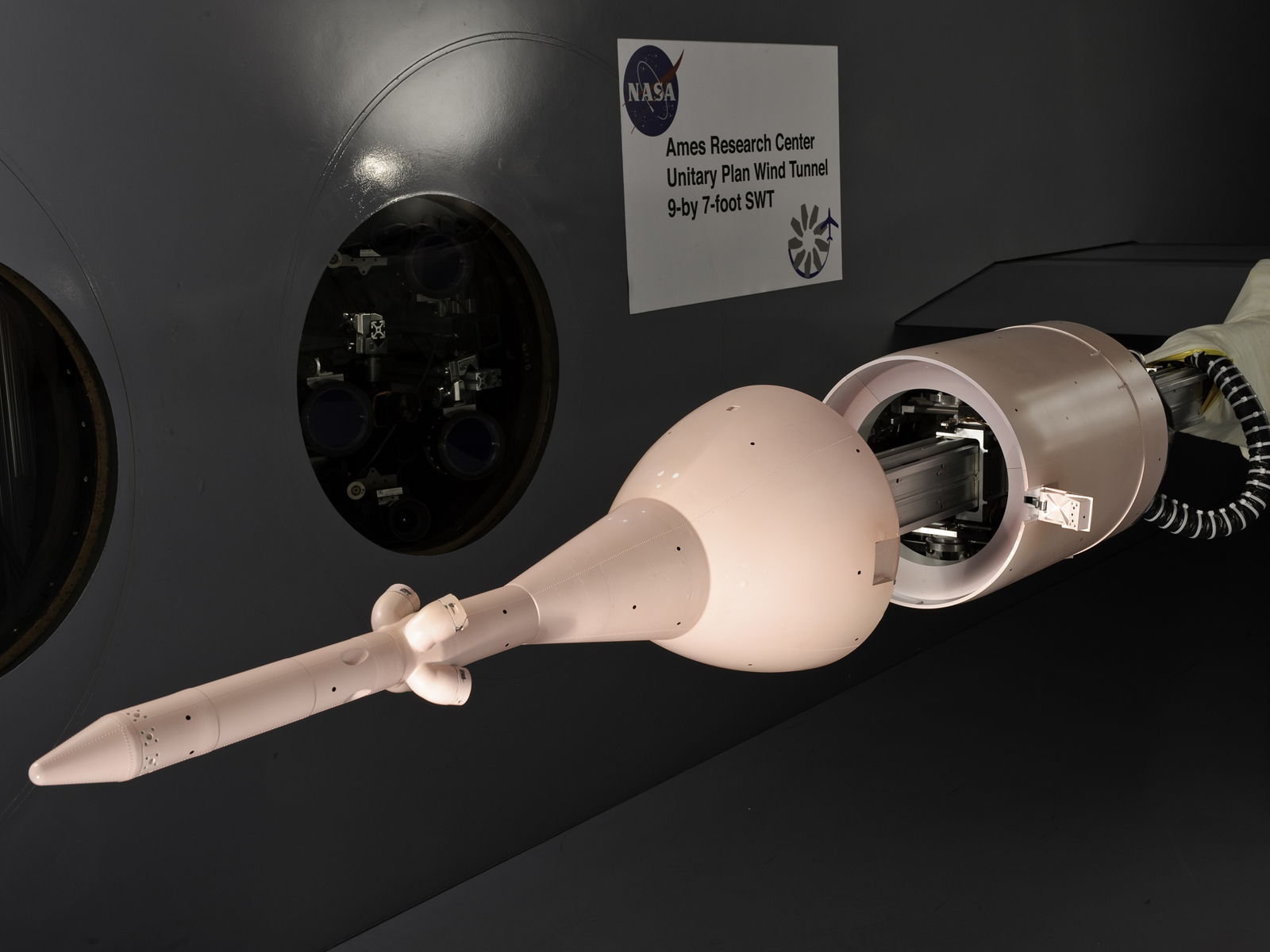
Another abort sep aero test, but this time in the 9x7 tunnel. The model is pink because it has been coated with a pressure-sensitive paint (PSP). You can literally see the pressure on the skin under the right light with specialized cameras. The data is then “anchored” with flush-mounted static pressure ports and some dynamic pressure transducers. It’s pretty cool tech!!!
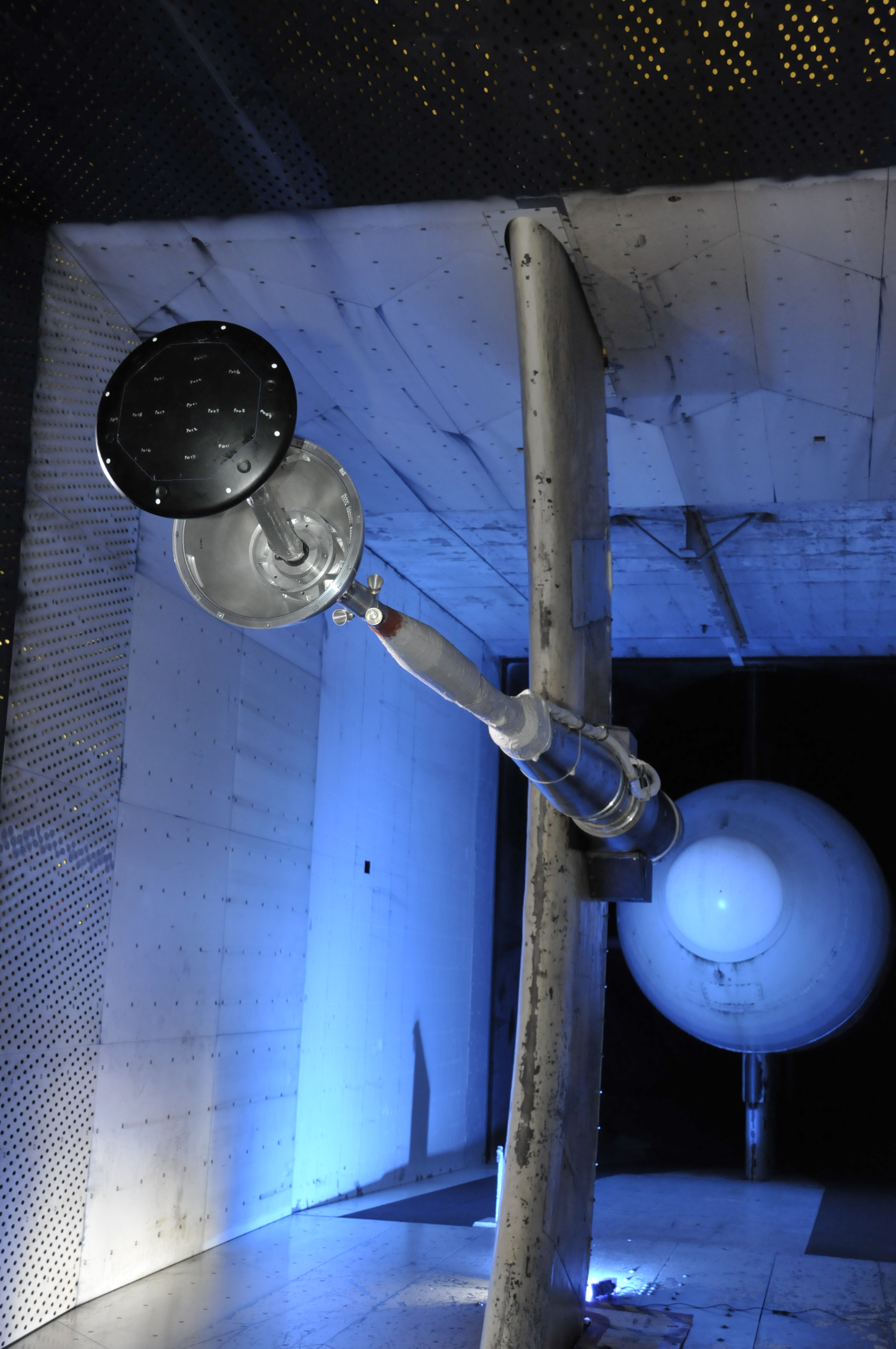
Here is a CM/LAS sep aero test. Note everything is backwards from previous images. This is for when the capsule has ejected the abort tower after an emergency abort. The heat shield has been DLC coated (my idea) to help mitigate damage from small object impacts since it’s such a blunt surface facing forward into airflow at over Mach 2. It worked quite well. Better picture of the heat shield at a different tunnel below.
Here is another CM/LAS sep aero test, but in a different, larger tunnel at AEDC in Tennessee. Much better shot of the heat shield.
Here’s an AEDC article about one of the tests we did there: https://www.arnold.af.mil/News/Arti...8/nasa-cevlaunch-abort-system-tested-at-aedc/
Here’s another AEDC article that talks about a test I worked on, but had moved on to work at ULA as a contractor after my layoff from Lockheed in 2013. The picture above is linked to that article for some reason, though the test had nothing to do with the photo.
Here is a tech paper written by one of the head aero guys at NASA on the Orion program at the time. It is a good overview of what we had been doing. I was heavily involved with all the testing from ‘07-‘12, and early ‘13. https://ntrs.nasa.gov/api/citations/20110014395/downloads/20110014395.pdf
I did a bunch of testing at ULA after Lockheed. Mostly the Commercial Crew project, Boeing CST-100 and SNC Dream Chaser. This was mainly because ULA was the launch provider, and neither CCdev vehicle was to be encapsulated inside of an Atlas-V nose fairing. So they had to run aero tests to be sure there wouldn’t be any issues with ascent aero with either vehicle on the front of the rocket. Here’s a Wired article that talks a bit about it with a photo. https://www.wired.com/2013/06/nasa-manned-spacecraft-testing/
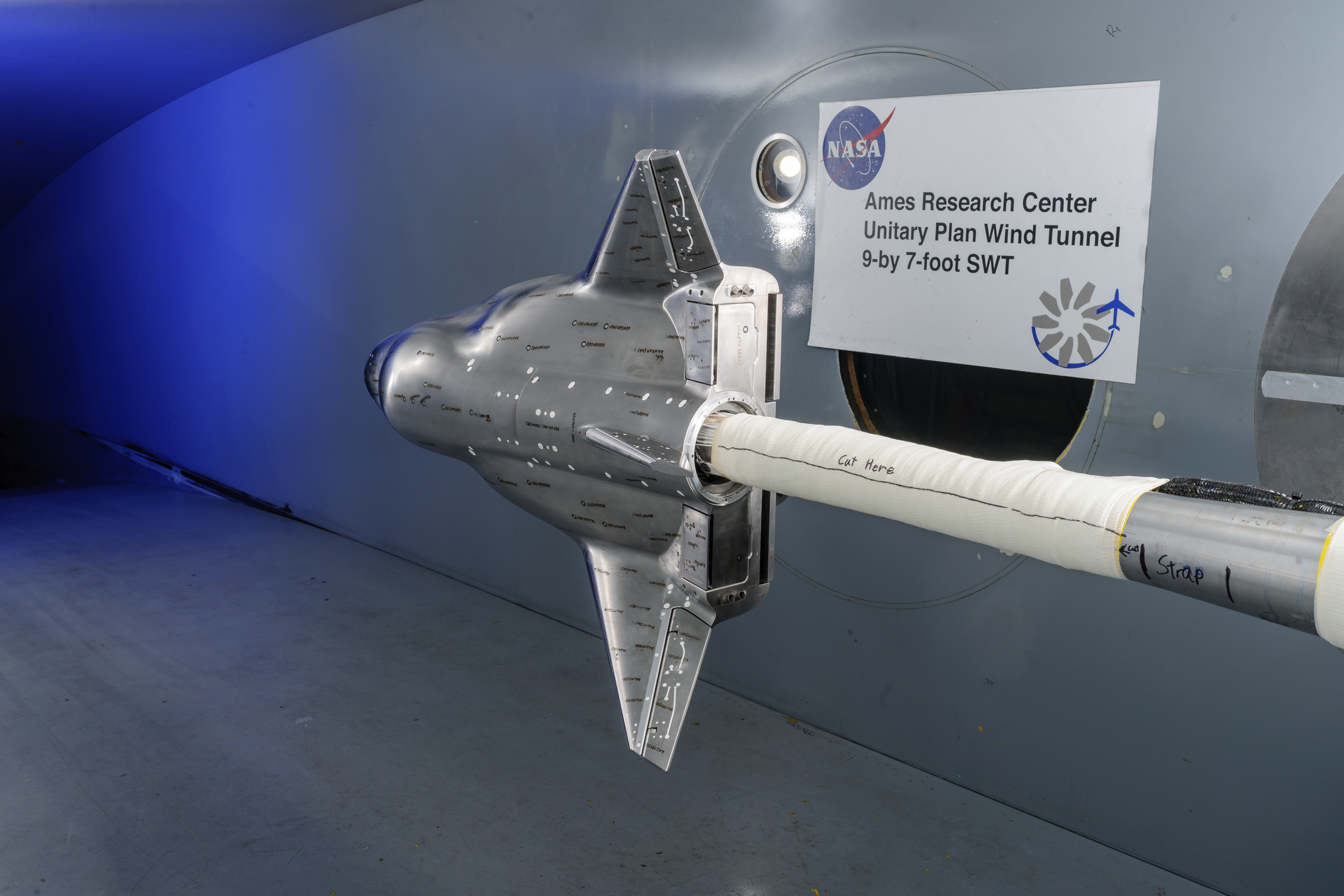
Here are a couple other tests I worked on after Orion at NASA Ames UPWT. SNC Dream Chaser (now Sierra Space), where I went to work as a contractor after working at ULA for some years.
In the 11’ TWT.
A couple in the 9x7 SWT.
A pic of me (green shirt) and crew in the 11’ with the model.

And here’s an article talking about the test on the SNC website. https://www.sncorp.com/news-archive...team-performs-successful-wind-tunnel-testing/
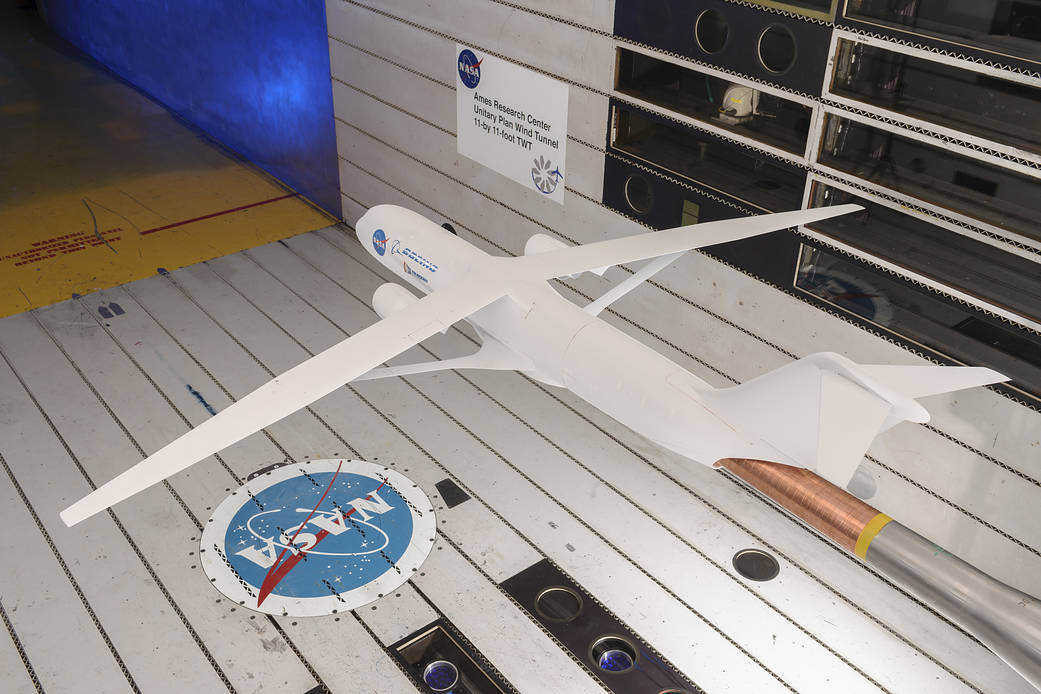
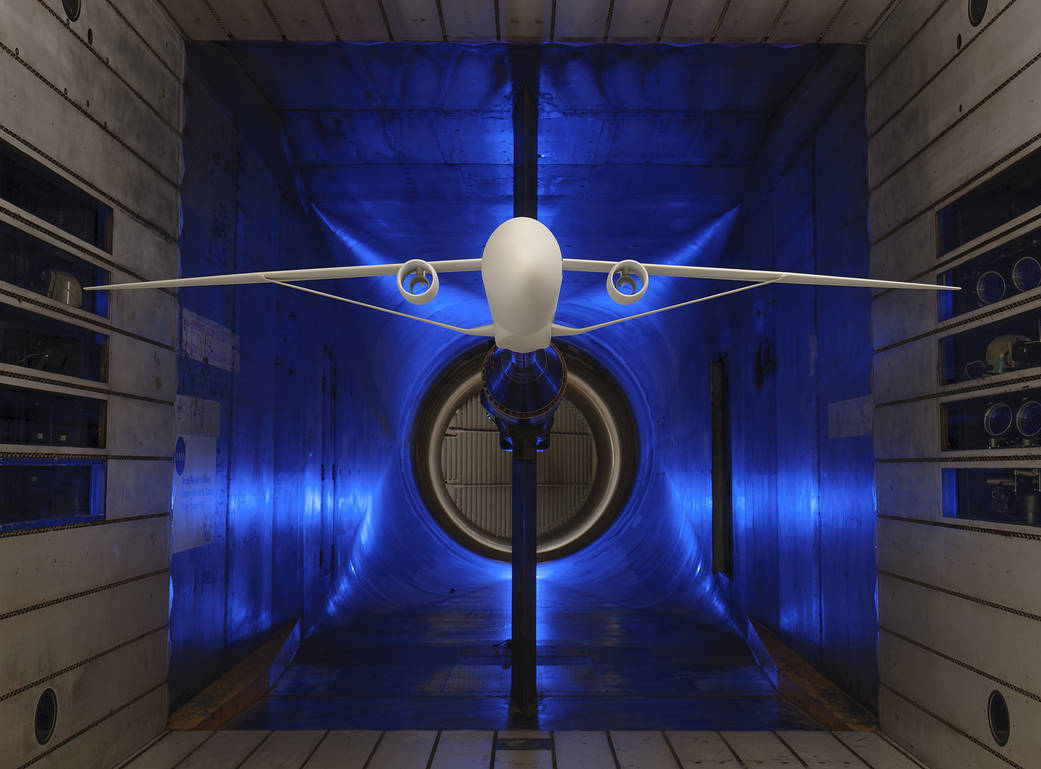
Finally, a few pics of an Ames UPWT test in the 11’ TWT of the Boeing SUGAR project that I helped with for awhile. The model has the newest PSP applied, which is white.
I’ll add more if I find any more interesting ones. These were the easy ones.

First thing to breakThat's a weird looking toilet
That's a weird looking toilet
Dude, seriously, much respect! I joke, but damn that's so cool that you worked on stuff for that mission!

All good Mr. J!Dude, seriously, much respect! I joke, but damn that's so cool that you worked on stuff for that mission!
It was a fun and challenging time.With a poor understanding of torque and radius, I once saw someone try to race their hooptie with 22” chrome wheels at an actual prepped drag strip.Never understood putting like 22" rims with low profile tires on muscle cars. Part of the "muscle" is the meat on the tires. Leave the low profile stuff for sports cars.