Sanmai cracking

Joined
May 13, 2009
Messages
193
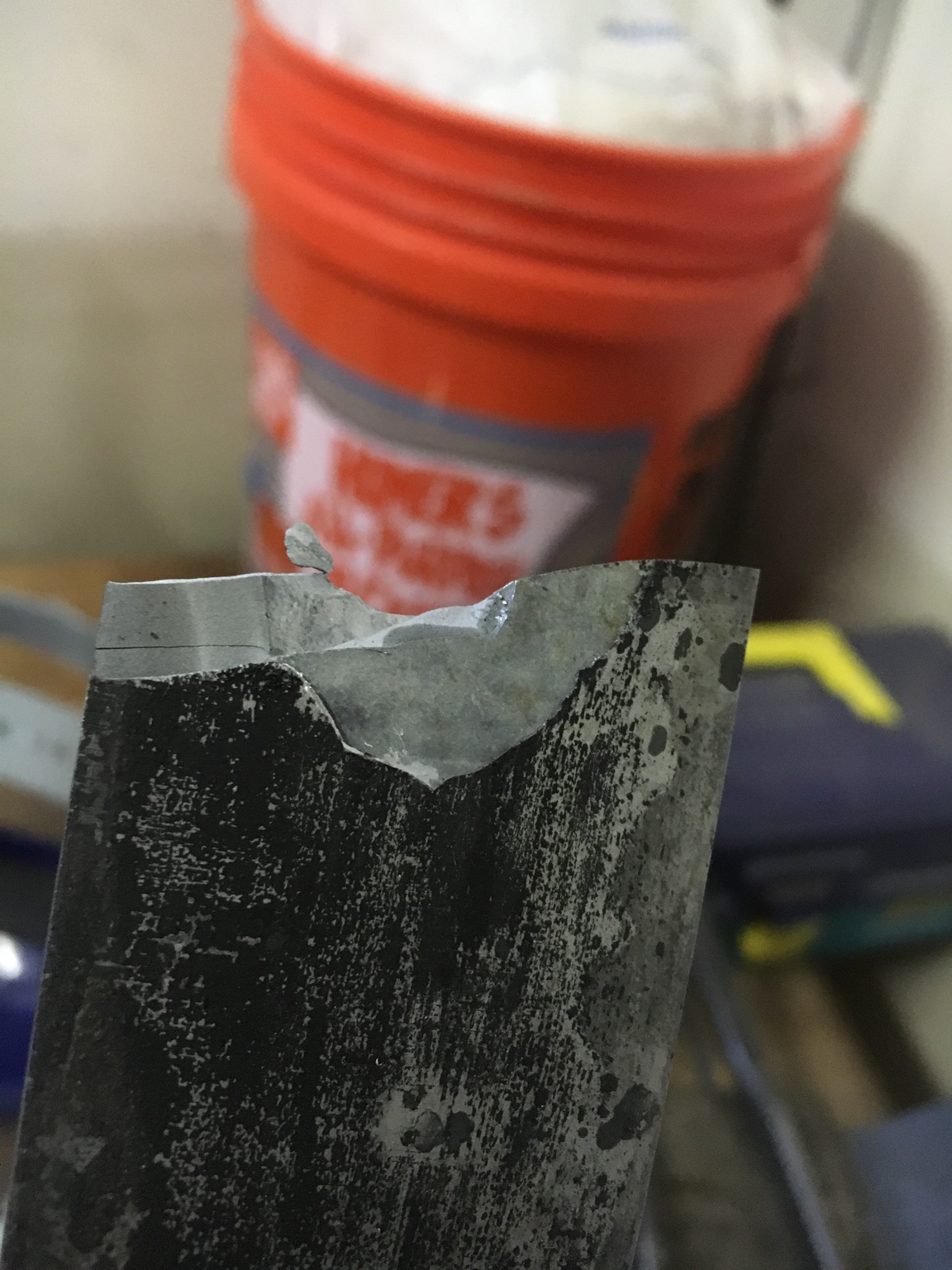
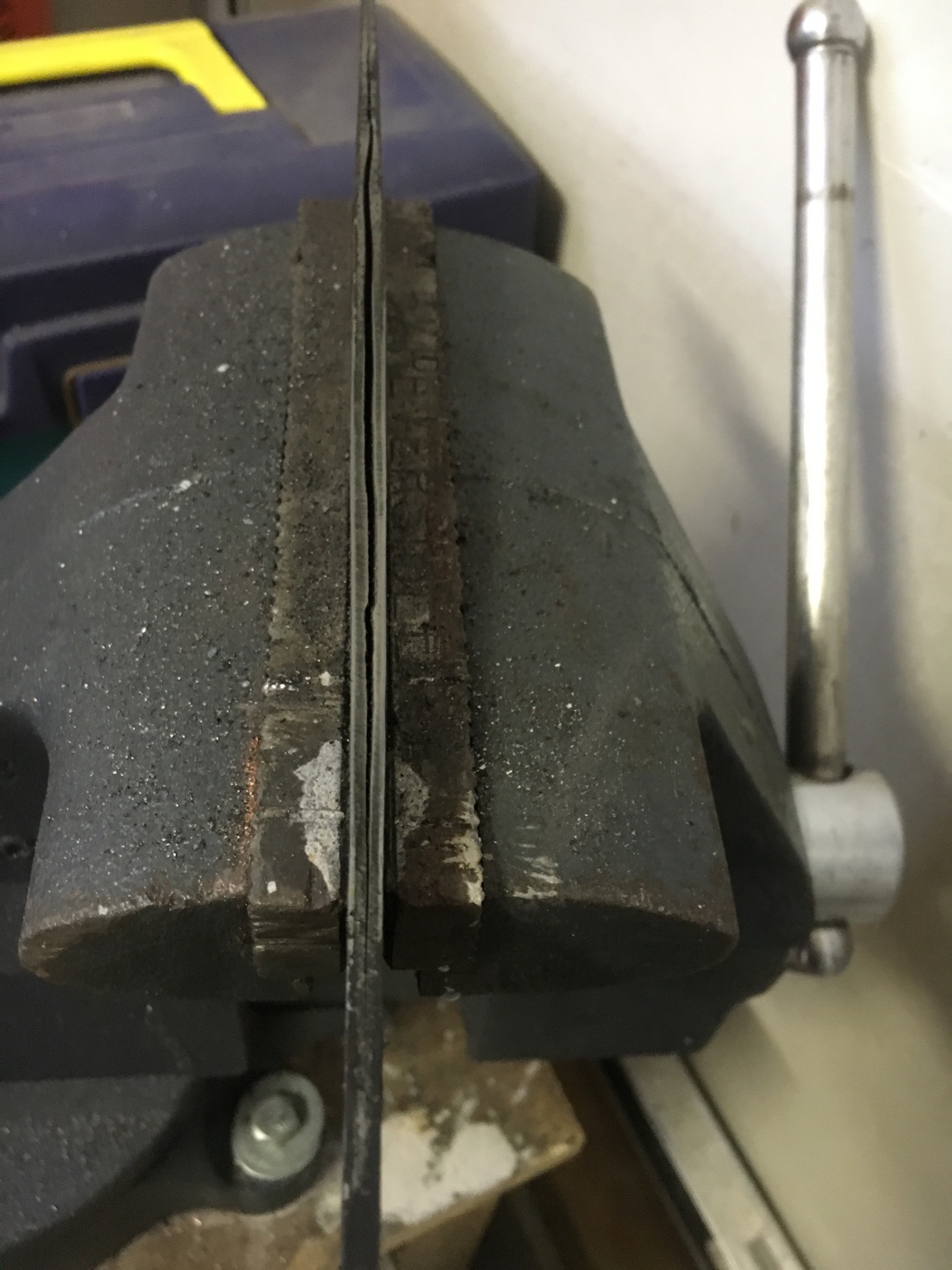
Hey guys I recently made some sanmai 1018/1084 and all of my welds were solid and has no delamination of any sort. I went to heat treat it, thermal cycled 4 times and then quenched in mcmastercarr super quench. The blade passed the file test with flying colors. However upon further inspection there was a crack in the middle of the core steel running the length of the blade...like it just wanted to spilt in 2. What cause this and what am I doing wrong? I know people make low carbon sanmai with a high carbon core all the time. I suspected that I may have over heated it so I took it to the vice and snapped it at the tip, the middle, and at the heel. All of the grain was silky like you would find if you snapped a file so overheating is out of the question. Thanks for the help guys!
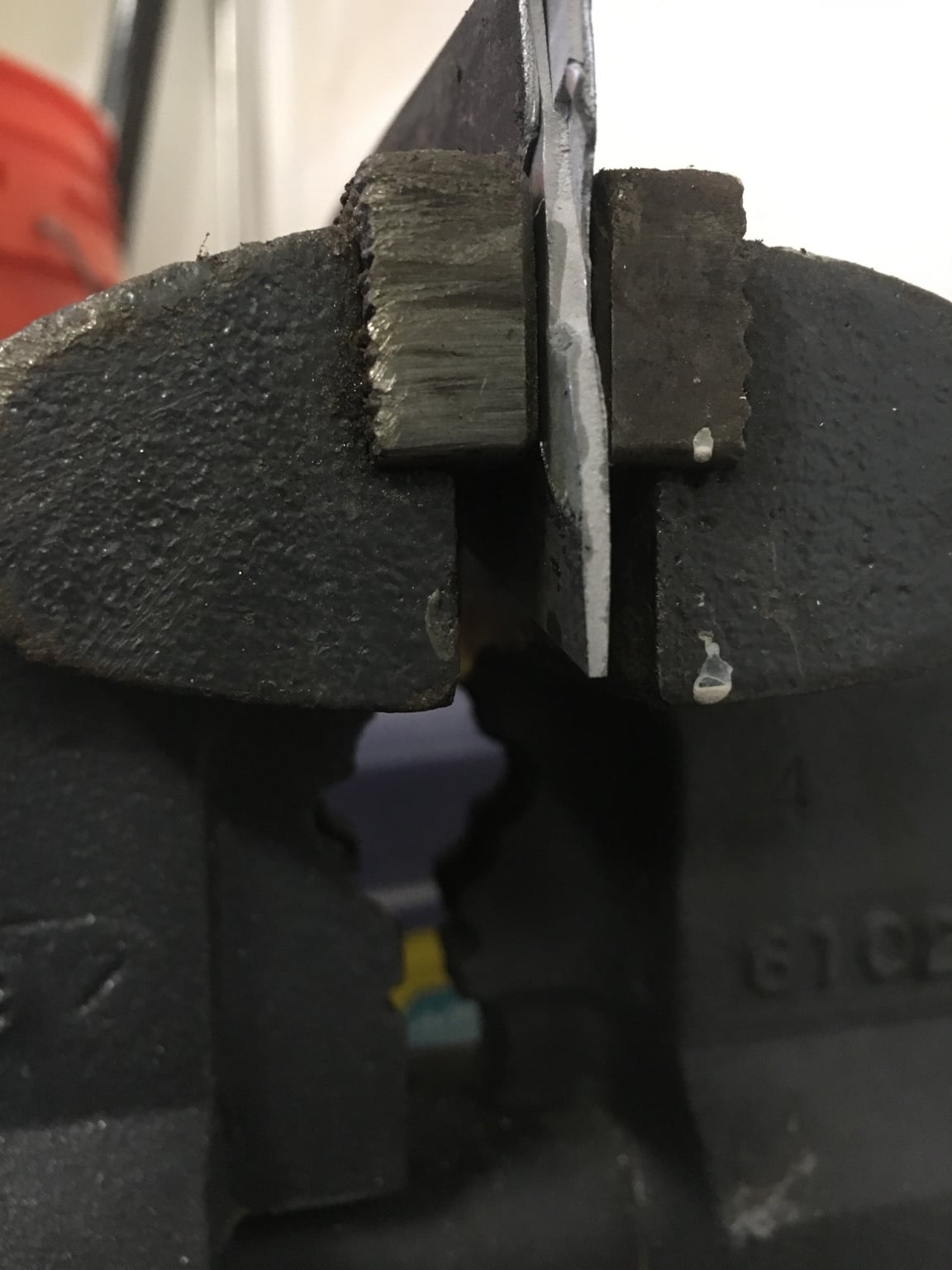
a2b1c31eccfa78c6406467f9d105e208.jpg
0686b2ded08ca4770e63c8a297c9a79a.jpg


Sent from my iPhone using Tapatalk
 
Maybe your quench is too fast. You have two different steels and in the quench they will contract differently. You might try a slower quench. Also, you might have better results if you edge quench.
 
Hmm...I'm using McMaster care super quench which is slower than parks 50. I did preheat the oil like usual. Maybe quenching from room temperature will be better? If I used a slower quench I don't think I would achieve the full hardness of the 1084


Sent from my iPhone using Tapatalk
 
I have done a lot of san mai with stainless and 0-1 steel, wire Damascus and 0-1 steel, wrought iron and 1084. I have used Brownells tough quench and have edge quenched the blades. I have heard of some having problems like you have when they do a full quench. I don't know how fast McMaster car super quench is. It might be OK.
 
I might be wrong but I think the McMaster Carr is just a rebranded version of the brownells. Do you full quench? I heard that tapering the core steel so that it is thinner towards the spine helps to what are your thoughts.


Sent from my iPhone using Tapatalk
 
Hardened steels grow when quenched. As much as 1/8 of an inch. The mild steel cladding does not harden at the same temperature and does not grow after the quench. The Japanese cold forge before quenching to allow the cladding to expand to minimize the strain after quenching.

Tempering causes the core to shrink a little but not enough to over come the amount of growth. It is important to temper right away after quenching.

Recommendation: cold forge before quenching, temper immediately after quenching.

Hoss
 
Last edited:
Here are a couple of pictures of san-mai knives I have done with stainless steel and o-1 steel. I edge quenched these blades.
 

Attachments

  • IMG_1675 (Small).JPG
    IMG_1675 (Small).JPG
    31.3 KB · Views: 28
  • IMG_1706 (Small).JPG
    IMG_1706 (Small).JPG
    33.7 KB · Views: 25
Wouldn't the heating before quenching undo everything that cold forging had done?


Sent from my iPhone using Tapatalk

The Japanese do thousands of blades like this, all without splitting. You tell me.

Hoss
 
I have had san-mai split like that when I didn't normalize the blade fully before HT. also, too high an austenitization may cause problems. With a normalization and using lower HT temps the blades survive fine.
 
Thanks a lot for the help guys. I really appreciate it and will take all advice into consideration until I get it right [emoji2]


Sent from my iPhone using Tapatalk
 
I just heat treated another blade and it came out fine this time. I coated the spine with clay and used room temperature oil. Thanks for the help!


Sent from my iPhone using Tapatalk
 
Back
Top