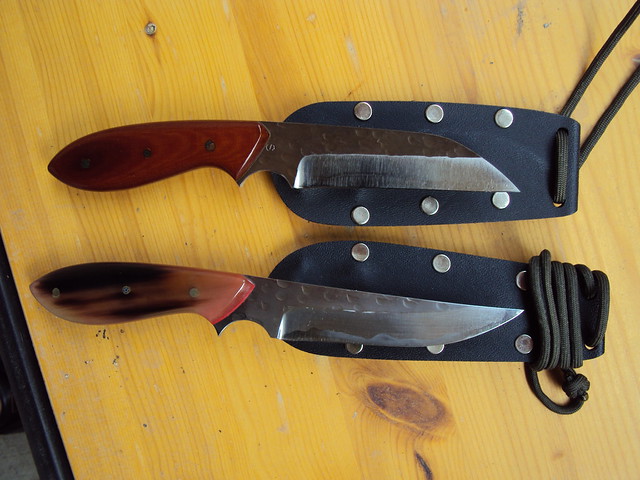
Yeah, it is fairly low, containing carbon, chromium, manganese and molybdenum. I guess stropping technically is sharpening... but I distinguish between sharpening and polishing depending on the grit level I'm working with and scratch pattern I'm trying to refine. At 1 micron I consider it more polishing. If I'm using 6 micron Diapaste, I suppose I'd say I'm sharpening. It is what it is, though, regardless of what I call it

. And I, too, generally can keep my blades away from "sharpening" for weeks, even months, if I maintain regular stropping using good form.
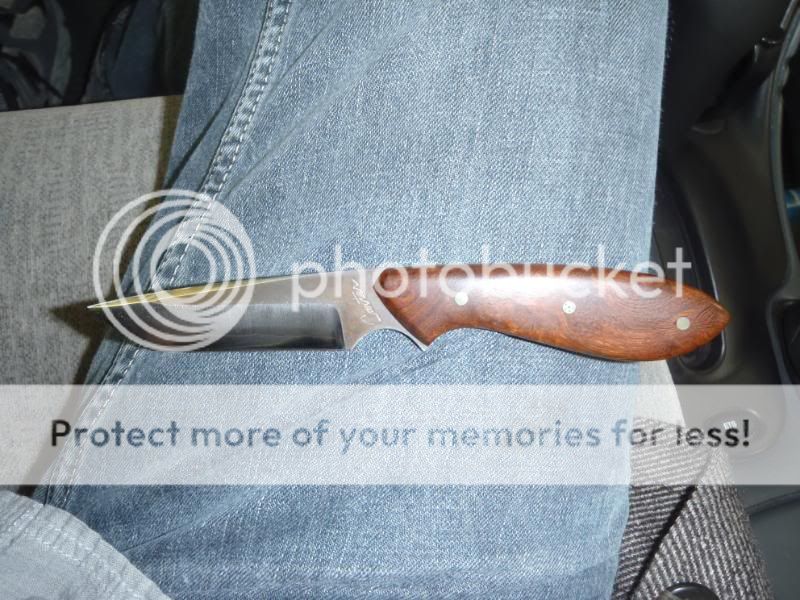
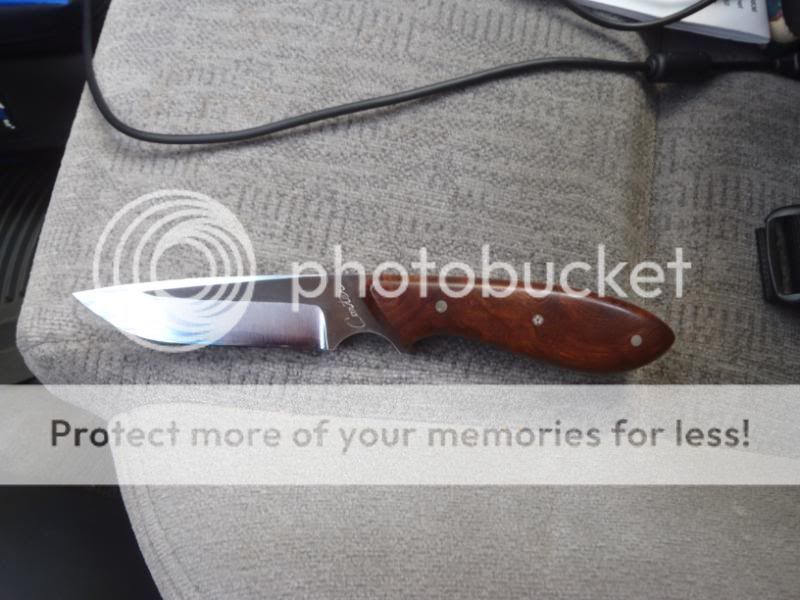
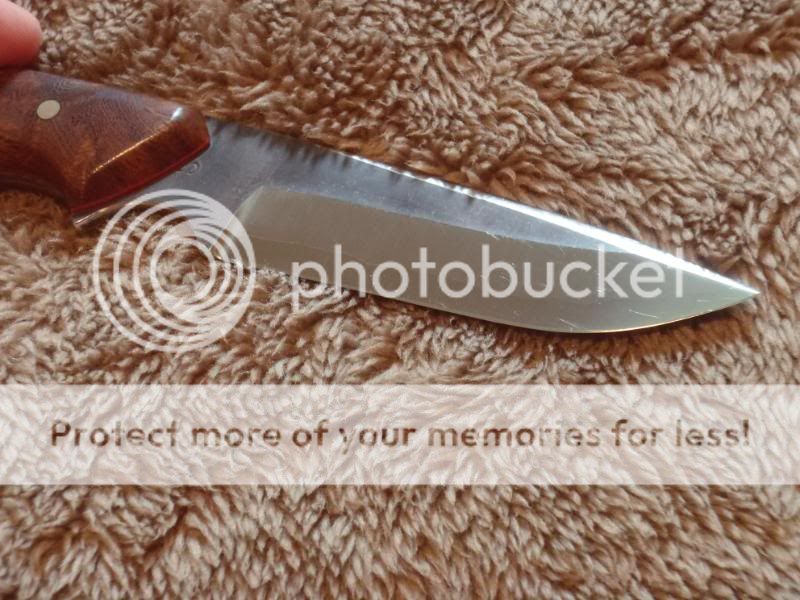
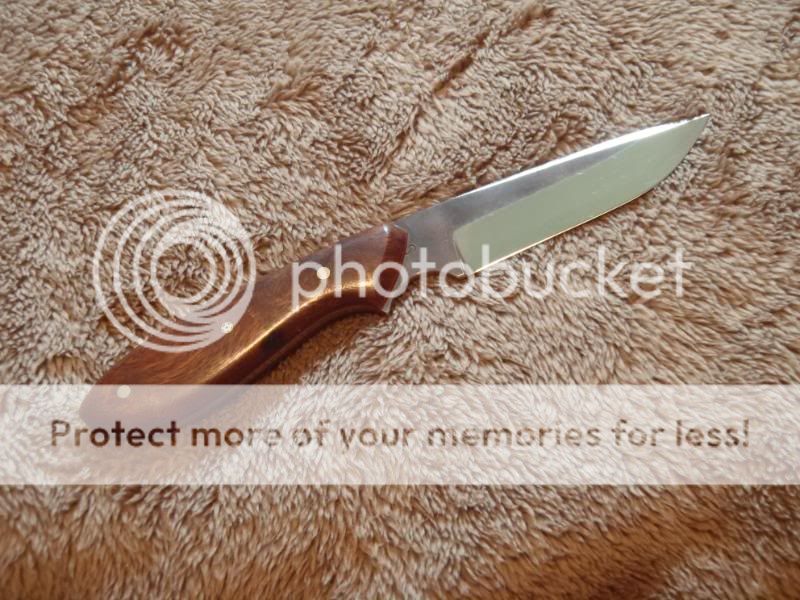
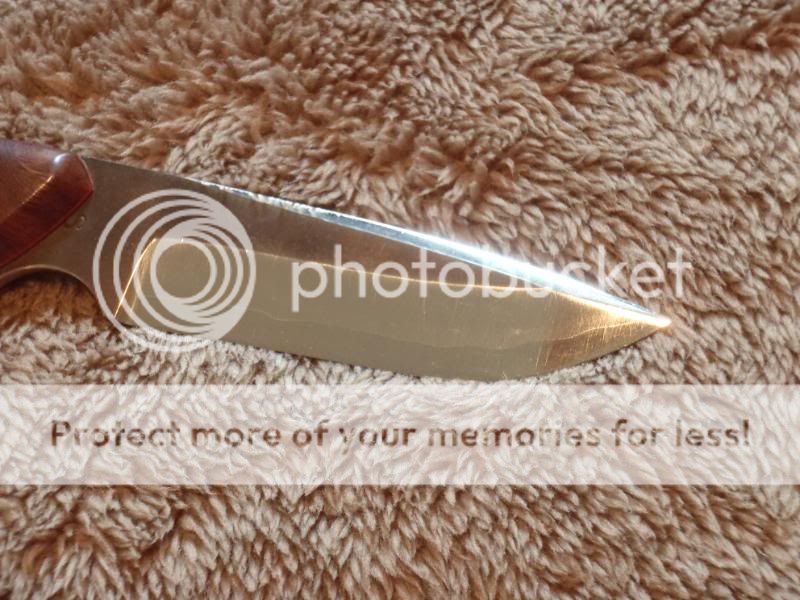
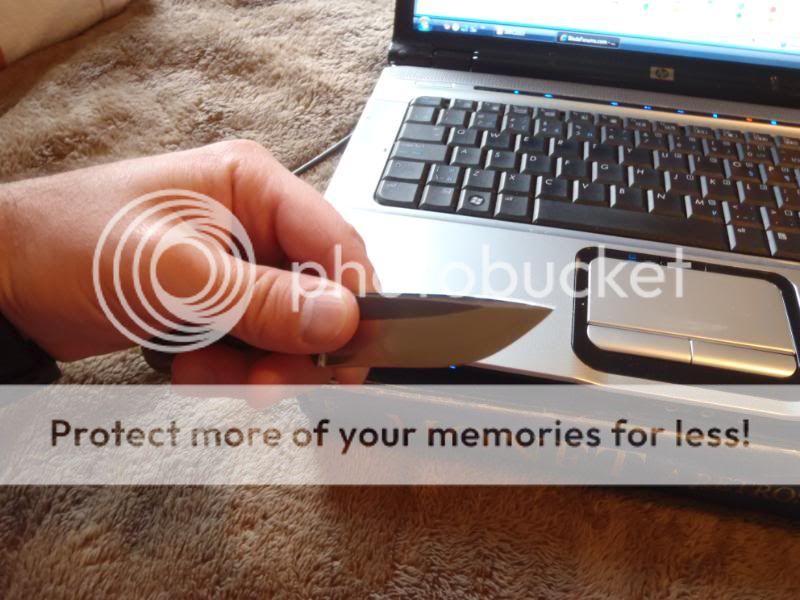
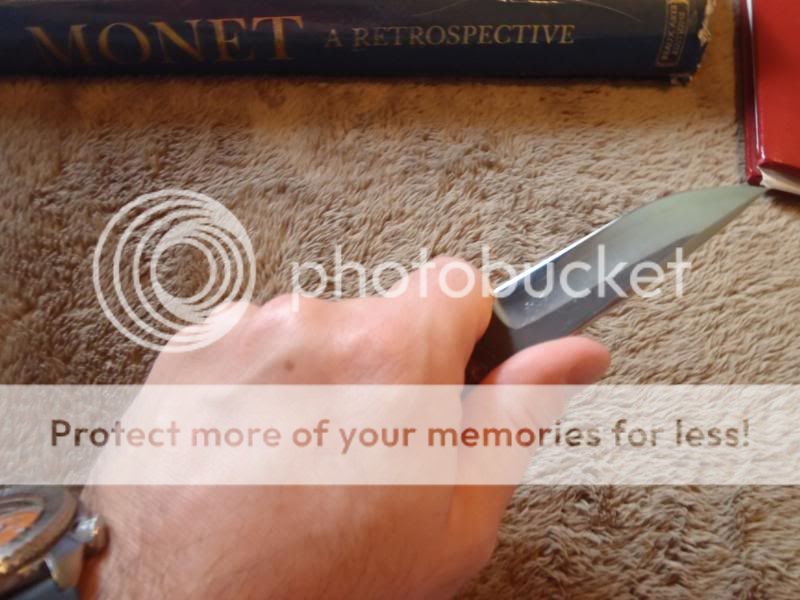
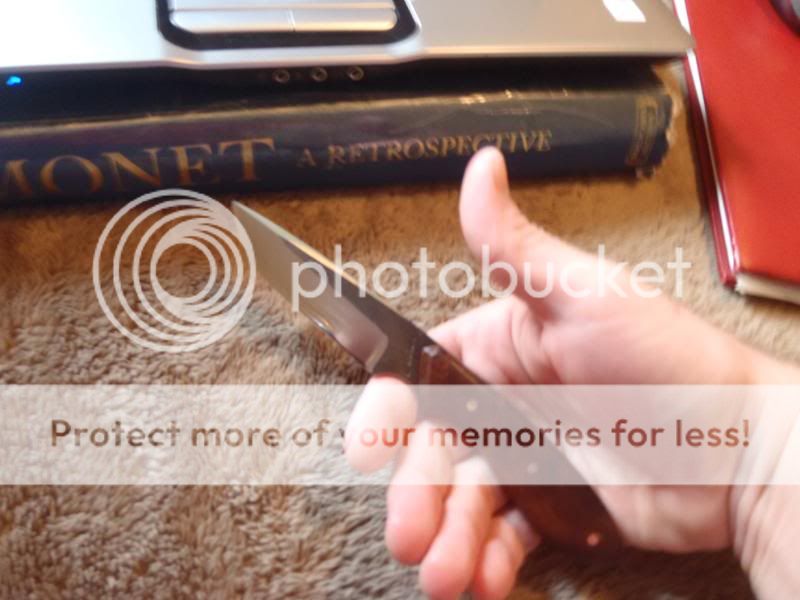
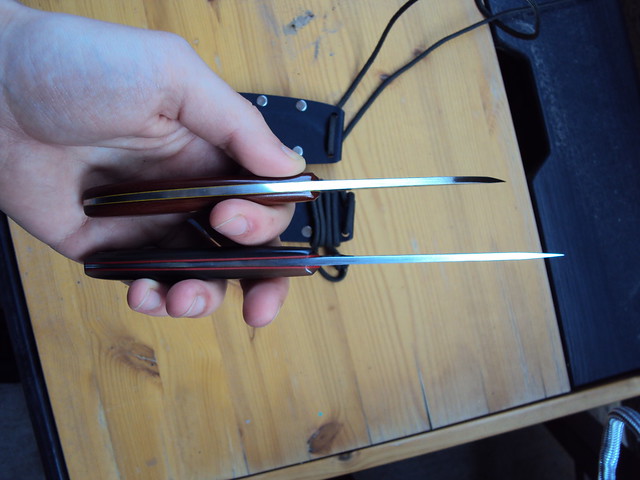
Regarding primary and secondary edge/bevel terminology, well, that also is another contentious subject. Depending on what and where you read it, or who you talk to, they mean different things. I use primary bevel to mean the blade's main grind that determines its overall shape or type--hollow, high flat, scandi, etc. Secondary bevel, to me, means the terminating edge that makes direct contact with whatever it's cutting. How the secondary bevel/edge performs is largely related to what kind of primary bevel is behind it and how thin (or not thin) it is. What I meant was that because the Carter has a very thin primary bevel, the blade will continue to cut fairly well even after the secondary edge is dulled. I suppose that it wouldn't technically be "cutting" at that point, more like bulldozing through material (another debate for another thread

), but it will do it more efficiently than a knife with a thicker primary bevel. Hope that helped.