Unofficial Tree Identification Guide

k_estela

Co-Moderator, Wilderness and Survival Skills Forum
Moderator
Joined
Feb 23, 2001
Messages
2,101
I notice a lot of people cutting wood that isn't appropriate for their applications. Using resinous woods for cooking that leave black soot on their pots or attempting to create fireboards out of hardwoods. This thread should help put an end to incorrect tree identification. Here are the general guidelines.

Post a picture of a tree and the season it was taken in. Explain a use of the tree and how it can be identified. Pictures of bark or leaves are preferred. Repeat entries are fine as trees grow differently in varying regions and may look slightly different.

Lets get started!

Sugar Maple
Picture taken in February 2009
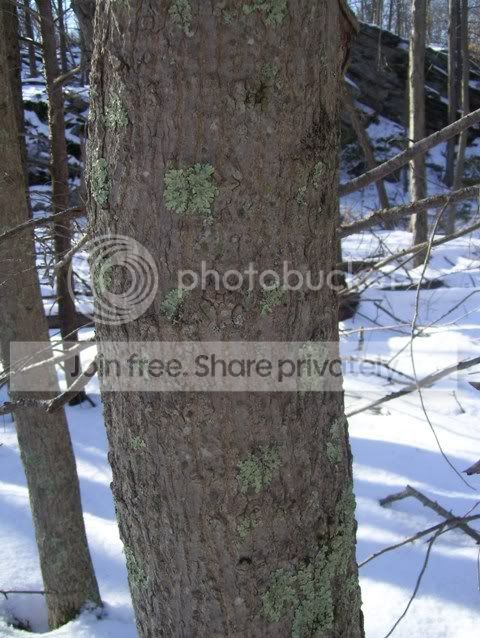
100_2432.jpg

Excellent firewood as it burns very hot. This type of maple is the main source of sap for maple syrup.

Eastern Hemlock
Picture taken in February 2009
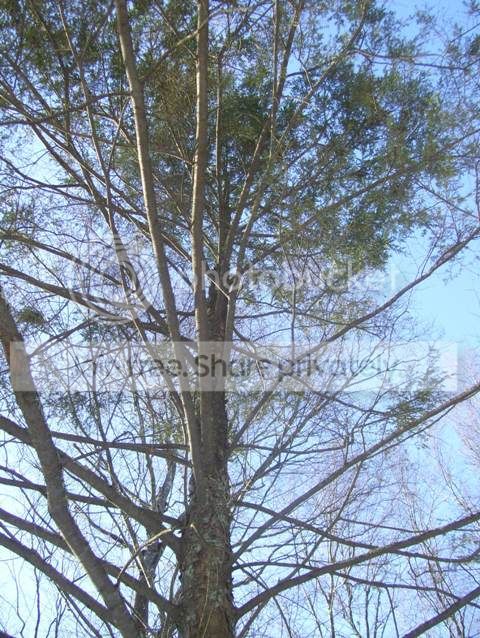
100_2441.jpg

Needles are an excellent source of Vitamin C. Twigs found on lower lying branches can be used as a twig bundle for lighting fires. "If it doesn't snap, throw it back" is an expression to use but it is rarely needed with this tree. Usually most twigs will be dry enough to ignite easily.
 
Hemlocks are now dying in significant numbers due to insects, the wooly adelgid. That may become a serious fire hazard in some areas.
 
This is a great thread. I hope to see many more pictures posted here. Identifying trees and vegetation is something I really need to learn a lot more about.
 
Sassafras!

SassafrasShoot.jpg

CommonSassafras.gif


Three different leaves. Roots make an excellent tea. Grind up the leaves and it smells like root beer. Supposedly makes a good bow as well.
Only tree I know with three different leaves.

Wikki what what
http://en.wikipedia.org/wiki/Sassafras
 
Hickory-

Makes the fastest cookin fire you ever did see! When the coals drop, they look like dominos

Oak- another awesome wood, but it burns slower


Dry wood burns really hot. If the wood feels light for it's size, don't count on much heat. Old wood that is partially rotten also is poor. h
 
I love trees! Dendrology is my hobby. Here are few helpful links for you guys...

Good overall site...
http://plants.usda.gov/

Great site to help you ID as it is a KEY...
http://www.cnr.vt.edu/DENDRO/DENDROLOGY/idit.htm

Trees of south including self quizzes...
https://fp.auburn.edu/sfws/samuelson/dendrology/

Practical Plants of New England...
http://www.bio.brandeis.edu/fieldbio/Survival/Pages/home.html

Flower key for the south...
http://www.alabamaplants.com/

Ethnobotany site...
http://herb.umd.umich.edu/

--------------------------

My tree tip of the day is Eastern White Pine (Pinus strobus)...
http://www.cnr.vt.edu/DENDRO/DENDROLOGY/syllabus/factsheet.cfm?ID=111
- tea from the inner bark can be used as an antiseptic wash. it is also a good expectorant for a chest cold.
- tea contains vitamins C & A, iron and more.
- white pine is an excellent kindling. its lower branches are the first place I go for getting a fire started in wet weather. It is also a low resinous pine capable of friction fire.
 
Sweet links bear! thanks !!!!!!!!!! Keep us informed! God knows I need it!

hey take a look at that bamboo in the machete thread I just posted, is that japanese bamboo? the leaflets were at the top of the plants, and they just seemed too tall/ straight for chinese. *though any tree would be straight in that overly crowded spot. Any input would be appreciated!
 
Here are a couple of trees I find very useful.

tree005.jpg


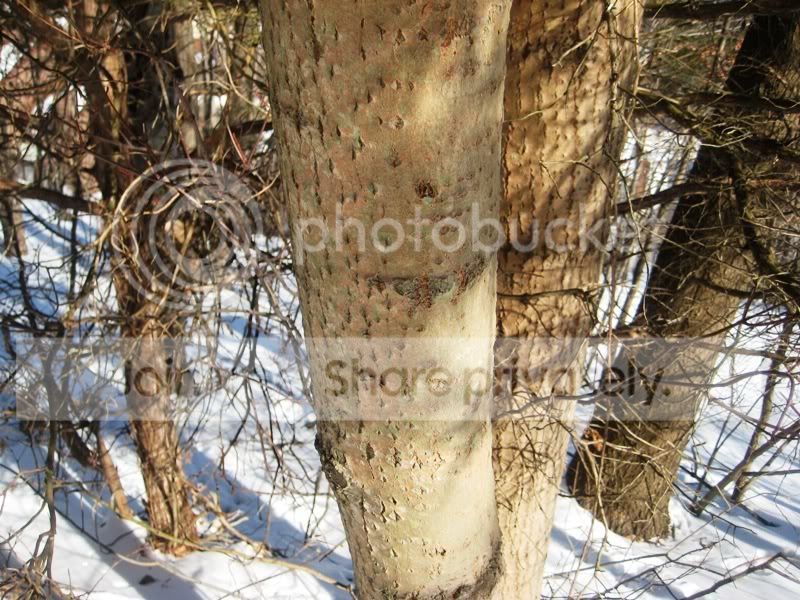
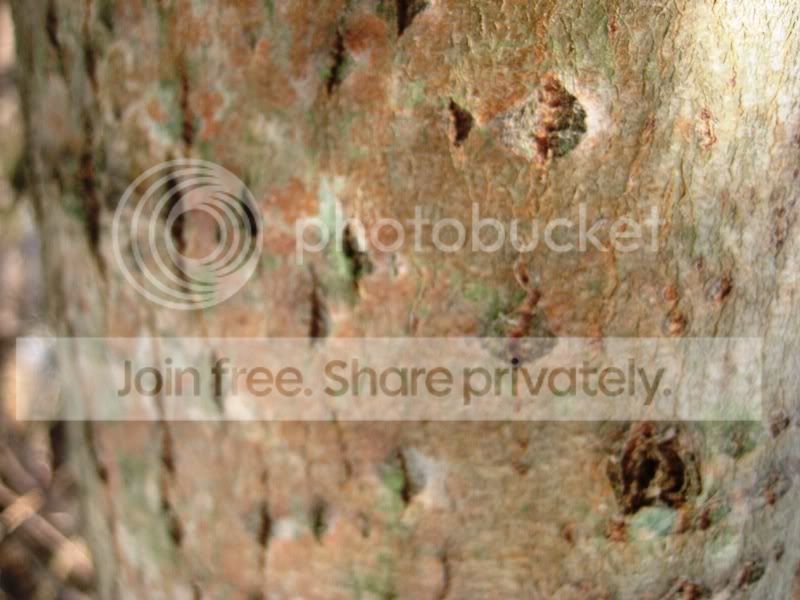
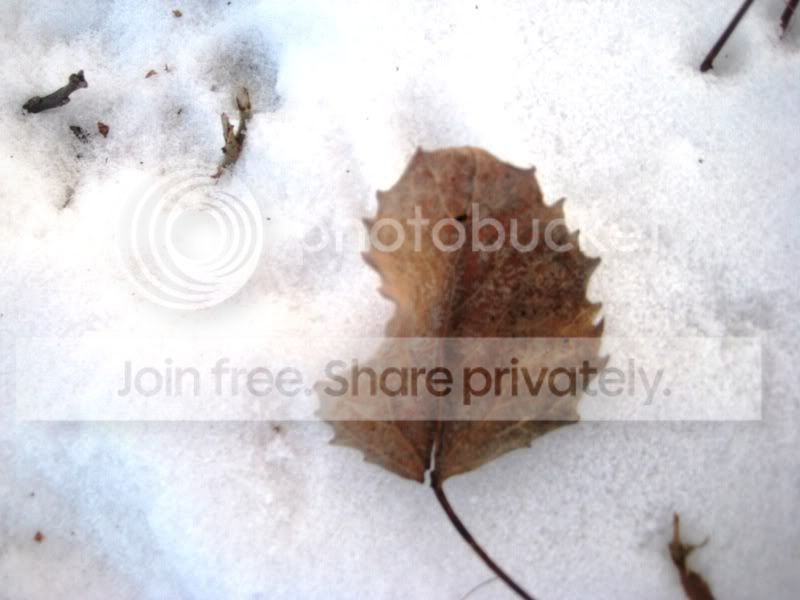
Basswood (Tilia americana)

It is a great carving wood, good also for your hearth board and spindle for bow drill fire.
The inner bark is commonly used for cordage.

tree010.jpg


tree014.jpg


Sorry this is the only decent leaf I could dig out of the snow. If you google Basswood you can find some better pics.

tree011.jpg


tree012.jpg


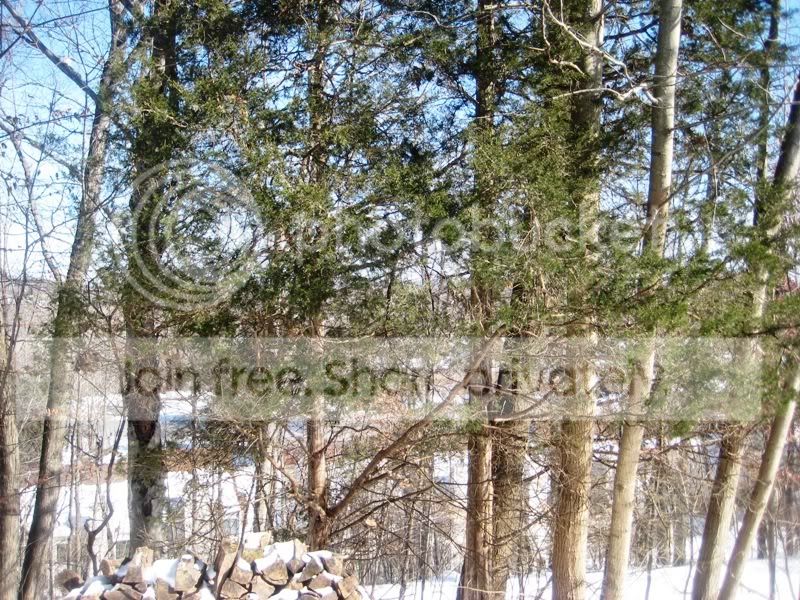
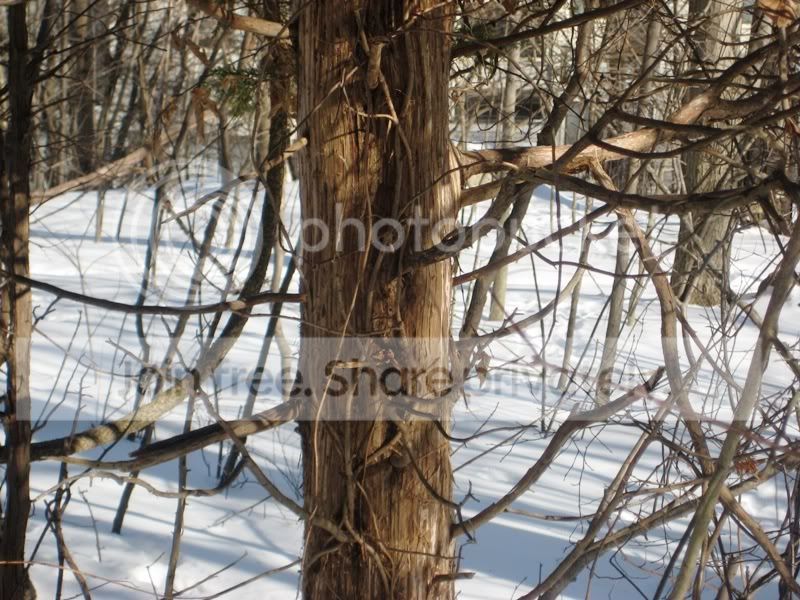
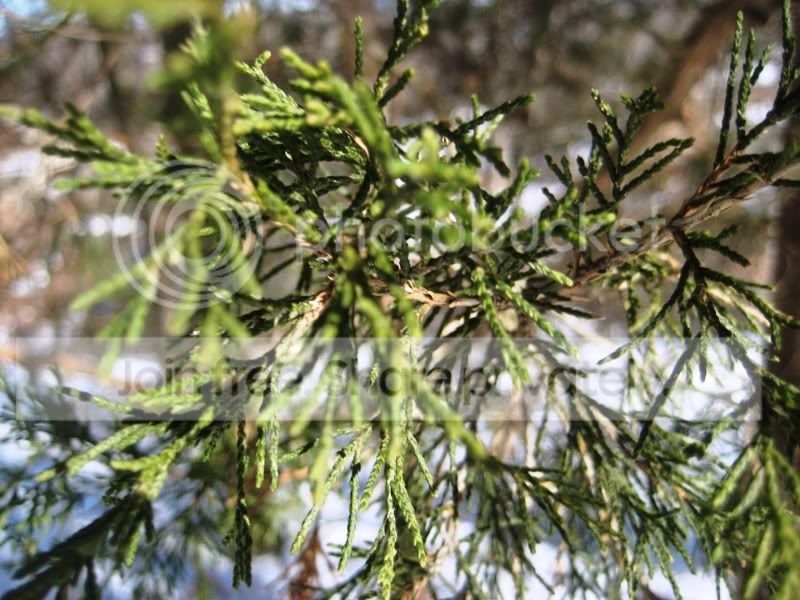
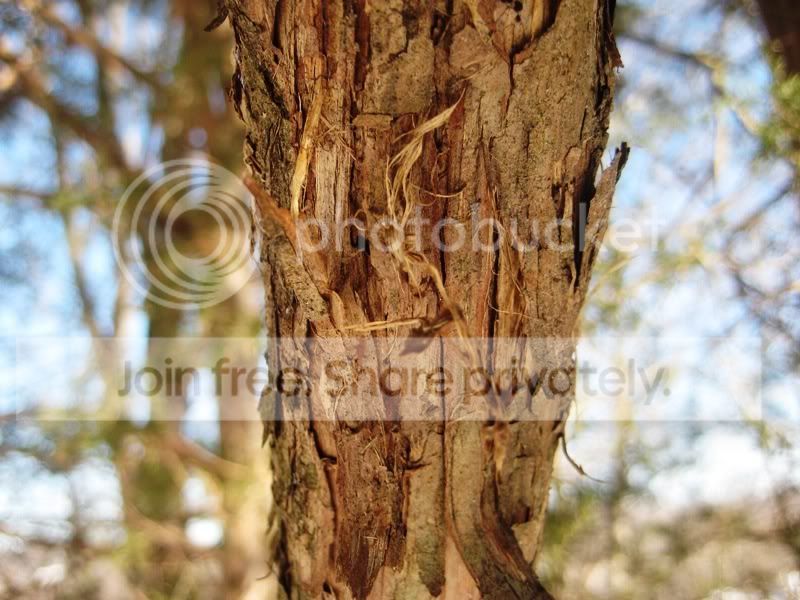
Eastern Red Cedar (Juniperus virginiana Sarg.)

Actually a not a true cedar, but a member of the Juniper family. Either way it is a great tree for tinder and the camp fire. Scrape the bark or just peel the fibers off for a nice dry fluffy tinder that will take a spark from a fire steel with ease.
Just like any evergreen the dead twigs and small branches at the bottom of the tree are great kindling. I like it for a camp fire because it has a great smell when burnt!
I may be missing something, but thats all I have on this tree.

tree008.jpg


tree006.jpg


tree013.jpg
 
How come there's no 'wiping a tear away' smilie?

Damn, I'm proud, GS! :thumbup::D

GP

What:confused: Just praise.... no sarcastic "you forgot this" or "why didn't you this" comment:eek:

:o:):) I'm gonna set your post as my screen saver! no I am gonna print and frame it!!!!:):):)
 
I made an identification book for school in fifth grade. Found it the other day, surprised to see that most of the leaves are still there. The pine needles dried up and fell out.
 
Here is some info on firewood quality. Unfortunately I have had this for sometime and don't know who to credit. I posted it as pics as they aren't fomatting very nice, but I have it in pdf if someone has a place to post it or knows where I can do so myself.


See PDF posted by Andrew...
 
Last edited:
Sassafras!

Only tree I know with three different leaves.

How 'bout this one? ;)
mulberry.jpg

Mulberry ( morus sp.)

Edited to add: Shame on me for not listing some uses. :foot: I've eaten the fruit. Tastes OK, but I hate the texture. I've had commercially prepeard tea made from the leaves, but haven't bothered with it in the woods myself. I'm not sure why. Both the fruit and leaves are supposed to have medicinal properties, but I don't remember specifically what they are. The wood is supposed to be good for most of the uses that many fruitwoods are good for. I hear you can make a decent bow with it- it is light and resilient. I think it would be fair to describe it as somewhere between soft poplar and osage orange (bois de arc) in appearance and performance. I haven't really used it much, simply because I've been fortunate enough to be around plentful sources of other, more suitable and familiar wood for my bushcrafty needs.
 
Last edited:
Ok, here is another one. Paw paw (Asimina spp.) is a small tree (or usually a shrub) with an edible fruit. I like to use the leaves as a natural insect repellent. Simply crush the leaves and rub on your skin. I also line the ground with some of the leaves if I am sleeping in the open in warmer months.

Pics/ID on the two most common species found here...
http://plants.usda.gov/java/profile?symbol=ASTR
http://www.cnr.vt.edu/DENDRO/DENDROLOGY/syllabus/factsheet.cfm?ID=155
http://plants.usda.gov/java/profile?symbol=ASPA18
http://www.cnr.vt.edu/DENDRO/DENDROLOGY/syllabus/factsheet.cfm?ID=339
 
Machete....is that Mullberry?? edit: oh I guess so I just looked under the pic LOL
I dig sasafrass tea..supposedly Native americans used it to cleanse the body from the ill effects of daily smoke inhalation that they dealt with in everyday bush life...
 
Last edited:
I dig sasafrass tea..supposedly Native americans used it to cleanse the body from the ill effects of daily smoke inhalation that they dealt with in everyday bush life...

I am with ya there. I almost always chew a twig when I'm hiking, and I make tea whenever I can. Have you tried "Sassumac"? Steep a ripe sumac berry head, rolled lightly in between your hands, with your sassafrass tea. It is amazingly tasty and very refreshing. :thumbup:
 
man,my old man went to forestry school at wanakeena which is on cranberry lake in the northern adirondak mtns. and that old bird can identify any damn type of tree there is.

me on the other hand can tell if its a "hardwood" or what i call "Christmas trees"..lol.i'm horrible at tree and plant identification but plan on looking into it and studying up on it all a lot more.i need too.its too important.
 
Back
Top