Water

Joined
Jun 25, 2008
Messages
1,484
Its' only been in the last 6 months that my region has received the first decent rain in over 5 years (for those who aren't aware, large areas of Australia has been experiencing a prolonged drought).

Considering the weight of water (1 Kg per litre), IMO being able to find water in the bush rather than carrying it is, a very important survival skill for those who venture into genuine wilderness areas.


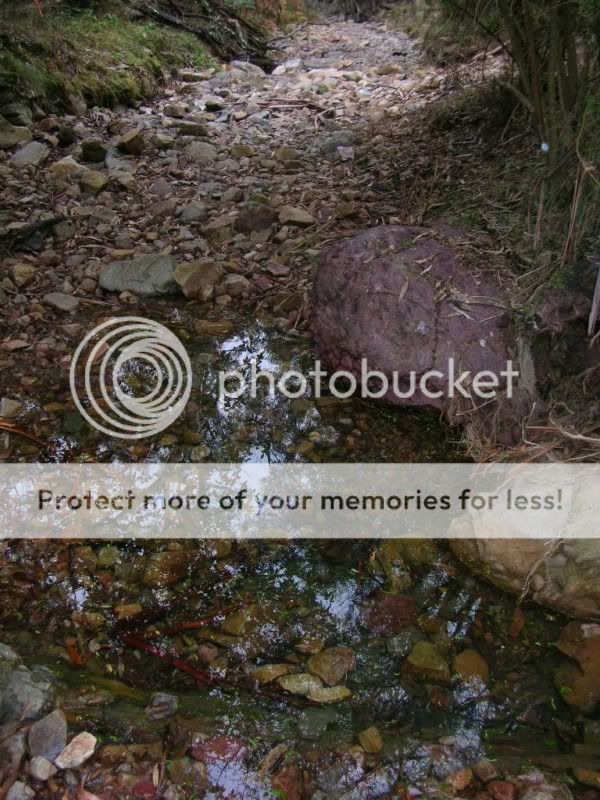
Here's a pic of a "permanent stream" that was to provide my friend and I with drinking water during a 1 week bush camping trip during the height of the drought.

Drypermanentcreek.jpg
.


Some of the signs I keep an eye out for when looking for water include:

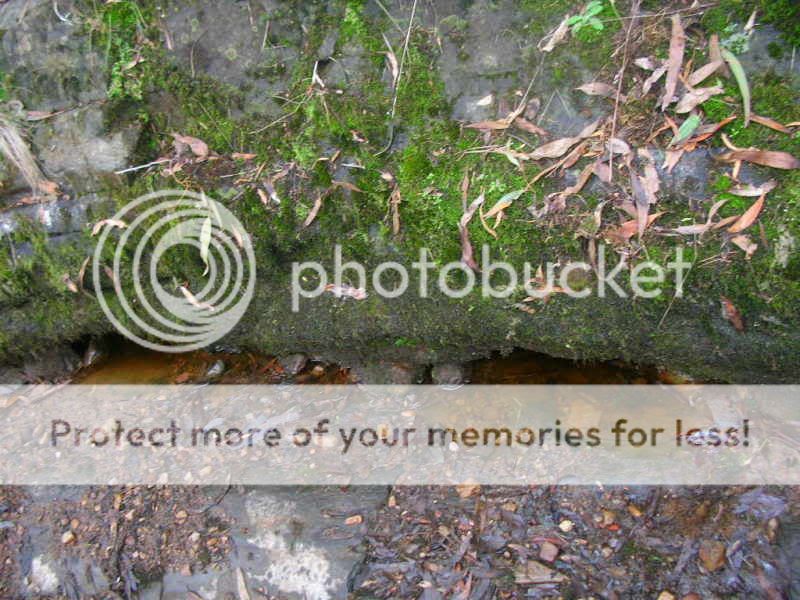
a sheer rock face as water will often collect at the base of it:
Filteringwater.jpg

Rockfacecairn.jpg


and having a container to put it in comes in handy (in this instance a recycled 5 litre wine cask bladder.
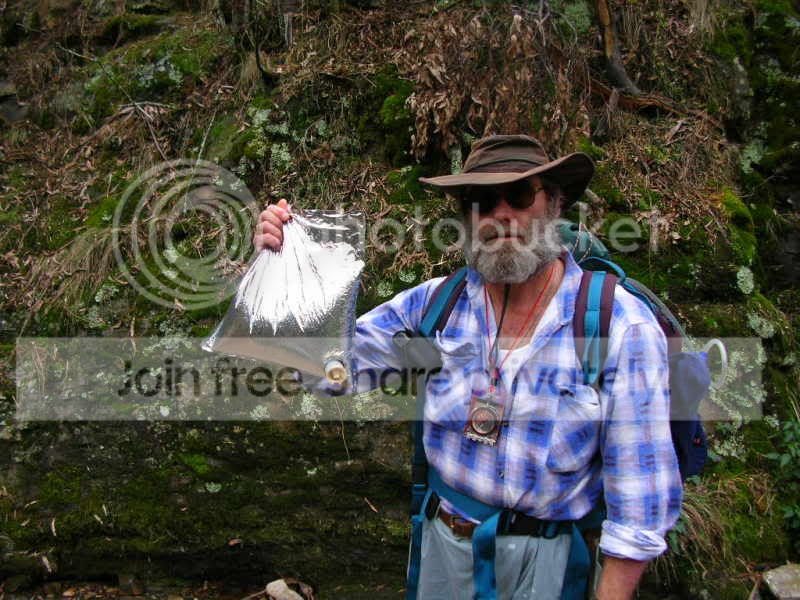
Drinkingwater.jpg


Local animals (especially herbivores) will invariably know where water is found. In this instanbce following a game trail (goats and pigs) led us to a mountain spring in an otherwise dry stream bed.
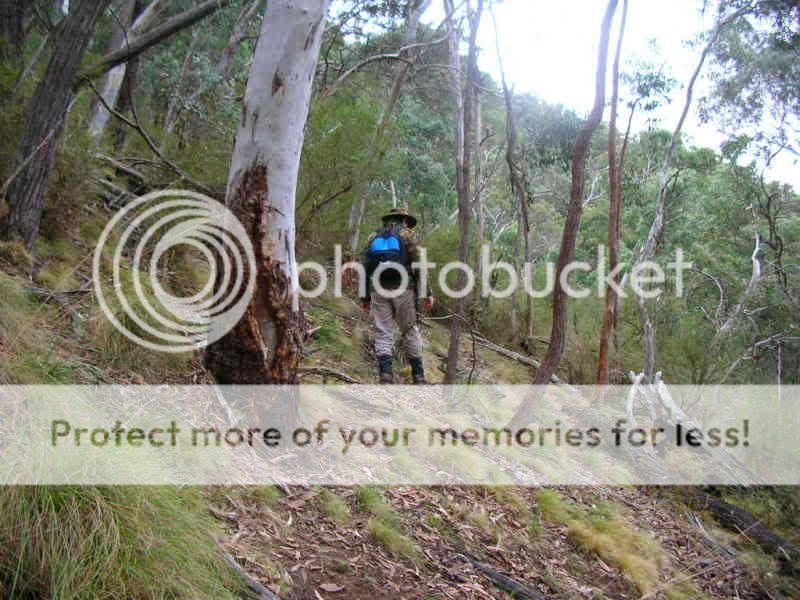
Followingagametrail.jpg

Mountainspring.jpg


Within 100 meters of the spring we cam across a honey bee hive (another good indicator of water).
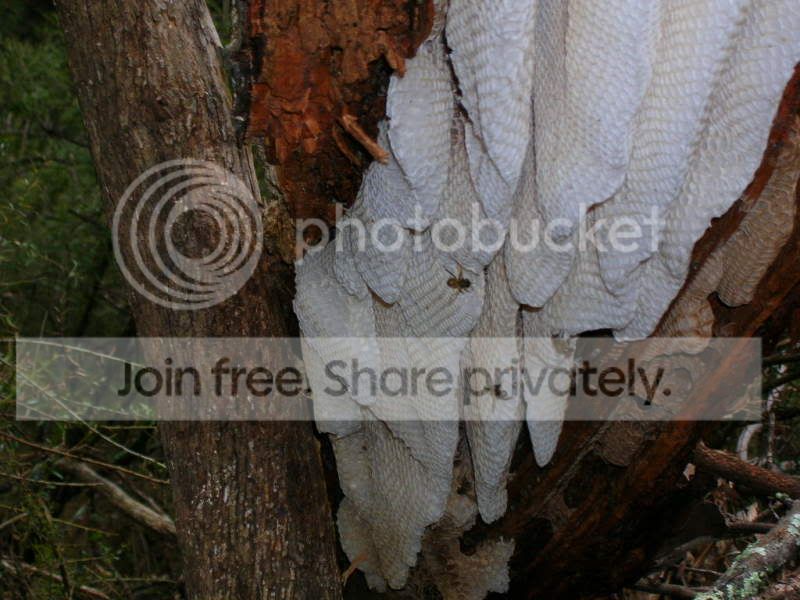
Beehive.jpg


Feel free to share any indicators you use for finding water during dry times :thumbup:


Kind regards
Mick
 
Very cool thread.

While we don't get drought that lasts five years we will go six months or more with no rain in central Brazil. The larger streams in the valleys will continue to run but smaller feeder streams turn into winding series of little pools like the ones in your photos.

In my area when it is dry it is also cool and the early morning will produce copious amounts of dew. That same dew collects in pitcher shaped plants in the mountains. This water is the only reliable source you will find without hiking down into a valley or cutting your way to the bottom of a ravine.

Large rocks will also trap rainwater in deep cracks. Since they never freeze and crack these rocks tend to hold alot of water.

My main tool for harvesting this water is a 60 ml syringe.

60mlsyringecloseoj9.jpg

Harvesting water in the mountains.

60mlrockwatergs8.jpg

Harvesting water from a boulder. Often ants walking in and out of a crack or hole will alert you to the presence of water. Shove a dry grass stalk down the hole to see if it comes back wet.

Mac
 
Very cool thread.

While we don't get drought that lasts five years we will go six months or more with no rain in central Brazil. The larger streams in the valleys will continue to run but smaller feeder streams turn into winding series of little pools like the ones in your photos.

In my area when it is dry it is also cool and the early morning will produce copious amounts of dew. That same dew collects in pitcher shaped plants in the mountains. This water is the only reliable source you will find without hiking down into a valley or cutting your way to the bottom of a ravine.

Large rocks will also trap rainwater in deep cracks. Since they never freeze and crack these rocks tend to hold alot of water.

My main tool for harvesting this water is a 60 ml syringe.

60mlsyringecloseoj9.jpg

Harvesting water in the mountains.

60mlrockwatergs8.jpg

Harvesting water from a boulder. Often ants walking in and out of a crack or hole will alert you to the presence of water. Shove a dry grass stalk down the hole to see if it comes back wet.

Mac

Nice Pict, have not seen that, great idea!
 
Thanks SouthernCross...excellent post and great pictures; Australia is such a beautiful place! Also, that's a great idea pict! I've used a small tube (old Camelback bladder tube) to get water from hard to reach crevices, but I'm also leery about drinking directly from the source. The syringe idea is superb and one I'm going to try out. It gets the water out and gives you the ability to collect and then sterilize/purify before drinking. From the Guinness commercials, all I can say is: "Brilliant"!

ROCK6
 
Mick and Pict, thanks for sharing your tips and pics...very useful information IMO and always fun to see your photos.
 
Pict that is an excellent idea. I have tubing in one of my packs but like ROCk said, the syringe tip is a good one. And as far as the recycled wine bag-good way to reuse something that would just sit in a landfill somewhere!
 
I am blessed where I live that water is not that much of an issue as the topography indicates watersheds easily.

While I am not from the SW U.S., the indicators I have learned and used are:
- smell
- Cottonwood Trees
- Willow
- high bedrock in drainages
- bees (especially good)
- cattle
- song birds or grain eaters
- bends in drains (dry steams)
- bases of white sandstone cliffs
 
The 60 ml syringe is a constant part of my dry season kit. It also aids in getting water up from deep cracks that you don't want to reach into. It is nice to have a way to filter water from such sources as it is universally nasty stuff. Mac
 
The 60 ml syringe is a constant part of my dry season kit. It also aids in getting water up from deep cracks that you don't want to reach into. It is nice to have a way to filter water from such sources as it is universally nasty stuff. Mac

Where'd you pick it up? I'm sure I could find one at Fleet Farm here in MN.
 
All great info here.... I always have a tube and syringe at dry times... got mine at the local farm co-op.

I bring a synthetic shamy and use it as a dew collector from grasses and leaves.... wouldn't help much during droughts, though....... lack of dew... lol.
 
fantastic info guys. amazing the things some of you have put alot of thought into that some of us have not.

thanks for the inspiration; it is invaluable

ryan

the drought info works for us well here in the desert southwest most of the time. on the flipside it has rained here for the last couple of days. so it is feast or famine. the moisture doesnt last long here out and visible so when we see water on rocks or boulders it is pretty safe to lay down and drink from the puddle in my experience.
 
Last edited:
Where'd you pick it up? I'm sure I could find one at Fleet Farm here in MN.

I bought mine in a hospital supply store in downtown Belo Horizonte Brazil, so my source probably isn't a good one for you. Think hospital/lab/farm supply stores. Most pharmacy places don't stock the large 60 ml syringes and the 20 ml ones are just too small and tedious to do the job well.

Mac
 
Yep. I have a farm supply place nearby. I look forward to your posts, brother! You are the reason I upgraded memebership, and the reason I'm looking into revamping my kit to include a BK7. Too bad you live so far away otherwise I'd show up begging for some lessons! LOL
 
The turkey injector might just work. The thing with the syringe is that they fit the tubing you need to make it work. The nozzle fits the hose with a pressure fit but there are also screw in connectors that didn't bother with. As long as the turkey injector fits the tube it should work. Mac
 
Definitely some good tips and tricks posted here. Quiet bear covered just about all the major signs to look for, but I'll just reiterate a few and elaborate on them a bit as well as throw in a couple common sense(to most I imagine) tips.

  • Converging trails (game or otherwise) usually lead to water
  • Birds flying low and stopping frequently are almost always coming from water
  • Birds flying high and in a straight line, are usually heading for water (caveat for the last two: does not apply to birds of prey, and are best used indicators in morning and evening)
  • When in doubt, think like water; Seek the lowest point.
  • Indicator plants like the cottonwood, willow, juniper should only be followed downhill since they can have very deep root systems.
  • Barrel cacti don't contain water, but like a lot of succulents their pulp can be squeezed in a handkerchief for "waterlike" fluid (caveat: learn your plants, not all are safe to do this with)

Those are just a few though, there are dozens more. The other side of the coin is something that's seldom talked about though, water conservation. I'd say it's just as important, and in some places like here more, to make good use of what water you do find or have rather than expending unnecessary energy looking for more.

  • Hydrate well BEFORE a trip, when water isn't an issue. Like topping off your tank, and everything else we do, preparation is worth more than a solution.
  • Avoid strenuous activity during the hotter parts of the day (usually 11AM-3PM)
  • Ration sweat, not water. Drink before you're thirsty and stop working before you sweat.
  • Wear long sleeves, pants, and hat if you have to be out in the sun or hotter portions of the day.
  • Breathe through your nose, not your mouth. If you're so worked up that you're panting, you've already ignored tip 3 and are going to respire and perspire more.
  • Avoid smoking, alcohol, and more than 300mg of caffiene.
  • Lastly, it's a pain in the rear(and shoulders) but the only way to guarantee that you have water is to carry it. Almost everywhere is experiencing some sort of drought, and some sources have been dammed, redirected for irrigation, or have gone underground. Better to have some water on you, than become another heat casualty statistic.

Not an all inclusive list, again there are dozens more but...

That's pretty much all I think I can add without starting a whole other thread. Stay hydrated, stay safe. :thumbup:


Gautier
 
Back
Top