

- Joined
- Mar 27, 2008
- Messages
- 118
This review is for National Geographic Adventure Paper Waterproof Inkjet Printing Material. The package label refers to it as Teslin synthetic printing sheet. Both sides are printable.
I've recently resolved to get back to the outdoors more. I knew I wanted to put together a few different styles of PSK. Not only did I have a blast acquiring gear, I got the idea from Mike Spinak's (Evolute) site to include instructions in the kits. He makes a very good point that you may not be the only one that needs to use the items in the kit. I found the instructions for Doug Ritter's PSP on his website in pdf format and thought they would fit the bill. However, I wanted a way to make them waterproof. Doing some quick searches I found that there was waterproof inkjet paper. I paid around $20 for 25 sheets on Campmor's website. This seemed to be the going rate for other brands and retailers as well.
The material reminds me slightly of tyvek without the fibers. It has that glossy/slippery feel to it and is clearly some form of plastic.
I printed the instructions using a standard HP Deskjet 7700 series inkjet printer. The type on the instructions is fairly small, but the clarity is perfect. I let the sheet sit for a minute after printing to make sure the ink was set. I then rotated and flipped the sheet and ran it back through for page 2. This is the front page. FYI, the sheets are the standard 8.5 x 11 inches. I cut this down using a ruler and a sharp blade.
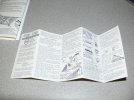
The material folded rather easily and as you can see it holds a crease well.
Having seen inkjet ink run like crazy when it gets wet on regular paper, I was skeptical. I submerged the instructions in cold tap water for a timed 5 minutes.
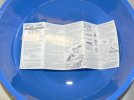
Immediately after removing the sheet, I rubbed my thumb using hard pressure across the sheet. There were no visible signs of running or bleeding. This is the area I tested.
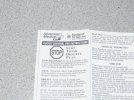
The creases were not affected by the water.
Finally the packaging claims the material is tear resistant as well. This test was much less scientific. I tried to tear a sheet like you would any piece of paper. I applied at least three times as much force as would tear a standard piece of paper and the material simply stretched.
Before
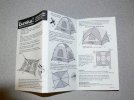
After
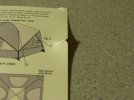
The stretched area is pretty clear on the edge. While it did not tear, the stretched area stayed stretched. By the way, I plan to sew these printed instructions into the tent stuff bag. I was a bit disappointed that the tent didn't come that way, but this should suffice.
In addition to the PSK instructions and tent instructions, I also took the time to type in the important parts of my water purification tablet instructions (like what to do if you get some in your eye) so I could print them for my kits. It also seems like it would work well for topo maps.
In my opinion, this stuff lives up to its claims and is a good solution for waterproof printing. Thanks.
Jon
I've recently resolved to get back to the outdoors more. I knew I wanted to put together a few different styles of PSK. Not only did I have a blast acquiring gear, I got the idea from Mike Spinak's (Evolute) site to include instructions in the kits. He makes a very good point that you may not be the only one that needs to use the items in the kit. I found the instructions for Doug Ritter's PSP on his website in pdf format and thought they would fit the bill. However, I wanted a way to make them waterproof. Doing some quick searches I found that there was waterproof inkjet paper. I paid around $20 for 25 sheets on Campmor's website. This seemed to be the going rate for other brands and retailers as well.
The material reminds me slightly of tyvek without the fibers. It has that glossy/slippery feel to it and is clearly some form of plastic.
I printed the instructions using a standard HP Deskjet 7700 series inkjet printer. The type on the instructions is fairly small, but the clarity is perfect. I let the sheet sit for a minute after printing to make sure the ink was set. I then rotated and flipped the sheet and ran it back through for page 2. This is the front page. FYI, the sheets are the standard 8.5 x 11 inches. I cut this down using a ruler and a sharp blade.
The material folded rather easily and as you can see it holds a crease well.
Having seen inkjet ink run like crazy when it gets wet on regular paper, I was skeptical. I submerged the instructions in cold tap water for a timed 5 minutes.
Immediately after removing the sheet, I rubbed my thumb using hard pressure across the sheet. There were no visible signs of running or bleeding. This is the area I tested.
The creases were not affected by the water.
Finally the packaging claims the material is tear resistant as well. This test was much less scientific. I tried to tear a sheet like you would any piece of paper. I applied at least three times as much force as would tear a standard piece of paper and the material simply stretched.
Before
After
The stretched area is pretty clear on the edge. While it did not tear, the stretched area stayed stretched. By the way, I plan to sew these printed instructions into the tent stuff bag. I was a bit disappointed that the tent didn't come that way, but this should suffice.
In addition to the PSK instructions and tent instructions, I also took the time to type in the important parts of my water purification tablet instructions (like what to do if you get some in your eye) so I could print them for my kits. It also seems like it would work well for topo maps.
In my opinion, this stuff lives up to its claims and is a good solution for waterproof printing. Thanks.
Jon

