whats happening to my pecan

Joined
Jun 16, 2008
Messages
1,699
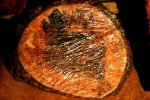
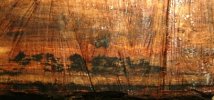
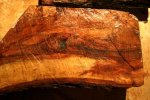
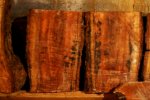
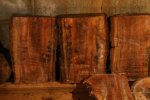
i collected somr pecan from a huge tree that had fallen at a friends house. i have big logs that have not been cut up yet but i did cut a few. When i first cut them they had a cecent color to them- a couple black lines but the i had 4 or 5 floods before i finally fixed it with a french drain. these pieces never got wet, ut they were down stairs in high dampy humidity. i noticed the color changing darker with heavier black streaks. i have put anchorseal on them right after i cut them. my question--whats going on- do these look normal? is it black mold? is this just spalting. should i isolate them from other wood? Is this normal for pecan--thanks marekz
 

Attachments

  • pecansam 003.jpg
    pecansam 003.jpg
    22.4 KB · Views: 72
  • pecansam 004.jpg
    pecansam 004.jpg
    32.9 KB · Views: 75
  • pecansam 006.jpg
    pecansam 006.jpg
    26.6 KB · Views: 69
  • pecansam 007.jpg
    pecansam 007.jpg
    31.7 KB · Views: 73
  • pecansam 005.jpg
    pecansam 005.jpg
    27.2 KB · Views: 74
Marek,
In my experience pecan is pretty soft and will rot/spalt if you just show it water. Stabilized, spalted pecan is VERY pretty though, I've seen some folders from a local maker with spalted pecan scales and they're awesome! He takes pieces of pecan and dumps mud on them and leaves them in his yard for a year or so.
 
Hey Marekz
This is most likely spalting as Will said. Even though it is sealed the spalting fungus may continue to grow and spread. Some need air, others don't. Keep an eye on the wood to make sure it does not get soft on you. Some woods can turn to mush in a matter of months. The way to stop the spalting process is with heat and removal of moisture (dry it in a kiln) that the fungus needs to live.
 
Pecan is actually a hardwood, it is on the softer end of that scale. The black is most likely caused by the sap coming to the surface. I use to burn alot of it for firewood when we lived on the farm. I never sealed any of it and from my experience I would suggest it does better exposed to the air. You will get some checking in the ends and some times will split with the grain as it dries. It is prone to bugs under the bark so if I were thinking of using for handles I might suggest debarking, slab out 1-2" thick, leave length longer the needed for end checking and air dry some and see how it does! My two cents!!!!
 
Back
Top