Wood finishing question

KFU

Part Time Knifemaker, Moderator
Joined
Sep 10, 2007
Messages
4,255
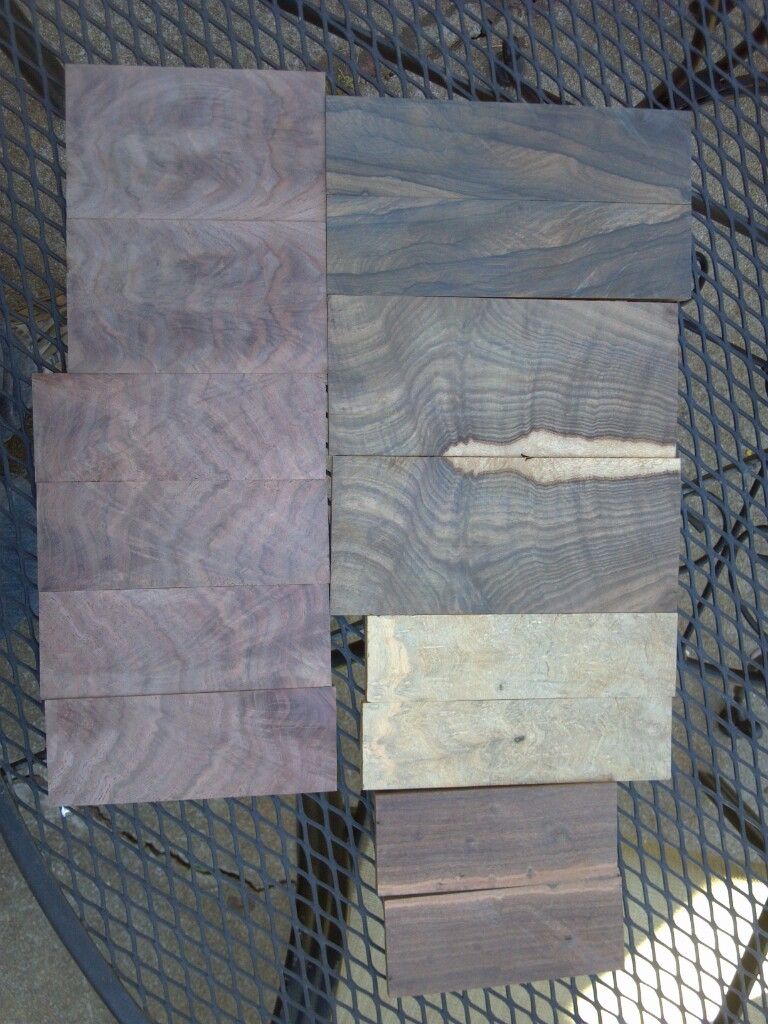
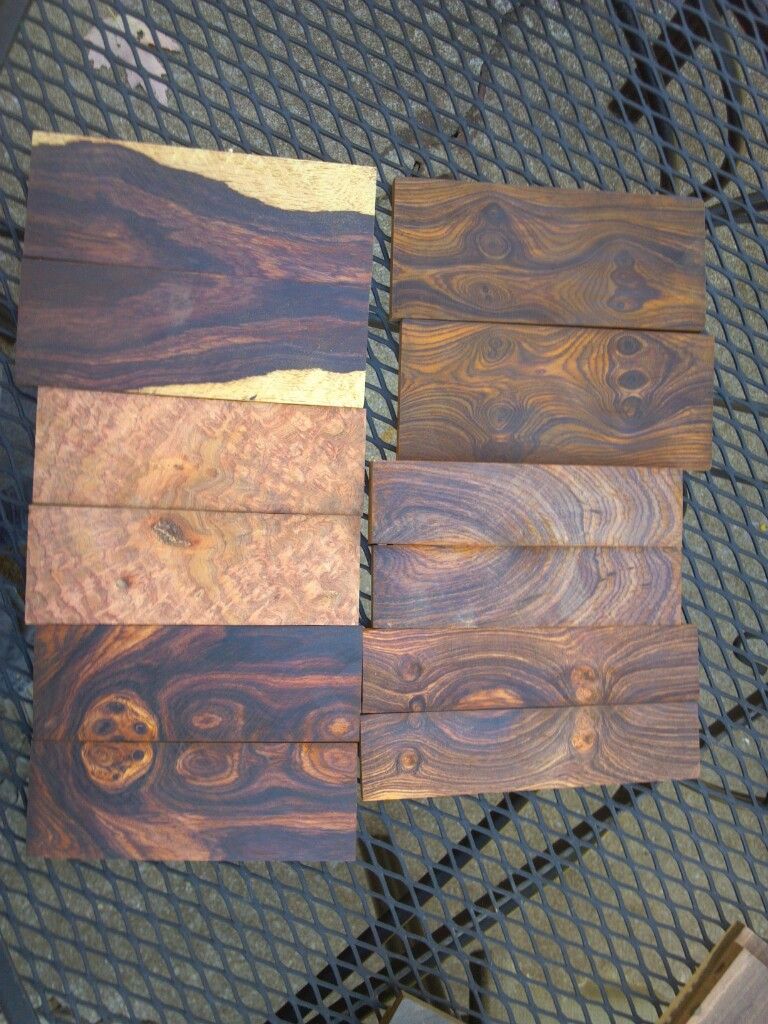
I have some cocobolo burl and ziricote that I want to use. Ive worked with both very little, and when I did, I wasnt happy with the results. Ive heard oil finishes are the wrong way to go. Maybe a wipe on poly? Here is the wood I cut today.
picsay-1350846246.jpg

picsay-1350846222.jpg
 
This is how I do it...although as a disclaimer, some much more educated knifemaker may step in and offer better advice. I finish wood handles (cocobolo, Ironwood, anything stabilized, Blackwood) to 800 grit and buff. Then a coat of either truoil or johnson's paste wax. I don't know much about ziricote, but I use cocobolo a lot. I would avoid any poly or urethane. It will just flake off eventually.
 
I have done it two ways with a very similar end result on cocobolo (also have not used zircote). One is to finish to 800 then finish with minwax. The other is to use tung oil starting at 220 grit and working up to 2000 then buffing by hand with 6000 grit 3m polishing paper. Both ended up looking about the same, one way was a lot easier. :)
 
Tru-oil is actually an oil/varnish blend and if you keep the coats thin, it'll give fantastic results, and won't end up looking like you soaked the handle in mineral or linseed oil. Do an image search for tru-oil and see the variety of gunstocks and guitar bodies and necks that have been finished in the stuff. You can keep it satin or buff it to a nice gloss after a number of coats. Guitar makers have been using it on ziricote and cocobolo for years and you might have luck asking on some luthiery forums.
 
Both woods can be burnished and buffed to a very nice shine. Paste wax aferward.
 
Thanks guys, truoik is what I use on most of the woods I work with. Ill give it a shot.
 
Thanks guys, truoik is what I use on most of the woods I work with. Ill give it a shot.

Hi KFU,
I had a hard time getting cocobolo to take any tru-oil. Instead I hand-sanded it to 1000. If I had a buffer I would have buffed it after that. Gotta rectify that one of these days.
 
TruOil often has trouble curing out completely on oily woods like cocobolo or bocote. You can lay down a coat of shellac or a lacquer first and then place your desired finish coat on top. If you use very thin coats of TruOil you probably won't run into that problem.

Cheers
 
This is cocobolo hand sanded to gritt 2500 without oil or wax
(beautifull and smooth but you do get small pores. That´s why I´d like to try an oil finish next time. But just sanding works)

cocobolo.jpg
 
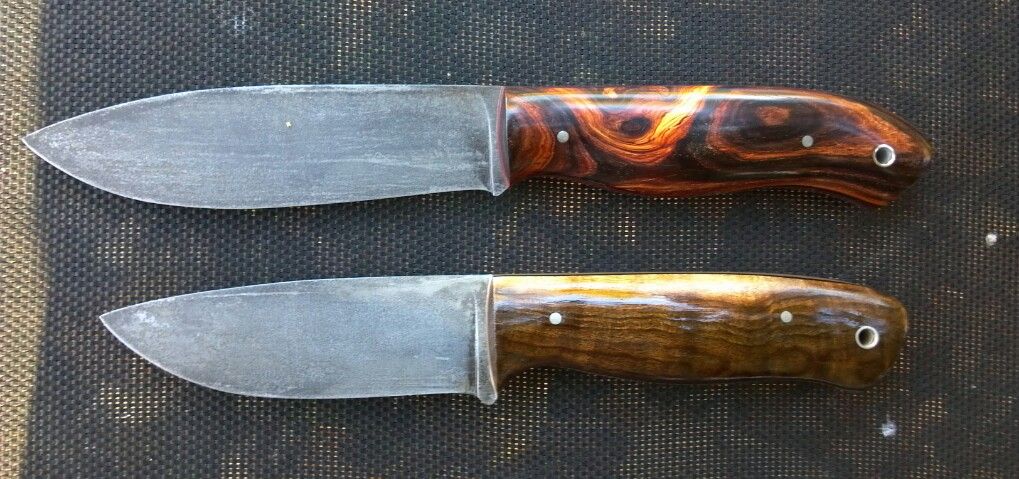
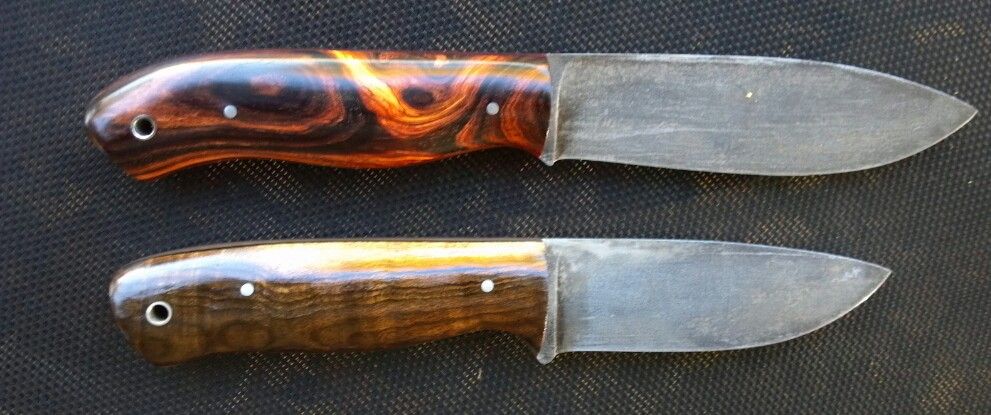
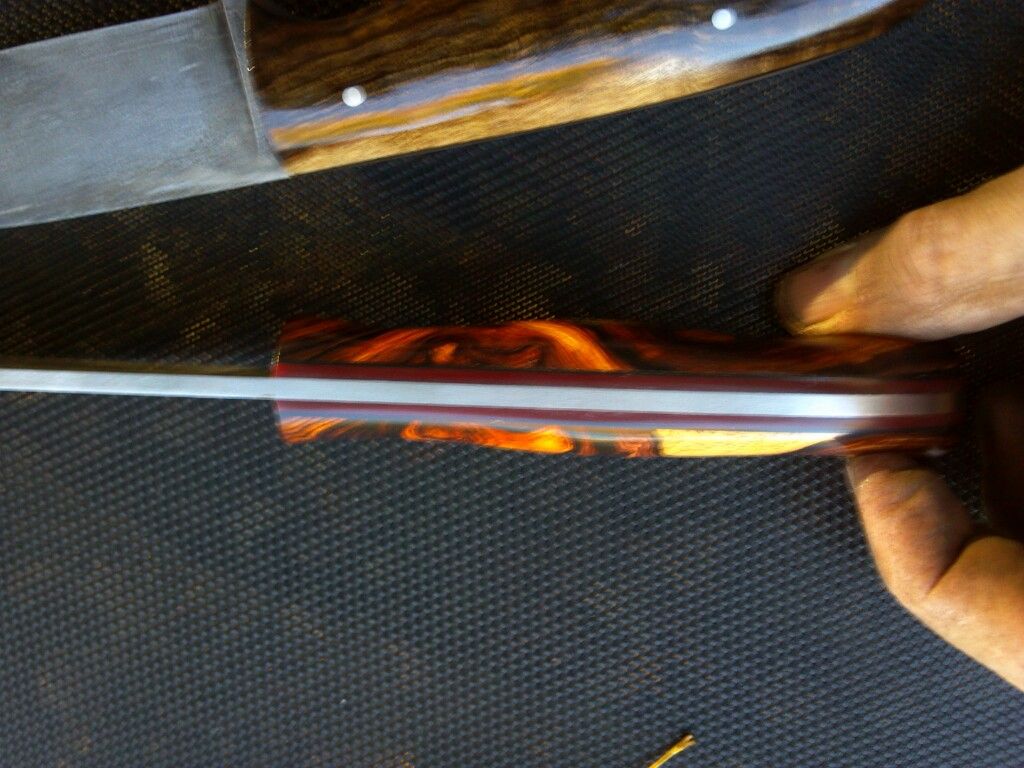
Well I bought a buffing system today and decided to try it out on the cocobolo...freaking wow! I usually dont use a buffer but Ill be busting it now.
picsay-1351032966.jpg

picsay-1351030425.jpg

picsay-1351030439.jpg
 
Which polishing compound did you use on those? I've found that pink does a great job but tends to build up on pourous woods. Maybe my buffing wheels are just dirty.
 
I used the beall system. I used the tripoli? And the white but it left specks so I went back over with the tripoli. I hand rubbed rennaisance wax on and buffed off. I tried the carnuba but it left fingerprints.
 
I usually buff with the pink stuff, and use Renaissance wax after.

It's not the best though. Oftentimes my hands are dirty, and the oil and dirt get in the wood- especially ironwood.

Does anyone use acra-glass to finish? You can thin it down a lot, to where I can hardly think it wouldn't stick to anything.

What about the gunstock finishes sold by Brownell's? I've used that to great success on ebony.
 
Ive found that if you buff it out, then apply wax of your choice and let it dry up overnight then buff that "lightly" dont push to hard or to long it will leave a great finish on the harder woods. Ive only done some lately but using the white stuff and I think its minwax finishing wax (looks like a brownish wax thats not too hard).
 
Back
Top