Working and finishing spalted woods

Joined
Sep 16, 2002
Messages
1,577
I have some unstabilized spalted wood that I acquired recently, and I'm about to use some of the spalted red oak scales that I received for a knife I'm currently working on.

I understand a mask is a good idea, as the fungus spores could potentially be an issue, but is there anything else I need to know before I start working/grinding/sanding it?

Also, what would be the best way to finish this wood for an attractive and durable end product?
 
wear a mask of any kind is better than nothing. My friend just told me cedar is real toxic. I will be using some type of mask from now on.
 
Before you grind any, think about where all the dust will go. Wearing a respirator (a mask won't do much) will help keep the dust out of your lungs while you are grinding....but what about all the dust that goes everywhere....and when you take the mask off. A good dust extraction system is vital. And it needs to contain the dust, not just pull it out of the shop and blow it all over the yard. The risk of lung fungal infections is not great, but if it happens, it can be severe to fatal.

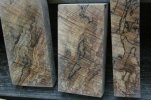
The best thing to do with spalted wood to make it safe and much prettier is to have it stabilized. WSSI is the champ as far as I am concerned. The block of wood in the photos looked OK when unstabilized, but showed no real high definition to the spalt, and no curl at all.The color was flat white/gray. After stabilizing the color is intense tans and browns with the spalt dark black....and the curl and quilt in the maple pops right out. It polishes to a fantastic finish with no effort at all.
There is little you could do to unstabilized spalted curly maple to make it look half as nice as that.

Stacy
 

Attachments

  • 218.jpg
    218.jpg
    51.3 KB · Views: 69
One of the better canister mask on the market is made by 3M and is available at auto paint supply stores. They will handle most anything, you might come upon, in the knife shop.
I like them because they are disposable. I buy two a year and use them full time.
Its a cheaper route in the long run. I find any mask is ready for the trash can after you have worn it for six months.

Stabilize the spalted wood. There is no comparison as to how it finishes sands and seals. Wonderful stuff.

If you stabilize it you won't need a finish other than a good wax.

Fred
 
Thanks gentlemen for the advice, I'll check into sending it to WSSI. Hopefully it won't be cost prohibitive.

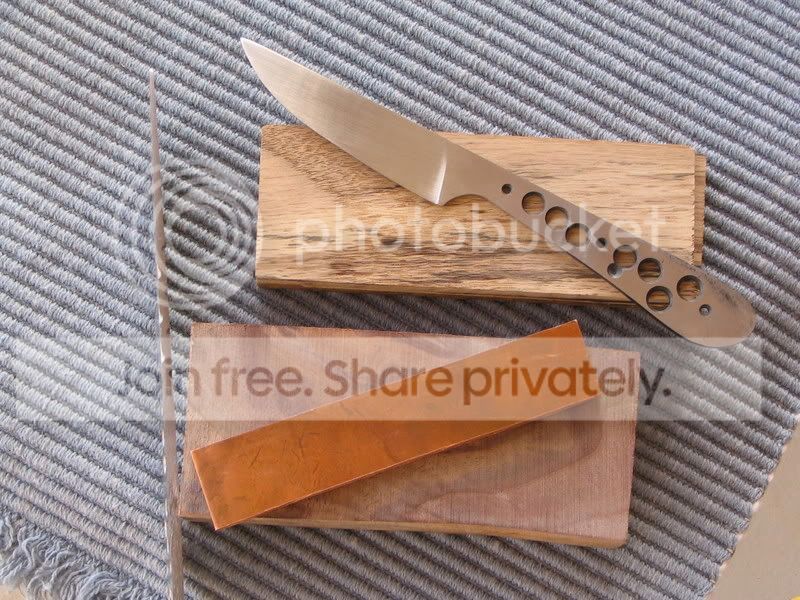
Here's what it looks like (at the top with the intended blade sitting atop it.) Sorry for the crummy pic:

IMG_1320.jpg
 
I have read that unstabilized spalted wood will sometimes split on the spalt lines if mishanled. I dunno, I could be wrong. If you are afraid of the plastic look some folks sometimes complain about finish it with 0000 steel wool.
 
Yes, clear stabilizing.

The wood in the photo could be broken by hand before the stabilization. Now it is rock
hard.
Stacy
 
When they were cleaning out Bill Moran's shop, they discovered this big slab of wood buried in the mud and dust in the corner. Bill had set it there and buried it in dirt to let it spalt. He never dug it up. It was completely caked with fine gray powder. I bought the slab along with a big box of "misc chunks of wood" that were cleaned off the benches and the floor. In the box were Bill's handle template blocks for his ST-24's, bowies and camp knives, The 50th anniversary knives, and many more that are in the books on his knives. These had notes on them in Bill's hand.

This wood was interesting when I hosed it off. I dried it for nearly a year, cut it up and sanded the mud surface off. Still couldn't tell if it would be useful (it was like balsa wood). Then had WSSI stabilize it (along with a lot of other wood from Bill). This is the nicest spalted maple I have ever seen.

Stacy
 
Wow, that's pretty cool bladsmth. Heck of a find... IMO those template blocks are museum-worthy relics.
 
Back
Top