- Joined
- Nov 29, 2002
- Messages
- 3,229
Hello Guys in the intrests of knowledge within our community here is some more information further to the sticky thread "20th century Military Pattern kukri." I wrote a couple of years ago. I realise this isnt to evryones intrest, but if it is enjoy!
The mk.4 is to date the rarest official British issue kukri pattern model to ever exist, and the last 50+ years have made it virtually unobtainable. Only 8 that I know of & one of those was repired with replacment bayonet type rivets & another was a heavily cleaned up battered relic, {as seen on kukri FAQ.} only 3 had original scabbards & one of those is kept at the Gurkha museam.
It was designed in 1949/50 by Wilkinson Sword Company. It appears the British army wanted to buy British despite the much higher cost rather than keep purchasing from The Indian kukri factories. One Army source is quoted from a letter to Wilkinson sword as saying they were fed up with the fast wearing out of the then currant issued kukris. {rather implying a soft steel or untempered edge perhaps? Typical of some 50s era Indian & Nepali kukri more suited to tourists than military use perhaps? ]
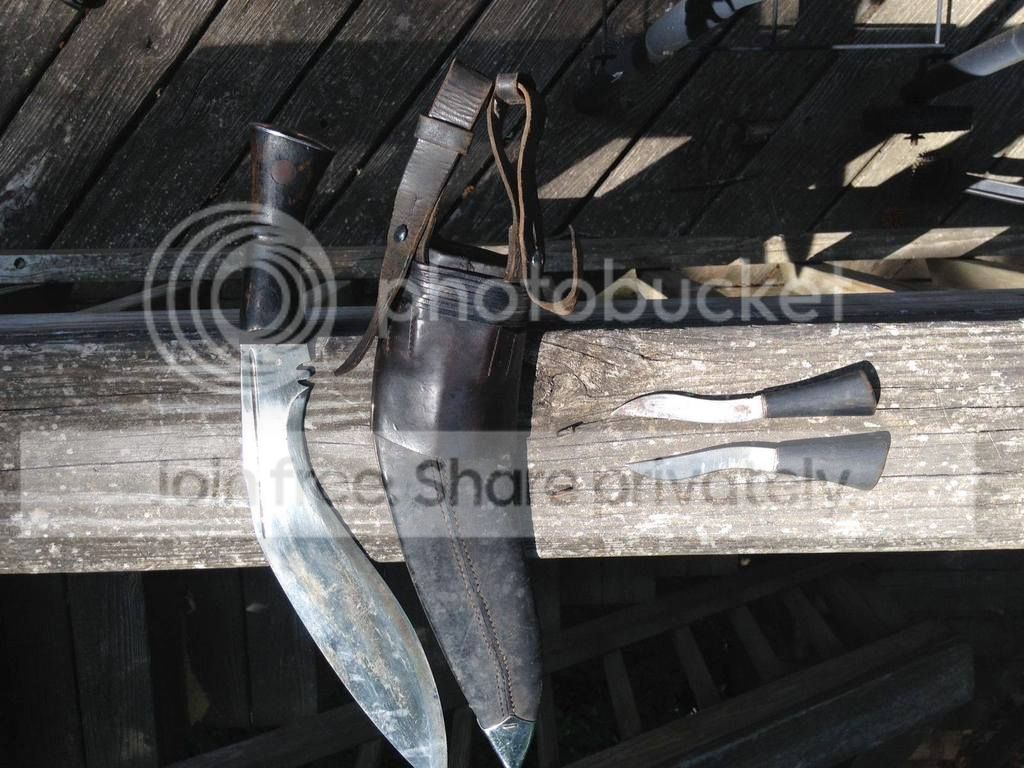
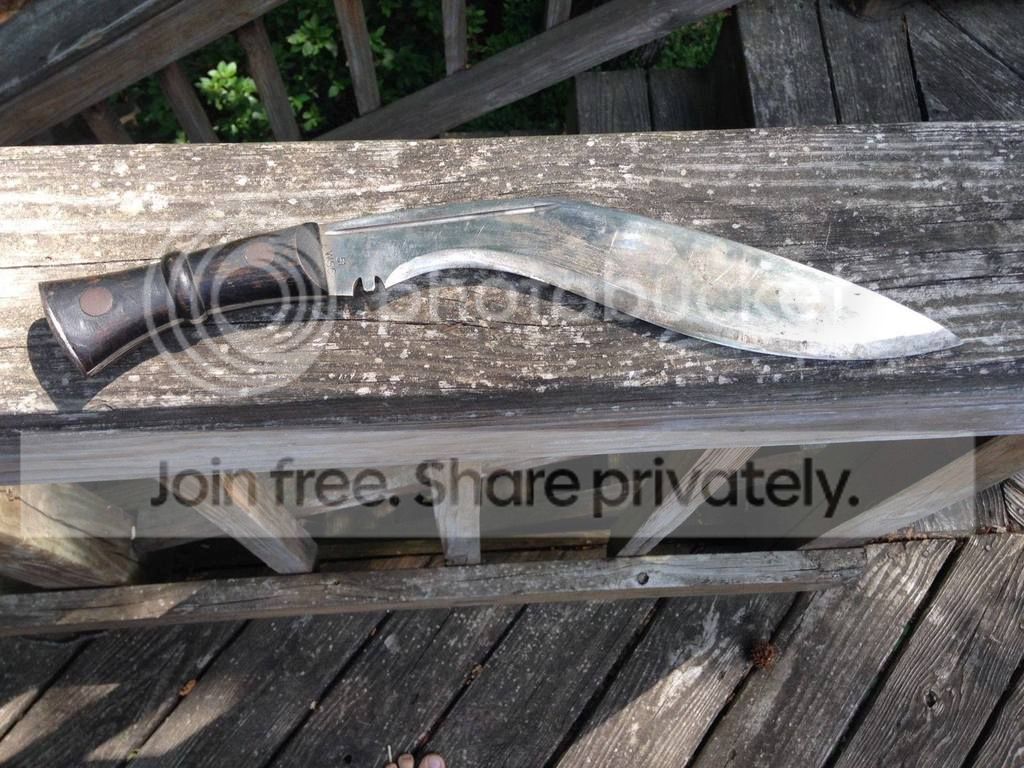
In profile the WSC 51 looks nearly identical to the mk.3 which was obviously its design basis but when examined by hand their are many subtle differences. Chroming of metal grip parts, precise tolerances & most fascinating a totaly hand ground but not forged blade to an exacting finnish.
The Wilkinson Sword manager before they closed down confirmed to me that only 1400 were ever made, historicaly in Flooks research he came across the same figure. I had emailed them as I was lucky enough to obtain one of the 2 known kukris Wilkinsons kept. {One in there "museam" & one as a pattern in case of any further orders.} Mine was the Assembled pattern one & rather wanted to check it was officialy "on leave" that's when I first heard they were sadley closing down the sword division.

1400 is A minute number for an army production run. Less than 10/% of serving Gurkhas would have been ever been issued with them. One company was recorded by letter many years later as not liking them as the steel was too hard,I am also sure some Gurkhas wouldn't be keen on it as after all it is a full tang kukri which just doesn't feel the same as a traditional model, full tang alters the balance & feel to a more western type of feel. That's probably why historicaly they often bought there own kukri rather than using the mk.2,mk 3 & I am sure probably the mk.4. as well & its wood choice for grips is not perfect for slab grips but it still far exceeds any other general post ww2 kukri in usabilty & quality.
But stories of them throwing them away or being without "souls" sounds highly unlikely in my & some others opinion. The current British SA80 bayonet is probably the worst & cheapest bayonet in military history. So is the current version of the issue kukri , They still often carry them though.
There is photo evidence of Gurkha signals carrying WSC 51 kukri in Malaya in 1953 & several of the known ones were marked with a Broad arrow & 48/J this is also a clear & positive reference to a Gurkha signals unit based in Malaya as a little study of unit nomenclature clearly shows if one takes the time to research.
They where a very high quality production by some of the worlds leading sword smiths & cutlers.Presumably the cost of having them made by WSC resulted also accounted in no further orders at the time. Intrestingly in 1969 approximatly 10 years after the current often poor quality MK.5 was introduced, 20 years after its intial design, the Ministry of Defence obviosly realised there error & tried to get Wilkinson to discuss filling futre kukri orders for them. Reading between the lines it seems Wilkinsons didn't really want the buisness, although varios papers & plans seem to have been intialy produced but then not sent to MOD.
What happened to many of them is sometimes regarded as a mystery , I have heard many unsubstantiated stories, but it seems to me the simple truth is they most where never brought back out of Malaya ever again they were used to destruction in the longest jungle campaign fought by the Gurkha in there their long & bloody history. Thier grips were made of beech, not the best choice for wet or tropical climates.It is possible a few are tucked away still in eastern military armourys but dont hold your breath! It might just be wishfull thinking!
Personally I cant see any mystery, A couple of years never mind 10 or so years in the Borneo jungle would rust & rot most equipment beyond recognition. According to army sources canvas jungle boots & webbing would be rotting within 2 weeks.
Hence I think the rarity of the mk.4 Wilkinson sword kukri. Not many were made in the first place, Then in that extreme environment some handles eventually warped or rotted & Loosened the unless cleaned & oiled every day the steel rusted. {As it did on all equipment in Malaya.}
Much of the Information in this thread his has been confirmed by & in some cases come from other acknowledged sources including the famous British author of numerous sword books & worldwide acknowledged sword expert & the best authority on Fairbairn- Sykes knives known , Robert Wilkinson-Latham, A descendent of many Famous Wilkinsons before him. {He has a fascinating Commando knife website that also lays to rest many old wives tales about the FS knife to rest, that we often here regularily regugitated.}
http://wilkinson-fs-knife.blogspot.com/
He even kindley after coming to this forum & reading many of the recent posts & hearing of my current work kindly entrusted me with a pile of the original hand drawn WSC kukri blueprints to copy & study to aid my research into this fascinating kukri. I am honered by his trust in sharing these irreplaceable & fragile original documents with me. He has been a great help on this & other sword & knife related questians as well, a man of true knowledge & expierience in his chosen fields. We are luckey he was brought to this forum, its an honor to work with such a man.
The WSC51 & assorted plans of various dates & profiles.


With the quality of workmanship to exact tolerances that went into them & thier place in Britsh swordmaking & Gurkha history in Malaya, it seems rather a shame that further orders wernt taken up. The popularity & reputation of late 20th century kukri would have stood much higher if they had. But luckily it gives most realy serious kukri collecters something to search for!
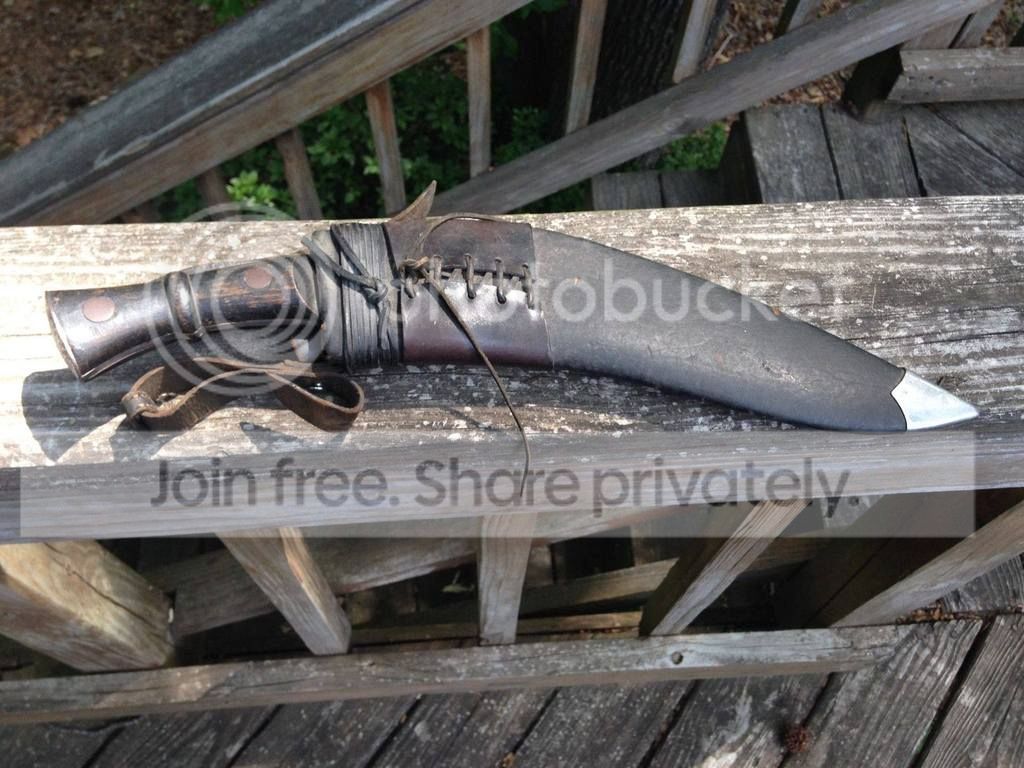
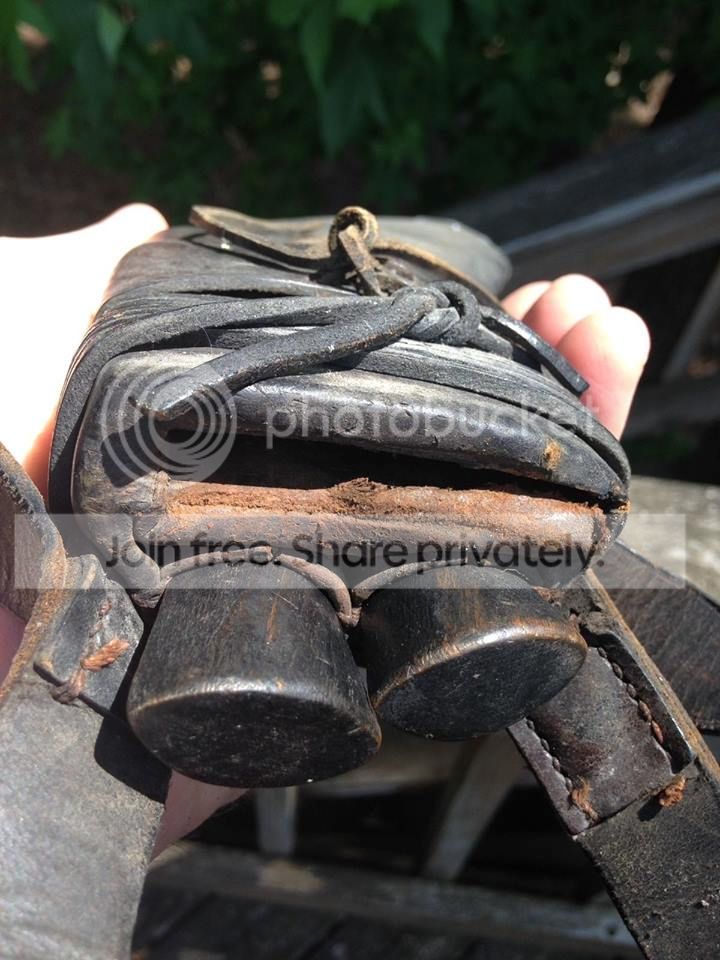
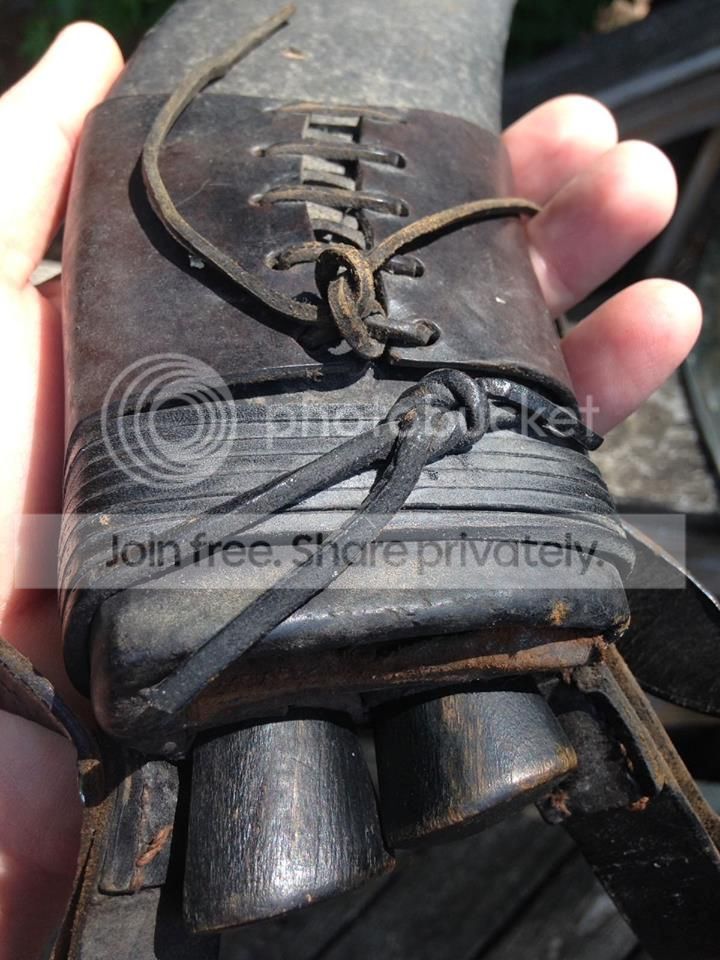
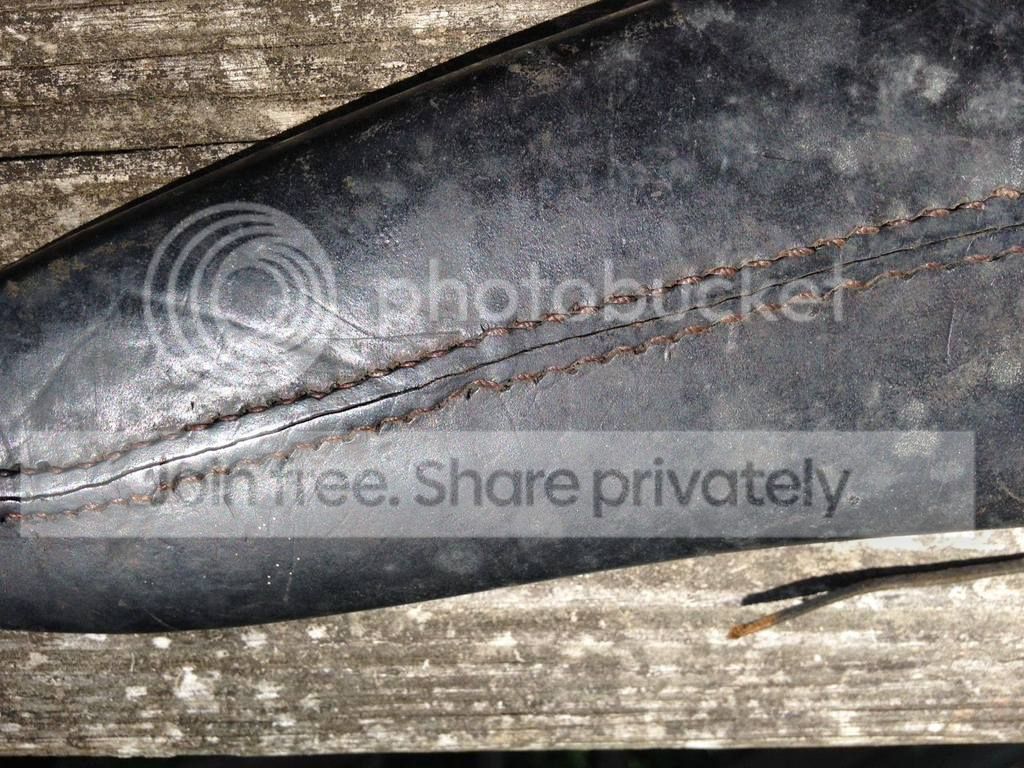
The scabbard fits better than any other scabbard I have seen, it stays in place even upside down but 28ozs of pull {only 4 oz more than its weight.] & it slides out like lubricated silk.
That's why the last well used but not abused one without scabbard I saw for sale didn't sell despite offers of £350, the owner said he would rather keep it than part with it for that. A good scabbard & frog easily double that price. If you can find one.
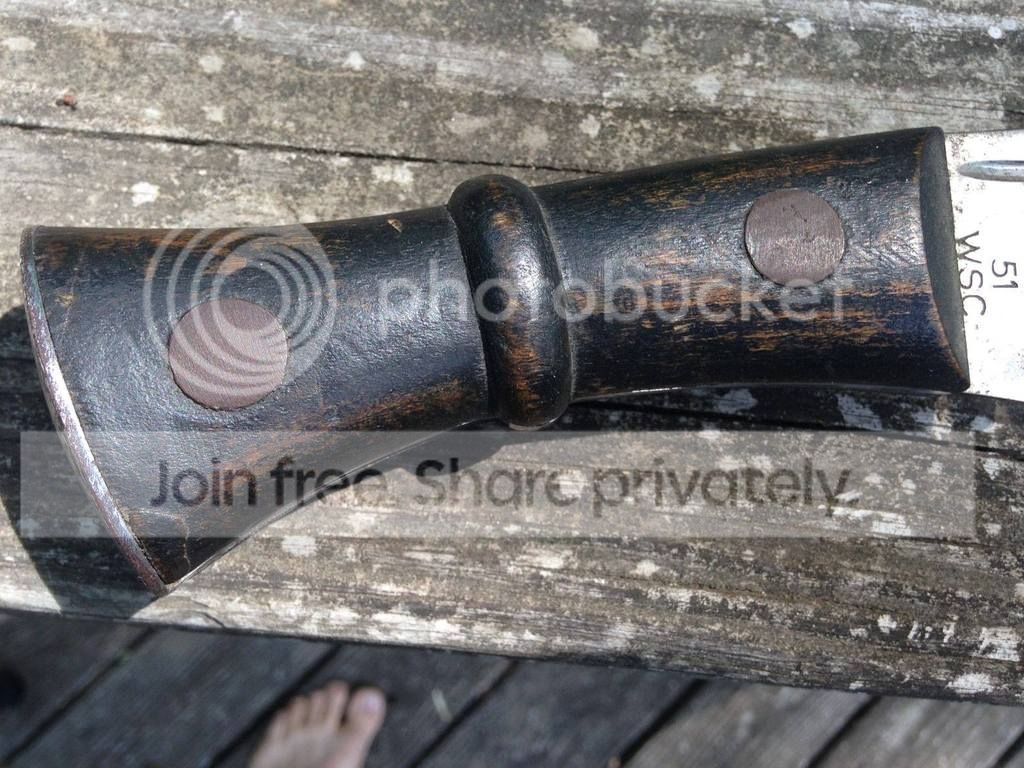
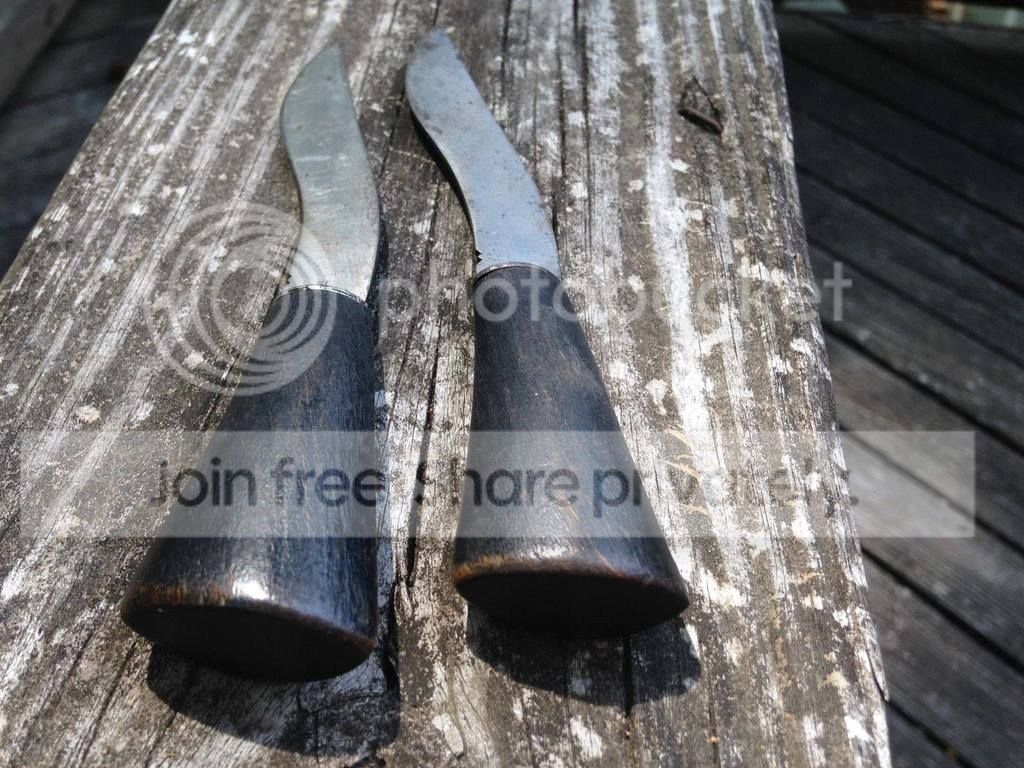
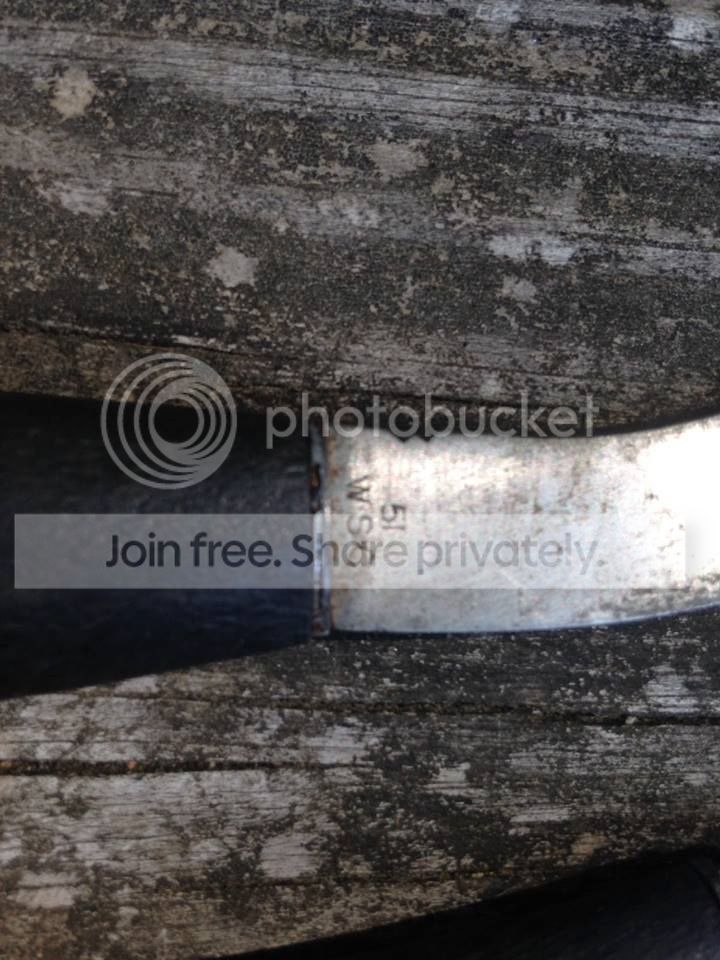
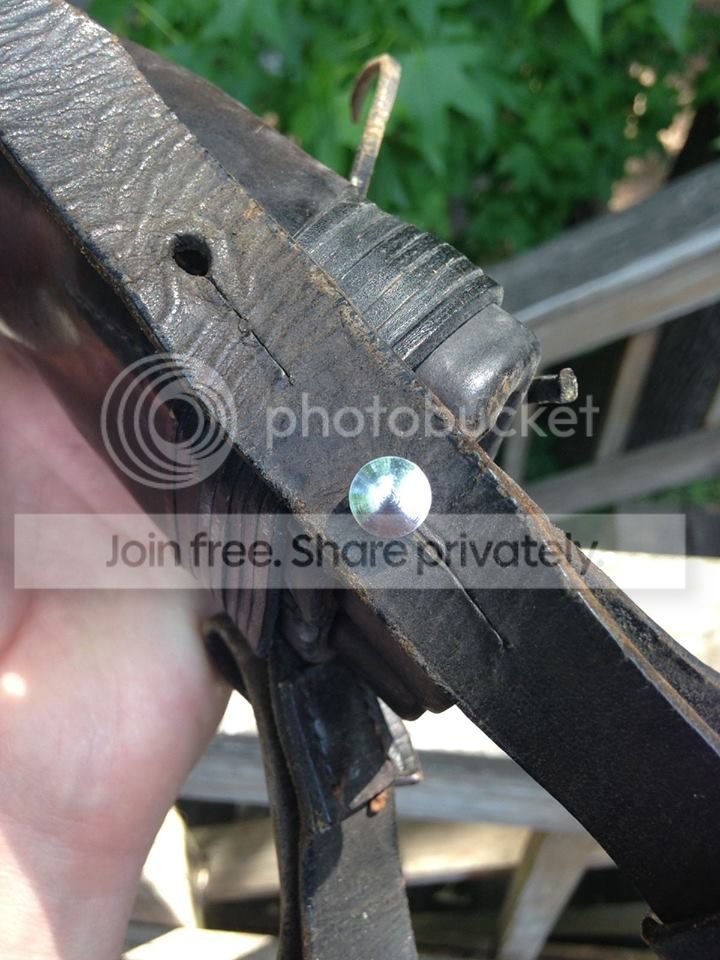
Heres a few close ups of the WSC51.
Enjoy!
Jonathan.
The first one shows the chrome plate on the handle tang to prevent rust from sweat! Now that is fine attention to detail. The egg shaped buttcap is similarily treated.


The mk.4 is to date the rarest official British issue kukri pattern model to ever exist, and the last 50+ years have made it virtually unobtainable. Only 8 that I know of & one of those was repired with replacment bayonet type rivets & another was a heavily cleaned up battered relic, {as seen on kukri FAQ.} only 3 had original scabbards & one of those is kept at the Gurkha museam.
It was designed in 1949/50 by Wilkinson Sword Company. It appears the British army wanted to buy British despite the much higher cost rather than keep purchasing from The Indian kukri factories. One Army source is quoted from a letter to Wilkinson sword as saying they were fed up with the fast wearing out of the then currant issued kukris. {rather implying a soft steel or untempered edge perhaps? Typical of some 50s era Indian & Nepali kukri more suited to tourists than military use perhaps? ]
In profile the WSC 51 looks nearly identical to the mk.3 which was obviously its design basis but when examined by hand their are many subtle differences. Chroming of metal grip parts, precise tolerances & most fascinating a totaly hand ground but not forged blade to an exacting finnish.
The Wilkinson Sword manager before they closed down confirmed to me that only 1400 were ever made, historicaly in Flooks research he came across the same figure. I had emailed them as I was lucky enough to obtain one of the 2 known kukris Wilkinsons kept. {One in there "museam" & one as a pattern in case of any further orders.} Mine was the Assembled pattern one & rather wanted to check it was officialy "on leave" that's when I first heard they were sadley closing down the sword division.
1400 is A minute number for an army production run. Less than 10/% of serving Gurkhas would have been ever been issued with them. One company was recorded by letter many years later as not liking them as the steel was too hard,I am also sure some Gurkhas wouldn't be keen on it as after all it is a full tang kukri which just doesn't feel the same as a traditional model, full tang alters the balance & feel to a more western type of feel. That's probably why historicaly they often bought there own kukri rather than using the mk.2,mk 3 & I am sure probably the mk.4. as well & its wood choice for grips is not perfect for slab grips but it still far exceeds any other general post ww2 kukri in usabilty & quality.
But stories of them throwing them away or being without "souls" sounds highly unlikely in my & some others opinion. The current British SA80 bayonet is probably the worst & cheapest bayonet in military history. So is the current version of the issue kukri , They still often carry them though.
There is photo evidence of Gurkha signals carrying WSC 51 kukri in Malaya in 1953 & several of the known ones were marked with a Broad arrow & 48/J this is also a clear & positive reference to a Gurkha signals unit based in Malaya as a little study of unit nomenclature clearly shows if one takes the time to research.
They where a very high quality production by some of the worlds leading sword smiths & cutlers.Presumably the cost of having them made by WSC resulted also accounted in no further orders at the time. Intrestingly in 1969 approximatly 10 years after the current often poor quality MK.5 was introduced, 20 years after its intial design, the Ministry of Defence obviosly realised there error & tried to get Wilkinson to discuss filling futre kukri orders for them. Reading between the lines it seems Wilkinsons didn't really want the buisness, although varios papers & plans seem to have been intialy produced but then not sent to MOD.
What happened to many of them is sometimes regarded as a mystery , I have heard many unsubstantiated stories, but it seems to me the simple truth is they most where never brought back out of Malaya ever again they were used to destruction in the longest jungle campaign fought by the Gurkha in there their long & bloody history. Thier grips were made of beech, not the best choice for wet or tropical climates.It is possible a few are tucked away still in eastern military armourys but dont hold your breath! It might just be wishfull thinking!
Personally I cant see any mystery, A couple of years never mind 10 or so years in the Borneo jungle would rust & rot most equipment beyond recognition. According to army sources canvas jungle boots & webbing would be rotting within 2 weeks.
Hence I think the rarity of the mk.4 Wilkinson sword kukri. Not many were made in the first place, Then in that extreme environment some handles eventually warped or rotted & Loosened the unless cleaned & oiled every day the steel rusted. {As it did on all equipment in Malaya.}
Much of the Information in this thread his has been confirmed by & in some cases come from other acknowledged sources including the famous British author of numerous sword books & worldwide acknowledged sword expert & the best authority on Fairbairn- Sykes knives known , Robert Wilkinson-Latham, A descendent of many Famous Wilkinsons before him. {He has a fascinating Commando knife website that also lays to rest many old wives tales about the FS knife to rest, that we often here regularily regugitated.}
http://wilkinson-fs-knife.blogspot.com/
He even kindley after coming to this forum & reading many of the recent posts & hearing of my current work kindly entrusted me with a pile of the original hand drawn WSC kukri blueprints to copy & study to aid my research into this fascinating kukri. I am honered by his trust in sharing these irreplaceable & fragile original documents with me. He has been a great help on this & other sword & knife related questians as well, a man of true knowledge & expierience in his chosen fields. We are luckey he was brought to this forum, its an honor to work with such a man.
The WSC51 & assorted plans of various dates & profiles.
With the quality of workmanship to exact tolerances that went into them & thier place in Britsh swordmaking & Gurkha history in Malaya, it seems rather a shame that further orders wernt taken up. The popularity & reputation of late 20th century kukri would have stood much higher if they had. But luckily it gives most realy serious kukri collecters something to search for!
The scabbard fits better than any other scabbard I have seen, it stays in place even upside down but 28ozs of pull {only 4 oz more than its weight.] & it slides out like lubricated silk.
That's why the last well used but not abused one without scabbard I saw for sale didn't sell despite offers of £350, the owner said he would rather keep it than part with it for that. A good scabbard & frog easily double that price. If you can find one.
Heres a few close ups of the WSC51.
Enjoy!
Jonathan.
The first one shows the chrome plate on the handle tang to prevent rust from sweat! Now that is fine attention to detail. The egg shaped buttcap is similarily treated.


 Robert has letters showing, that The kukri & small knives alloy mix was made to the Wilkinson specification & ordered in 20 tonne ingot.