
- Joined
- Apr 14, 2006
- Messages
- 7,021
Awhile ago, I can't remember in which thread, someone lamented the fact that because he lived in the city, his opportunity to practice survival techniques was very limited. At the time I mentioned that you only need the ditch out in front of your house to increase your skills, in particular, uses and identification of various plant life.
Today, to celebrate Canada Day, and because my back is still healing, I went to a Canada Day celebration (It's Your Festival) at a city park rather than getting out to the woods.. Population of Hamilton is 500,000 to give you some perspective. Anyway while wandering through the city park, I found tons of useful plants and decided to take some pictures and make my point.
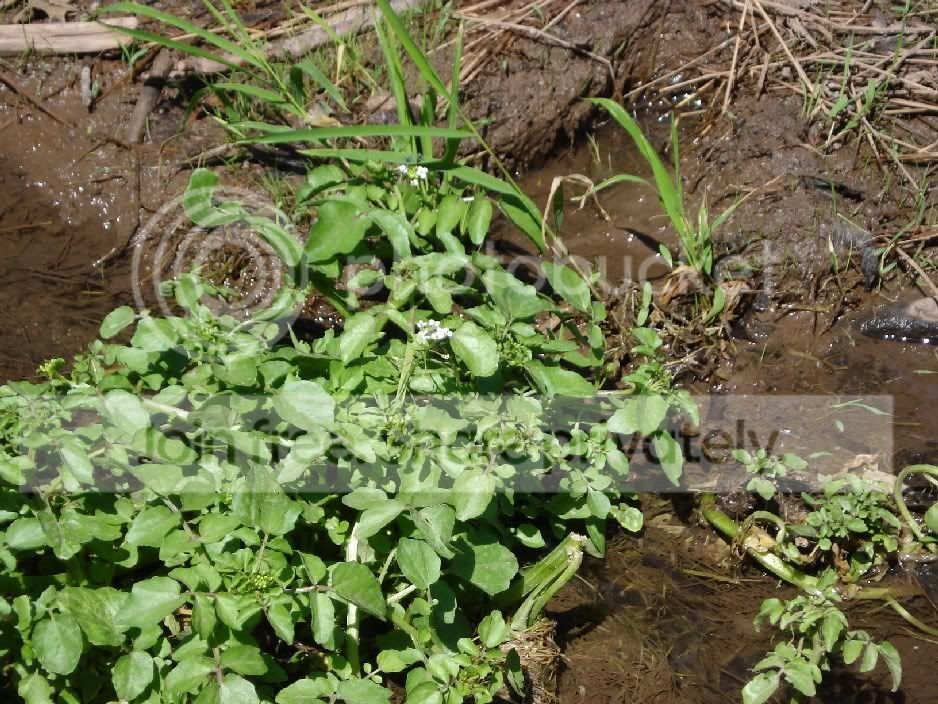
There was a little stream meandering through the park, and the first 'useful' I found was Watercress (Nasturtium officinale), a much favoured wild edible. The water quality is questionable so that might have some bearing on using it, but to learn identification - excellent.
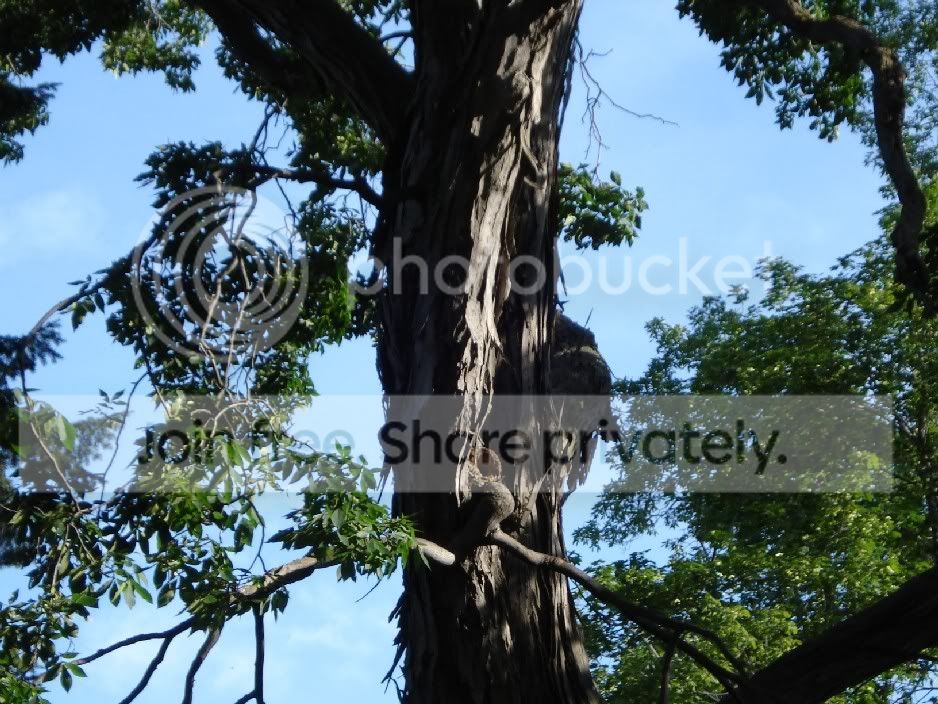
A mature tree in the park - Shagbark Hickory (Carya ovata) with immature nuts (have to get back there). So a wild edible, a natural dye, excellent wood for tool handles and self bows, excellent fuel and I've heard it's been used as a fish poison.
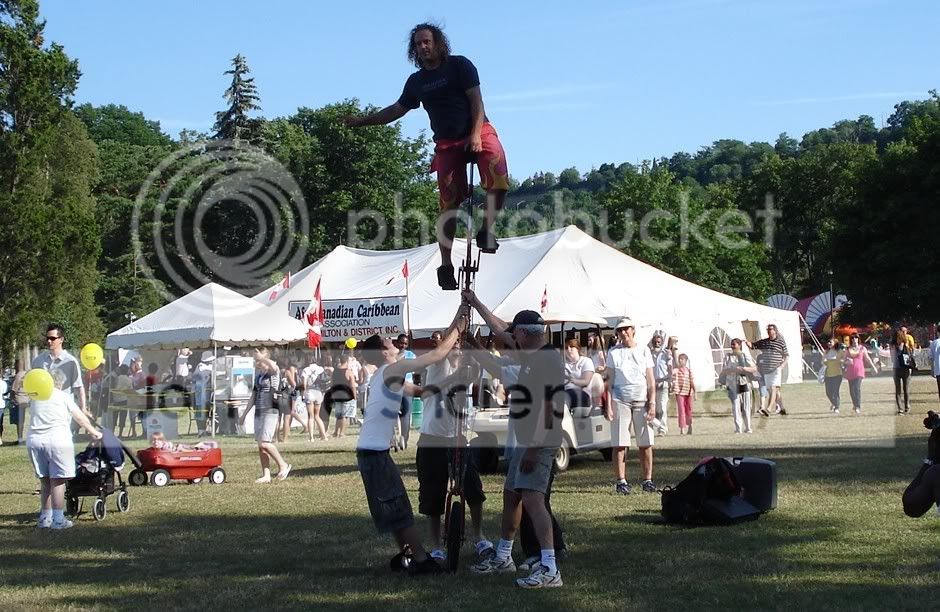
I don't know if this would qualify as a Bug-out vehicle, but it might be something to keep in mind. Would be good to pick those out of reach Mulberries.
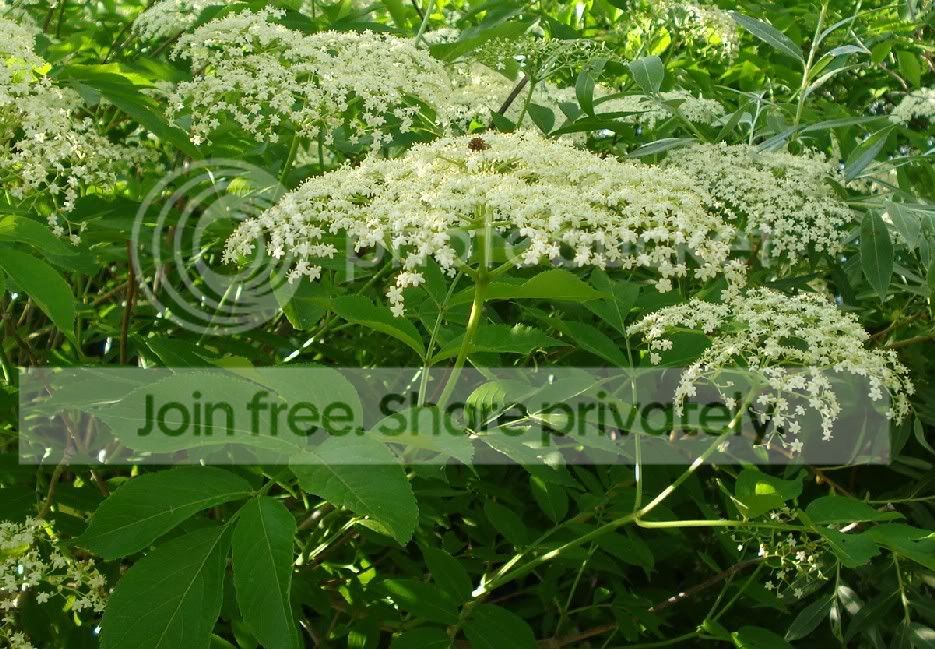
Common Elderberry (Sambucus canadensis) - wild edible - flowers for fritters, fruit later in season.
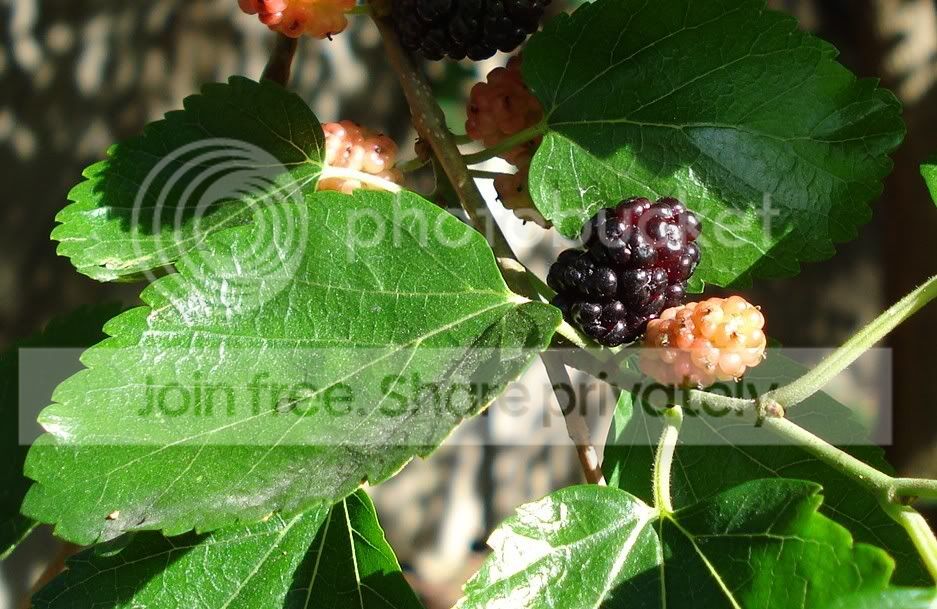
Ripe Mulberries (Morus - didn't ID the species, should have) wild edible.
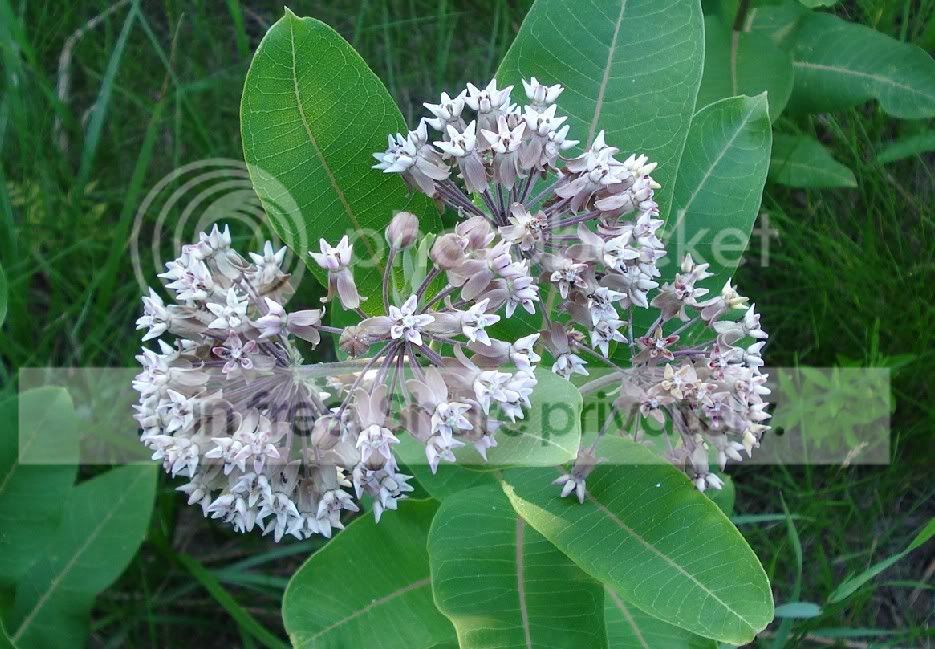
Common Milkweed (Asclepias syriaca) - wild food (with some qualifications), cordage fibre source, tinder, wild medicine.
I'll stop there, there were tons of others. The point I want to make is that you don't have to live in the Rockies to practise survival techniques, the materials grow everywhere. As far as where to practise, I used to do friction fire in my living room (yes, I live on my own ) The important thing is to do it!
Years ago, I used to read all these survival manuals and figured that if I ever had to use the skills, I could. WRONG! and I found that out when I tried.. The only way you know if you can make them work is to do them - now, not when it's minus 15, and you're cold and wet and need a fire and shelter. That's one good thing about survival techniques - you can go and try them and see if they work for you, if not, back to the drawing board.
So go kick some ass!
By the way, the obligatory edged tool/city park/Canada Day picture.

Guess he couldn't read.
Doc
Today, to celebrate Canada Day, and because my back is still healing, I went to a Canada Day celebration (It's Your Festival) at a city park rather than getting out to the woods.. Population of Hamilton is 500,000 to give you some perspective. Anyway while wandering through the city park, I found tons of useful plants and decided to take some pictures and make my point.
There was a little stream meandering through the park, and the first 'useful' I found was Watercress (Nasturtium officinale), a much favoured wild edible. The water quality is questionable so that might have some bearing on using it, but to learn identification - excellent.
A mature tree in the park - Shagbark Hickory (Carya ovata) with immature nuts (have to get back there). So a wild edible, a natural dye, excellent wood for tool handles and self bows, excellent fuel and I've heard it's been used as a fish poison.
I don't know if this would qualify as a Bug-out vehicle, but it might be something to keep in mind. Would be good to pick those out of reach Mulberries.
Common Elderberry (Sambucus canadensis) - wild edible - flowers for fritters, fruit later in season.
Ripe Mulberries (Morus - didn't ID the species, should have) wild edible.
Common Milkweed (Asclepias syriaca) - wild food (with some qualifications), cordage fibre source, tinder, wild medicine.
I'll stop there, there were tons of others. The point I want to make is that you don't have to live in the Rockies to practise survival techniques, the materials grow everywhere. As far as where to practise, I used to do friction fire in my living room (yes, I live on my own
) The important thing is to do it!Years ago, I used to read all these survival manuals and figured that if I ever had to use the skills, I could. WRONG! and I found that out when I tried.. The only way you know if you can make them work is to do them - now, not when it's minus 15, and you're cold and wet and need a fire and shelter. That's one good thing about survival techniques - you can go and try them and see if they work for you, if not, back to the drawing board.
So go kick some ass!
By the way, the obligatory edged tool/city park/Canada Day picture.
Guess he couldn't read.
Doc


