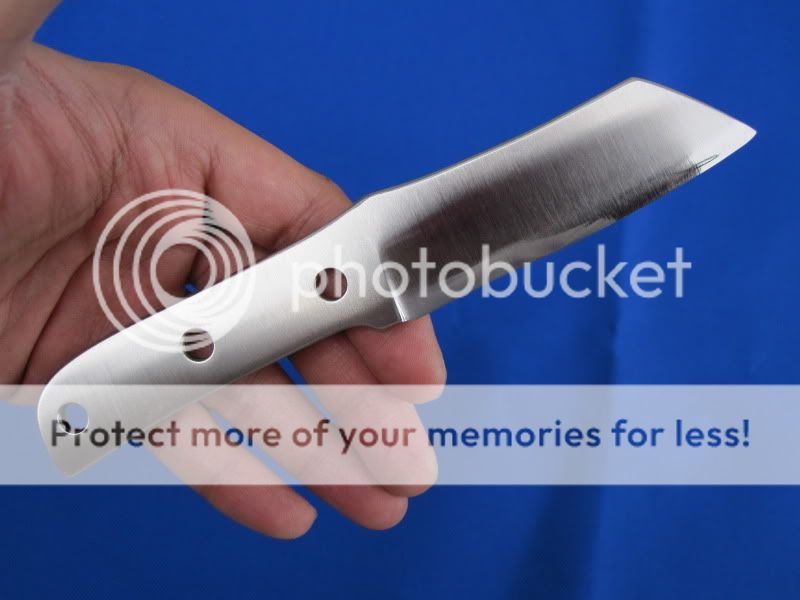
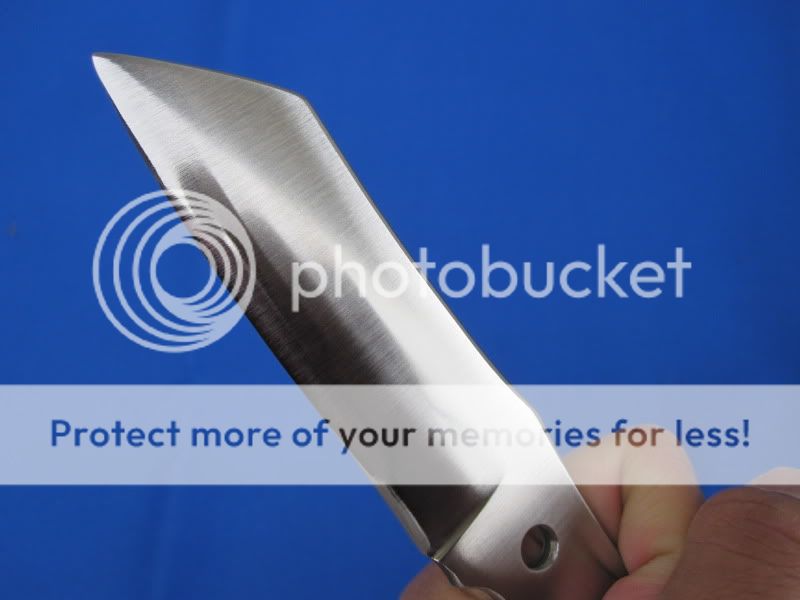
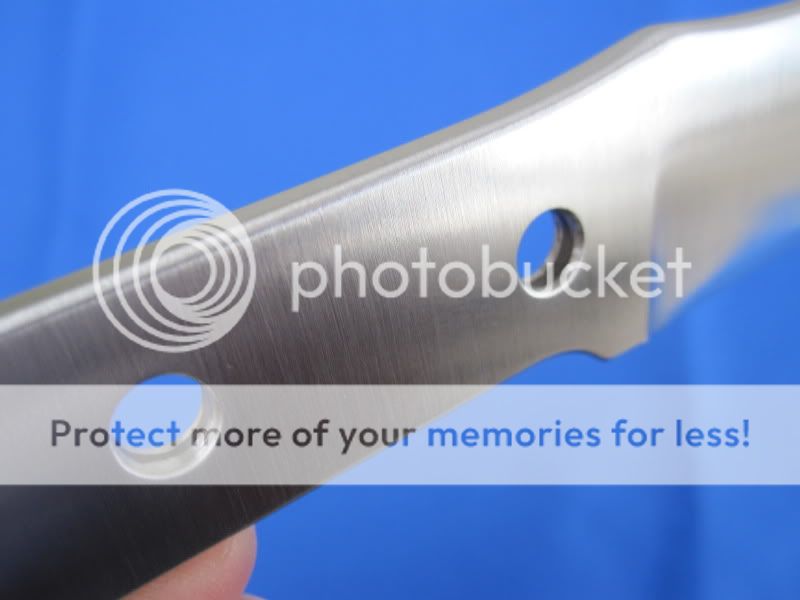
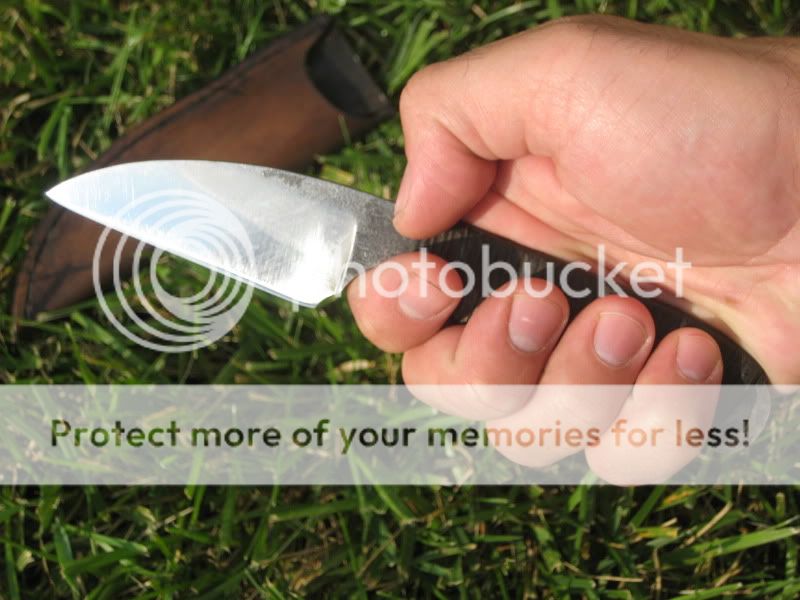
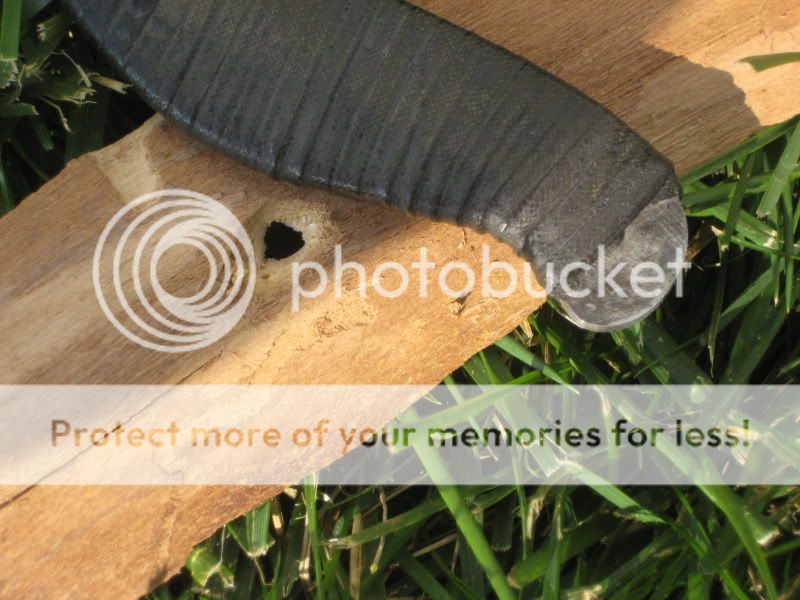
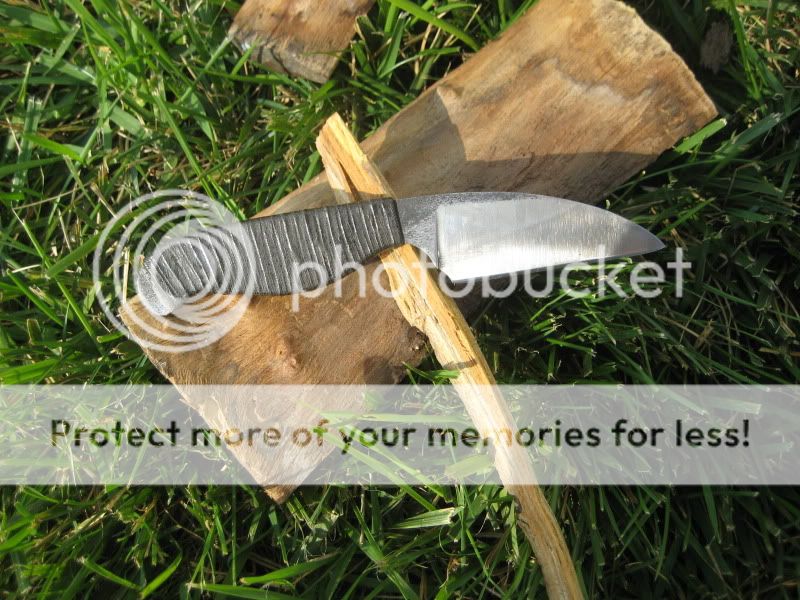
Nice knives pictured in the posts above.
I grew up to believe that a proper skinning knife had a curved blade. However most of my skinning is done with a much straighter knife nowadays.
I don't skin cows, buffalos or African game animals. I think that when hides do not easily pull away from the carcase, and when the skin has to be removed in good condition, then a curved skinning knife is probably a good tool for the job.
I feel that the trickiest cuts in skinning are the cuts that open the skin around and down the legs, and opening along the gut to the head. The little 'Wharnies' pictured above would be great for this job. After these initial opening cuts have been made, quite often I find that the skin can be pulled from the carcase without constantly having to use a knife. This is true for the animals I deal with anyway.
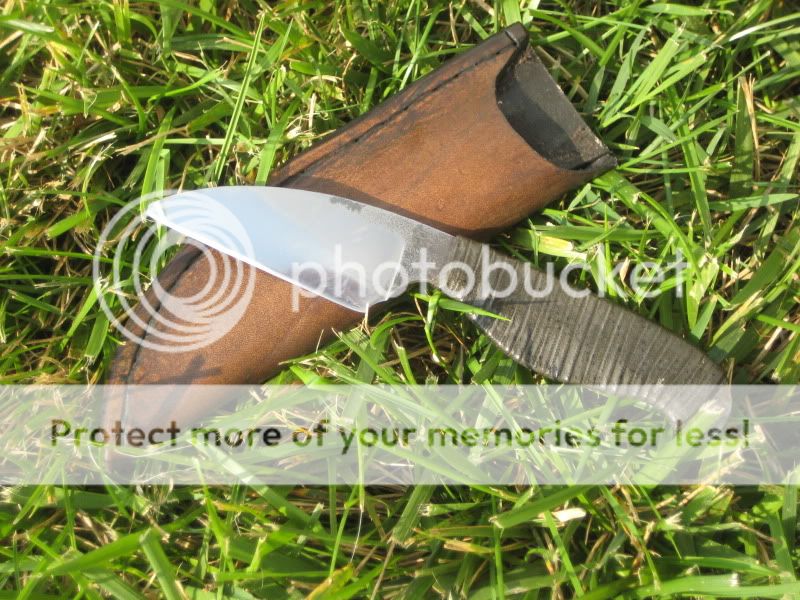
A while ago I enjoyed trapping our wild possums on a part time basis. I skinned a lot of them. Below is a picture showing three knives I might have typically used for the job. The top one is a cheap folding knife. I bought a number of these for less than US$2 each plus shipping. They performed surprisingly well as a general purpose knife for durability and holding an edge, but what I particularly liked was the shape for making the opening cuts on a possum. The two, rather crude looking, knives below the folder were made by me. Their construction is based on the 'karda' knives that came with kukris I purchased. I think the steel in the larger one was previously a bandsaw blade scrounged from a saw mill, and the smaller blade was ground from a broken kitchen knife. They don't have the exact Wharnie shape as shown earlier, but they do have fairly straight cutting edges and a flat 'angle' on the top of the blade. This is a good shape for opening a skin. I think of these blades as having a traditional 'seax' shape.