As far as dressing stones is concerned, nothing that my friend or I tried worked, not even aluminum oxide, cerium oxide, or goldsmith's powder, which is used for polishing precious metals.
Finally, after much deliberation, I bought an Atoma 400. I had not had good experiences with electroplated diamonds. But the Atoma is great. It does exactly what Dr. Marv describes on his blog. The stones now grind like new. The 0.5μm stone still causes scratches.
(I first sharpened a few cheap knives on the Atoma to remove loose particles, and since then, even after dressing 5 stones, the roughness of the Atoma has not changed).
I don't have a spectrograph at work. Only analytical software for surface roughness.
Thanks to the functional stones, I also completed pseudo-research on the effect of the lubricant used during grinding.
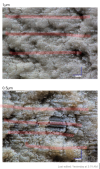
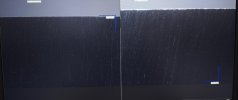
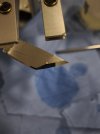
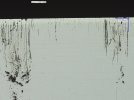
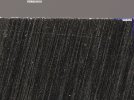
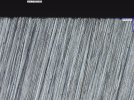
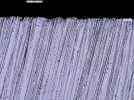
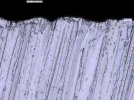
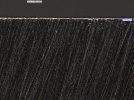
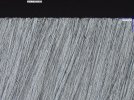
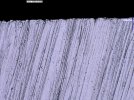
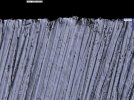
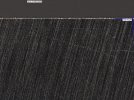
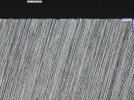
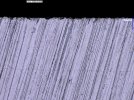
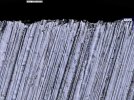
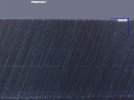
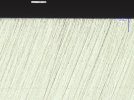
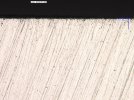
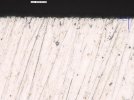
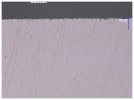
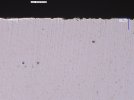
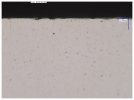
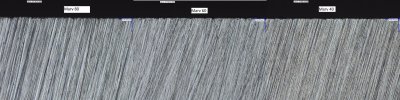
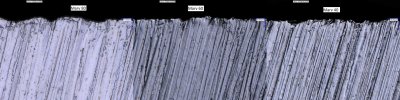
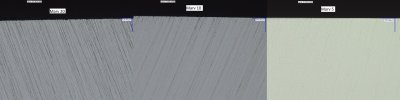
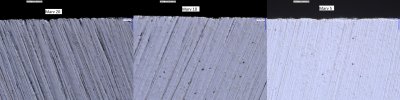
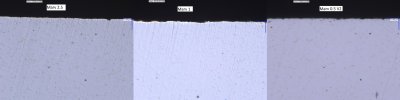
The results are inconclusive; the sharpness and surface of the ground area were indistinguishable to the naked eye, but small differences can be seen under a microscope at 2500x magnification.
The biggest influence is whether the oil clogs the stone a lot or a little.
The best were Blasogrind HC 5 and Sintogrind IG 540.
ISOPAR H had the best edge finish, but the stone clogged a lot.
Micellar water worked surprisingly well.
In my opinion, detergent and Johnson Baby oil performed the worst. The stone clogged the most after using them, and the stones were then the most difficult to clean.
Finally, after much deliberation, I bought an Atoma 400. I had not had good experiences with electroplated diamonds. But the Atoma is great. It does exactly what Dr. Marv describes on his blog. The stones now grind like new. The 0.5μm stone still causes scratches.
(I first sharpened a few cheap knives on the Atoma to remove loose particles, and since then, even after dressing 5 stones, the roughness of the Atoma has not changed).
I don't have a spectrograph at work. Only analytical software for surface roughness.
Thanks to the functional stones, I also completed pseudo-research on the effect of the lubricant used during grinding.
The results are inconclusive; the sharpness and surface of the ground area were indistinguishable to the naked eye, but small differences can be seen under a microscope at 2500x magnification.
The biggest influence is whether the oil clogs the stone a lot or a little.
The best were Blasogrind HC 5 and Sintogrind IG 540.
ISOPAR H had the best edge finish, but the stone clogged a lot.
Micellar water worked surprisingly well.
In my opinion, detergent and Johnson Baby oil performed the worst. The stone clogged the most after using them, and the stones were then the most difficult to clean.