Forwarded, as you may know to eräpuukko. In this one as well. keep it safe.Keep it simple, keep it traditional and historically correct ... wood working tools

-
The BladeForums.com 2024 Traditional Knife is available! Price is $250 ea (shipped within CONUS).
Order here: https://www.bladeforums.com/help/2024-traditional/
You are using an out of date browser. It may not display this or other websites correctly.
You should upgrade or use an alternative browser.
You should upgrade or use an alternative browser.
Finnish/Earlier Scandi axes - Kirves
- Thread starter Agent_H
- Start date
Can we agree on the wood working?Axe hafts were and are NEVER made from green wood here in Finland, we just have incredible sharp puukkos

Billnäs brutes from the bygone era: their biggest axe No. 1, biggest rafter hewing ("tar") axe No. 30.7 and pickaxe No. 113. All are unused and will remain as such as they are too heavy for me and I actually don´t have any appropriate task.
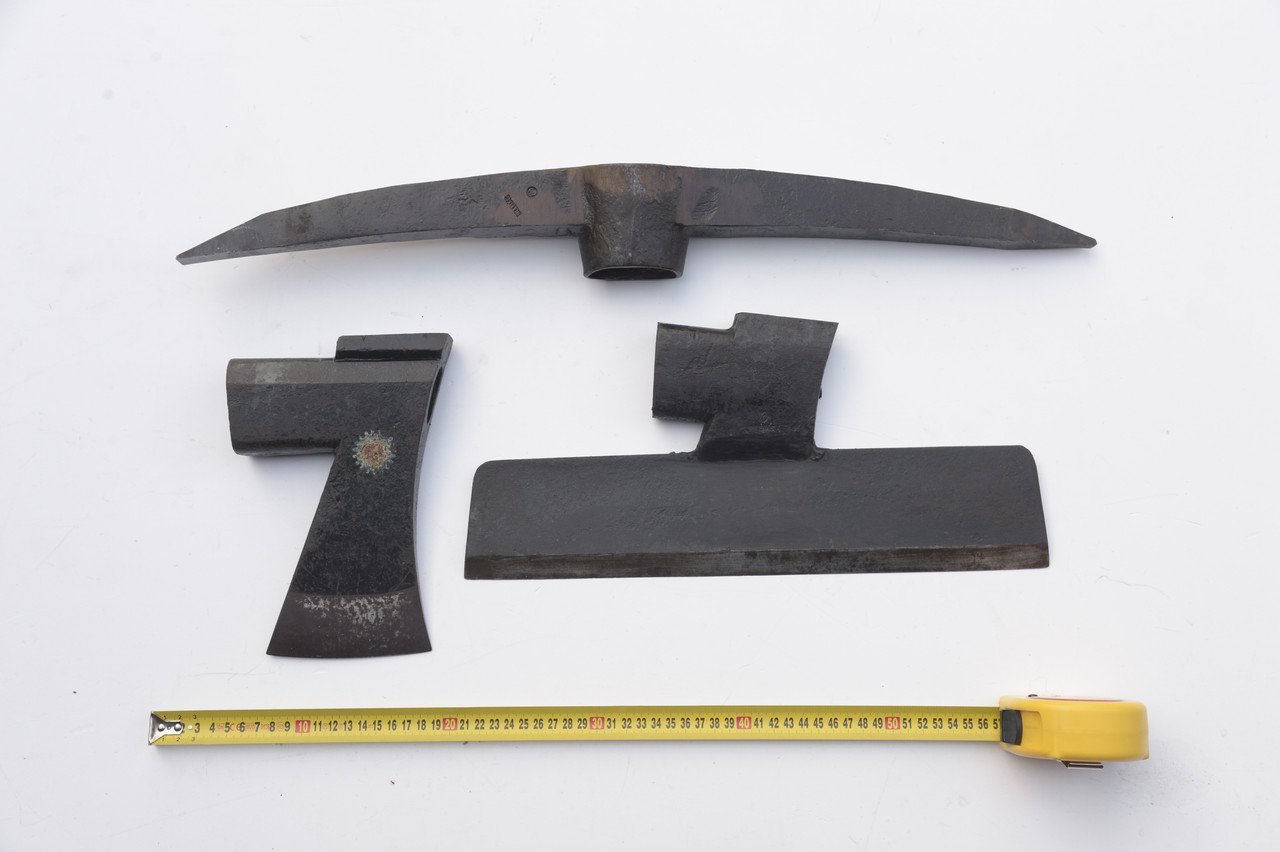
Finnish museum archive https://www.finna.fi/?lng=en-gb has some photos of these in use.
Here No.1, notice the haft:
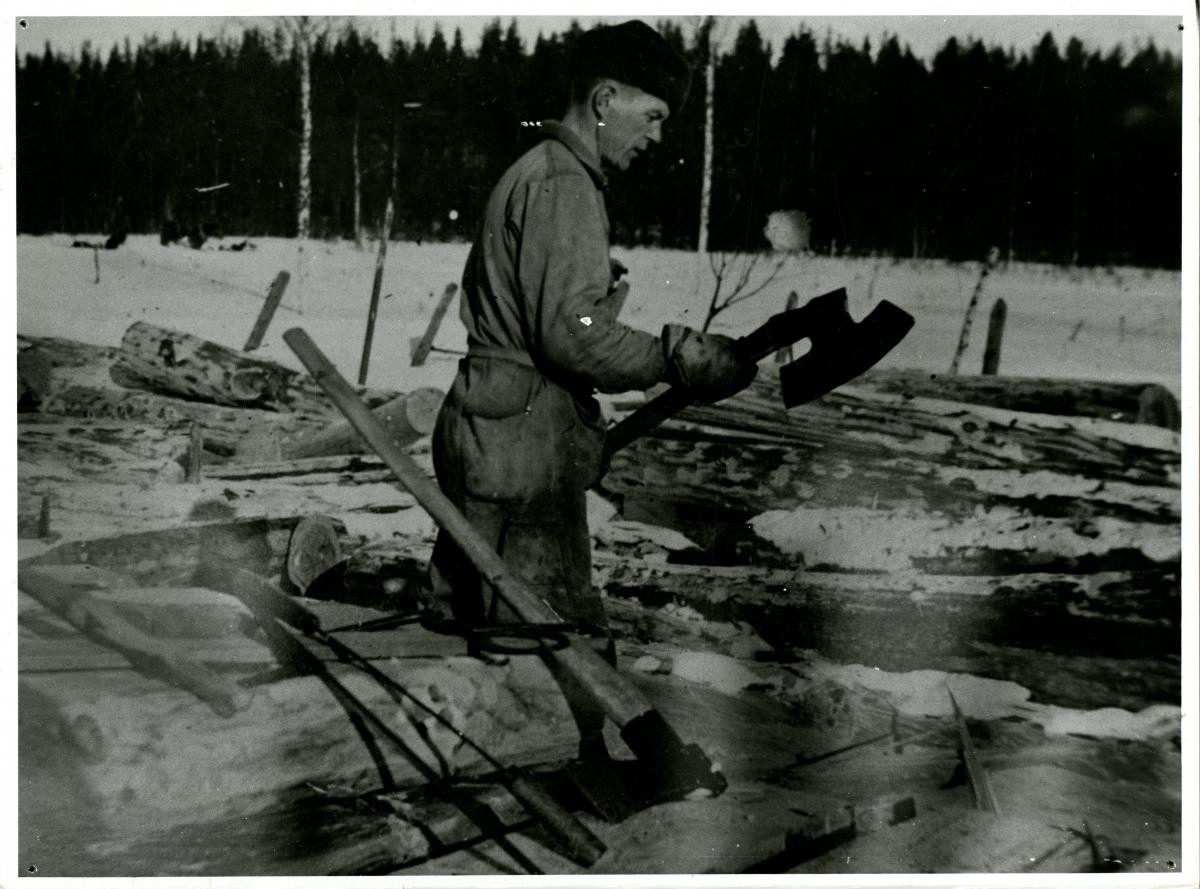
Here No. 37.1:
Finnish museum archive https://www.finna.fi/?lng=en-gb has some photos of these in use.
Here No.1, notice the haft:
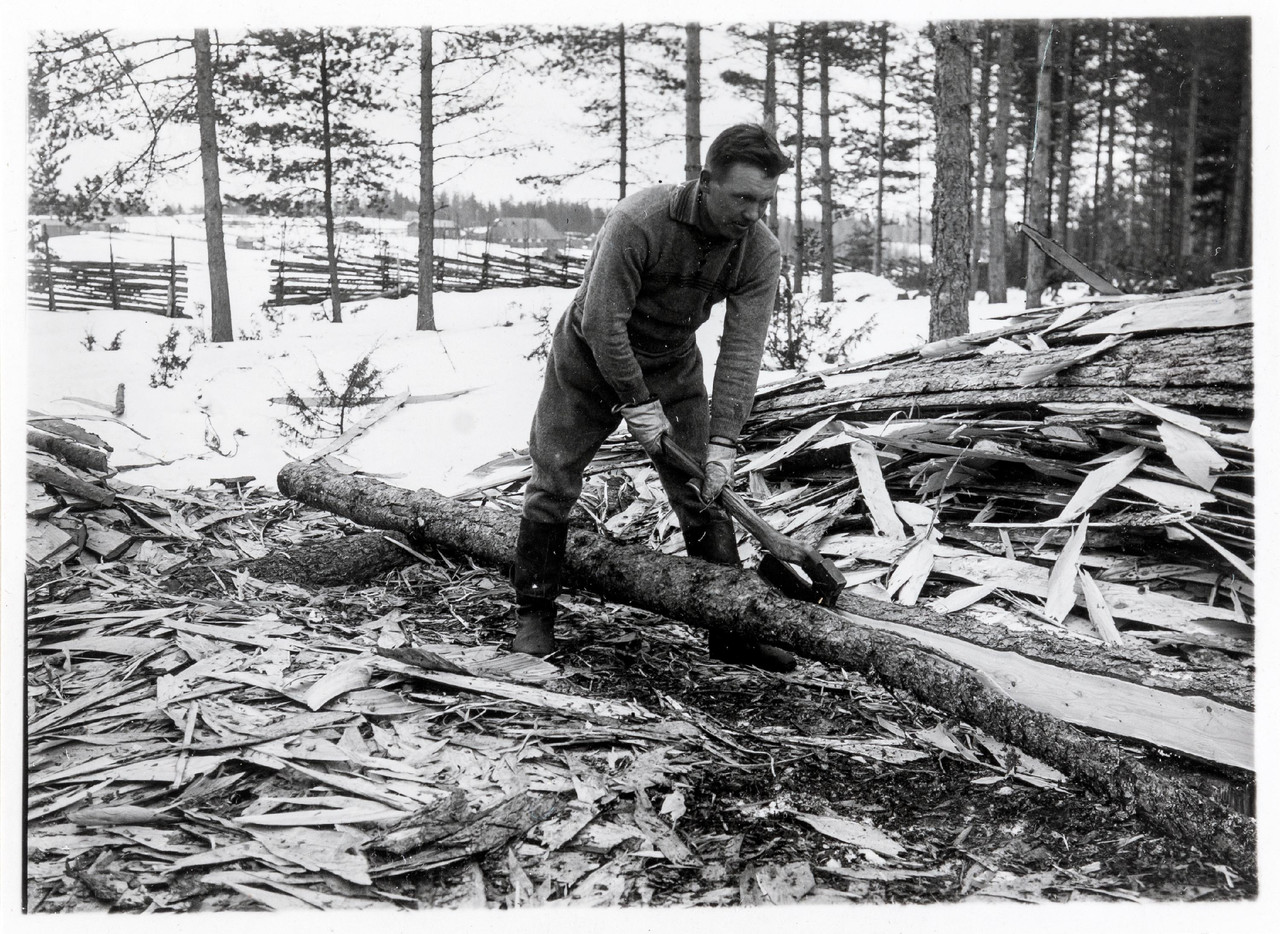
Here No. 37.1:
- Joined
- Jan 15, 2001
- Messages
- 4,224
veeteetee. Something your way comes. John
- Joined
- Jan 10, 2015
- Messages
- 1,155
veeteetee. Very interesting and informative historic photos, thanks ! I would like to make some comparisons to the historic American broad axe log hewing techniques.
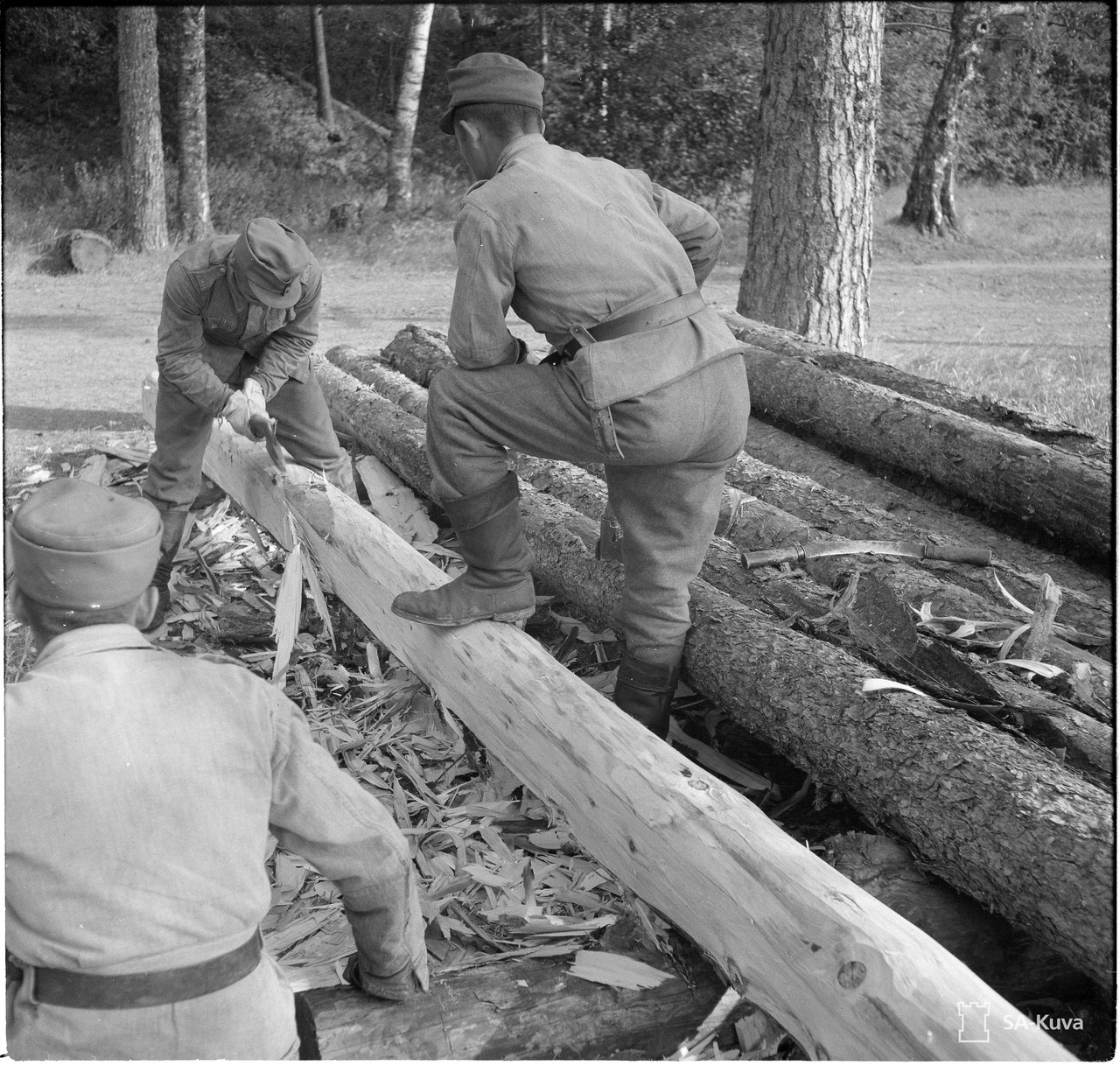
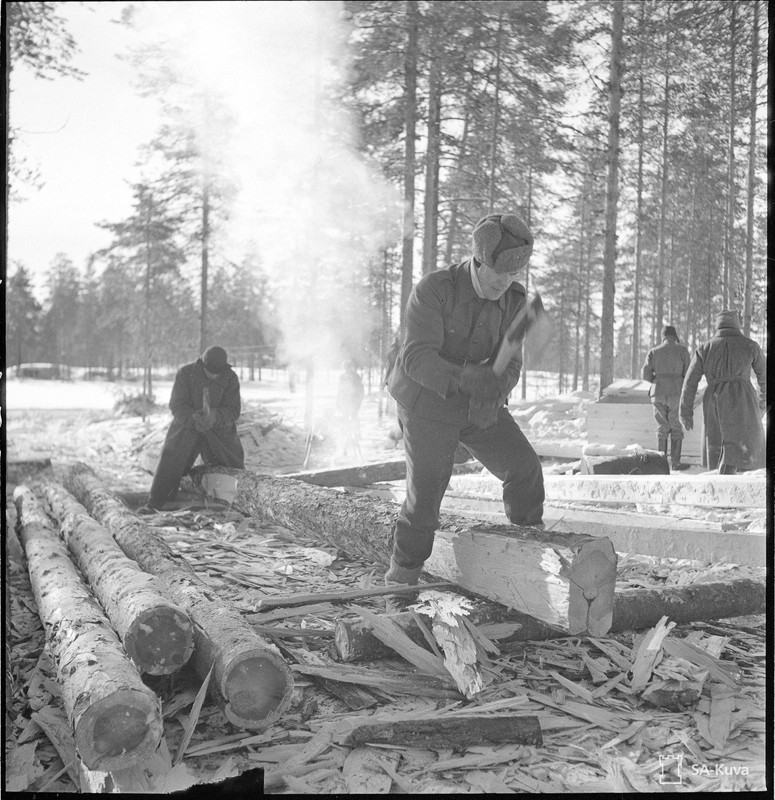
In the second photo I see a right hand off set broad axe head (side axe) with a S bend offset haft and what looks to be about 28" + or -. I see a felling/ scoring axe with a straight 36" to 38" + or - haft. I see what looks to be some type of bark spud. And I see the axeman using a hewing technique like the historic American technique to hew larger logs. He is standing with both feet on the same side of the log.
In the third photo I see the axeman using a small log hewing technique of standing with one foot on either side of the log. This technique is similar to one of the American Tie Hacker ( Rail Road Ties) techniques. In America a somewhat different large broad axe head pattern was used that has no offset head or haft, with a knife edge grind (see photo #18c on page 10 in "An Ax To Grind, a Practical Ax Manual", by the U S Forest Service). The axeman is using the same offset broad axe as in the second photo. Probably done so he does not have to carry two heavy broad axes to the log pile.
In the second photo I see a right hand off set broad axe head (side axe) with a S bend offset haft and what looks to be about 28" + or -. I see a felling/ scoring axe with a straight 36" to 38" + or - haft. I see what looks to be some type of bark spud. And I see the axeman using a hewing technique like the historic American technique to hew larger logs. He is standing with both feet on the same side of the log.
In the third photo I see the axeman using a small log hewing technique of standing with one foot on either side of the log. This technique is similar to one of the American Tie Hacker ( Rail Road Ties) techniques. In America a somewhat different large broad axe head pattern was used that has no offset head or haft, with a knife edge grind (see photo #18c on page 10 in "An Ax To Grind, a Practical Ax Manual", by the U S Forest Service). The axeman is using the same offset broad axe as in the second photo. Probably done so he does not have to carry two heavy broad axes to the log pile.


- Joined
- Mar 8, 2008
- Messages
- 26,314
In my scythe research I've found that there was a LOT of back-and-forth knowledge and design sharing between American and Nordic sources, likely due to the trade we had with them for both high-grade iron and for economical finished tools. In the USA during the golden age of axes we got our "cheap" imported tools from Austria but our "cheap but good" tools from the Nordic nations, most particularly Sweden, and in the Nordic nations they did import some American tools of our own domestic patterns, and even produced some tools in a style at least LABELED as "American" which more typically really meant "American-esque" where some of our design elements were incorporated into their own local ones. In the UK they had similar trade ties and saw the adoption of some Nordic styles of trimming tools, made in the UK, though under English marketing names.veeteetee. Very interesting and informative historic photos, thanks ! I would like to make some comparisons to the historic American broad axe log hewing techniques.
In the second photo I see a right hand off set broad axe head (side axe) with a S bend offset haft and what looks to be about 28" + or -. I see a felling/ scoring axe with a straight 36" to 38" + or - haft. I see what looks to be some type of bark spud. And I see the axeman using a hewing technique like the historic American technique to hew larger logs. He is standing with both feet on the same side of the log.
In the third photo I see the axeman using a small log hewing technique of standing with one foot on either side of the log. This technique is similar to one of the American Tie Hacker ( Rail Road Ties) techniques. In America a somewhat different large broad axe head pattern was used that has no offset head or haft, with a knife edge grind (see photo #18c on page 10 in "An Ax To Grind, a Practical Ax Manual", by the U S Forest Service). The axeman is using the same offset broad axe as in the second photo. Probably done so he does not have to carry two heavy broad axes to the log pile.
- Joined
- Jan 15, 2001
- Messages
- 4,224
A good friend of mine told me that Weyerhaeuser had agents at Ellis Island looking for Scandinavians who had been in the forestry business back home. They recruited them to come to Washington State and "Homestead" I think it was 5 acres (maybe more) and work for Weyerhaeuser and after 5 years sell the property to Weyerhaeuser. ad continue to work for them. Many Finns went to the UP (Upper Peninsular) and also worked the forest industry. Leads me to think that because of these movements and migration, it is not strange that similar hewing techniques are found both in Finland and the USA. JohnIn my scythe research I've found that there was a LOT of back-and-forth knowledge and design sharing between American and Nordic sources, likely due to the trade we had with them for both high-grade iron and for economical finished tools. In the USA during the golden age of axes we got our "cheap" imported tools from Austria but our "cheap but good" tools from the Nordic nations, most particularly Sweden, and in the Nordic nations they did import some American tools of our own domestic patterns, and even produced some tools in a style at least LABELED as "American" which more typically really meant "American-esque" where some of our design elements were incorporated into their own local ones. In the UK they had similar trade ties and saw the adoption of some Nordic styles of trimming tools, made in the UK, though under English marketing names.
Last edited:
- Joined
- Jan 10, 2015
- Messages
- 1,155
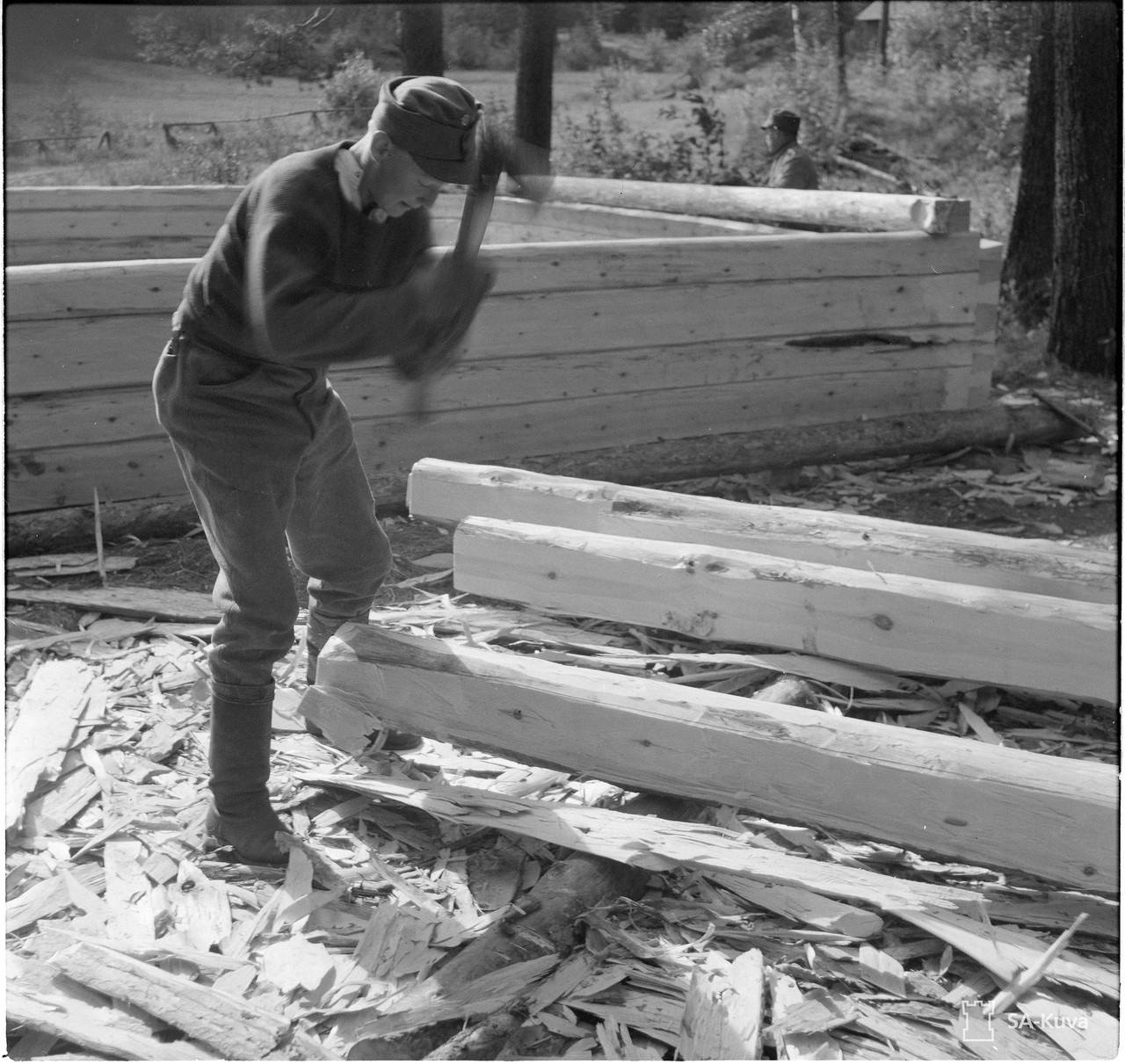
It is very sad to me that at this time in history the human race seems to be focused on things like computer chips (whatever they are ?), and social media sites, and AI, instead of broad axes and adzes and how to hew logs and build log structures.
Bernie
Bernie