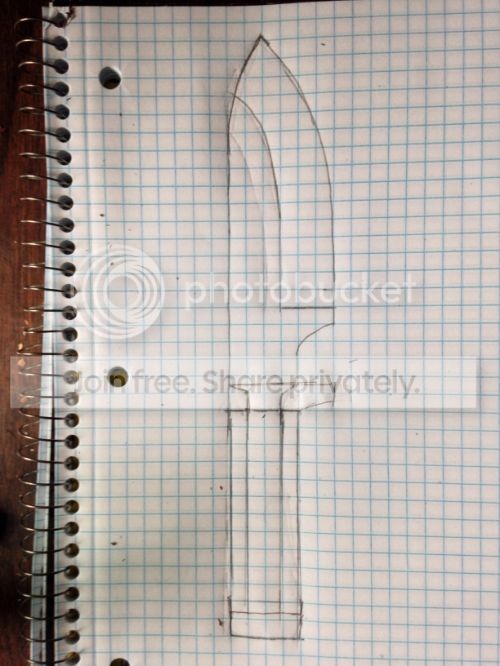
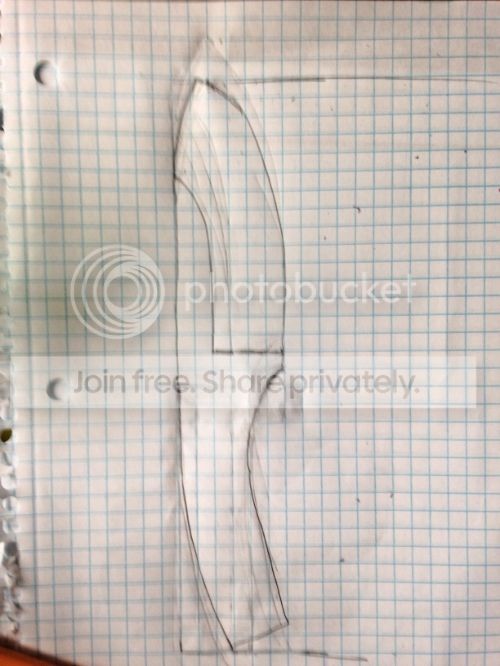
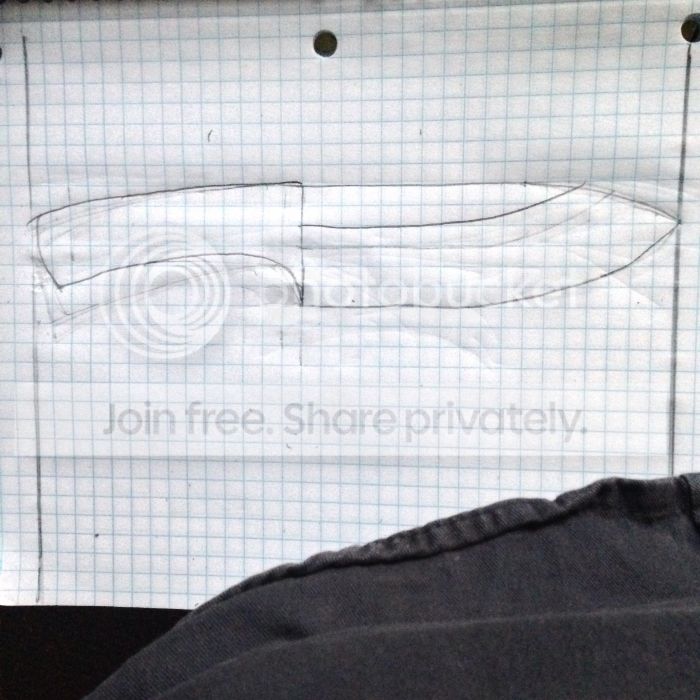
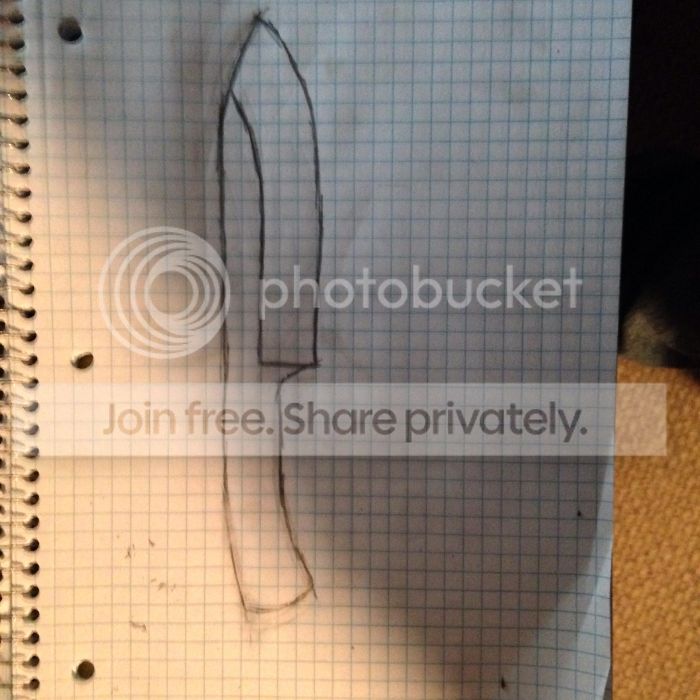
One thing I often hear is when designing a knife you should always consider how the knife is going to be used. Obviously, that is good, sound advice... but not something a beginner will be able to fully understand.
Consider the difference between a box cutter and a chef's knife. Sure, you COULD cut vegetables with a box cutter, but why would you want to? A Chef's knife is much more efficient for that purpose. Likewise, a chef's knife could be used to open boxes, but it isn't the best tool for that purpose.
Applying that same principle in more subtle design elements is an advanced skill. How much mass should the blade have? What edge geometry will work best for the material that needs to be cut? How large or pointy should the tip be? How many edges are needed? At what angle of approach will the blade typically be used? How should the handle be made to avoid hot spots or hand slippage?
Thinking of these points will help you avoid superfluous design elements that would potentially make the blade less useful. Things like bulges in the ricasso, for example, that prevent you from using the back half of the blade.
Designing a knife isn't just about making something pretty or cool. In fact, pretty/cool should be the last thing you think about, after you have figured out how to make it functional.