Photos Hello, newcomer from Barcelona

Joined
Feb 15, 2026
Messages
148
Hi everyone,

I am a new axe collector, though I have been collecting European knives for several years. To be honest, one hobby led to the other by pure chance.

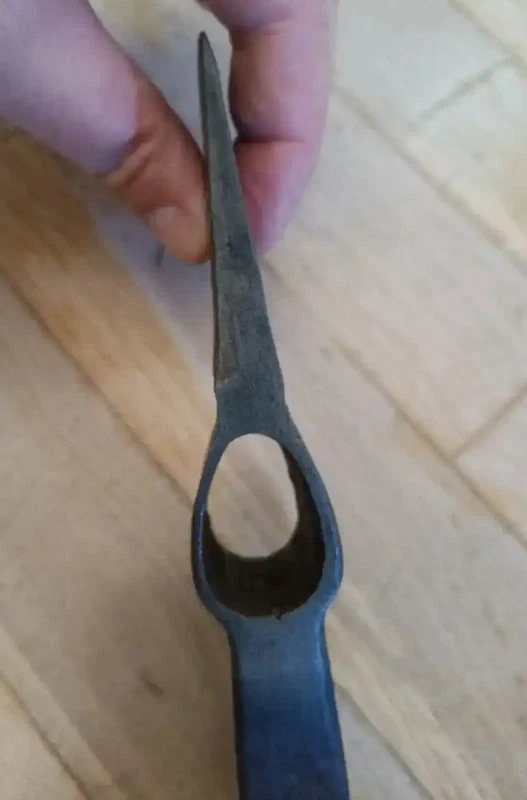
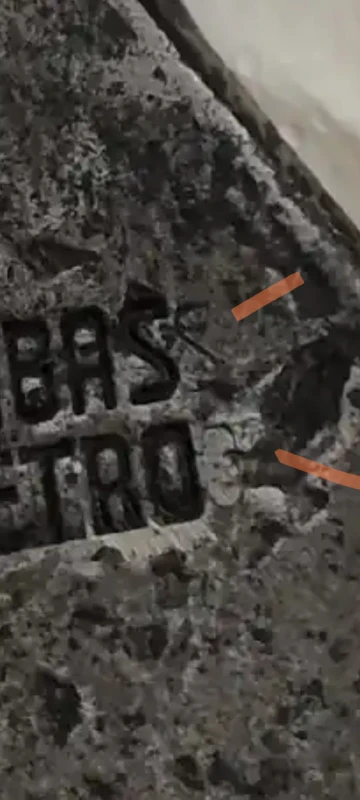
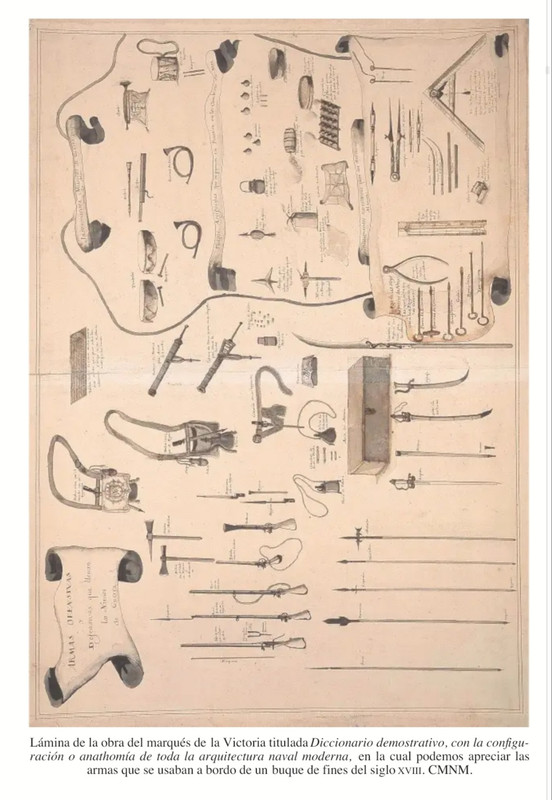
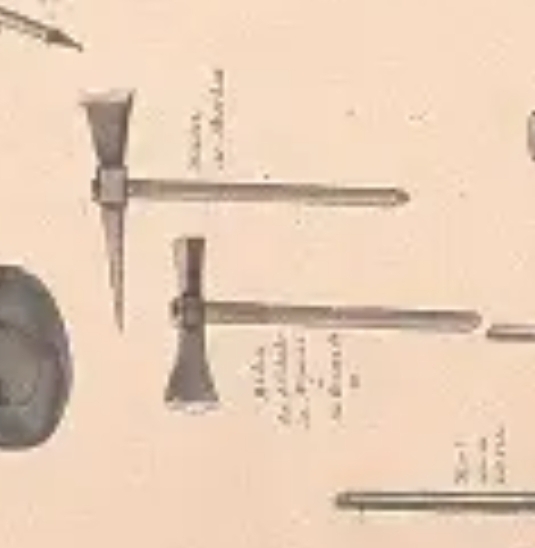
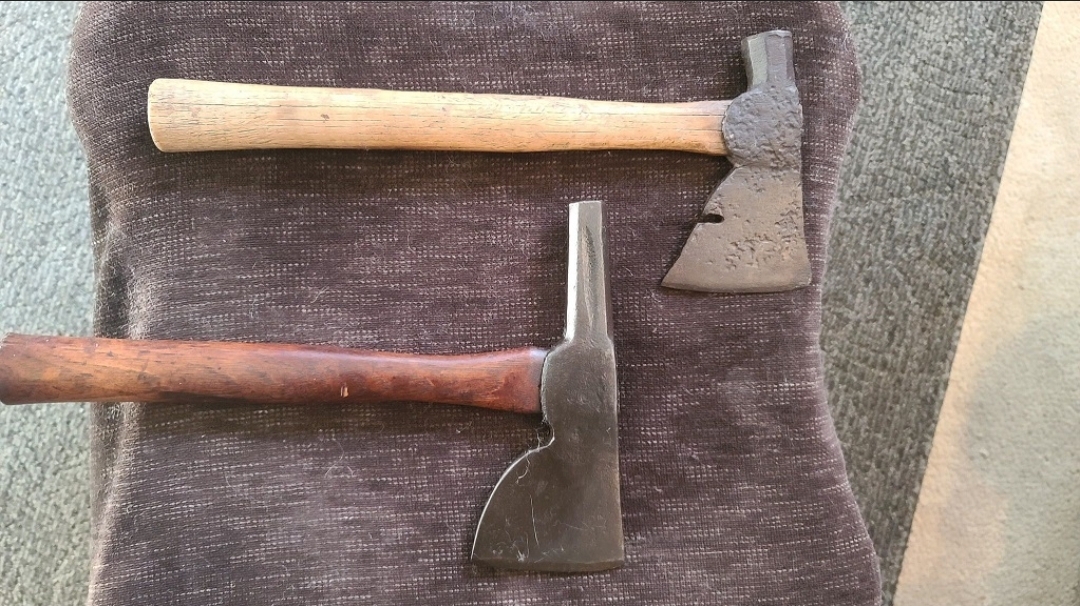
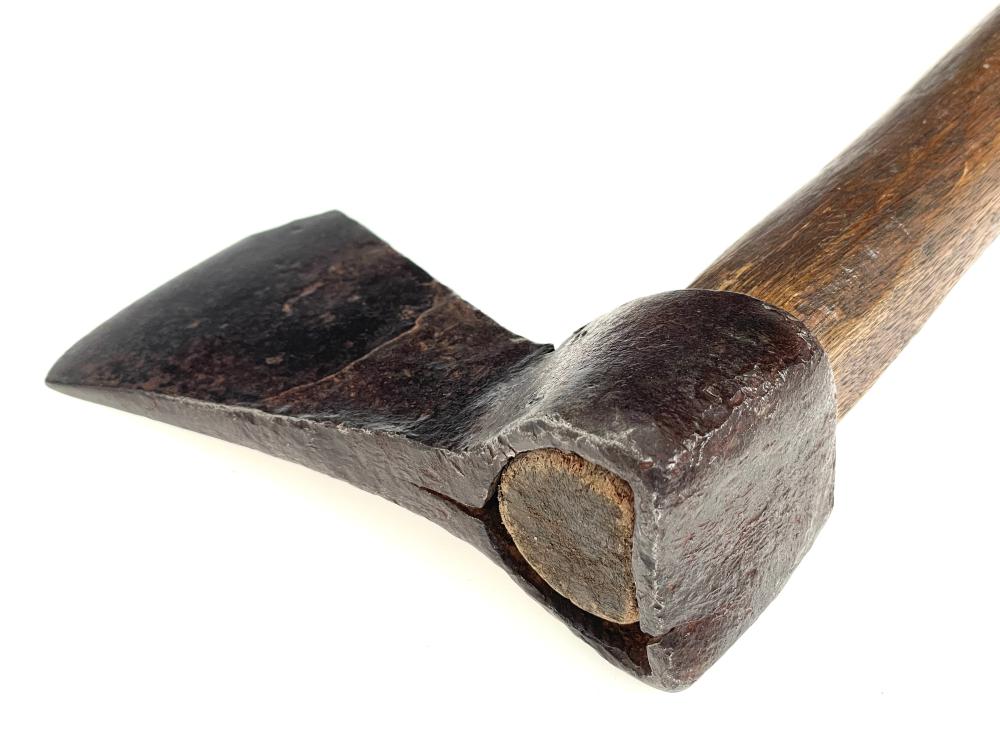
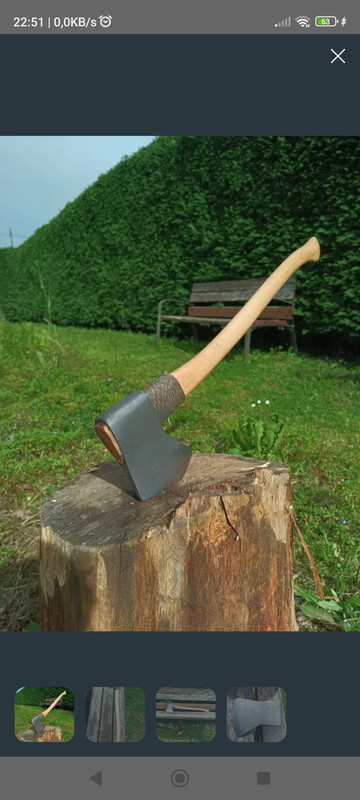
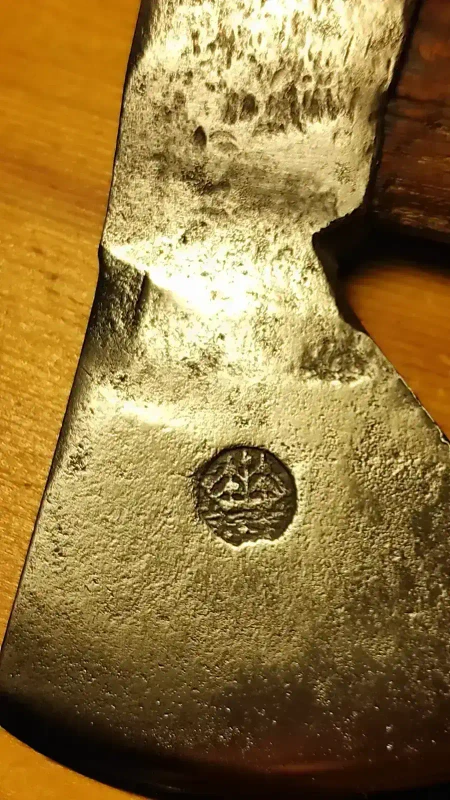
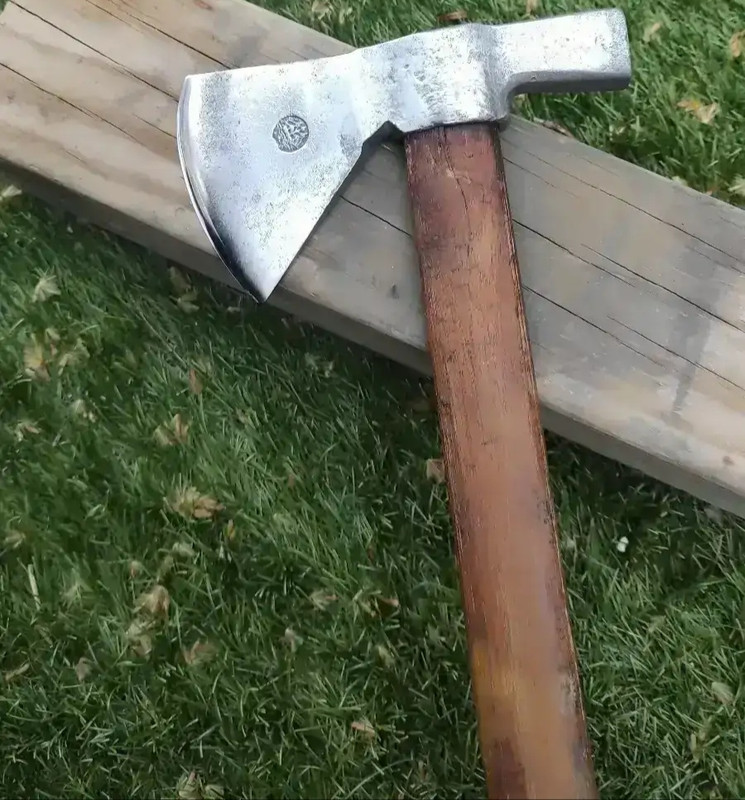
I would like to show you my first two pieces, which I believe date back to the first half of the 20th century. The first one is a Basque-style axe (Ferrerias Vizcaínas). I have consulted with one of the leading experts and active blacksmiths in my country, and he identified this as an axe designed for work on Spanish Navy ships.

This piece is made of iron with a carbon steel insert (pre-industrial method). Notice how similar it is to a tomahawk. The Basque people traded very similar axes with Native Americans in the past..."
IMG_20260218_120506.webp

IMG_20260307_203406.jpg

IMG-20260215-162533.webp


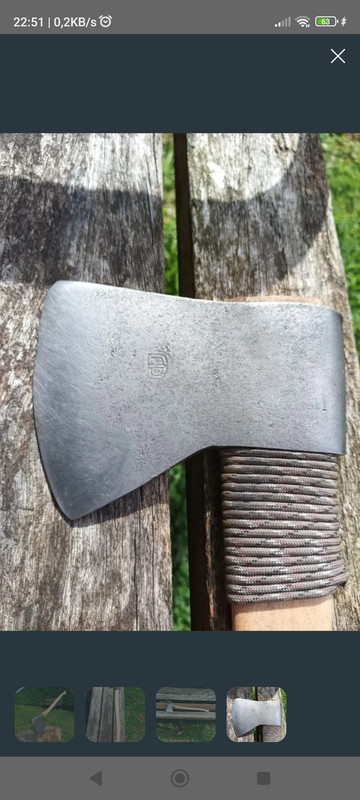
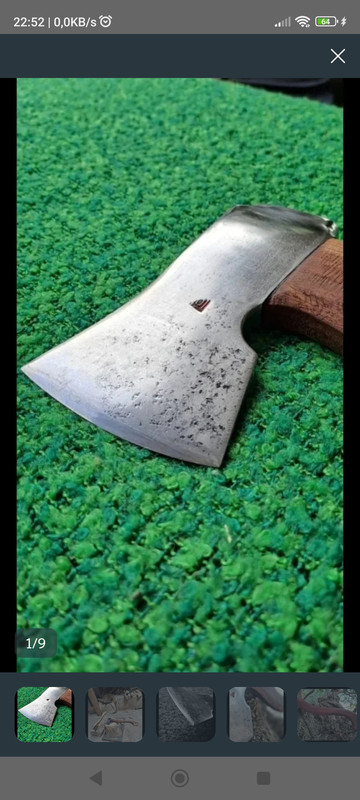
The next one is a Piedmontese axe from the commune of Netro, and it is about to be sharpened. This is also a traditional axe from the early 20th century (according to AI analysis)...

IMG_20260306_181803(1).webp

IMG_20260306_190340(1).webp

Screenshot_2026_03_07_18_12_58_043_edit_com_miui_gallery.webp


Have I made a good start to my collection? I would love to hear any comments or insights from you experts regarding these two axes.
 
Welcome, and congrats on getting into axe collecting! Ugaldie Ugaldie may have some information for you regarding your examples. I have little experience with Spanish patterns, only some experience with Italian onces, but the first one is very similar in form to Italian carpenter axes so I could certainly see them being useful in naval settings during the age of sail, but I could also imagine it having been simply a standard carpenter's axe; I don't have the experience of the fellow you consulted with, though, and will take his word for it! The other is a nice example of the Piemonte style, indeed. Very nearly looks like Rinaldi's current production, though clearly a little older! If it's at all like Rinaldi axes it should be nice and hard and probably rings like a bell if you flick it with a finger. Very nice!
 
Welcome, and congrats on getting into axe collecting! Ugaldie Ugaldie may have some information for you regarding your examples. I have little experience with Spanish patterns, only some experience with Italian onces, but the first one is very similar in form to Italian carpenter axes so I could certainly see them being useful in naval settings during the age of sail, but I could also imagine it having been simply a standard carpenter's axe; I don't have the experience of the fellow you consulted with, though, and will take his word for it! The other is a nice example of the Piemonte style, indeed. Very nearly looks like Rinaldi's current production, though clearly a little older! If it's at all like Rinaldi axes it should be nice and hard and probably rings like a bell if you flick it with a finger. Very nice!
Hi! Great to meet you.

Regarding the Basque naval axe: let me explain. This is indeed a carpenter's pattern, and the original design and manufacturing were Spanish (from the 16th century through the early 20th). Due to its build quality and utility, the French and English began to copy it, followed later by the Germans, Italians, and others. This isn't just my opinion; it’s well-documented. It is also documented that the Spanish Basques introduced this pattern to North America. In fact, France, Spain, and Germany were the primary origins of carbon steel technology.

As for the Italian axe, I know less about its metallurgy. I do know that Netro was a major production hub from the early 1900s until the 1960s, but not much else.

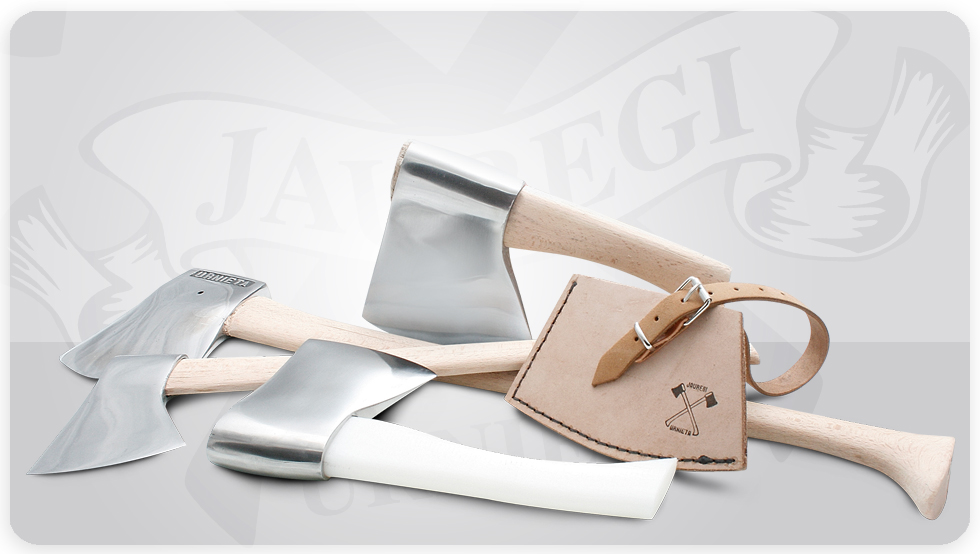
If you ever need information on Spanish axes or knives, I have access to reliable sources. For my Basque axe, I consulted the Jauregui family—some of the last true artisan axe makers remaining in Spain and Europe. They actually have an identical piece in their private collection. These were specific commissions from the Spanish government for the Navy.

IMG_20260411_001448.jpg

Screenshot_2026_04_11_00_10_26_537_edit_org_mozilla_firefox.jpg
 
Last edited:
Hi! Great to meet you.

Regarding the Basque naval axe: let me explain. This is indeed a carpenter's pattern, and the original design and manufacturing were Spanish (from the 16th century through the early 20th). Due to its build quality and utility, the French and English began to copy it, followed later by the Germans, Italians, and others. This isn't just my opinion; it’s well-documented. It is also documented that the Spanish Basques introduced this pattern to North America. In fact, France, Spain, and Germany were the primary origins of carbon steel technology.

As for the Italian axe, I know less about its metallurgy. I do know that Netro was a major production hub from the early 1900s until the 1960s, but not much else.

If you ever need information on Spanish axes or knives, I have access to reliable sources. For my Basque axe, I consulted the Jauregui family—some of the last true artisan axe makers remaining in Spain and Europe. They actually have an identical piece in their private collection. These were specific commissions from the Spanish government for the Navy.
I haven't seen any North American trade axes (from the Basque region) with hammer polls on them. Many conventional axes, yes, but not any with such an adaptation to them.
 
I haven't seen any North American trade axes (from the Basque region) with hammer polls on them. Many conventional axes, yes, but not any with such an adaptation to them.
Hi! It’s true that the 'standard' Basque axe of that era—the ones used by woodsmen and villagers—did not have a poll. You are correct about that. However, the naval version (the sailor’s axe) did have one, as the back was designed for driving wooden pins or nails.

These were the axes that first reached North America through the ships and the natives who encountered them. The French and English carried them as well. You have to imagine a battle between Spanish and English galleons; everything that was standard issue equipment could become a weapon. At that time, my country was what the USA is today: a colonial power (with all the good and bad that entails).

Modern metallurgy arrived in North America with the Europeans, which is where the 'Tomahawk' we all imagine today comes from. There are also other influences, such as Asian axe patterns that Europeans encountered and adapted during their colonial adventures.
After the Vikings, the Basques were among the first Europeans to make contact with the indigenous peoples of North America. Years ago in New York, I saw an exhibition on this very subject. There are even native groups in Canada who still use words of Basque origin in their language.
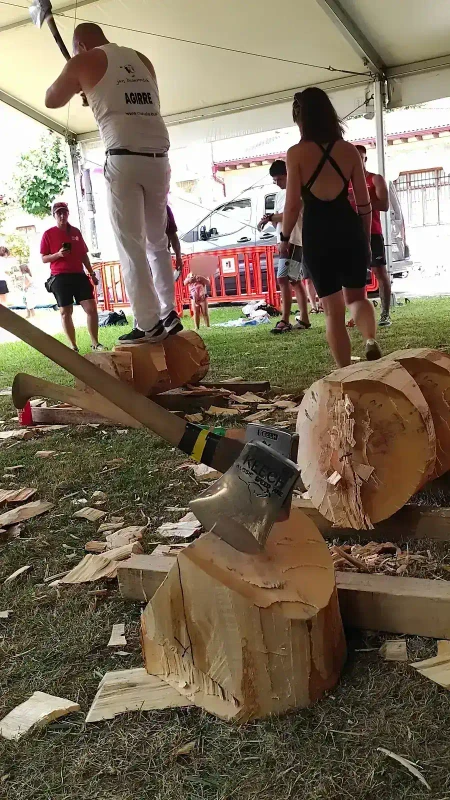
IMG-20250815-162514.webp


Traditional Basque wood-chopping sport (using both Australian and Basque pattern axes)
 
Last edited:
Hi! It’s true that the 'standard' Basque axe of that era—the ones used by woodsmen and villagers—did not have a poll. You are correct about that. However, the naval version (the sailor’s axe) did have one, as the back was designed for driving wooden pins or nails.

These were the axes that first reached North America through the ships and the natives who encountered them. The French and English carried them as well. You have to imagine a battle between Spanish and English galleons; everything that was standard issue equipment could become a weapon. At that time, my country was what the USA is today: a colonial power (with all the good and bad that entails).

Modern metallurgy arrived in North America with the Europeans, which is where the 'Tomahawk' we all imagine today comes from. There are also other influences, such as Asian axe patterns that Europeans encountered and adapted during their colonial adventures.
After the Vikings, the Basques were among the first Europeans to make contact with the indigenous peoples of North America. Years ago in New York, I saw an exhibition on this very subject. There are even native groups in Canada who still use words of Basque origin in their language.
I wish i spoke Spanish. I could imagine there were15th century Spanish wrecks recovered. There have to be some pictures of tools recovered.
 
I wish i spoke Spanish. I could imagine there were15th century Spanish wrecks recovered. There have to be some pictures of tools recovered.
You’re right! There is a wealth of underwater archaeology in Spain. One of the most famous examples is the San Juan (1565), a Basque whaling galleon found in Red Bay, Canada. The Canadian and Spanish archaeologists recovered many tools there, including axes that look remarkably like the ancestors of the modern Basque pattern.

If you are interested, I can look for some specific archival photos from the Albaola museum or the Spanish Navy's archives (Museo Naval de Madrid). Those 16th-century shipwrecks are the 'missing link' between European medieval axes and the American trade axes we know today.


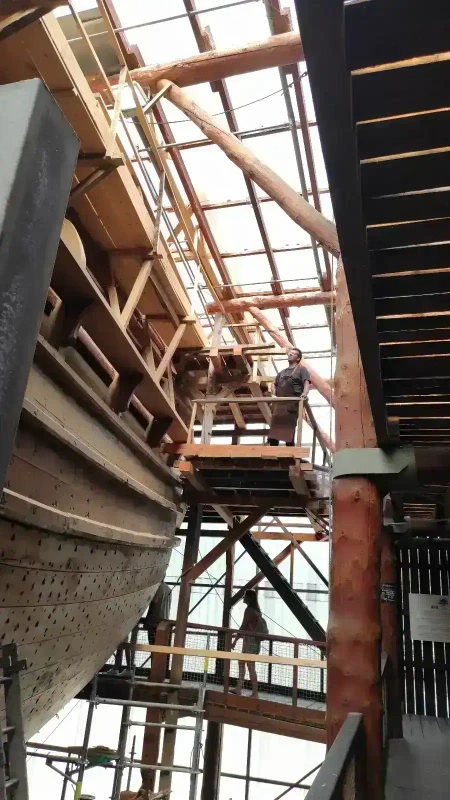
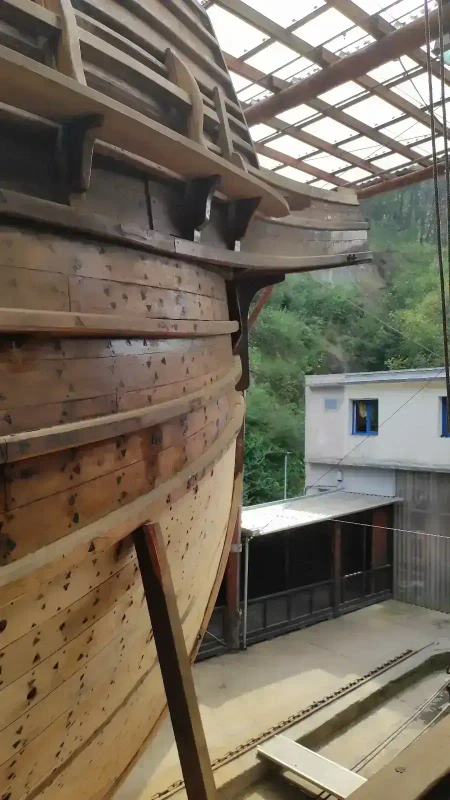
IMG_20250817_164756.webp

IMG_20250817_164340(1).webp

IMG_20250817_165154.webp

I was lucky enough to see the construction of a period ship this summer, which will sail to Canada to commemorate Basque whaling history and the trade exchanges with indigenous peoples.

I actually bought this axe for 15 euros on a second-hand app just to cut down a tree in my garden, and then curiosity got the better of me and I wanted to know its history. My brother lives in the Basque Country (Spain), and one thing led to another. I’m a teacher, so I guess I just love learning new things! 🤣
 
Last edited:
You’re right! There is a wealth of underwater archaeology in Spain. One of the most famous examples is the San Juan (1565), a Basque whaling galleon found in Red Bay, Canada. The Canadian and Spanish archaeologists recovered many tools there, including axes that look remarkably like the ancestors of the modern Basque pattern.

If you are interested, I can look for some specific archival photos from the Albaola museum or the Spanish Navy's archives (Museo Naval de Madrid). Those 16th-century shipwrecks are the 'missing link' between European medieval axes and the American trade axes we know today.
That would be great!! thanks
 
That would be great!! thanks
Since I have some free time today, I’ll look that up for you online. I live in Barcelona. And, as I mentioned, if you ever need information about Spanish knives or axes, I’m happy to help. I can assure you there are some truly beautiful pieces with centuries of history behind them. Europe is a small place!

On my end, I’m looking forward to learning more about American knives, which are highly valued here in Spain... Would you mind showing me some?
 
Hi! It’s true that the 'standard' Basque axe of that era—the ones used by woodsmen and villagers—did not have a poll. You are correct about that. However, the naval version (the sailor’s axe) did have one, as the back was designed for driving wooden pins or nails.

These were the axes that first reached North America through the ships and the natives who encountered them. The French and English carried them as well. You have to imagine a battle between Spanish and English galleons; everything that was standard issue equipment could become a weapon. At that time, my country was what the USA is today: a colonial power (with all the good and bad that entails).

Modern metallurgy arrived in North America with the Europeans, which is where the 'Tomahawk' we all imagine today comes from. There are also other influences, such as Asian axe patterns that Europeans encountered and adapted during their colonial adventures.
After the Vikings, the Basques were among the first Europeans to make contact with the indigenous peoples of North America. Years ago in New York, I saw an exhibition on this very subject. There are even native groups in Canada who still use words of Basque origin in their language.
IMG-20250815-162514.webp


Traditional Basque wood-chopping sport (using both Australian and Basque pattern axes)
I would have to see known surviving examples positively identified from the period before accepting as fact that the first axes that made it to America had hammer polls. To the best of my knowledge it was much more common for dedicated hammers or mallets to be used on ships of the period, and I have never seen archeological evidence of hammer-polled axes of any kind in or around America that are dated to the early colonial period. If you know of any such examples, it would certainly alter my understanding of the development of the tool over time. All hammer-polled axes in North America of any national origin that I'm aware of are from significantly later on. :)
 
I would have to see known surviving examples positively identified from the period before accepting as fact that the first axes that made it to America had hammer polls. To the best of my knowledge it was much more common for dedicated hammers or mallets to be used on ships of the period, and I have never seen archeological evidence of hammer-polled axes of any kind in or around America that are dated to the early colonial period. If you know of any such examples, it would certainly alter my understanding of the development of the tool over time. All hammer-polled axes in North America of any national origin that I'm aware of are from significantly later on. :)
I'll try to find it on the museum's website. I am going to Madrid and Toledo in April, and I will definitely stop by and take some photos. The Jauregui family told me that this axe is in the Naval Museum of San Sebastian (near Bilbao) with its original handle—short and curved—and it is officially cataloged as military equipment (Shipwrights).
 
Look at that:

"The San Juan (a Basque whaling galleon sunk in 1565), which was excavated in Red Bay, Canada. The findings were published in a massive 5-volume study by Parks Canada titled 'The Underwater Archaeology of Red Bay'."

"there are records of axes used by Basque shipwrights that feature a reinforced, flat back. While it may not be a 'hammer poll' in the modern sense (like a 19th-century American felling axe), it was a functional striking surface designed for the specific needs of naval construction. This predates the formal evolution of the American poll by centuries... "

The basque whalers

"One technical detail that explains the flat, reinforced back is the way shipwrights worked: they often used a wooden mallet to strike the poll of the axe. This allowed them to make deep, controlled 'mortise' cuts or to square off heavy ship timbers with precision in tight spaces. So, while it wasn't a hammer for iron nails, the back had to be flat and strong enough to receive those heavy blows from a mallet without deforming the eye of the axe."

.... 👇

"This ax is both tool and weapon and does deserve the title of 'tomahawk'. It should be noted that hammer pole tomahawks were issued to Sam Houston's 'Texican Army' and were used to graphic and bloody effect against Santa Anna's army after the Alamo. Likewise, Davie Crockett himself carried a presentation hammer pole tomahawk presented to him by friends in the 1820's."

Screenshot-2026-03-08-00-57-07-386-edit-org-mozilla-firefox.jpg


...

H22021-L343153691.jpg


"17th Century French Biscayne Trade Axe. Iron axes were tools commonly used by Native Americans following contact with Europeans. The shape of the axe head are typical of French trade axes of the 17th century. A study of trade axes from southeastern Ontario and Northwestern new York Iroquoian archaeological sites dating between 1550 and 1650 determined that the period 1600-1650. It was found on 56% of the axes from sites dating between 1630-1650 and was probably also common in the last half of the 17th century. Approx. Net Weight: 1.40lb."

(A part of the Basque Country was occupied by France; today it is known as the French Basque Country)

In summary: I don't deny that there are many different types of tomahawks. However, it is clear that the majority have a naval origin, and among those, a significant portion originates from the Basque Country (Spain). Both the hammer-poll tomahawk owned by Davy Crockett’s friends and my own are direct descendants of an axe designed with a functional striking surface (the poll) at the back.
We must remember that during the 18th and early 19th centuries, the iron trade from the Basque ports (Bilbao and Pasaia) was the backbone of Atlantic tools. Much of the steel used in the American frontier was originally forged in Basque "ferrerías" (ironworks). The design of both axes is simply the continuation of that tradition.
 
Last edited:
Look at that:

"The San Juan (a Basque whaling galleon sunk in 1565), which was excavated in Red Bay, Canada. The findings were published in a massive 5-volume study by Parks Canada titled 'The Underwater Archaeology of Red Bay'."

"there are records of axes used by Basque shipwrights that feature a reinforced, flat back. While it may not be a 'hammer poll' in the modern sense (like a 19th-century American felling axe), it was a functional striking surface designed for the specific needs of naval construction. This predates the formal evolution of the American poll by centuries... "

The basque whalers

"One technical detail that explains the flat, reinforced back is the way shipwrights worked: they often used a wooden mallet to strike the poll of the axe. This allowed them to make deep, controlled 'mortise' cuts or to square off heavy ship timbers with precision in tight spaces. So, while it wasn't a hammer for iron nails, the back had to be flat and strong enough to receive those heavy blows from a mallet without deforming the eye of the axe."

.... 👇

"This ax is both tool and weapon and does deserve the title of 'tomahawk'. It should be noted that hammer pole tomahawks were issued to Sam Houston's 'Texican Army' and were used to graphic and bloody effect against Santa Anna's army after the Alamo. Likewise, Davie Crockett himself carried a presentation hammer pole tomahawk presented to him by friends in the 1820's."

Screenshot-2026-03-08-00-57-07-386-edit-org-mozilla-firefox.jpg


...

H22021-L343153691.jpg


"17th Century French Biscayne Trade Axe. Iron axes were tools commonly used by Native Americans following contact with Europeans. The shape of the axe head are typical of French trade axes of the 17th century. A study of trade axes from southeastern Ontario and Northwestern new York Iroquoian archaeological sites dating between 1550 and 1650 determined that the period 1600-1650. It was found on 56% of the axes from sites dating between 1630-1650 and was probably also common in the last half of the 17th century. Approx. Net Weight: 1.40lb."

(A part of the Basque Country was occupied by France; today it is known as the French Basque Country)

In summary: I don't deny that there are many different types of tomahawks. However, it is clear that the majority have a naval origin, and among those, a significant portion originates from the Basque Country (Spain). Both the hammer-poll tomahawk owned by Davy Crockett’s friends and my own are direct descendants of an axe designed with a functional striking surface (the poll) at the back.
We must remember that during the 18th and early 19th centuries, the iron trade from the Basque ports (Bilbao and Pasaia) was the backbone of Atlantic tools. Much of the steel used in the American frontier was originally forged in Basque "ferrerías" (ironworks). The design of both axes is simply the continuation of that tradition.
It's worth noting that cutting thick ropes in English naval traditional was also often traditionally done by striking the back of a knife. I imagine there's no reason it wouldn't be similarly useful to do with an axe if you had one available to you.
 
Ongi etorri F Falcata , entras fuerte.

Nice pair of axes, go on! The world of axes is very interesting and vast. It opens your mind to a new world and new ways of seeing things.

As the Spanish say “you’ve opened a lot of melons.” There’s a lot to discuss in what you’ve already brought up. I don’t have much time right now, but I’ll write as much as I can while I have the time.

Regards!
 
Here I am again. First and foremost, we need to clarify some concepts. The terms Biscayne, Biscayan, or whatever you prefer to pronounce, and Basque have been used similarly by outsiders, much like the terms England, Britain and UK. But surprisingly, even people who seem to have researched it get confused. So let's move forward, I'll keep it simple and as much politically free as I can.

Basque, this term refers to the Basque culture people, where they live and all related artifacts, axes included. There are seven historical provinces, divided into three main regions, each under two different national administrations, France and Spain. It's the equivalent of the UK.

Basques of all times have had close ties with other Basques. There has been significant movement of both goods and people, taking full advantage of what each administration had to offer. It has been common for Basques to flow between regions. When the Bayonne area needed sailors or ore (since the major iron production was largely on the Spanish side), it was common to find them on the Spanish side and vice versa. Even if Spain and France were at war, Spanish laws attempting to limit this movement were promulgated at the time. This is a very interesting topic, but I'm trying to avoid deep rabbit holes, so let's move on to the next term.

Euskadi, Vascongadas or Basque Country, this refers to one of the major administrative areas on the Spanish side. Biscay is a part of it. This may be the equivalent of Britain.

Biscay is a Basque province. It was the most powerful province both administratively and nobly, and one of the strongest maritime and industrial regions. The people of Biscay are called Biscayans, Biscayne... but not only them. At least since the 16th century, the terms Biscayne and Basque have been synonyms, at least in the Iberian Peninsula and the Americas. Even today the Royal Spanish Academy recognizes "Biscayne" as a now-obsolete synonym for Basque people and their language. This is similar to the usage of "English."

Several types of axes have originated from this region. First, the Biscayne axe. Even axes shipped in Bayonne were referred to using this term, but there is no direct evidence indicating which of the two concepts the term specifically refers to.

Second, Vascongadas/Euskadi axe, now extinct. This can be seen as the middle step between the Biscayne and Basque axe. It was wider than Biscayne and it had clearly pronounced cheeks and bit curve.

Third, the Basque axe as we know it today. Although there are some references suggesting that there may have been two designs in the past, this is the axe of the Basques as a whole, from both sides of the border.

It has taken me more than I thought. I'll continue when i can.
 
Here I am again. First and foremost, we need to clarify some concepts. The terms Biscayne, Biscayan, or whatever you prefer to pronounce, and Basque have been used similarly by outsiders, much like the terms England, Britain and UK. But surprisingly, even people who seem to have researched it get confused. So let's move forward, I'll keep it simple and as much politically free as I can.

Basque, this term refers to the Basque culture people, where they live and all related artifacts, axes included. There are seven historical provinces, divided into three main regions, each under two different national administrations, France and Spain. It's the equivalent of the UK.

Basques of all times have had close ties with other Basques. There has been significant movement of both goods and people, taking full advantage of what each administration had to offer. It has been common for Basques to flow between regions. When the Bayonne area needed sailors or ore (since the major iron production was largely on the Spanish side), it was common to find them on the Spanish side and vice versa. Even if Spain and France were at war, Spanish laws attempting to limit this movement were promulgated at the time. This is a very interesting topic, but I'm trying to avoid deep rabbit holes, so let's move on to the next term.

Euskadi, Vascongadas or Basque Country, this refers to one of the major administrative areas on the Spanish side. Biscay is a part of it. This may be the equivalent of Britain.

Biscay is a Basque province. It was the most powerful province both administratively and nobly, and one of the strongest maritime and industrial regions. The people of Biscay are called Biscayans, Biscayne... but not only them. At least since the 16th century, the terms Biscayne and Basque have been synonyms, at least in the Iberian Peninsula and the Americas. Even today the Royal Spanish Academy recognizes "Biscayne" as a now-obsolete synonym for Basque people and their language. This is similar to the usage of "English."

Several types of axes have originated from this region. First, the Biscayne axe. Even axes shipped in Bayonne were referred to using this term, but there is no direct evidence indicating which of the two concepts the term specifically refers to.

Second, Vascongadas/Euskadi axe, now extinct. This can be seen as the middle step between the Biscayne and Basque axe. It was wider than Biscayne and it had clearly pronounced cheeks and bit curve.

Third, the Basque axe as we know it today. Although there are some references suggesting that there may have been two designs in the past, this is the axe of the Basques as a whole, from both sides of the border.

It has taken me more than I thought. I'll continue when i can.
Hi! I am not Basque myself; I am Catalan by birth with Andalusian roots, but I have Basque family. It’s an incredibly complex mess to understand if you aren't Spanish—which is what it says on all our ID cards. Much like the Jewish people (goodness, what a comparison!), the Basque people have a very deep sense of identity, and their communities are very active abroad. They have always helped one another because they have strong roots but have moved all over the world. I believe there is a large community in Boston.

The Basque industrial contribution was decisive in the American Civil War: providing over 30,000 muskets and 30,000 bayonets that proved vital for George Washington's Continental Army. Beyond heavy weaponry, they supplied 51,000 lead bullets and 300,000 pounds of gunpowder, allowing the colonists to maintain a steady fire against British troops. This logistics also included 4,000 tents and thousands of uniforms, ensuring soldiers could survive the harsh conditions. This massive mobilization of resources from Basque foundries and ports was, in many ways, the silent engine that fueled the American Revolution.

In the 19th century, Basque industrialists copied American industrial systems and brought them to Spain.

Nowadays, Basques define themselves as 'Euskal Herria' (the people of Euskara, their language). However, 50% feel very Spanish and use Spanish alongside Euskara. The same happens in Catalonia. These are autonomous regions that have faced self-determination issues for centuries. But French Basques live like French people, and Spanish Basques live like Spanish people.

The Basques from the French and Spanish sides have maintained continuous social and commercial relations. Steel, tools, and production techniques from the Spanish side traveled to the French side, and from there, they were marketed across America and all of Europe by France. The name 'Bayonet' actually comes from Bayonne, which is a major city in the French Basque Country. They learned carbon steel technology from Gerona (o Girona, Catalonia). If you ever find antique folding knives, swords, or axes from this city, you might be holding a valuable piece of Spanish military metallurgy. Gerona was like the Texas or Virginia of the Spanish Empire. Having such a powerful neighbor like France just a few miles away has brought many problems to both Catalonia and the Basques.

It's funny how most of my generation has been so culturally influenced by Britain and North America in the way we think, yet we've lived with our backs turned to our French neighbors.
 
Last edited:
I have to disagree on one point: the Basque axe tradition is far from dead.

While many industrial brands have disappeared or moved production abroad, Jauregi (from Urnieta, Gipuzkoa) is the living proof that this heritage is still very much alive. They are the last traditional blacksmiths in the Basque Country still forging axes the old-school way.

They still use the forge-welding technique (joining a high-carbon steel bit to a softer iron body) and maintain the iconic conical eye design. This allows the handle to be friction-fitted without wedges, a key feature of the Basque tradition that lets you replace a handle easily while out in the woods or during a competition.


home.png
 
It's worth noting that cutting thick ropes in English naval traditional was also often traditionally done by striking the back of a knife. I imagine there's no reason it wouldn't be similarly useful to do with an axe if you had one available to you.
With this one from my collection, I couldn't cut through an old thick esparto rope in less than half an hour... 🤣

Screenshot-2025-10-17-23-57-30-493-com-wallapop.webp
 
Point by point F Falcata , I can't respond to everything, but here we go.

Yes it may look messy but this image can help to understand it a bit.

iu


What you see here as a whole is Euskal Herria, the land of the Basques.
The 'Spanish Basque Country' is what is officially known as the 'Basque Country.'
Biscay is the region where Bilbao is located.

I didn't tell you the Basque axe tradition is dead, in fact, I'm writing about it right here.

What I wanted to tell you is that the Vascongadas pattern (hacha modelo Vascongadas) died out a long time ago.

img_20170904_0005-jpg.3098211


Yes, I’m aware that Jauregi axes do exist, and no, they transitioned from forge welding to casting the heads and forging the bit decades ago.

Jose Ramon indeed owns one of the very, very few Vascongadas pattern axes I have ever seen. It’s an old one, much older than the axe we see in the image and quite interesting too. The eye has been made in an unnecessarily complicated way. If you ever visit him, ask him to show it to you. If he has any reservations, tell him you know me, I think he’ll be able to figure out who I am by my username.

I have seen another in a public place, you can have it in hand but it has been welded to the base of the exibition because it's their last piece and the anterior pieces have been stolen.

Regards
 
I've contacted him via email on a Sunday, and he replied within half an hour as if he'd known me his entire life. He truly lives for his craft.

The Jauregi family can custom-make this model for you using traditional methods. I don't think it would be a problem, and I've found their prices to be quite reasonable; they've been in this trade for generations.

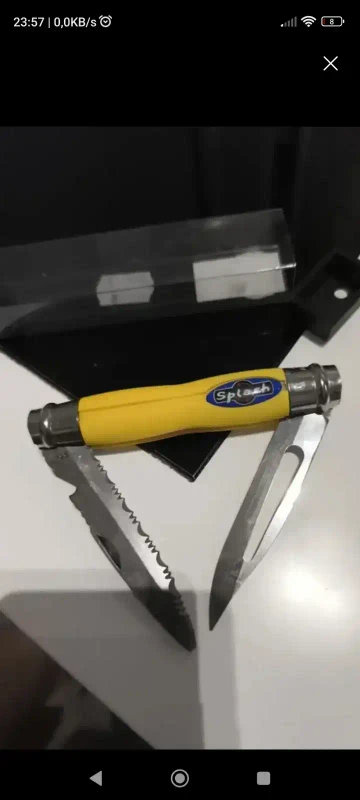
Unfortunately, this type of metallurgy isn't properly valued in the rest of Spain. I personally use a mobile app to buy collectible Spanish and Italian folding knives—and now axes—at 'scrap' prices (there are also Portuguese users on Wallapop).

Spanish collectors who actually know what they’re looking at have collections that belong in a museum. About a year ago, I read in the news that one of the best bladed weapon collections in Spain ended up being sold to France. An American collector would have a field day here.

Once, in a roadside antique shop, I bought the gear bag of a famous Catalan photographer containing a German camera valued at 6,000 euros in good condition; I ended up selling it for very little to a photography academy in Granada just because I liked their project. People here simply don't value historical heritage anymore—the youth only care about the latest iPhone 🤣.

Great post on Basque sports!

Screenshot_2026_03_08_22_51_55_073_com_wallapop.jpg


Screenshot_2026_03_08_22_51_58_246_com_wallapop.jpg


Screenshot_2026_03_08_22_52_59_685_com_wallapop.jpg


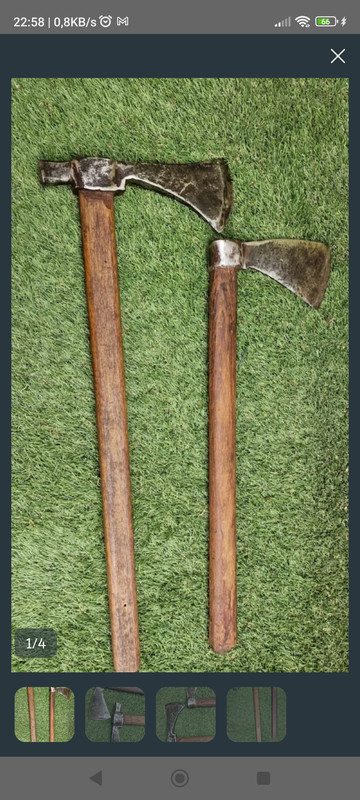
Restored RO ones go for between 70 and 120 euros on Wallapop

Screenshot-2026-03-08-22-58-08-556-com-wallapop.jpg


Screenshot-2026-03-08-23-20-40-747-com-wallapop.jpg


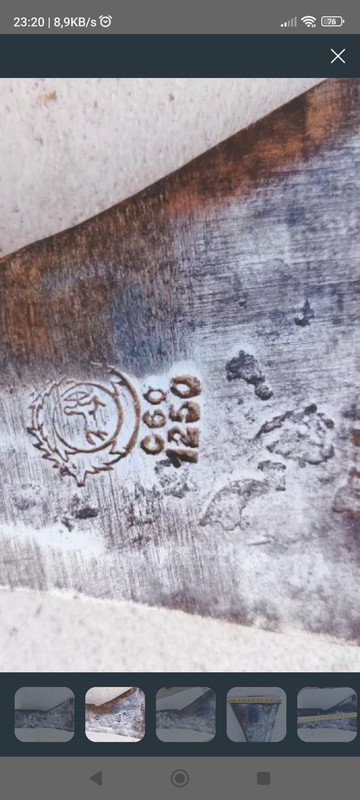
20 euros...
 
Last edited:
Back
Top