
-
The BladeForums.com 2024 Traditional Knife is available! Price is $250 ea (shipped within CONUS).
Order here: https://www.bladeforums.com/help/2024-traditional/
You are using an out of date browser. It may not display this or other websites correctly.
You should upgrade or use an alternative browser.
You should upgrade or use an alternative browser.
Identifying unique trees for wood handle?
- Thread starter bmilla35
- Start date

Thanks for all the advice thus far!
I still might walk around to look for maple but I am really liking the apple idea the more I think of it. Should I look for a wedge in an apple tree as I would from cherry, maple, etc?
Also, I'm aware of the fact I have to seat the cut ends ASAP after cutting, but is there a way of having it sent out to someone that can speed up the process? Can you use a dead piece of wood (so long as it isn't rotted)?
I still might walk around to look for maple but I am really liking the apple idea the more I think of it. Should I look for a wedge in an apple tree as I would from cherry, maple, etc?
Also, I'm aware of the fact I have to seat the cut ends ASAP after cutting, but is there a way of having it sent out to someone that can speed up the process? Can you use a dead piece of wood (so long as it isn't rotted)?
- Joined
- Jun 13, 2007
- Messages
- 7,743
For anyone interested, I found this link online. It's really informative. Is anyone familiar with his work? He has some really beautiful pieces.
His aren't really my style of knives, but he put an awful lot of information into that site.
Very informative, a great find. :thumbup:
I'll re-ask this question one more time to see if anyone can offer up some advice. If not, I'll let it go:
Should I look for a wedge in an apple tree as I would from cherry, maple, etc?
Also, I'm aware of the fact I have to seat the cut ends ASAP after cutting, but is there a way of having it sent out to someone that can speed up the process? Can you use a dead piece of wood (so long as it isn't rotted)?
Should I look for a wedge in an apple tree as I would from cherry, maple, etc?
Also, I'm aware of the fact I have to seat the cut ends ASAP after cutting, but is there a way of having it sent out to someone that can speed up the process? Can you use a dead piece of wood (so long as it isn't rotted)?
As I see it, look for what you want. If you want the "feather" pattern, find a wedge. If you want straight grain find a straight shaft. Yes, you can use dead wood, how else would we have access to spalted?
As for speeding up the process you could try to find a local lumber mill with a kiln or if you are a "do it yourself" type you could use your oven. Set the temp at 120-150 degrees, crack the door open and let it bake for a few days. WARNING- You WILL lose a lot if not most of your block so make sure it is over sized. As Stacy already recommended, cut them and let them dry for a year. After that is when you can look at a kiln to safely dry it out.
It boils down to if it has to be done now, buy what you need. If you can wait a year or 2, go find a piece and hurry up and wait. :yawn:
Chris
As for speeding up the process you could try to find a local lumber mill with a kiln or if you are a "do it yourself" type you could use your oven. Set the temp at 120-150 degrees, crack the door open and let it bake for a few days. WARNING- You WILL lose a lot if not most of your block so make sure it is over sized. As Stacy already recommended, cut them and let them dry for a year. After that is when you can look at a kiln to safely dry it out.
It boils down to if it has to be done now, buy what you need. If you can wait a year or 2, go find a piece and hurry up and wait. :yawn:
Chris
Apple boards move (bend/twist) like crazy as they dry unless you get a piece from a straight vertical (and boring) trunk. Small slivers of any type of wood season pretty quick in the oven at 200 F and you can always true them up on a piece of coarse sandpaper attached to a flat surface.Thanks for all the advice thus far!
I still might walk around to look for maple but I am really liking the apple idea the more I think of it. Should I look for a wedge in an apple tree as I would from cherry, maple, etc?
Also, I'm aware of the fact I have to seat the cut ends ASAP after cutting, but is there a way of having it sent out to someone that can speed up the process? Can you use a dead piece of wood (so long as it isn't rotted)?

- Joined
- Oct 4, 2010
- Messages
- 1,315
It is a little harder to find in the forest, but you might want to look for some American Hornbeam trees. This is sometimes called Eastern Ironwood and is a really hard durable wood. I like using it for hiking sticks and tool handles. You can find them growing in the soft soils in creek bottoms. They don't get very big, but you can harvest a five or six inch tree and get a lot of useful "craft" wood from it (no big lumber, but lots of useful blocks).
TedP
TedP
I totally agree with you about the strength and durability of Ironwood but it ain't remotely pretty to look at. Perfect for structural handles but infinitely less so for decorative purposes. It's neat though that the Blue Beech version of Ironwood does not check or split while drying and it may well be that this trait also applies to Hop Hornbeam.It is a little harder to find in the forest, but you might want to look for some American Hornbeam trees. This is sometimes called Eastern Ironwood and is a really hard durable wood. I like using it for hiking sticks and tool handles. You can find them growing in the soft soils in creek bottoms. They don't get very big, but you can harvest a five or six inch tree and get a lot of useful "craft" wood from it (no big lumber, but lots of useful blocks).
TedP
- Joined
- Oct 4, 2010
- Messages
- 1,315
I totally agree with you about the strength and durability of Ironwood but it ain't remotely pretty to look at. Perfect for structural handles but infinitely less so for decorative purposes. It's neat though that the Blue Beech version of Ironwood does not check or split while drying and it may well be that this trait also applies to Hop Hornbeam.
I agree that it's not flashy, but it isn't ugly either - just a nice uniform grain pattern. I've had good luck using aniline dies on it to color it various shades (deep black, amber, deep crimson). I'm a big fan of the wood and harvest a lot of it locally here in VA.
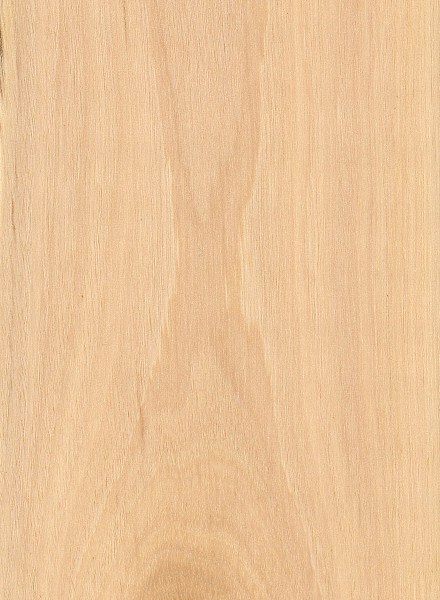
As I see it, look for what you want. If you want the "feather" pattern, find a wedge. If you want straight grain find a straight shaft. Yes, you can use dead wood, how else would we have access to spalted?
As for speeding up the process you could try to find a local lumber mill with a kiln or if you are a "do it yourself" type you could use your oven. Set the temp at 120-150 degrees, crack the door open and let it bake for a few days. WARNING- You WILL lose a lot if not most of your block so make sure it is over sized. As Stacy already recommended, cut them and let them dry for a year. After that is when you can look at a kiln to safely dry it out.
It boils down to if it has to be done now, buy what you need. If you can wait a year or 2, go find a piece and hurry up and wait. :yawn:
Chris
I don't really mind the wait, but my cousin is really impatient!! I think I want unique, so i'll look for a wedge. Hopefully there is a dead branch or something we can use!
Apple boards move (bend/twist) like crazy as they dry unless you get a piece from a straight vertical (and boring) trunk. Small slivers of any type of wood season pretty quick in the oven at 200 F and you can always true them up on a piece of coarse sandpaper attached to a flat surface.
Thanks for the tip and heads up. I really want to use apple, so hopefully I can find a piece that doesnt go all crazy or check on me too badly.
It is a little harder to find in the forest, but you might want to look for some American Hornbeam trees. This is sometimes called Eastern Ironwood and is a really hard durable wood. I like using it for hiking sticks and tool handles. You can find them growing in the soft soils in creek bottoms. They don't get very big, but you can harvest a five or six inch tree and get a lot of useful "craft" wood from it (no big lumber, but lots of useful blocks).
TedP
I'm quite familiar with Ironwood, but have yet to find it on our property. I quickly surveyed it when attempting to make a longbow (ask me how that project went...). There are a few creek bottoms but they're at the bottom of very steep hills and I don't like going down them, let alone bringing additional weight up!
