- Joined
- Dec 13, 2005
- Messages
- 6,105
Is anyone else as in love with this stuff as I am?
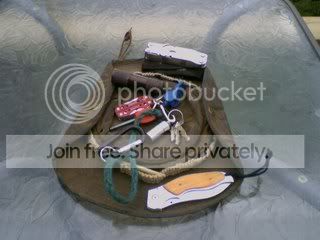
It's pretty accepted that paracord is one of the bread and butter items of any good outdoorsman. Super-strong, durable, and can be split into its individual inner strands for other uses. But in my pack, I'd say there is at least as much jute twine as there is paracord.
Why have it? There's still a lot of things that it works great for, better than paracord.
First off, it makes a great tinder. All you have to do is fray the edges (easily done by dragging your blade across it a few times at 90 degrees) and it'll take a spark very easily, and burn for a good while. An even better part to this is that the stuff won't light well when it's in 'string' form (unfrayed). So it's not lightin' up until you want it to.
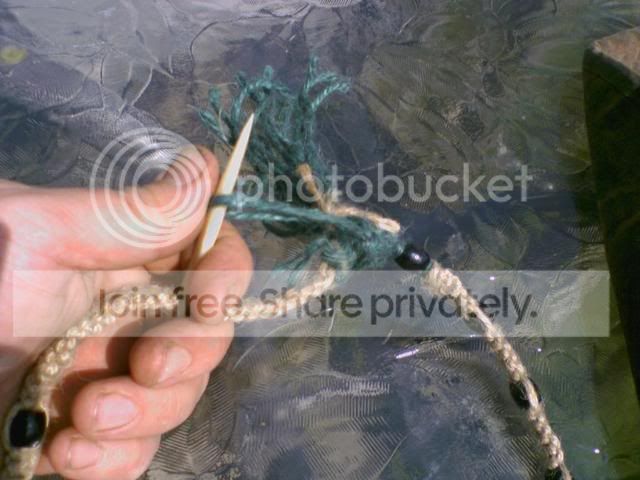
When making simple camp structures and shelters, jute gives you a strong and 'easy to work with' option. The largest benefit in my eyes (over paracord) is that if you leave some of this behind on accident (haven't we all done that?), you're not littering! The jute will head on back to nature in time.
To a lesser degree, it works better for paracord when you need a simple, tight knot. It's of course all a matter of using the right knot, but the jute will hold very well with even a basic one whereas the paracord can sometimes slip out (this is a wee bit less objective).
Last? It's dirt cheap! And every Wallyworld look-alike has some on the shelf.
This isn't a suggestion that paracord should be dethroned and everyone should start using jute to hang their hammocks ( ), but rather a reminder of another great option out there.
It's pretty accepted that paracord is one of the bread and butter items of any good outdoorsman. Super-strong, durable, and can be split into its individual inner strands for other uses. But in my pack, I'd say there is at least as much jute twine as there is paracord.
Why have it? There's still a lot of things that it works great for, better than paracord.
First off, it makes a great tinder. All you have to do is fray the edges (easily done by dragging your blade across it a few times at 90 degrees) and it'll take a spark very easily, and burn for a good while. An even better part to this is that the stuff won't light well when it's in 'string' form (unfrayed). So it's not lightin' up until you want it to.
When making simple camp structures and shelters, jute gives you a strong and 'easy to work with' option. The largest benefit in my eyes (over paracord) is that if you leave some of this behind on accident (haven't we all done that?), you're not littering! The jute will head on back to nature in time.
To a lesser degree, it works better for paracord when you need a simple, tight knot. It's of course all a matter of using the right knot, but the jute will hold very well with even a basic one whereas the paracord can sometimes slip out (this is a wee bit less objective).
Last? It's dirt cheap! And every Wallyworld look-alike has some on the shelf.
This isn't a suggestion that paracord should be dethroned and everyone should start using jute to hang their hammocks (
), but rather a reminder of another great option out there.


 .. Also look into sisal, as well...


 ) but it works just fine for fire. Lights off a ferro rod, or a converted lantern lighter. Will have to try a fuel depleted Bic.