Kitchen knife help?

weo

Joined
Sep 21, 2014
Messages
3,116
Hello all, this is a follow up to my hidden tang question from yesterday:

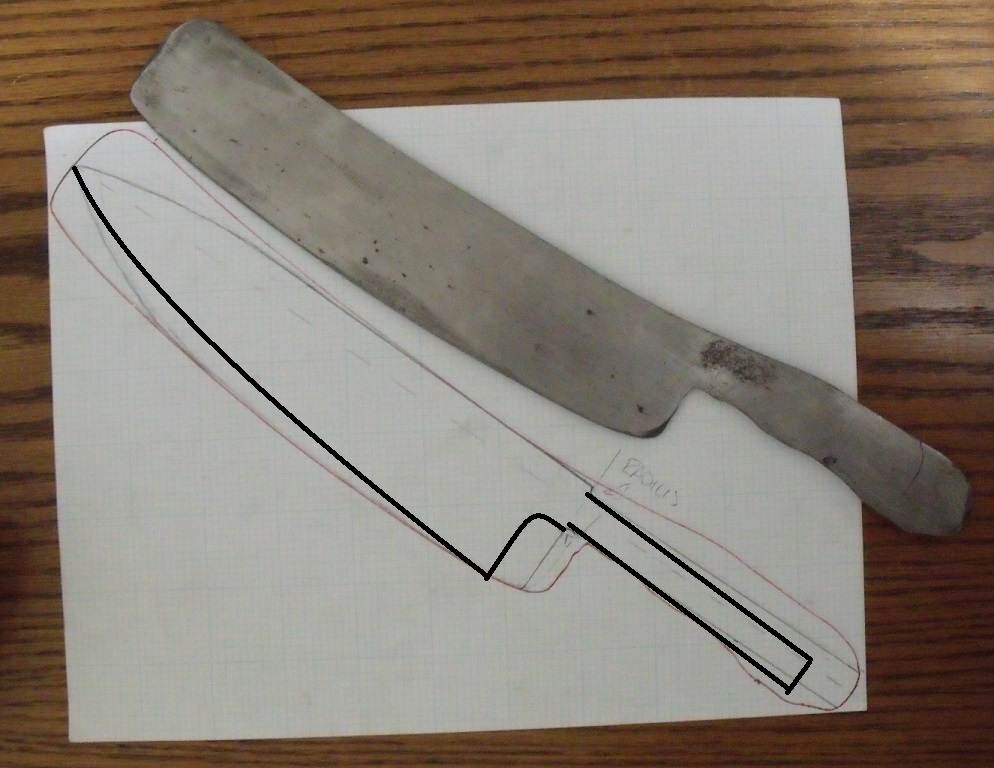
Here's the Damascus blank I forged out to be a curved version of a Usuba, but not sure if that's where I want to go. (Now as I'm typing this, I may be changing my mind back to the original plan...

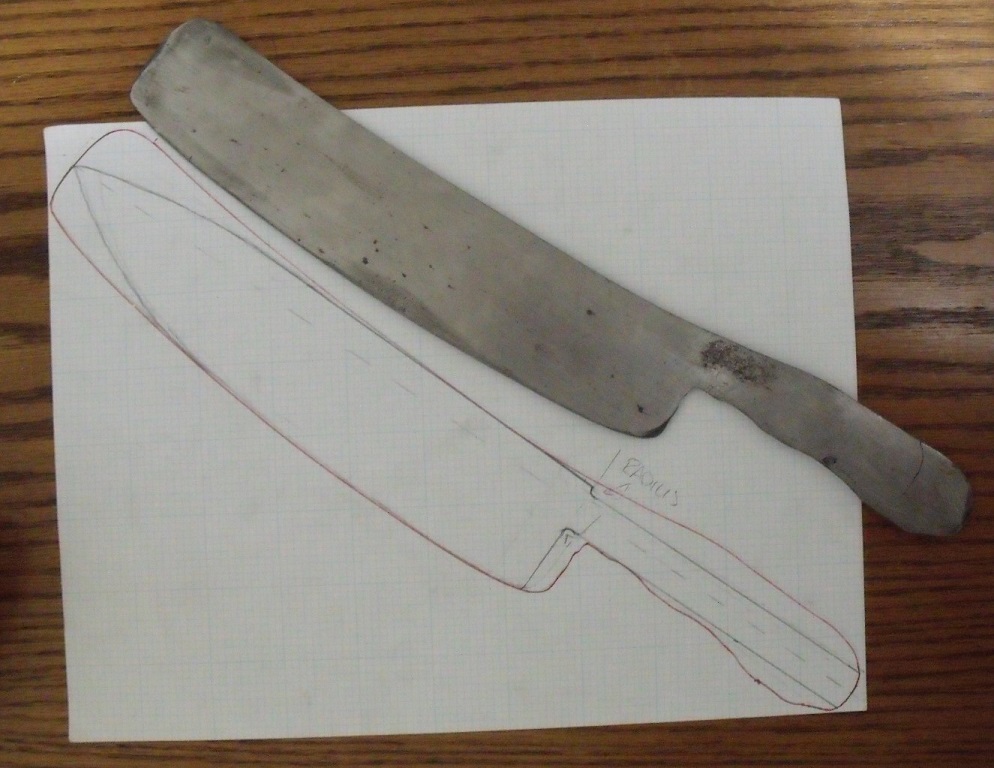
Here's the profile I'm thinking of, any suggestions from those with more experience than me (which is about everyone...)???
4YCDqGr.jpg
 
Last edited:
If it were me and I had that as a starting point I would make a full tang unless you want to build a handle where that is inappropriate--the other thing if you make a stick tang out of her, I would taper it a little bit in width--but I don't really know why--more experienced folks may tell you that's not necessary or even appropriate--if you make a stick tang with a handle outline like your current blade, it would be easy if you do it that way to locate your pins/pin holes.

Show us where you end up!
 
This is what I would do. The tip location is good, but I like to see a profile that tapers towards it, less belly towards the heel, with the handle angled upwards only slightly.

hkc7f9f.jpg
 
One thing, unrelated to profile, is that if you're going to go through the trouble of forging the damascus, you really owe it to yourself to forge in the tip (if you're going to go with a pointy profile). The pattern of the damascus will flow with the knife and look so much better.
 
i agree with Don. When it first saw your drawing , I thought "less belly."
 
This is what I would do. The tip location is good, but I like to see a profile that tapers towards it, less belly towards the heel, with the handle angled upwards only slightly.

hkc7f9f.jpg

I'm not a knifemaker... but I am a chef. And I tend to agree with Don here. I find less curve (or belly) suits food preparation much better to allow use of the whole blade and maximize its effective length. You just dont want the lift the blade to a 45° angle in order to make a full stroke (tip to heel), it's not efficient or safe. Less steel up there will bring the balance back too, and reduce fatigue over prolongued use.

That's all I will pretend to know about knife making. Hope it helps!
 
I also agree with Don's sketch. Simple and efficient. As I regularly post - ask yourself "why" when putting a feature on a blade - Why is there a somewhat fat belly in the blade? It is rarely used in kitchen knives. Even your usuba was too round edged.
 
One thing, unrelated to profile, is that if you're going to go through the trouble of forging the damascus, you really owe it to yourself to forge in the tip (if you're going to go with a pointy profile). The pattern of the damascus will flow with the knife and look so much better.

I agree 100%. Especially as I am tried what I'm calling a "quilt" pattern, which is basically grooves ground 90 degrees to each other (feel free to correct my terminology if there's a better name). But after forging out the shape, it didn't look right to me…

”less belly”
I'm not a knifemaker... but I am a chef. And I tend to agree with Don here. I find less curve (or belly) suits food preparation much better to allow use of the whole blade and maximize its effective length. You just dont want the lift the blade to a 45° angle in order to make a full stroke (tip to heel), it's not efficient or safe. Less steel up there will bring the balance back too, and reduce fatigue over prolongued use.
Even your usuba was too round edged.

Which is why I'm asking for advice. Thank you all for your input, it is most helpful.
Hopefully I'm not biting off more than I can chew at this point.
 
with the handle angled upwards only slightly.

I think I do, but I'm not sure I understand this completely. Is the spine used as the common reference point for the tang?
 
Last edited:
Hello all, this is a follow up to my hidden tang question from yesterday:

Here's the Damascus blank I forged out to be a curved version of a Usuba, but not sure if that's where I want to go. (Now as I'm typing this, I may be changing my mind back to the original plan...

Here's the profile I'm thinking of, any suggestions from those with more experience than me (which is about everyone...)???

4YCDqGr.jpg

i would remove some of the belly in the middle so your edge is basically flat with slight curve at each end, that is if you want to keep it a usuba/nakari, I think the main difference is usuba is single bevel and nakari is double bevel. as far as handle, once you deal with belly, hold the knife in your hand and see how it feels and where is the balance point. see if you can cut with the whole blade and not bang knuckles.
scott
 
I think I do, but I'm not sure I understand this completely. Is the spine used as the common reference point for the tang?

If you look at Don's sketch, you will see that the tang is parallel with the spine. That will work fine on your blade as long as the rise of the blade ( the distance from the heel to the bottom of the handle) is sufficient for hand clearance. On a kitchen knife you have to have your knuckles off the cutting board when gripping it in use.

If you raise the angle of the spine starting around mid blade, it will also make the tang rise. To draw that in the sketch, place a straight edge on the spine so it touches about mid-blade, and raise the other end about an inch above the current tang end. Draw in that line, and then re-draw the tang so it remains parallel to the nw spine line. This will give the hand more clearance on the cutting board. You can redraw that new spline line with more or less rise until the knife works and feels right.

Making a cut-out in thin wood, masonite, or cardboard will allow this to be experimented with to refine the shape until it both looks, works, and feels good.
 
taper it a little bit in width--but I don't really know why--Show us where you end up!

It's my understanding that tapering the tang makes mortising the handle easier to make a good fit. Imagine the opposite scenario... how would you get the larger end of the tang into a smaller mortise at the front?
 
I find it is much more useful to use the flat part of the edge near the Heel as a reference for the angle of the handle.
 
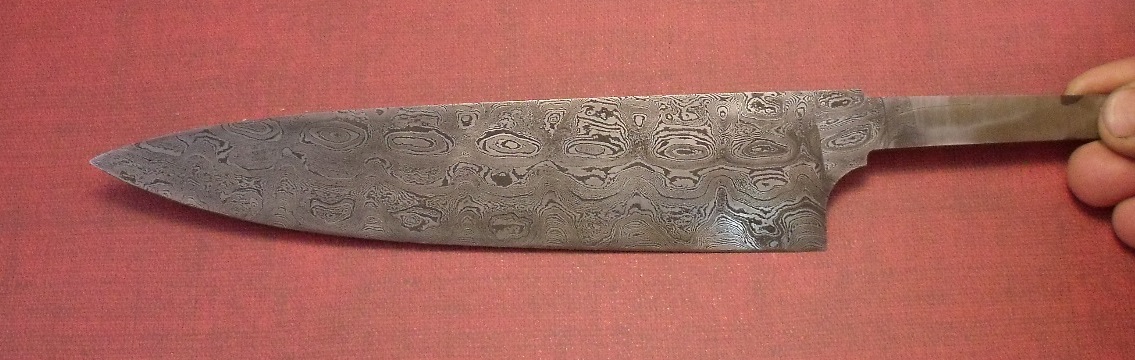
Hello all, here we are after heat treat, main grinding and etching...blade length is right at 8" with spine at .090". I think the handle will be spalted maple burl with ebony bolster.

g1TSbv7.jpg
 
Last edited:
Hello all, here we are after heat treat, main grinding and etching...blade length is right at 8" with spine at .090". I think the handle will be spalted maple burl with ebony bolster.

g1TSbv7.jpg

Nailed it!
 
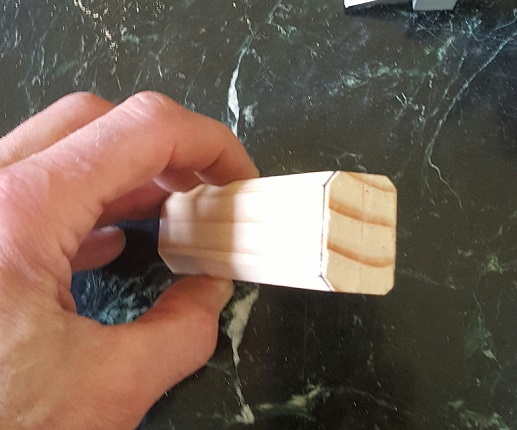
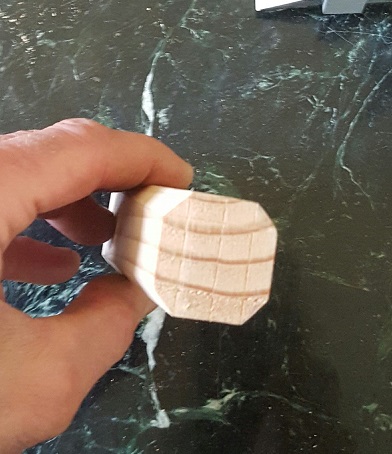
Hello all, just about ready to finish this thing, but would like opinions on the handle design before I commit.

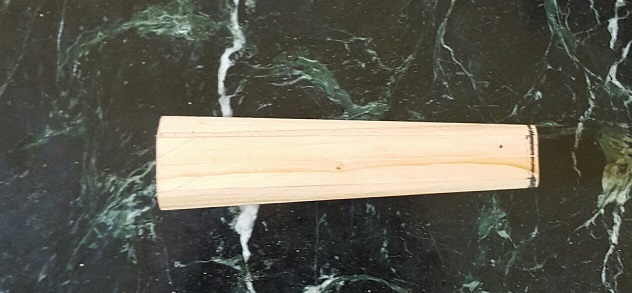
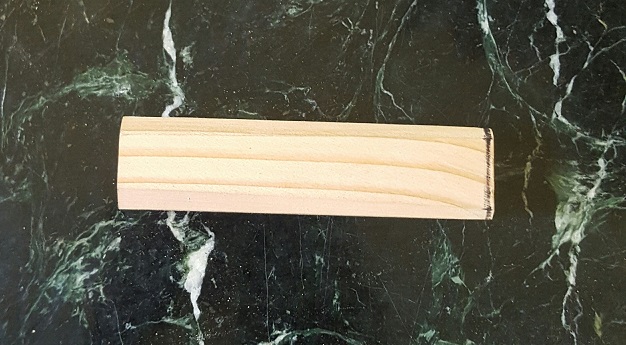
My idea was chamfered square at the butt ~ 1.25" tapering in width to ~ 0.80" at the heel. keeping the height at 1.25" (pics attached)
Ux02JYP.jpg

n52pqSg.jpg

ukwWjM0.jpg

mCH2vMq.jpg


Is this OK? or do you have suggestions.
Thank you
 
I like the rectangular one better, but that's my preference. I do a lot of rectangular handles.
 
1.25" thick at the butt is too blocky, in my book. I'd shoot for 1" max, and also give a little taper (say 1/8" total, or .0625" per side) the other way, when viewed in profile, taller at the butt than the nose. But then, my eye just can't handle squares and rectangles well.
 
Back
Top