- Joined
- Apr 10, 2000
- Messages
- 3,794
Not necessarily. If you are in the mood, CNC can do that too. And the knife can be stamped in such shape, no probs.OK, for the last time, ‘Forging’ allows for ‘Bolsters’
According to your statement, forging/bolster combo is the only way to balance the knife, which is clearly not the case. For one, balance is very personal and subjective. Second, good stamped knives have very good balance, contrary to your statement.which allows for ‘Balance’ which allows for comfort and control.
And,let's not forget that full bolsters, that extend all the way to the edge make sharpening those knives really difficult.
Again, there are variations to that grip. E.g. index finger on the blade spine is a big no in western culinary schools, yet Japanese were and are using it a lot. They teach that, it's in the books, etc.Yes, there is a proper way to hold a chefs knife,
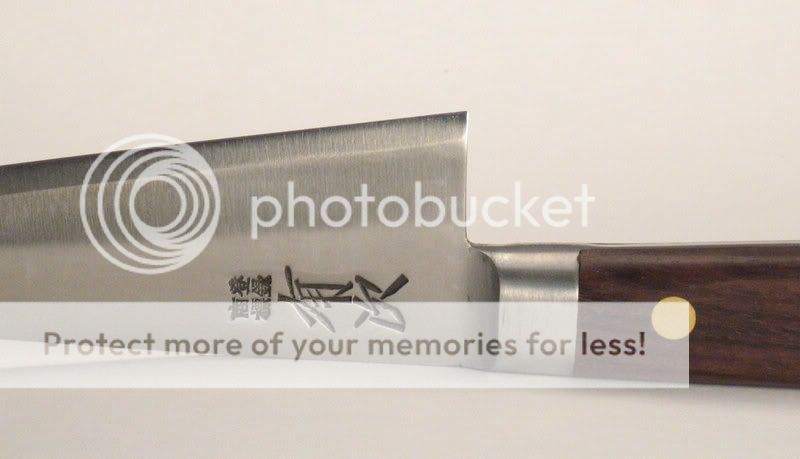
Having bolsters allows for extra weight on the knife. That's pretty much it. Other than that, what is the advantage of having a bolster? You can balance knife in many other ways. The only case, when I see the bolster necessary is the narrow knives where it plays fingerguard role. On wider knives, blade height does the job.and having ‘Bolsters’ allows for this. (Read the list above for information about ‘Bolsters’, and how they are only found on ‘Forged’ knives…
Aside from the narrow blades, name one thing the bolster gives that can't be done without it.
I have a lot Japanese forged blades, none of them have, or need a bolster. Why waste a metal? Why have a heavier knife?
Duh? Who's gonna spend time and money on forging, to make a crappy knife? Although, forging alone won't guarantee quality. You also need to mention that bolsters are not always found on the higher end knives, forged or not.Forged blades are ALWAYS found on higher end knives.
Absolutely not necessarilyEvery manufacturer ahd a cheaper line of stamped knives and a more expensive line of forged knives. So in that respect, YES they are higher quality.
 Let's take Global G-61, 8" stamped gyuto(chef's knife), costs around 100$. Chromova 18 stainless steel, 56-58HRC.
 And now Wusthof, forged Classic Ikon 8" chef's knife. X50CrMoV15 steel, 54-56HRC. Price, 140$.
Global steel has higher content of C(~1% vs. 0.5%) and Cr, it's harder, by couple points, but still makes a noticeable difference.
So, tell me why should one pick heavier, softer and thicker edged forged Wusthof over stamped Global anyway? Just because it's forged and has a bolster? 0.5% C isn't really high carbon by definition. But, that forged and bolster thing does the trick. Ikon sells for higher price, despite being inferior to the Global stamped knife in all aspects of knife cutting performance.
For the record, I'm no fan of Global knives.
Come on. And since when the cooks are the last authority on the knives? I agree, that's what will happen, but it has nothing to do with knife performance, just they've been told million times that forged is better. So are the most of the average knife buyers.Hand any decent cook two knives, one stamped and one forged and I guarantee you he or she will choose the forged one.
Most cooks, unless they hang out on this forum or others like this one wouldn't know much about the knives besides the marketing mantra about fully-forged-bolstered-full-tang-high-carbon blah blah..
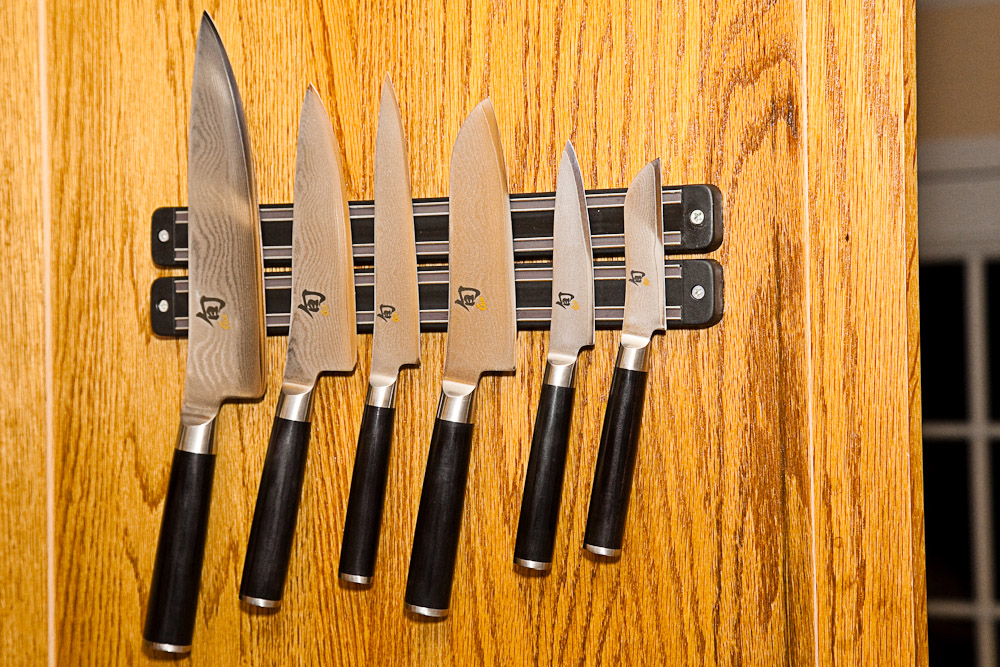
Bobby Flay is better than a Decent cook, still, he opened the lid with Shun chef's knife (no bolster though). So, what now, we all do the same?
Rachael Ray is using POS Furi knives, should we all go, get that?
Lots of chef's don't even have a choice, they use whatever is provided by workplace.
Chef's get their knowledge from the culinary schools, and as far as I can tell they(culinary school teachers) make sure to pass the message about fully forged and bolstered stuff.
Last edited: