

- Joined
- Oct 29, 2006
- Messages
- 2,912
Thanks very much for the comments everyone. They are very much appreciated.
John, if you type "tanto koshirae" in an image search you can see so many variations on mountings. I think the Japanese must have used the Edo period's relative peace to use the tanto as a canvas for art exploration. Perhaps it's because there weren't the strict rules that there were on the swords. I think that's why there was so much art innovation in the tsubas and such as the blades and much of the rest of the fittings were governed by law.
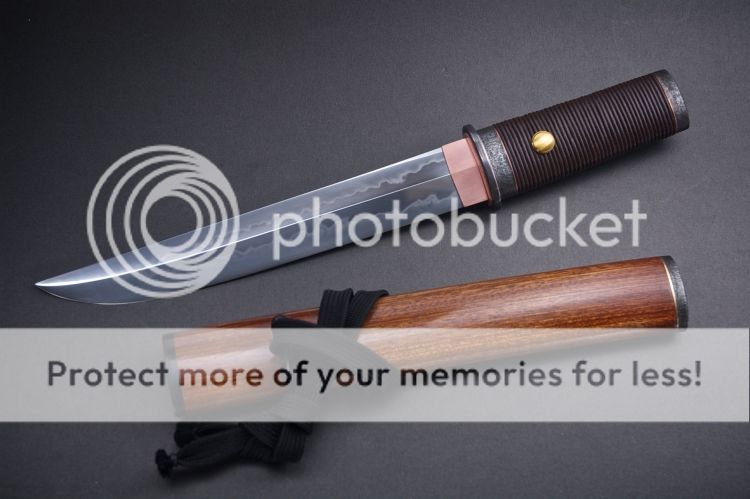
This one was an inspiration:

Quint... It's hard to know how the acidity or resins in any wood will react to steel. Some with tarnish it, and some will downright attack it and some woods are just too hard for a delicate finish. Others, like poplar are relatively benign and stable and soft enough not to mark the blade.
Lining the saya is playing it safe. It's a fair amount of extra work but better than the alternative.
John, if you type "tanto koshirae" in an image search you can see so many variations on mountings. I think the Japanese must have used the Edo period's relative peace to use the tanto as a canvas for art exploration. Perhaps it's because there weren't the strict rules that there were on the swords. I think that's why there was so much art innovation in the tsubas and such as the blades and much of the rest of the fittings were governed by law.
This one was an inspiration:
Quint... It's hard to know how the acidity or resins in any wood will react to steel. Some with tarnish it, and some will downright attack it and some woods are just too hard for a delicate finish. Others, like poplar are relatively benign and stable and soft enough not to mark the blade.
Lining the saya is playing it safe. It's a fair amount of extra work but better than the alternative.
Last edited:


 Nicely done.


