Outdated Survival Techniques

Sure, but I think Manning's argument was that almost all wilderness areas are too heavily traveled to support that kind of use indefinitely.
 
I know, I am a bit of a hippie myself, I go by runningboar over at paddling.net too. :D

I just think those no trace, ultralight guys get a bit carried away, a good motto is all things in moderation. If the land is over used and the ground looks like it has been swept, then the trails need to be closed, if there is abundant down wood and it's not too dry, by all means enjoy a nice fire. Chris

 
WeaselBites said:
... why on Earth would you get caught outdoors without them?

Most wilderness survival discussions are centered on such situations in comparison to backpacking/camping which is a different senario. I think you can go too far either way which is always the case. I like Mear's approach where he blends modern equipment like ferrocium rods with very primite techniques like friction fire starting. He isn't opposed to building a fire but also doesn't leave large char pits behind either. But again he is talking more about survival than hiking, which are two very different senarios.

-Cliff
 
When you say "survival," I think of getting stuck in the outdoors until you can walk to help or get rescued. Or do you mean it in the sense of long-term self-sufficiency?
 
Coleman stove and lantern fuel ("white gas" is NOT the same as unleaded automotive gasoline (white gas and Coleman have NO additives of any kind, and so are not inteneded as automotive fuel, whereas unleaded DOES have additives, and so is intended for use in cars and other devices designed (and labelled ) for it's use.
 
WeaselBites said:
When you say "survival," I think of getting stuck in the outdoors until you can walk to help or get rescued. Or do you mean it in the sense of long-term self-sufficiency?

Yes, a situation you don't want to be in and would gladly accept rescue, often with less than ideal equipment and physical condition. Long term relocation is different and usually described as wilderness living. Davenport has books out on both and they are very different both in skillset and general approach/goals.

-Cliff
 
Well, I guess by that definition, I have definitely used the info I learned from Harvey Manning's backpacking book for survival. I understand the difference between that and backpacking, but there sure is a lot of overlap.

I mean when preparing for a trip where it's possible to get stranded outdoors, I have seldom, if ever, equipped myself with fire-building in mind. And yet, I'd call mine a "survival" mindset involving "survival" techniques. Must be that Manning hippie influence.

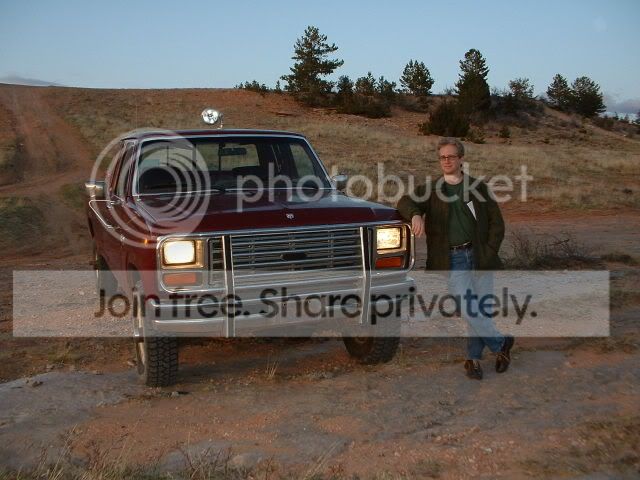
PS: Just in case I sound too flaming ramby-pamby PC save-the-trees, this is me and my latest mode of travel into the boonies:

DSCF0134.jpg
 
There is a lot of cross over in methods/info, but there is also a large difference. Mainly that in many survial situations you are lost and often staying put and waiting for rescuse is a better option that hiking out. However if you are backpacking then this is fundamental.

-Cliff
 
I just think those no trace, ultralight guys get a bit carried away, a good motto is all things in moderation. If the land is over used and the ground looks like it has been swept, then the trails need to be closed, if there is abundant down wood and it's not too dry, by all means enjoy a nice fire. Chris

I also was a no trace camper, and when going into the Alpine Lakes I rigorously avoid causing any damage.

But... I can go off trail in several areas I know and have a nice cheery little campfire that really enhances the experience. No one else goes there. Living by stove alone takes some of the fun out of the backwoods.

Clint Hollingworth
The Wandering Ones webcomic
http://www.wanderingones.com
 
In certain places I like the no trace idea. Up high in the mountains here the ecosystem is very delicate, you feel like you are walking in someones garden. I try not to step on plants that I know take a long time to grow. I like to use my alcohol stove up there to avoid even making use of the sparse deadfall.

The one exception to this rule is grass. I use it for bedding and it is abundant. I used to shove it all into a crevice in the rocks when I was done but now I leave it spread out if I find a good place to sleep that I'll come back to. Too many times I've returned a year later to some good spot and had to rip out new growth to make sleeping space. By leaving the grass that little patch of flat ground stays mulched for about a year. If I come back sooner then the same grass still works and I do less damage ripping up fresh stuff. I figure a 5000 hectare wilderness area that I basically have to myself can afford a few traces. Mac
 
WeaselBites said:
Those darned assholes! I swear they're almost as bad as Sierra Clubbers! :D

Would you and Kevin just knock it off? I'm trying to finish my Heineken, you both keep making me snort! :D Nice truck! Are you wearing bowling shoes??? :p :D
 
sodak said:
Would you and Kevin just knock it off? I'm trying to finish my Heineken, you both keep making me snort! :D Nice truck! Are you wearing bowling shoes??? :p :D
Save those Hienie cans for stove makin:D
 
Anyone know a good source for dehydrated Heineken? :D

Unless I am on my own land, I do practice "low impact camping". I'm not a fanatic about it, but I don't care to see the slash and trash from previous visitors to "wild" areas, so I tend to leave the places as pristine, if not more so, than I found them. I use fires more often than not (tiny ones), but bury and cover the evidence, try not to fire-blacken rocks, turn them over if I do, and practice pack-it-in-pack-it-out, usually resulting in more carried out than in. That is just plain good stewardship of a resource. And maybe also for me a part of that goes back to my early training. Leaving sign in the bush meant death. You show an enemy your strength or line of travel, he finds you quick. You give him a rats can, he gives it back as a trap. Lessons like those once learned are hard to forget, even for an old...

Codger
 
Back
Top
