Recon: wild edibles

Joined
Jul 4, 2008
Messages
1,514
Another day, another walk in the woods. This time at a local park, which is mostly woods used for short hikes, and horseback riding. There are lots of deer, rabbit, and turkey who call this place home. I can see why, since I'm finding loads of wild edibles here.

This trip was mostly a recon for later on. I want to know where the berries are now, so I can beat the critters to them later. :D

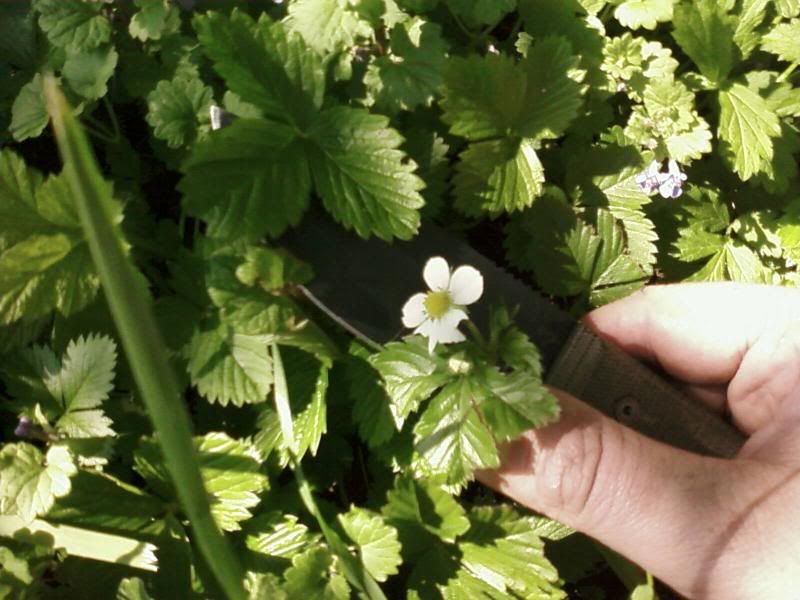
First up, wild strawberries! The leaves are getting bigger, still too early for any berries, though.
PIC-1083.jpg


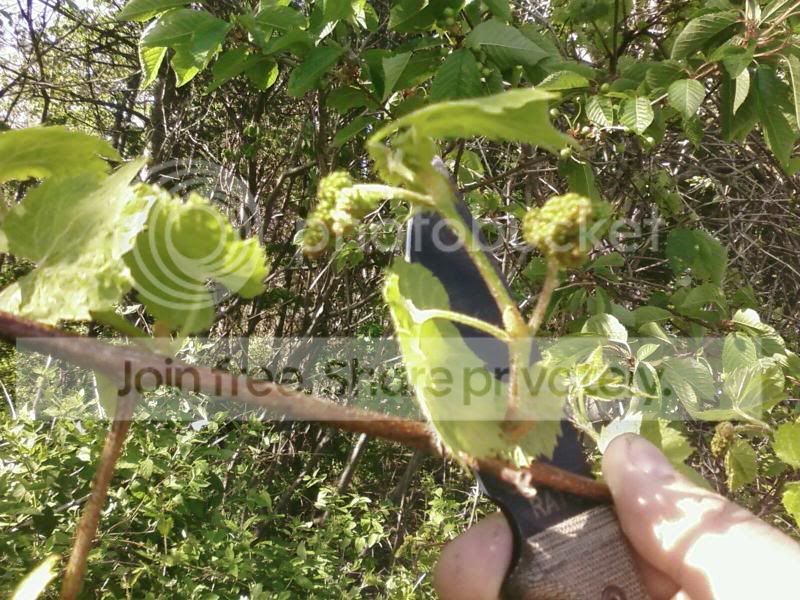
Next, some grape vines. These guys are all over the place. I like to pick the tender, young shoots for a trail nibble.
PIC-1084.jpg


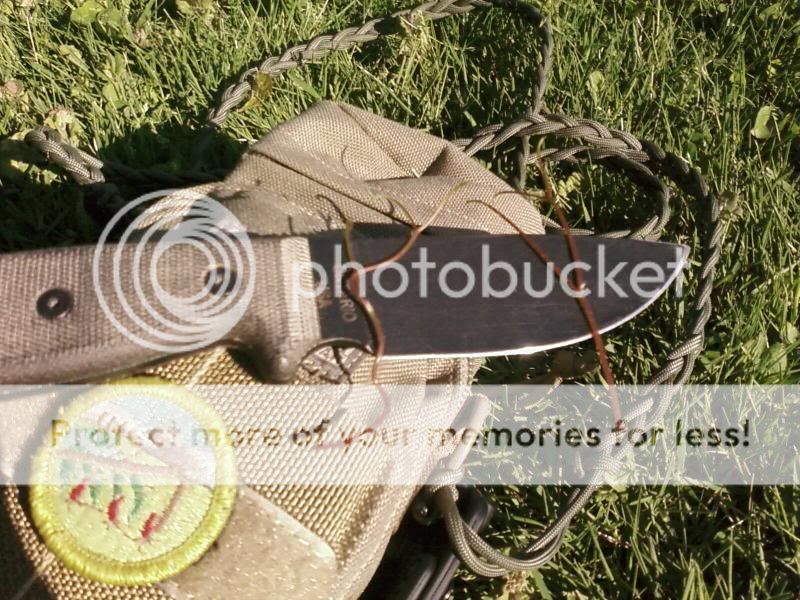
Here's a couple of grape vine shoots I picked. The flavor is slightly bitter, slightly grapey. I chew on them as I continued my recon.
PIC-1088.jpg


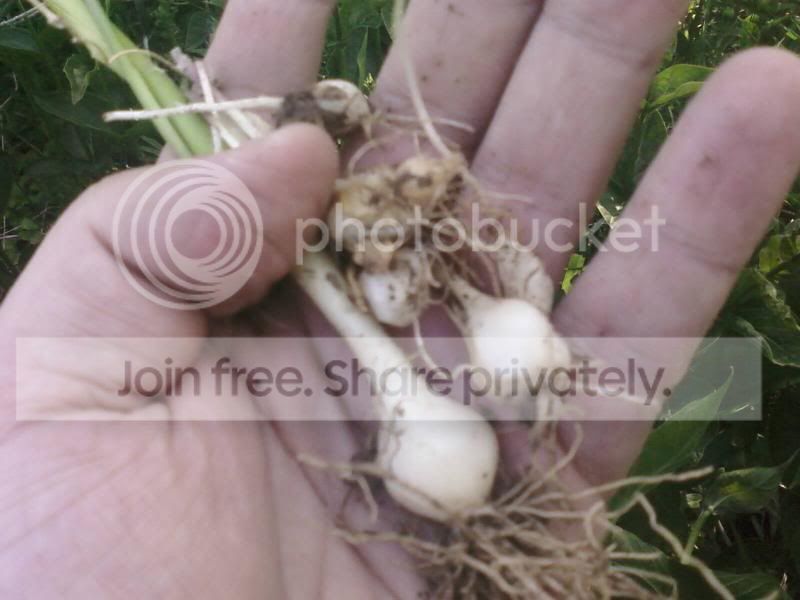
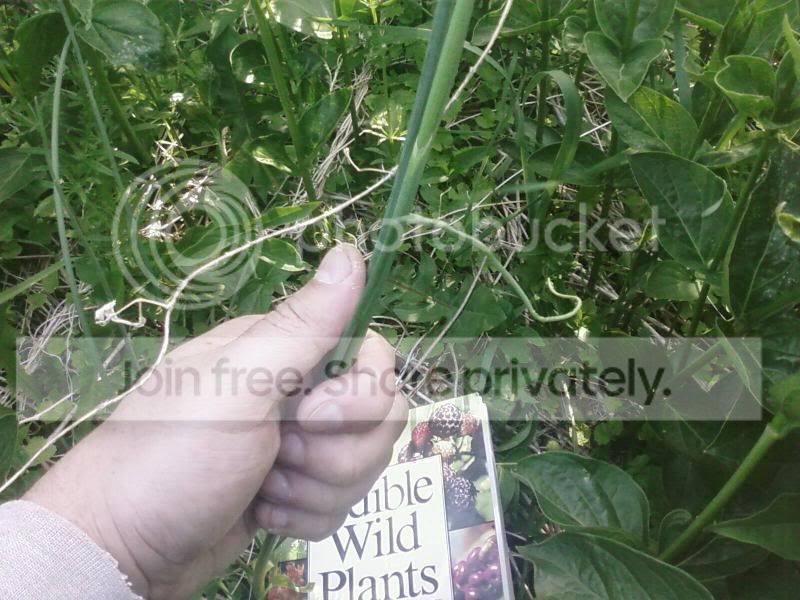
I found what I was sure was wild onion, but it seemed bigger than what I'd found previously.
PIC-1090.jpg


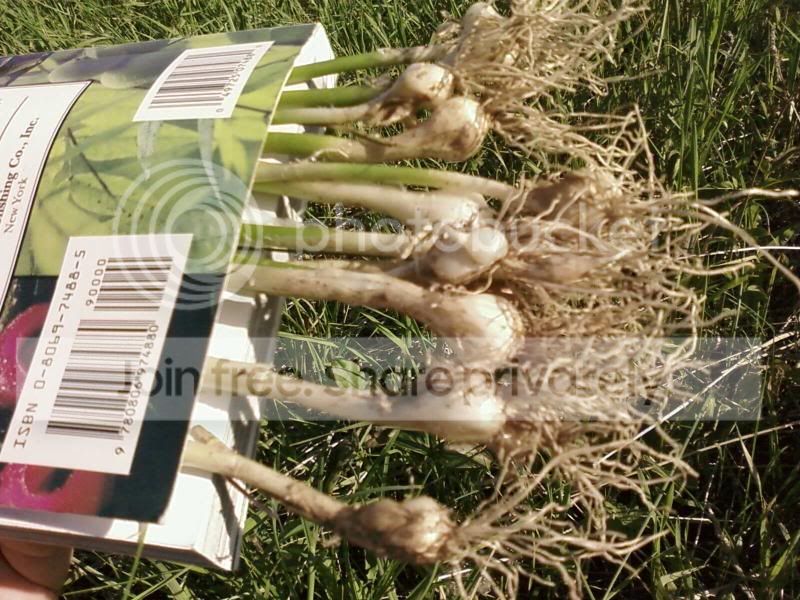
So, I snapped off the tip of the plant, and sure enough, it smelled like onion. Here's what I dug up. They are big and tasty! (These were cooked up later with some scallops and fish:) )
PIC-1092.jpg


Wild onions make great bookmarks.
PIC-1094.jpg
 
Some more pics...

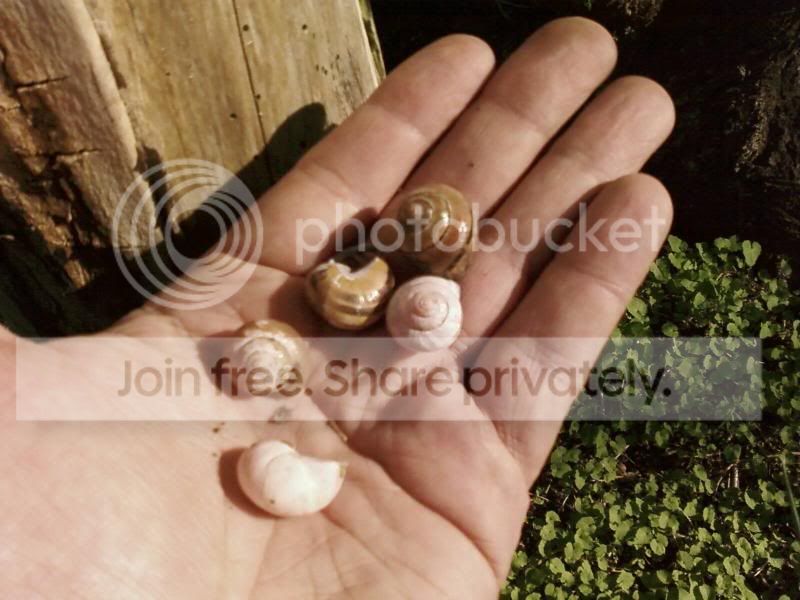
I found dozens of these little snail shells in an area where the deer like to bed down. Not for eatin', but I made a necklace from one once, using some braided grass as the cord.
PIC-1096.jpg


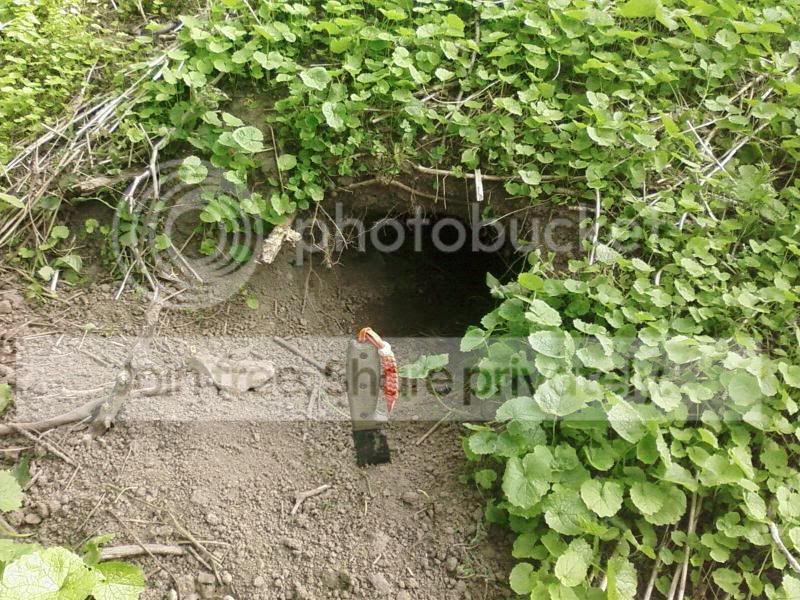
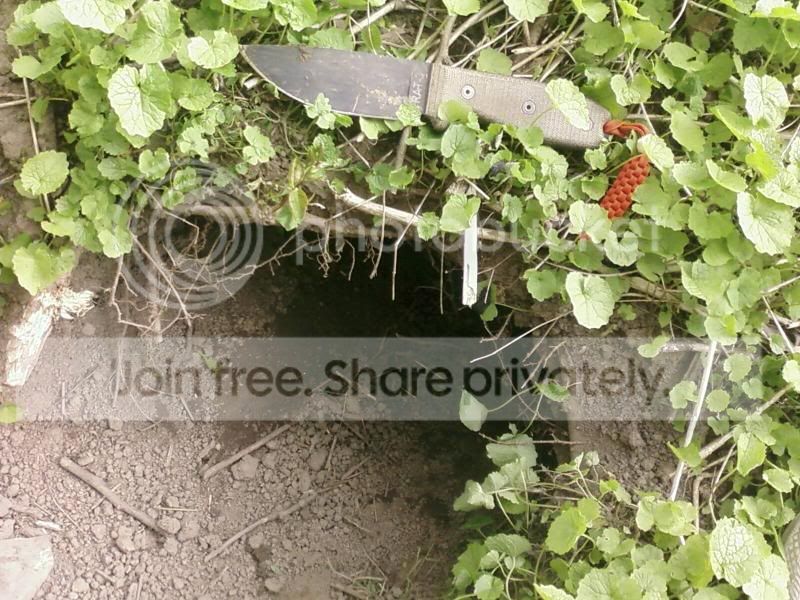
Then I found this hole! Groundhog, I'd wager.
PIC-1097.jpg

PIC-1098.jpg


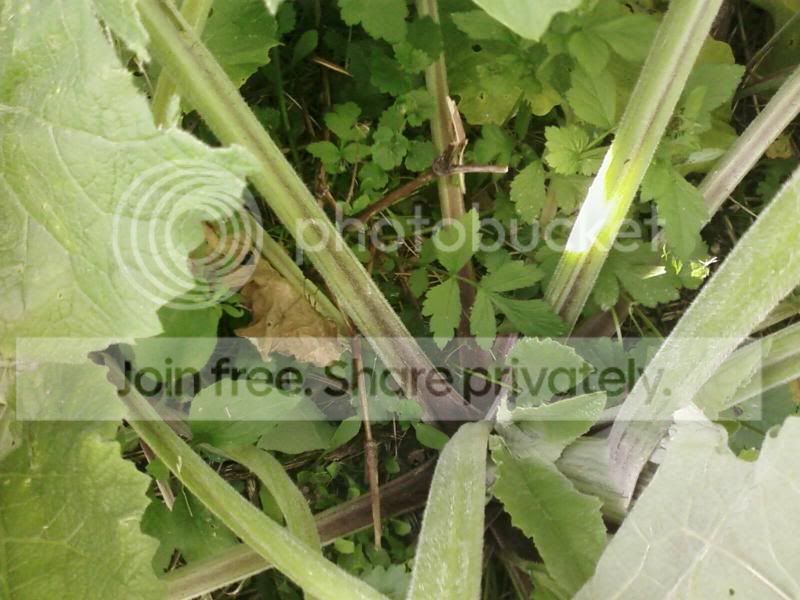
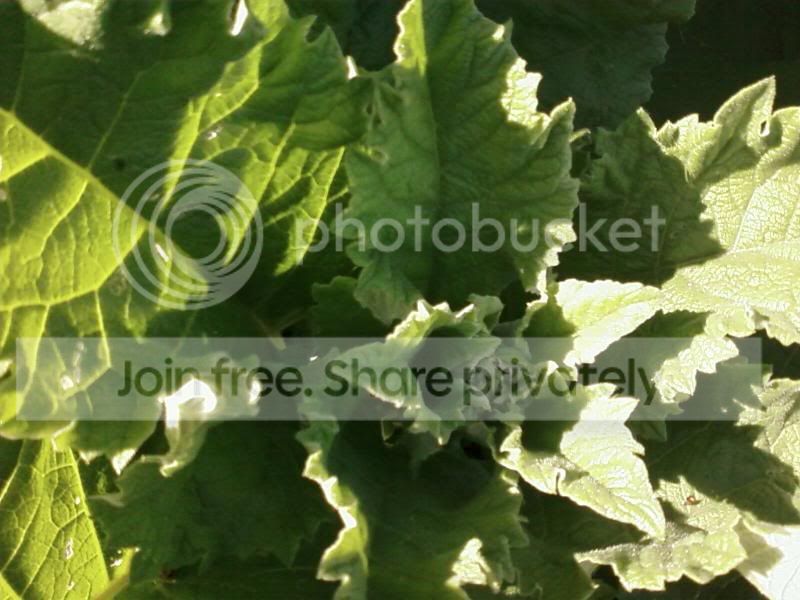
And now for a question: Is this rhubarb? :confused:
PIC-1080.jpg

PIC-1081.jpg


I love me some strawberry rhubarb pie. Heck, I love plain old rhubarb pie too! If it is, I'll go back and do a little harvesting. :cool:
 
Last edited:
Thanks guys, it's a learning process for me, as you can tell by the presence of my Wild Edibles guidebook.

Anybody know if that mystery plant I found is rhubarb or not? Unfortunatly, it's not in my book.
 
I'm betting Doc Canada will chime in on the Rhubarb possibility. I think you are close enough to him that the plants will be similar.
Simply based on the pics I've seen I would say no. It does not match.
 
Nice work :thumbup:

It's hard to tell from the picks, wish I could see a whole large leaf, but I think your mystery plant is Burdock. Yummy root.

Also it looks like violets surrounding the groundhog hole, not a bad tasting green for salads.
 
Violets, eh? Nice! There were also some wild onions around the area of that hole, so I guess the groundhog knows what he's doing!
 
I love to learn about wild edibles, and color pics help me understand more. Thanks for sharing the pics with us!
 
Looks like rhubarb but leaves arent dark enough and are slightly fuzzy. It's burdock. Check your book. It's probably in there.--KV
 
You have to be careful with burdock root...I believe you have to rinse it thoroughly before eating it since it has a poisonous residue on its exterior. May be wrong, but that's what I've heard.
 
I agree.... not rhubarb.

I found a whole pile of Morels in the bush last weekend... didnt get any pics though.

The Wife's coworkers thought she was insane to eat a mushroom from the bush just cause I told her it was safe.

Nothin tastier then Sauteed Morels though.
 
Thanks for the advice, everyone. Looks like I'll not be making any rhubarb pie. Oh well, the hunt for free food continues!
 
I'm not that familiar with Rhubarb and I don't know from the pictures, what the plant is. However, be advised that the leaves of Rhubarb are highly poisonous and have caused fatalities.

And John G., I don't know how much experience you have had with wild foods (and poisons), but I hope you're not relying on that one book, alone, to learn. Not knocking the book, it's a very good book, but if you're learning without benefit of personal instruction, I highly recommend using several books and cross referencing each plant you try. Also, you should be spending a lot of time learning poisonous plants, so you can be aware of any poisonous look alikes. ( I know Elias & Dykeman lists some of poisonous look-alikes.)

Good luck and good foraging.

Doc
 
Last edited:
I like to dry my morels in a deheydrator then slice them real thin and use them like noodles in soups, stews etc.--KV
 
Is that book Edible Wild Plants - A North American Field guide by Elias and Dyleman? It's a great reference.

Great pictures!
 
Doc Canada: thanks for the cautionary advice, and rest assured I'm being careful. My system is to study every wild edibles book I could get from my library, and learn as much as possible. For a while I was taking four book to the woods, and just cross-referencing anything that I could recognize. When I narrowed it down to the excellent Elias & Dyleman book, things became easier.

Now I identify something in the wild with the book, take pics, and look online for confirmation. Search engines are helpful. This forum is one great source. If confirmation is solid, I go back and harvest a sample. So far, I've avoided anything listed as having any poisonous lookalikes. I do know about rhubarb's poisonous properties, as my friend makes some legendary pies with it! She has a small patch pf vollunteer rhubarb. If I harvest any in the wild, I'll go to her for experienced help in preperation.

I would love to take a practical course, and will "when the stars are right." (The Wilderness Learning Center looks really great.) Until then, I'll keep learning my careful, if slow, way. Thanks again for the advice, and for keeping an eye out for a new guy. No one should ever hesitate to offer such help, especially when health is at risk. My pride can take it!
 
Back
Top