Why do you forge versus doing stock removal?

Joined
Mar 5, 2012
Messages
317
I've had my own suspicions, but I just want to know. Why do some of you guys forge steel?

I wish I could do some forging, but that's totally out of the picture for at least several years. I'm just annoyed at how wasteful stock removal is really (the wasting of metal and the usage of belts). And who doesn't like to play with fire?
 
I find forging the blade the single most enjoyable part of making a knife... playing with fire, beating on stuff with a hammer, you know, all that stuff your mother didn't like you doin when you were a kid... :)
 
I've done both stock removal and forging. To be honest I like forging much more than stock removal. I love seeing how the steel moves under the hammer. I get to an almost zen state when forging.
 
Hard to find some steel in flat stock. Stock Removal is more wasteful of the steel. Can't make Damascus on the grinder. Like the other above, I love to beat on hot steel. It is a form of therapy for me. I do stock removal from time to time but forge 99% of my blade to some extent.
 
I do both, and have done a majority of my work via stock removal simply because I didn't get set up to forge until later on. Ultimately, you still need to develop the skills with a grinder. With the exception of a few very skilled smiths, all forged blades are still ground to final dimensions via stock removal. So why forge if you have to grind anyway? Forging is a blast, and it wastes less material, and it's a blast. Also, grinding goes much faster once forged to shape with bevels forged in.

--nathan
 
I stock remove because I dont have the set up for forging. I am slowly getting started but I need a dedicated area for it plus I live in a close neighborhood so noise ban be an issue.
 
Forging is a blast, and it wastes less material, and it's a blast.

It seems that there is a tradeoff though- use more material and more belts, or use more energy to fuel your forge. I don't know which is better in the end.

custom knifemaking is foremost a man using his skill and handwork to create a blade, whether by forging or grinding or both, so whatever method a maker chooses to achieve his results becomes a part of his process and a part of the result. But I have to believe that a skilled maker would choose a method that would enhance his process of achieving a blade, and enhance the finished product. So the next logical question is does forging improve any charactistics of the finished blade? I know that forging of mechanical parts, in particular engine parts, makes for stronger parts. But does it make for stronger knives? The rolling of sheet stock for knife blanks enhances the properties of the material in ways beneficial to knife strength, does forging give additional benefits? I don't know and as an engineer I'm not so sure that forging does improve knife performance, but I would like to see evidence one way or the other.
 
That is a subject that has been discussed to death. You will still find the occasional champion of the forged blade's superiority, but largely I think the consensus has become that a forged blade, if forged and heat treated right, is no better than the equal of a stock removal blade that has been heat treated right.

I am a blade forger, but I do it for many of the reasons stated above. I can use big stock, I can waste less material, I can make damascus. I love fire and smithing in general- my interest in forging extends beyond blades into general blacksmithing as well.

I often find that I can grind a given blade out of a blank annealed factory bar faster than forging the bevels and point, then having to grind it anyway. The correct thermal cycles necessary after forging a blade to make it ready for quenching add time and fuel as well. When it comes to integral knives, forging opens a great realm of possibility in design and is usually far less wasteful. To a metal smith or craftsman, forging is just another tool in the kit to be used when appropriate or advantageous.
 
can't make swords and the associated hardware without forging. At least not as easily or reasonably. Not that you can make a sword easily, anyway. I have made a couple of blades from stock removal, but they aren't as fun. Fun is the most important part. If I was doing this for a living, I would get a lot of 1/8" flat stock and grind away. But I do it for joy.
kc
 
For me it's the challenge and joy of working hot steel. Also gives me more options, I can make a knife out of just about anything, and I have way more control over the blade than simply grinding one out of bar stock, one of these days I want to try making my own steel. I'm also not limited by stock sizes and shapes, saves on material, and if everything is done rite it can make a superior blade, at least sometimes with some steels. I also feel more involved with the finished product. I do make stock removal knives, but have yet to feel the same connection with them I do with a blade I forged.
 
Forging appeals to me on a primal level. Does it make a better blade? No... good makers maks a good blades, no matter what method they use. I do feel that forging gives me a bit more freedom with stock size and a few other variables folks have mentioned.
 
This question has been asked a dozen times, and the universal answer is almost always:
Because I can!
and
Because it is fun!

There are always lots of "to save on materials" and other reasons, but in the end the two above reasons given are the main ones .
 
For me a stock removal blade is a blade of a single note, my forged blades can be a symphony.
 
I agree 100% with what Rick said,"Does it make a better blade? No... good makers maks a good blades," IMO no matter if you forge or if you stock removal the heat treat is where it's at, that has to be done right.
 
Last edited:
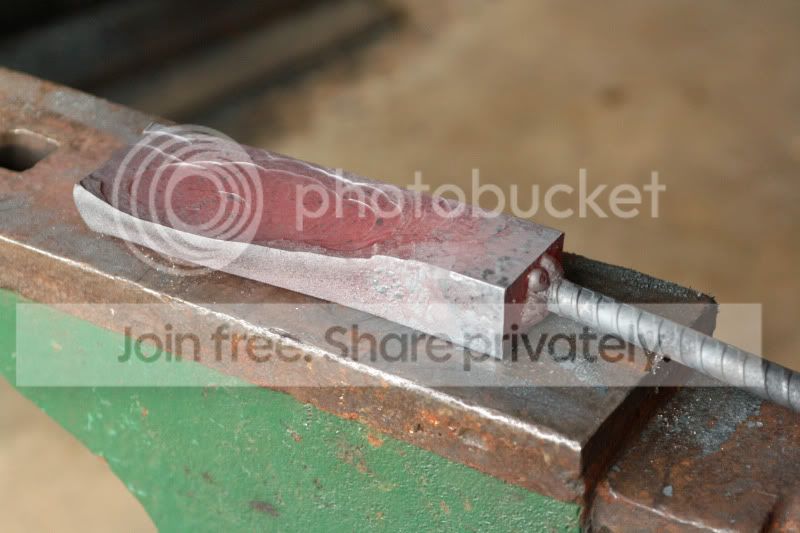
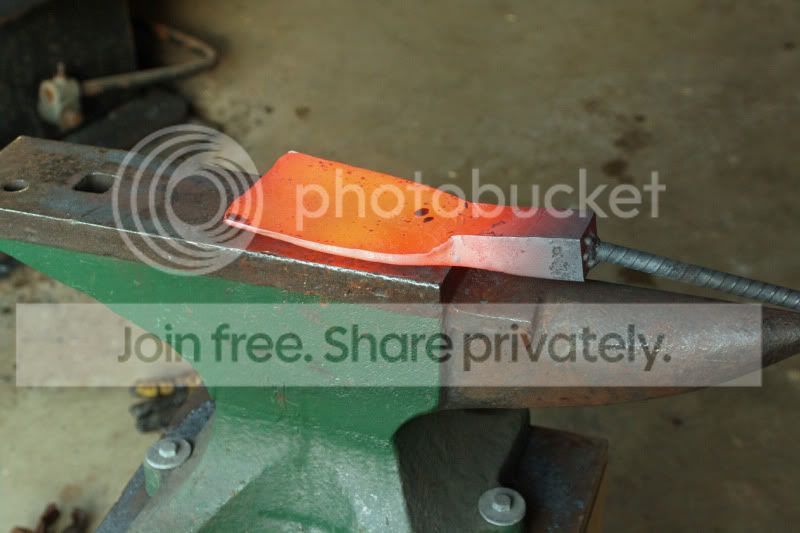
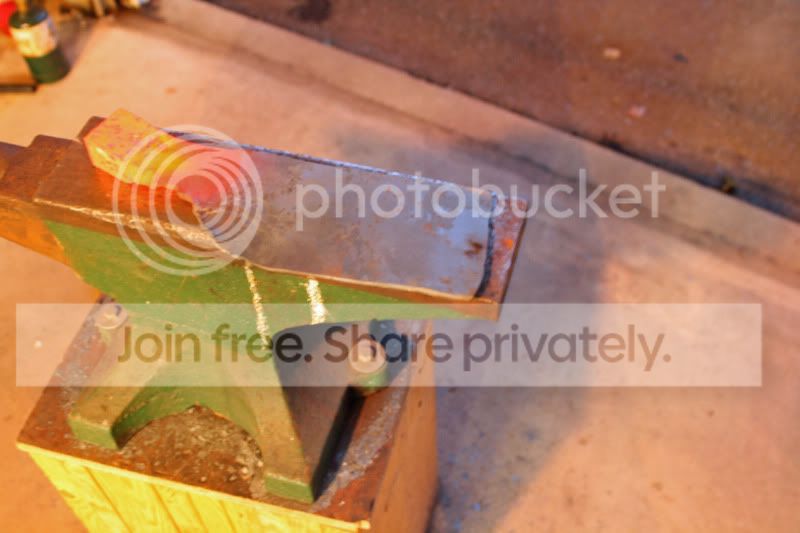
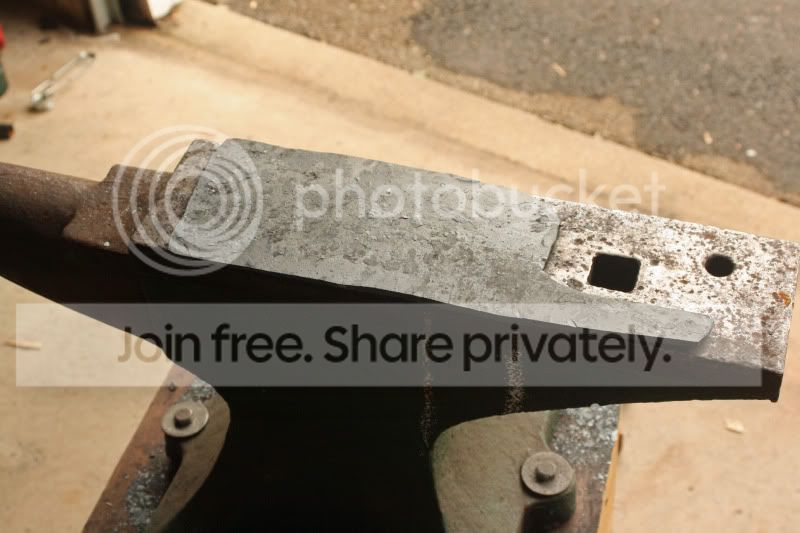
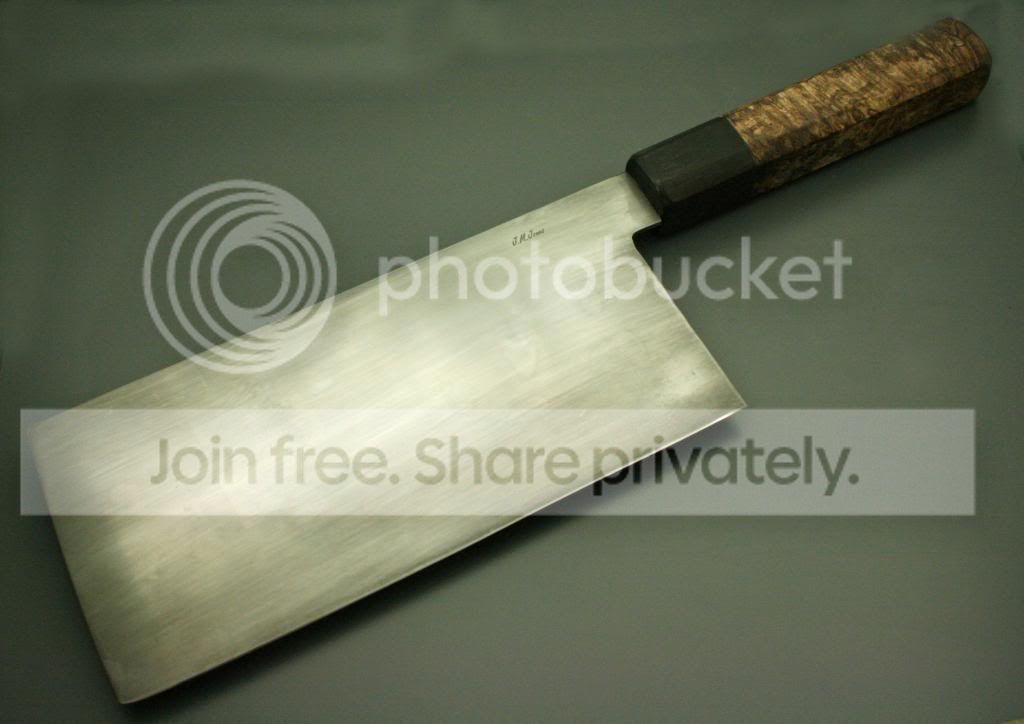
I agree forging is fun and has some bennefits with regard to being able to use larger stock, which is also usually alot cheaper. I have paid one dollar per pound for w2, l6 and o1. I also really like the dramatic change of form that is possible. Here is an example:

3-3.jpg

4-3.jpg

6-3.jpg

8-2.jpg

cleaver1-1.jpg


The cleaver is less than 1/8 inche thick at the spine.
 
Because I can make the steel atoms finer by edge packing the blade while forging. :P. Makes my blades cut better.... Plus I can make knives out of bed frames....
 
bdmicarta, as for the discussion of forged vs. non-forged relating to car parts, you're really talking apples or oranges. Some car parts are cast, some are drop-forged. When it comes to steel for knife making, the bar stock used for stock removal has already basically been "forged" when it was produced.

--nathan
 
Back
Top