Joe,
A PID controlled forge keeps pretty good temp control with +/- 5 degrees being average.
It works far better with a blown burner for HT, which can run much lower than a venturi.
The info on setting a PID controlled burner up is in the Stickys.
Now, as to the amount of wool to use:
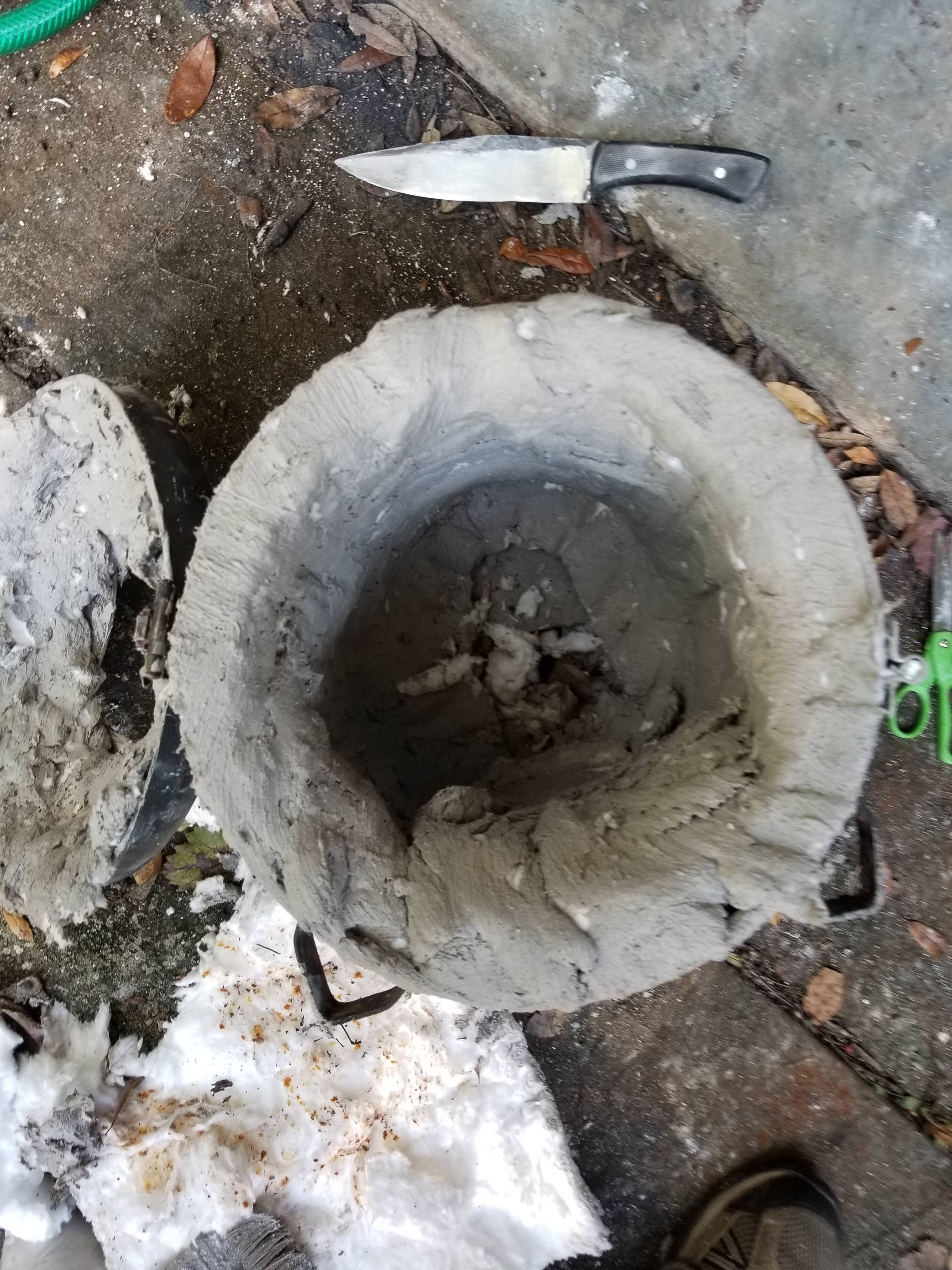
The thickness needs to be 1" minimum for a regular forge. More won't hurt anything.
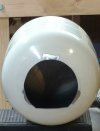
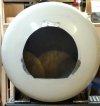
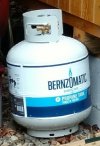
The most important thing is the chamber size. If the tank is 12" wide and you put 1" wool inside you have about a 9" chamber. That is really wide. If you use 2" of wool, it is 7" which is goo if doing HT with a muffle pipe. 3" of wool would be a 5" chamber, which is good for forging, but tight for putting a muffle in for HT . So, either two layers or three would work. The chamber length on a propane tank forge ends up about 10" IIRC. With that, I would stay with 2" of wool.
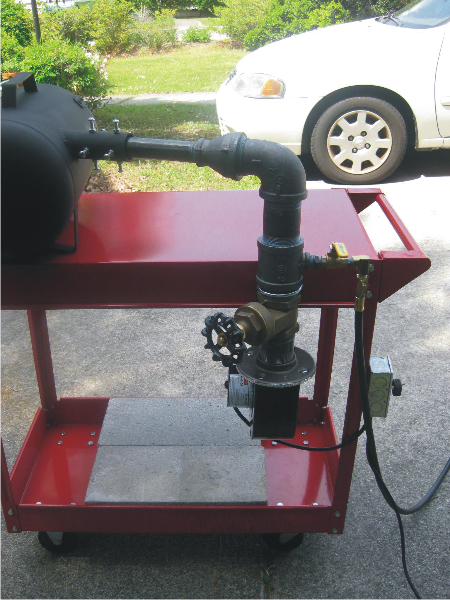
Final note on PID control. If a small forge is well built and allowed to fully soak, a needle valve and a pyrometer will be fine for temperature control. Since a PID can be used as a readout with a TC, it is effectively a pyrometer. That is where I would start for most new makers. After learning to use and control the forge you can simply add the second needle valve and the solenoid to make it two stage PID controlled. When building any forge, put a port for a ceramic sheath in the forge as if it was a second burner port. That allows the TC to be placed in the sheath or slipped inside a muffle for HT. When the TC is in the sheath, plug the end with wads of kao-wool.




 Not a dump, I appreciate all suggestions.