
-
The BladeForums.com 2024 Traditional Knife is available! Price is $250 ea (shipped within CONUS).
Order here: https://www.bladeforums.com/help/2024-traditional/
You are using an out of date browser. It may not display this or other websites correctly.
You should upgrade or use an alternative browser.
You should upgrade or use an alternative browser.
Barlow? Share all your Barlows here.
- Thread starter sunnyd
- Start date
- Status
- Not open for further replies.


- Joined
- Aug 24, 2010
- Messages
- 1,447
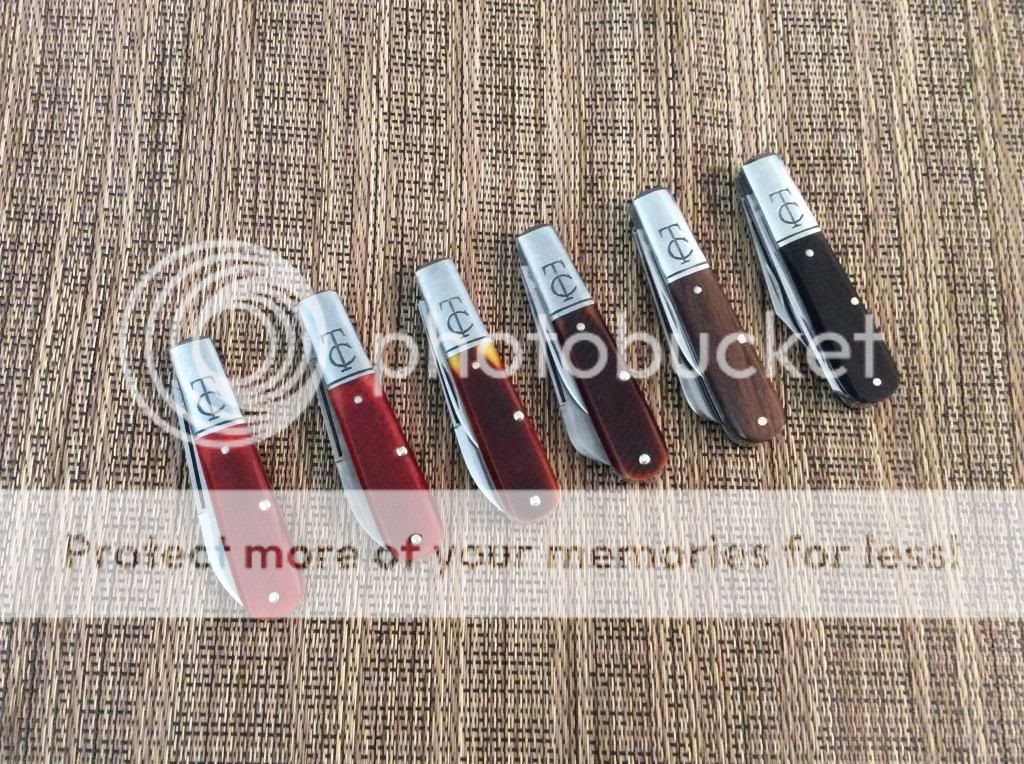
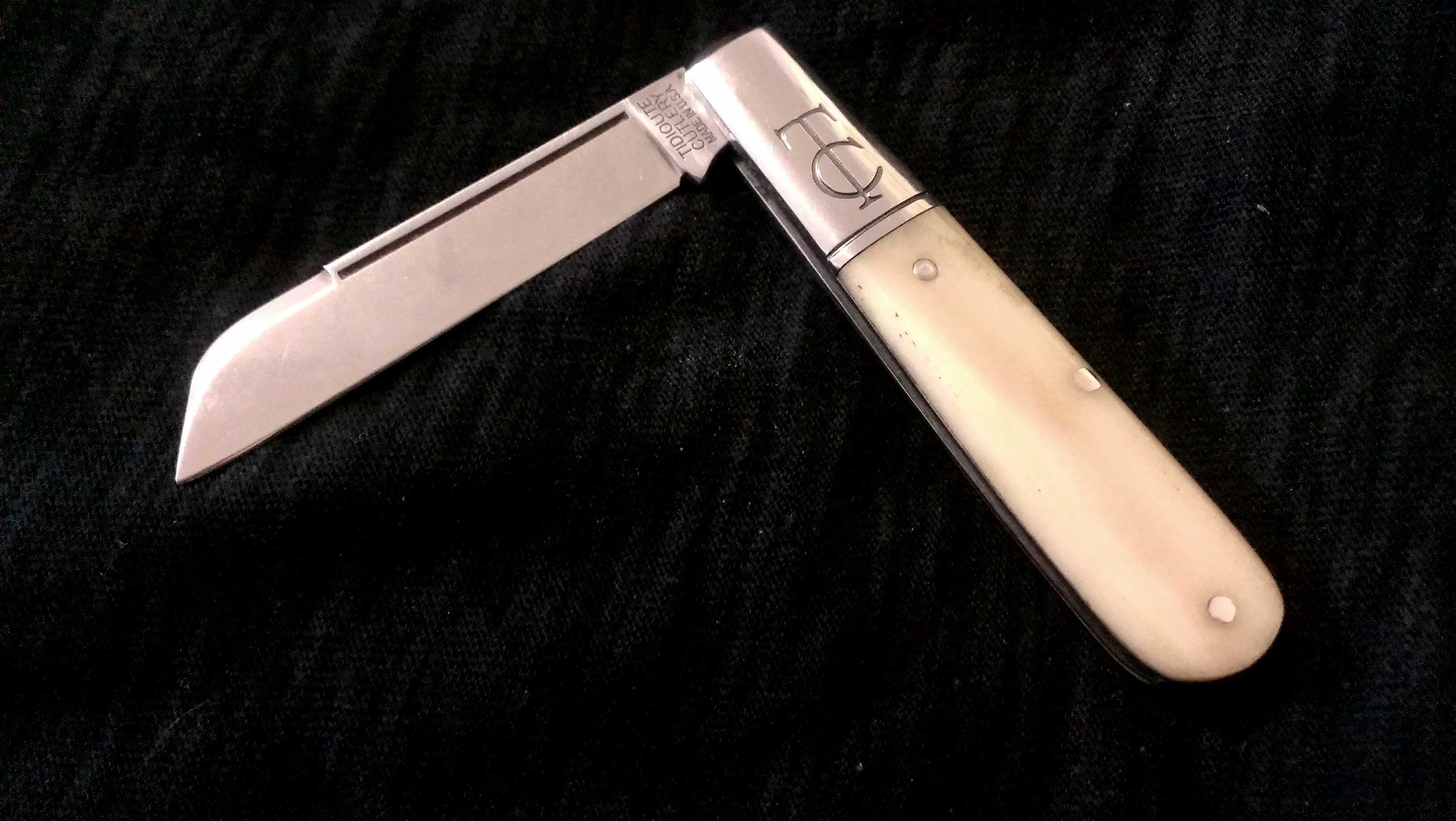
The pics don't do these covers justice, they're real purdy!!!
Very nice!
I feel similarly about this one:


- Joined
- Aug 24, 2010
- Messages
- 1,447

Photobucket has what I consider a scam running.
When you paste in their IMG link it now also pastes in a URL link which takes people back to your Photobucket library.
Then when people browse your library, Photobucket informs you that your bandwidth has been exceeded because you're so popular that you should buy a membership
The solution to the problem is to look closely at the code that you're pasting in and delete the entire line that has the URL link and keep only the IMG link.
Here is your photobucket code, I added spaces to disable the link
[ URL=http://s1204.photobucket.com/user/67nick1/media/Ulster_OK_Barlow1.jpg.html]
[ IMG]http://i1204.photobucket.com/albums/bb417/67nick1/Ulster_OK_Barlow1.jpg[/IMG][/URL]
this is the part you want to keep (without the added space before IMG)
[ IMG]http://i1204.photobucket.com/albums/bb417/67nick1/Ulster_OK_Barlow2.jpg[/IMG]
your images will show up again tomorrow, meanwhile here are a couple other OK's


black mamba
Gold Member
- Joined
- Oct 21, 2009
- Messages
- 24,238
Jon, on your bone OK it looks like the heads of the pins are melted-- did they solder them in place? 
- Joined
- Aug 24, 2010
- Messages
- 1,447
Jon, on your bone OK it looks like the heads of the pins are melted-- did they solder them in place?
Its not mine, it was sold by a prominent seller of undisclosed modified knives named sportcolbs, I dont trust him. I doubt the knife is in original factory configuration.
I think you can fix it in your preferences. Click on your username in the upper-right corner, go to user settings. It brings up a faux-tab looking page. Click on the "Albums" tab, and uncheck the "link back to albums"
That works! Excellent info, thanks. My solution was to switch photo hosts. Thanks for the option.
Barlow content, from my photobucket with the linkback to album unchecked.. works great!


- Joined
- Sep 30, 2004
- Messages
- 6,997
It looks to me like the pins were installed before the jigging was done. I have seen this before on some older knives. If you look closely, you can sometimes see the way the pins are "chewed" matches the jigging grooves.Jon, on your bone OK it looks like the heads of the pins are melted-- did they solder them in place?
There was another, maybe "better," example of this posted recently, that I saw earlier today.... although I can't remember where. It was one of the small Miller Bros. maybe?
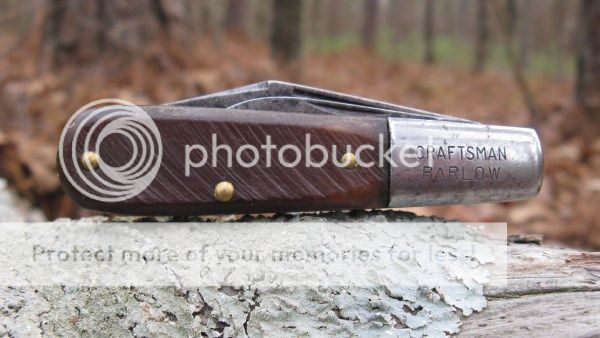
- Joined
- Aug 24, 2010
- Messages
- 1,447
Here is another example of how soaking some bone scales in oil can cause very dark staining
Here are more knives that have evidence of oil soaking in unevenly.
On the left is a Russell I immersed in mineral oil, notice how there is a large area of darker color to half the handle. That portion of the bone became softer, and gouged easily when I used a buffing wheel on it.
Next is a "restored" Keen Kutter I got off ebay, notice the extra dark bone along the backspring edge, at the middle pin, and elsewhere
Next is a Boker with porous second cut stag handle, notice the dark spots in the middle of the handle where I put 3 drops of mineral oil that soaked into the pores

the "damage" caused by soaking in oil is that the oil changes the color of the bone unevenly. It tends to go in around the pins and under the edges of the scales, more than on other parts. Not all bone handles react the same way, as the density of the bone varies from knife to knife.
Even the two sides of the same knife react differently, for example, the Pile side on the Keen Kutter has much more oil staining than the Mark side


In the following photo, the Remington on the right shows just a very slight shadow where oil soaked in more than other parts of the bone, on the backspring side between the middle pin and the bolster. It left me with the impression that Remington bone is denser than the bone Russell used. The Charlow on the left showed very little change from oiling. Bone density varies a lot, and some cutleries use higher density bone than others. Gecs Primitive bone is so porous, that they stabilize the material by soaking in acrylic. After which oil will not penetrate at all.

In this next photo you can see that the Mark side of the Russell absorbed much less oil than the pile side, mostly only around the pins.
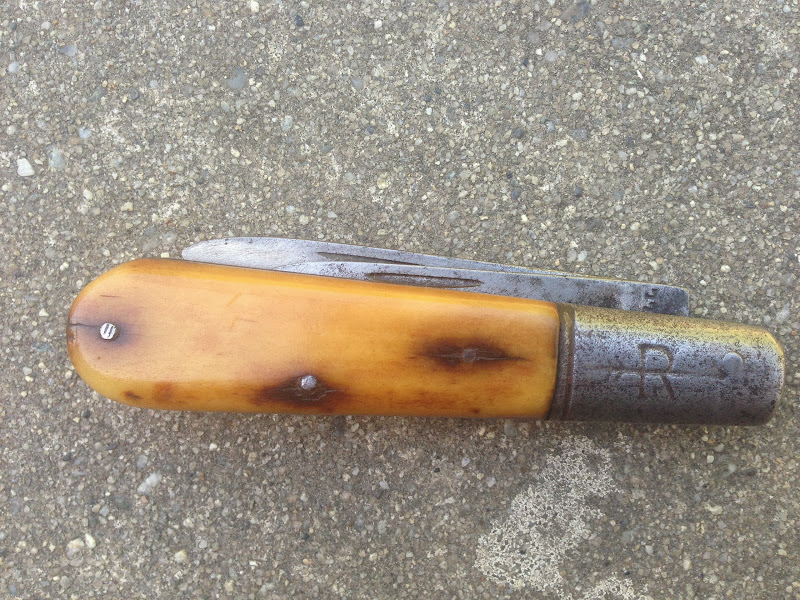
I do recommend using mineral oil for the pivot pin and blade of a carbon steel knife. I just no longer soak my handles with it.

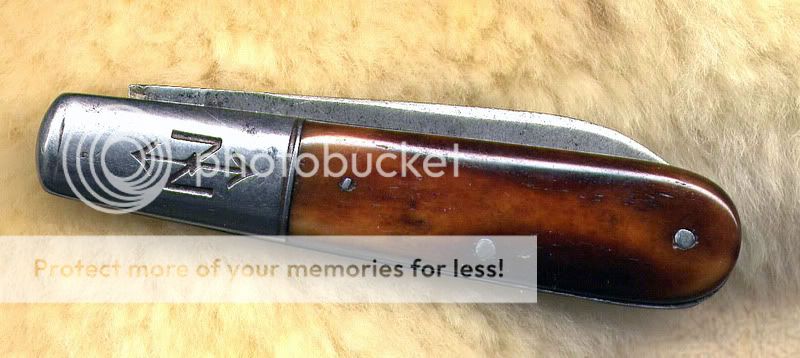
Here are more knives that have evidence of oil soaking in unevenly.
On the left is a Russell I immersed in mineral oil, notice how there is a large area of darker color to half the handle. That portion of the bone became softer, and gouged easily when I used a buffing wheel on it.
Next is a "restored" Keen Kutter I got off ebay, notice the extra dark bone along the backspring edge, at the middle pin, and elsewhere
Next is a Boker with porous second cut stag handle, notice the dark spots in the middle of the handle where I put 3 drops of mineral oil that soaked into the pores
the "damage" caused by soaking in oil is that the oil changes the color of the bone unevenly. It tends to go in around the pins and under the edges of the scales, more than on other parts. Not all bone handles react the same way, as the density of the bone varies from knife to knife.
Even the two sides of the same knife react differently, for example, the Pile side on the Keen Kutter has much more oil staining than the Mark side
In the following photo, the Remington on the right shows just a very slight shadow where oil soaked in more than other parts of the bone, on the backspring side between the middle pin and the bolster. It left me with the impression that Remington bone is denser than the bone Russell used. The Charlow on the left showed very little change from oiling. Bone density varies a lot, and some cutleries use higher density bone than others. Gecs Primitive bone is so porous, that they stabilize the material by soaking in acrylic. After which oil will not penetrate at all.
In this next photo you can see that the Mark side of the Russell absorbed much less oil than the pile side, mostly only around the pins.
I do recommend using mineral oil for the pivot pin and blade of a carbon steel knife. I just no longer soak my handles with it.
- Joined
- Aug 24, 2010
- Messages
- 1,447
A few barlow pics found online, not mine.
more info on Tip Tops here http://www.bladeforums.com/forums/showthread.php/1144040-Tip-Top-Jigged-Barlow-bone-or-Cabone

more info on Remingtons here
http://www.bladeforums.com/forums/showthread.php/1107322-Remington-Barlow-RB43-rebladed

more info on Tip Tops here http://www.bladeforums.com/forums/showthread.php/1144040-Tip-Top-Jigged-Barlow-bone-or-Cabone
more info on Remingtons here
http://www.bladeforums.com/forums/showthread.php/1107322-Remington-Barlow-RB43-rebladed
- Joined
- Sep 21, 2013
- Messages
- 265
Here's one of mine.
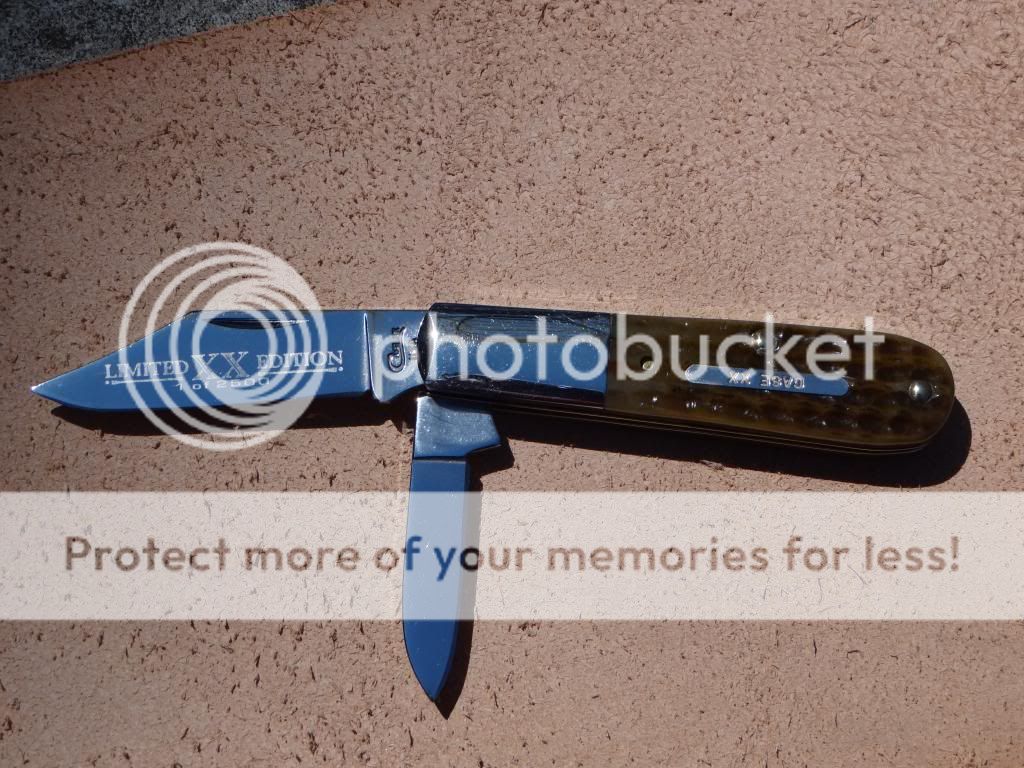
Bob
Bob

- Joined
- Jun 20, 2003
- Messages
- 303
I have several but this is my favorite.
 [/URL][/IMG]
- Joined
- Sep 21, 2013
- Messages
- 265
^^^^ That's a purty one ya got there Dagger.
Bob
Bob

- Joined
- Aug 24, 2010
- Messages
- 1,447
Beautiful pics!
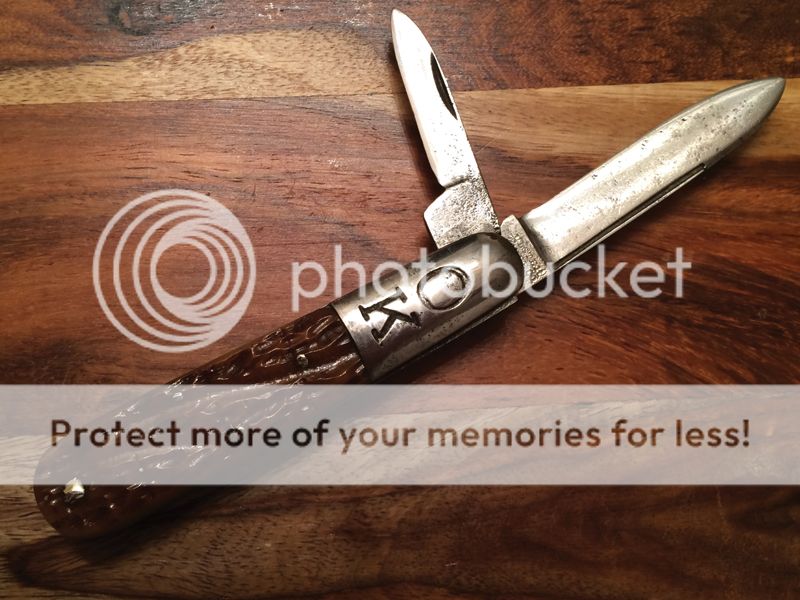
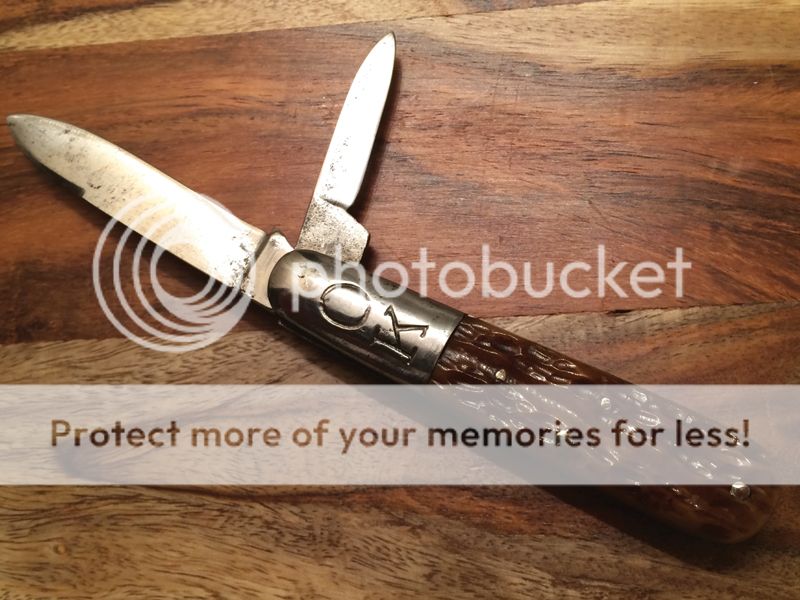
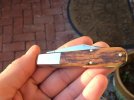
Here is another Barlow with an OK stamp, online pic, not mine, seems to predate Ulster...
Old Vtg 1800s ~ Wm. GREVEMEYER & Co


- Joined
- Aug 24, 2010
- Messages
- 1,447
thats beautiful! what is it?
Heres a pile side pen ebony spear, a Grail knife, the Gods are smiling on me

- Status
- Not open for further replies.