I've been reliably taking two or more deer a year for over 20 years now, and the vast majority of them I have butchered myself. The only time I take one to a commercial processor is if I am giving the meat to someone like my MIL.
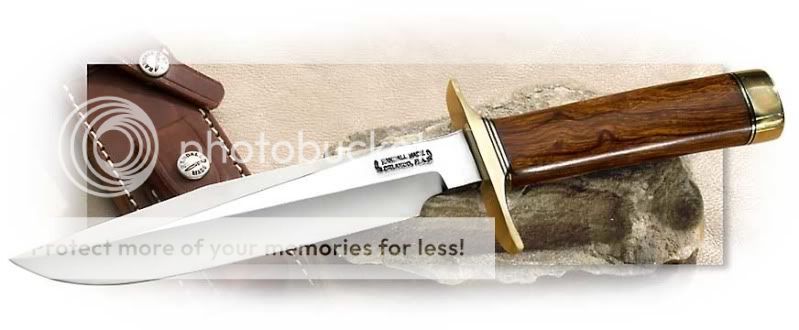
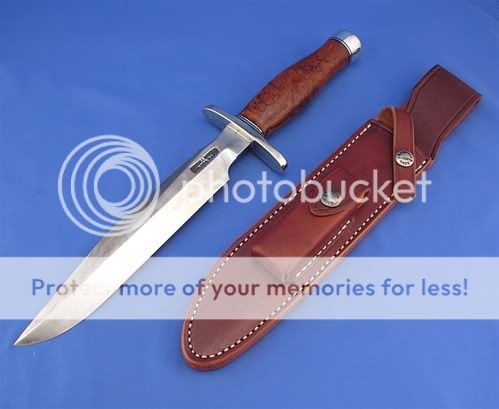
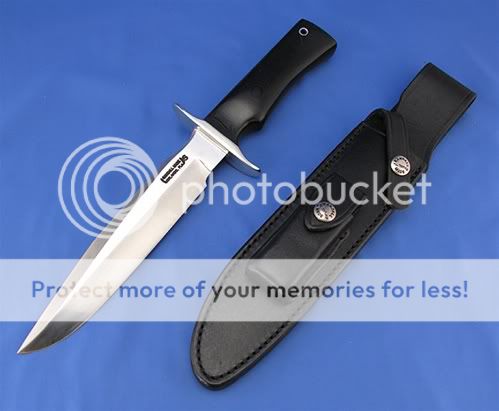
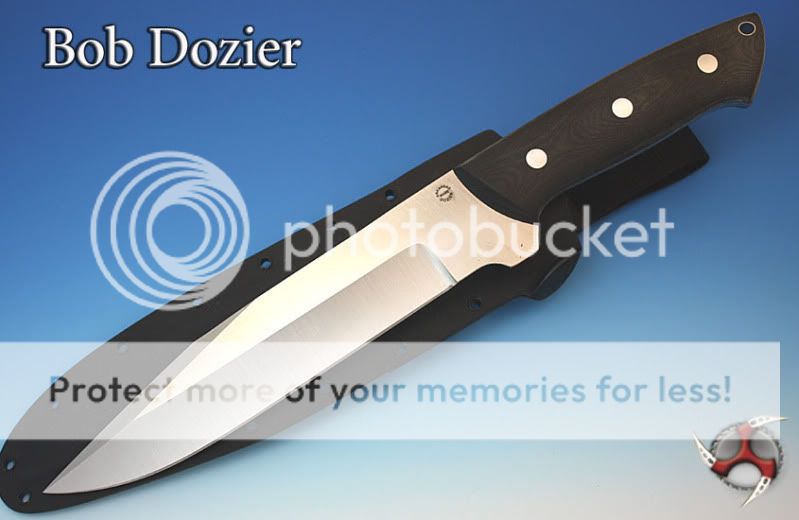
I own two giant bags of knives made from all sorts of different steels, everything from ZDP-189, S90V and even Infi. What do I use to process deer? Well, after years of experimentation I have come to the conclusion that you can do a pretty good job with almost anything. For the initial field dressing the chances are good I will be doing it either with a Beretta Loveless dropped point hunter (AUS8), a homemade copy of the Loveless (M2), a reprofiled Mora Craftsman (Sandvik 12C27) or an old Schrade folder (1095). I'm hoping to try my new D2 Dozier out this year. This includes slicing open the ribcage, gutting, skinning, and maybe cutting the rear leg joints. Any bone cutting is done with an old bone saw that belonged to my grandfather.
After the carcass has hung and aged, I bone it out for the freezer. After years of experimentation my butchering knives setup has pretty well standardized on an Old Hickory boning knife (1095), a fillet knife from either Case (440A) or Frosts (12C27) and occasionally a Mora Clipper (12C27) for working around the ribs/backstrap. I have put a bunch of large animals into a small space using these tools.
Did you catch the blade steel on that Case fillet knife? That's right--440A--one of the most reviled blade steels in the history of BladeForums. Only 'surgical stainless' and 420HC have been more abused by the steel junkies on this forum. And how about that Beretta--AUS8? What a crappy steel that is! Why, I can only field dress an entire season limit with it before it needs a few swipes on the Sharpmaker.
How can something as universally despised as 440A and AUS8 possibly be useful for such a demanding task? Well, the AUS8 in question is actually ground and heat treated by Moki to a very high standard. The Beretta AUS8 knives take that steel to its highest possible level of performance. As for the Case fillet knife, the steel is almost irrelevant. I use a fillet knife for butchering because the geometry and flexibility of the blade allow me to easily separate the large muscle groups on the hams, and to separate them from the bone. Because the edge barely ever touches the bone (even lightly) a crap steel is good enough. In this case edge geometry and blade profile is VASTLY more important than the steel. In the last few years the Frosts has pretty well taken the place of that old Case knife because the 12C27 does seem to be a better edge holder and will last through an entire animal before it needs to see the ceramic rod.
So my point is twofold:
1) The folks who posted about edge geometry were 100% correct. It is the shape of the blade that determines its cutting ability. The steel only dictates how keen an angle the knife can be profiled to hold without taking damage.
2) Even crap steels can be taken to relatively thin edge profiles and still work OK. Neither of my low-cost Fillet knives show any edge damage after years of use. Of course, I've never clonked them against a femur with a hard swing either.
After typing all this I just realized I may have completely misread the intent of your original post. I assumed you were asking about cutting flesh because you were interested in knives for game/butchering. You might have been asking because you saw a ninja or zombie movie and wanted a knife to lop off heads and arms. If that's the case I'm afraid I can't help you with that---but a 440A Case fillet knife would probably not be the best choice