Yeah I remember that one too, seemed a bit odd then but the inclusion excuse seemed plausible at the time, now, not so sure.....There was a dbk video that tested a brk knife in magnacut shortly after the steel released and the knife (im trying to recall) either chipped or broke in half during batoning wood. They told brk and they replaced it saying there must have been an issue during HT or the steel when the knife was made. Again im working from memory but I do remember the highlights of that video. Im starting to wonder if that was even magnacut at this point

-
The BladeForums.com 2024 Traditional Knife is available! Price is $250 ea (shipped within CONUS).
Order here: https://www.bladeforums.com/help/2024-traditional/
You are using an out of date browser. It may not display this or other websites correctly.
You should upgrade or use an alternative browser.
You should upgrade or use an alternative browser.
Just saw this.....Bark River is no more?
- Thread starter Arathol
- Start date
- Status
- Not open for further replies.

oldmanwilly
Gold Member
- Joined
- Mar 7, 2014
- Messages
- 4,932
There was a dbk video that tested a brk knife in magnacut shortly after the steel released and the knife (im trying to recall) either chipped or broke in half during batoning wood. They told brk and they replaced it saying there must have been an issue during HT or the steel when the knife was made. Again im working from memory but I do remember the highlights of that video. Im starting to wonder if that was even magnacut at this point
Yes, and if I recall correctly the knife in question had some large, deep jimping along the spine - right where it met the handle. BRK basically put a row of serious stress risers in the worst possible spot. Even if it was the correct steel, it's almost like they didn't consider the possibility they were intentionally weakening their blade.

- Joined
- Jul 23, 2015
- Messages
- 20,238
serious stress risers
Like the fullers in post 1070 by Mistwalker. I gave myself a black eye with that facepalm.

- Joined
- Jul 30, 2006
- Messages
- 45,513
Back then the excuse/explanation used by Mike and the Sharpshooter Sheath d-bag was that when they ground carbon steel on a belt and then switched to grinding stainless, the micro particles pf carbon steel would embed in the stainless and basically seed the rust/pitting.
Just for clarification, if they did use a belt which had been used on carbon steel, then used that belt on stainless, it is indeed possible that they contaminated the oxide layer on the stainless steel, making corrosion of the stainless blade possible. It is a known issue when processing both carbon steel and stainless steel in the same shop.
Stainless steel is stainless because of the adherent oxide layer. If you contaminate that layer with bits of non-stainless steel, corrosion of the steel is possible.
So, the supplied explanation could have been actually what happened.
- Joined
- Aug 20, 2022
- Messages
- 1,705
Milli Vanilli had actual singers help commit their fraud. Who were the actual knifemakers who helped to commit this fraud?
Who are Mike's co-conspirators?
Who are Mike's co-conspirators?
Maximumbob54
Gold Member
- Joined
- Jun 10, 2024
- Messages
- 1,566
Went home last night and pulled out my Bravo 1 and stared at it for a bit. It occurred to me the leather sheath it came with also struck me at purchase as being pretty decent for the total price I paid.
But wait...
Nothing has been said yet, but now I can't help but be left wondering where it may have really been made.
Edit to add:
None of these are digs against anyone, please do not take it that way. These are just personal observations or back and forth...
Move. I did. I moved across country. It was hard but it was worth it.
They're doing hands on labor. Go work for some other hands on labor type company. Go to a job placement center. If you're young enough, go enlist. There's just never a reason to say you can't find anything else.
Just saw after I clicked quote on this that it was probably the jimping. I get that we aren't supposed to baton knives. I GET IT. Try and stop me... (humor)
Can't get under the below quote... The first time I've personally ever heard of this is when MagnaCut entered the scene. I hope it's just my ignorance on the subject but I swear I don't remember it when any other new stainless swept the marketplace. Is this a phenomenon unique to the specific blend that makes this grade actually stainless???
But wait...
Nothing has been said yet, but now I can't help but be left wondering where it may have really been made.
Edit to add:
None of these are digs against anyone, please do not take it that way. These are just personal observations or back and forth...
They turned a blind eye within a crooked company so they can put food on the table. Sure, it’s not the most ethical thing, but don’t act like they snuck into your house and stole money directly from your wallet. Mike Stewart has been known as a shady individual for years anyways, so anyone who willingly supported him in recent years is no better than the people who still support Mick Strider.
Move. I did. I moved across country. It was hard but it was worth it.
Agreed. I'm all for ethics and good morality, but you cant eat ethics or shelter under morals. Employees generally aren't to blame. That wouldn't work for any other field or organization or company, so it doesn't really work here just because its a knife maker.
They're doing hands on labor. Go work for some other hands on labor type company. Go to a job placement center. If you're young enough, go enlist. There's just never a reason to say you can't find anything else.
There was a dbk video that tested a brk knife in magnacut shortly after the steel released and the knife (im trying to recall) either chipped or broke in half during batoning wood. They told brk and they replaced it saying there must have been an issue during HT or the steel when the knife was made. Again im working from memory but I do remember the highlights of that video. Im starting to wonder if that was even magnacut at this point
Just saw after I clicked quote on this that it was probably the jimping. I get that we aren't supposed to baton knives. I GET IT. Try and stop me... (humor)
Can't get under the below quote... The first time I've personally ever heard of this is when MagnaCut entered the scene. I hope it's just my ignorance on the subject but I swear I don't remember it when any other new stainless swept the marketplace. Is this a phenomenon unique to the specific blend that makes this grade actually stainless???
Just for clarification, if they did use a belt which had been used on carbon steel, then used that belt on stainless, it is indeed possible that they contaminated the oxide layer on the stainless steel, making corrosion of the stainless blade possible. It is a known issue when processing both carbon steel and stainless steel in the same shop.
Stainless steel is stainless because of the adherent oxide layer. If you contaminate that layer with bits of non-stainless steel, corrosion of the steel is possible.
So, the supplied explanation could have been actually what happened.
Last edited:
I've seen the cross contamination of belts myself in my shop. My water dunk bucket is used for carbon and stainless too. Happens more at coarser grits, but I make sure to scrub the blades well when they are done to get rid of it.
There were a lot of posts in the FB groups on Friday and last weekend. There were some with pictures of the made in China blanks with stickers on the bags or knives themselves. Someone also posted the 3 lawsuits, too.
Here is one I found:

 unicourt.com
I found another link, but you had to be a member to see it... haven't found the 3rd link again?
There were a lot of posts in the FB groups on Friday and last weekend. There were some with pictures of the made in China blanks with stickers on the bags or knives themselves. Someone also posted the 3 lawsuits, too.
Here is one I found:
ALTBANQ LENDING II LLC. v. STEWART KNIVES LLC et al
On 01/14/2026 ALTBANQ LENDING II LLC filed a Commercial and Trade - Contract court case against STEWART KNIVES LLC in New York Supreme Courts. Court records for this case are available from Erie County Supreme Court.
unicourt.com
I found another link, but you had to be a member to see it... haven't found the 3rd link again?
Maximumbob54
Gold Member
- Joined
- Jun 10, 2024
- Messages
- 1,566
My last purchase of these was around 2004 or 2005. What are the odds the steel is mislabeled? Sorry if this question has been asked before.
The official answer seems to be from 2019 to present on certain models. The "definite maybe" answer seems to be it could be from the start. Much like how many licks does it take to get to the center of a Tootsie Pop...

- Joined
- May 5, 2014
- Messages
- 4,220
I very much agree that its possible and was why accepted the answer when it happened to one of mine. As everyone has said the issue now is the fact that they have caused everyone to question everything they have ever said or done as well as every quality control issue which could have been legitimate is now called into question.Just for clarification, if they did use a belt which had been used on carbon steel, then used that belt on stainless, it is indeed possible that they contaminated the oxide layer on the stainless steel, making corrosion of the stainless blade possible. It is a known issue when processing both carbon steel and stainless steel in the same shop.
Stainless steel is stainless because of the adherent oxide layer. If you contaminate that layer with bits of non-stainless steel, corrosion of the steel is possible.
So, the supplied explanation could have been actually what happened.
Something else I have been wondering about the chinese blanks is heat treat related.
Were these blanks supposedly already treated when they were purchased from the supplier or were they sent off to whomever was always heat treating the blades for BR?
If they were sent off wouldnt it be obvious to the heat treater if Stewart asked for a CPM 154 specific heat treatment and it wasnt CPM154?


Larrin
Gold Member
- Joined
- Jan 17, 2004
- Messages
- 5,132
One thing that keeps being ignored in this discussion of contamination is that grinding particles of the same steel can also promote corrosion, even a stainless steel. They are high surface area particles and act as initiation sites for corrosion. Acid passivation is performed on stainless steel for exactly this purpose, removing free iron particles.I've seen the cross contamination of belts myself in my shop. My water dunk bucket is used for carbon and stainless too. Happens more at coarser grits, but I make sure to scrub the blades well when they are done to get rid of it.
The 2019 date is the 2019 club knife which was produced a few years after 2019. At least for what was admitted!
Bark River from what I understand did no heat treating at all themselves. They receive blanks that were already heat treated, profiled, etc. whether they were from China or from a US supplier that profiled the blanks and sent them to others for HT, like Peters. I believe they were one of BRK's heat treat places?
The blanks that were made in China may have been bought from a US supplier. The China blanks come ground and hardened already although the quality is questionable of the heat treat. So they would not have been sent out for heat treating a second time.
The US done ones were typically sent to be water jet cut out, possibly machine ground and/or fullered before heat treat, then heat treated, then back to BRK as a partially ground hardened blank or a unground hardened blank. The more you send out to the companies, the cheaper it is for bulk heat treating so if they send out a lot it may only be a few dollars per blade to have it done. From what I saw DLT was sending the steel out that they bought to a place for waterjet profiling, but I am not sure if they also footed the bill for machining and heat treating too?
So there was legit steel sent out to legit places for heat treating. Heat treating a steel like CPM154 isn't really different than heat treating 154 CM, they have the same composition, it's the internal grain size and distribution of carbides/sizes that would be different. They would typically test at the exact same hardness even though the CPM 154 would have a much finer grain structure which would lead to increased toughness and increase edge stability for increased wear resistance.
Bark River from what I understand did no heat treating at all themselves. They receive blanks that were already heat treated, profiled, etc. whether they were from China or from a US supplier that profiled the blanks and sent them to others for HT, like Peters. I believe they were one of BRK's heat treat places?
The blanks that were made in China may have been bought from a US supplier. The China blanks come ground and hardened already although the quality is questionable of the heat treat. So they would not have been sent out for heat treating a second time.
The US done ones were typically sent to be water jet cut out, possibly machine ground and/or fullered before heat treat, then heat treated, then back to BRK as a partially ground hardened blank or a unground hardened blank. The more you send out to the companies, the cheaper it is for bulk heat treating so if they send out a lot it may only be a few dollars per blade to have it done. From what I saw DLT was sending the steel out that they bought to a place for waterjet profiling, but I am not sure if they also footed the bill for machining and heat treating too?
So there was legit steel sent out to legit places for heat treating. Heat treating a steel like CPM154 isn't really different than heat treating 154 CM, they have the same composition, it's the internal grain size and distribution of carbides/sizes that would be different. They would typically test at the exact same hardness even though the CPM 154 would have a much finer grain structure which would lead to increased toughness and increase edge stability for increased wear resistance.
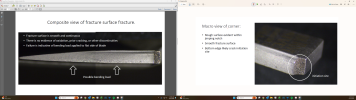

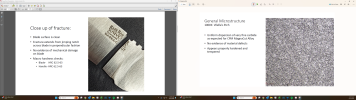
Thank you for sharing detailed test. Do you also have OES or XRF analysis result?

- Joined
- Oct 17, 2007
- Messages
- 4,305
I've seen the cross contamination of belts myself in my shop. My water dunk bucket is used for carbon and stainless too. Happens more at coarser grits, but I make sure to scrub the blades well when they are done to get rid of it.
If I recall correctly, a lot of the finishing/polishing process was also done on buffing wheels starting with very coarse and aggressive compounds on up to fine (all this after convexing on belts). It's particularly (pun intended?) easy to cross contaminate via loaded buffs, even more so than with belts, in my experience, especially when starting with coarser grits that will actually remove fair amounts of material. I would 100% believe that they'd have rusting problems with MagnaCut due to this issue.


nsm
Niagara Specialty Metals
- Joined
- Jun 15, 2009
- Messages
- 259
Thank you for sharing detailed test. Do you also have OES or XRF analysis result?
We don’t have documented XRF or chemistry on file for this specific batch. We did verify it with our XRF gun prior to sending it to the lab to confirm the grade, but that step wasn’t formally recorded.Thank you for sharing detailed test. Do you also have OES or XRF analysis result?
The lab had already worked on MagnaCut samples during the Survive! Knives situation and noted that this material showed a fine microstructure consistent with MagnaCut. If anything looked off, they would have flagged it.
- Status
- Not open for further replies.