Looking for electro etch plans

Status
Not open for further replies.
Thanks for the quick response!

I thought the same thing which is why I said I thought they could float.
Even the Electrical Engineer I had look at it today said he couldn't understand why the #2 wire from the xfmr needed to be connected to the ground.

I referred him to Chris Crawford's site where he clearly states"

Instructions for connecting the wires

1) Connect the following three wires using a twist on wire connector:
a. The green wire from the power cord (this is the ground wire)
b. The transformer wire #2 (see transformer diagram)
c. The transformer wire G that was connected to the transformer’s little tab"

I told him others had been building this with success, but we both looked at each other in disbelief.

I suggested to him that the configuration would probably work with a SPST switch to simply toggle between #1 & #2 wire that ultimately go to the rectifier. (And let them float when not in use)


Okay, I'll fix it and repost accordingly but before I do, how about the Voltmeter and Ammeter? Does it look correct?


I may not even need a 12V/24V switch at all if I use a rheostat somewhere in the circuit. I don't show it in the drawing yet, since I don't know for certain where it should be.

I'd like to control the voltage, but having it on the ammeter circuitry as I have drawn it will not do it. I just don't understand how having it there at that location could possibly give any control. As I said in an earlier post, I've taken the information from the web and pieced this together.

Any help there would be appreciated.

Vogavt
 
Last edited:
In order to variably control the dc output, you would be best to control it between the 24Volt leg of the transformer and the brown wire on the rectifier.

I experimented with this by using a variable resister (varister) in series between these two wires. My varister was of too low in resistance, or amperage rating (I believe) and it blew pretty much right away. I then took it out of the circuit and drew the schematic without it.

An electrical controls person may have a better idea for what to use, but I'm almost sure that a portion of the high cost on voltage controllers have to do with how to regulate the voltage without blowing up components (along with supplying clean, steady power).

Good luck.

Mike LoGiudice
 
Anyone know off hand how much amperage you are pulling while in use? The Radio Shack specs sheet on the transformer says it's rated for 2.0A. Does anyone ever get close to that?

I'm still pursuing the idea of adding a variable adjustment method to dial in the voltage unless I hear from someone that it's not really needed.

Please take a look here for a kit that looks like it will work. There's also a pdf that goes along with the kit that has a nice schematic too.

You'll noticed in the pdf that a bridge rectifier is incorporated. Now that I've stumbled upon the kit, I'm holding off on purchasing any parts from the aforementioned parts list until I get this sorted out.

I'm also looking at developing a PCB to put it all together if it all works out.

Listening for feedback.................
 
Last edited:
Have a look at my results of voltage readings after building the etcher box.

I decided to take some measurements with the multitester and discovered the excessive voltage of +53 volts AC.

The readings look normal for the unit being in AC mode and measuring the AC voltages and the DC voltages look normal IF reading in the DC mode. However, look at what I'm getting if I switch the multitester to AC while having the unit in DC mode.

Is this normal to read double the voltage? Or should I ignore the reading and count it off as not a true reading?

Any comments would be appreciated.
 
Have a look at my results of voltage readings after building the etcher box.

I decided to take some measurements with the multitester and discovered the excessive voltage of +53 volts AC.

The readings look normal for the unit being in AC mode and measuring the AC voltages and the DC voltages look normal IF reading in the DC mode. However, look at what I'm getting if I switch the multitester to AC while having the unit in DC mode.

Is this normal to read double the voltage? Or should I ignore the reajding and count it off as not a true reading?

Any comments would be appreciated.

Which one did you build? The one with the rectifier will make what is called a clipped wave, which is still in all actuality an a/c wave form but is clipped at a certain voltage creating what appears to be DC. Unless your using an oscilloscope you wont see the true signal. But it sounds right that its higher. There's a formula if You really want to know all the particulars. Doesnt sound like your meter is reading RMS.
 
Last edited:
Thanks for the response.

I built this one.

I used the full wave rectifier which shows the output as selectable from either DC or AC. I don't understand how it could "appear" to be DC.

I don't think my meter shows RMS voltage, but I've used it for years and always assumed it was giving correct readings. It's analog so I'm pretty sure there isn't any root mean square calc's going on, just what you see on the dial. Actually I like it better than some of the digital models I've seen as I don't have to watch numbers bounce around and try to guess which one's correct.

Maybe the more expensive digital VM are better.

Bottom line as I see it is regardless of what configuration the etcher is in, when I take a voltage reading whether in a reading mode of DC or AC, what shows up is what it is. So if it's telling me I'm outputting +50volts, I would tend to believe it.

That's why I've asked the question about ignoring the voltage because there are definitely a lot of smarter folks in this forum than me. LOL!

I just need some feedback telling me why my thinking is possibly incorrect.

As Joe Friday used to say, "Just the fact Ma'am, just the facts".

Vogavt
 
Your making it sound harder than it really is and you cant measure DC from a rectifier with an AC meter or you get wacked out readings like you are getting now.
It efectively doubles the reading in AC because of what the rectifier is doing to the waveform, you have done nothing wrong that I can see. I could explain what it's doing to cause this but it would take a page or two.

Oh and Im Old school with the tools too. My favorite meter is still a Simpson 260
 
..you cant measure DC from a rectifier with an AC meter or you get wacked out readings like you are getting now.

Okay maybe I just too dense to understand all this. LOL! Are you saying the wacked out readings aren't true readings and the voltage that the meter is reading isn't really +50volts? I say that because you should hear that baby fry when I switch it to this mode.


It efectively doubles the reading in AC because of what the rectifier is doing to the waveform.
I believe that! But I also believe without a doubt it is sending more current/voltage than any other setting I put it in, which is why I posted the information to start with.

Maybe I need more caffeine or something.

If you want to explain it in more detail, I'd welcome the read, but I don't want to put you to that much trouble.

Also you could PM me if you want to. I think I've derailed this thread enough already.

Thanks again for taking the time to explain it.

Vogavt
 
Post # 25 TJ smith=Where is the dimmer switch? On the 120v input or somewhere in the output?
 
Last edited:
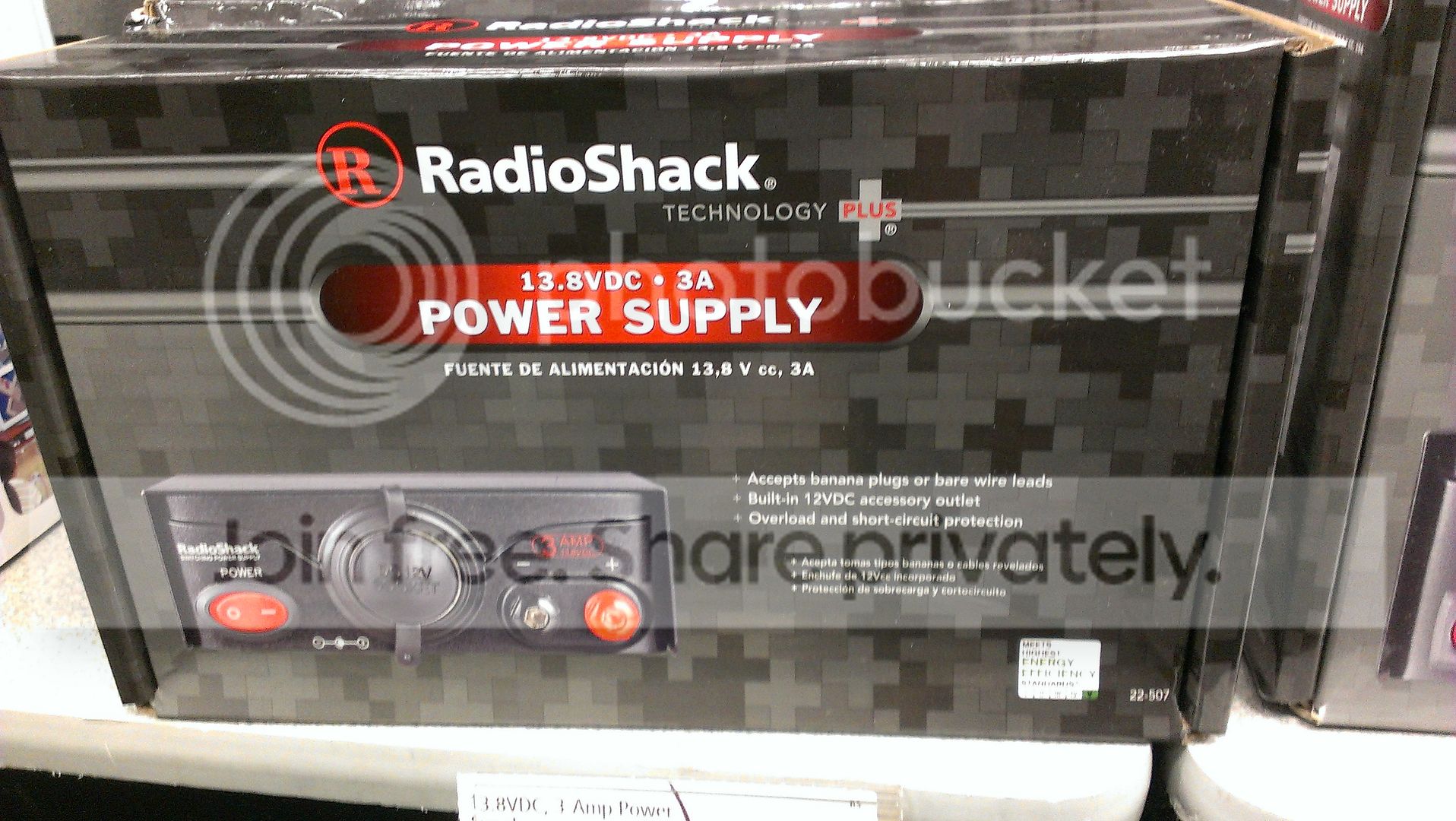
Saw this at radio shack, almost bought it
http://www.knives.mlogiudice.com/kni...er_circuit.pdf
IMAG2191_zpsd6d69097.jpg
 
Status
Not open for further replies.
Back
Top