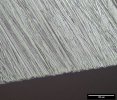
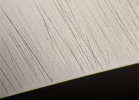
Magnacut Dulled Pretty Fast

Joined
Aug 11, 2016
Messages
264
Blade bros:

I bought a Spyderco Salt Native Chief Lightweight in Magnacut. I wanted to see if Magnacut was as good as the hype, and I thought the profile was pretty close to what I liked.

The other day, I was pulling shrubs out with the tractor, using a 4-inch wide fabric strap. Of course, the strap is dirty because it has been in the dirt a lot. I had to cut through the strap at one point. One cut. I figured this would not affect my edge much, even with the dirt.

After I was done, the knife was, literally, about as sharp as a butter knife. I put it away and started using my Cold Steel Recon in CTS-XHP. Since then, I have had to cut up a gigantic cardboard box to fit it into a dumpster. I mean like a large refrigerator box in terms of size. A bunch of long cuts through thick cardboard. After I cut up the box and removed the tape residue, the Recon was still fairly sharp.

Since then, I have given both knives some strokes on a strop loaded with diamond dust. Now they seem very, very sharp again, although I'm sure a little more work would make them sharper.

My question: is this pretty much in line with typical Magnacut and CTS-XHP performance? I had this idea that Magnacut would blow CTS-XHP into the weeds. I know dirty fabric and cardboard are not the same thing, but I would think 30 feet or so of cuts in heavy cardboard would more than equal one cut through a dirty strap.
 
the dirt/sand factor should dull anything fairly quickly. I learned long ago cutting ductboard.....aka glass fibers will dull any steel in one long cut. I dont see sand as much different on killing sharp edges.

the xhp did how many of these straps with dirt/sand embedded? same amount?
 
It is not a steel issue since both are about the same in wear resistance. and MagnaCut is significantly tougher. Could be weak edge from the factory, I wouldn't make any conclusions about the steel until you actually sharpen it yourself. Geometry on the 2 knives is different too, so that probably played a role. How did the edge blunt, is it chipped, rolled, deformed, etc?
 
Blade bros:

I bought a Spyderco Salt Native Chief Lightweight in Magnacut. I wanted to see if Magnacut was as good as the hype, and I thought the profile was pretty close to what I liked.

The other day, I was pulling shrubs out with the tractor, using a 4-inch wide fabric strap. Of course, the strap is dirty because it has been in the dirt a lot. I had to cut through the strap at one point. One cut. I figured this would not affect my edge much, even with the dirt.

After I was done, the knife was, literally, about as sharp as a butter knife. I put it away and started using my Cold Steel Recon in CTS-XHP. Since then, I have had to cut up a gigantic cardboard box to fit it into a dumpster. I mean like a large refrigerator box in terms of size. A bunch of long cuts through thick cardboard. After I cut up the box and removed the tape residue, the Recon was still fairly sharp.

Since then, I have given both knives some strokes on a strop loaded with diamond dust. Now they seem very, very sharp again, although I'm sure a little more work would make them sharper.

My question: is this pretty much in line with typical Magnacut and CTS-XHP performance? I had this idea that Magnacut would blow CTS-XHP into the weeds. I know dirty fabric and cardboard are not the same thing, but I would think 30 feet or so of cuts in heavy cardboard would more than equal one cut through a dirty strap.
Your Spyderco is yellow, right? I just want to make sure as the green ones are LC200N. The two steels do not preform the same, in my experience. LC200N dulling much quicker than Magnacut.
 
Field dressing big game can take an edge off any knife steel. Moose and black bear hide typically are ingrained with abrasive grit. Magnacut and CTS-XHP are both great steels but they can still be dulled quickly when cutting grungy material.
 
It has been well known that CTS-XHP has better edge retention and wear resistance than MagnaCut but I haven’t heard that MagnaCut is very far behind. As others say MagnaCut is tougher and certainly more corrosion resistant so a more balanced steel. But CTS-XHP lags behind most of the stainless super steels in corrosion resistance. I’d say sharpen and keep up some side by side cutting of the various materials and see where that leads. I’ve done some pretty gritty, hard pressure yard work with CTS-XHP and never saw any issues with toughness. Doesn’t have the sexy name but is one high level performer as yours has shown so far.
 
Blade bros:

I bought a Spyderco Salt Native Chief Lightweight in Magnacut. I wanted to see if Magnacut was as good as the hype, and I thought the profile was pretty close to what I liked.

The other day, I was pulling shrubs out with the tractor, using a 4-inch wide fabric strap. Of course, the strap is dirty because it has been in the dirt a lot. I had to cut through the strap at one point. One cut. I figured this would not affect my edge much, even with the dirt.

After I was done, the knife was, literally, about as sharp as a butter knife. I put it away and started using my Cold Steel Recon in CTS-XHP. Since then, I have had to cut up a gigantic cardboard box to fit it into a dumpster. I mean like a large refrigerator box in terms of size. A bunch of long cuts through thick cardboard. After I cut up the box and removed the tape residue, the Recon was still fairly sharp.

Since then, I have given both knives some strokes on a strop loaded with diamond dust. Now they seem very, very sharp again, although I'm sure a little more work would make them sharper.

My question: is this pretty much in line with typical Magnacut and CTS-XHP performance? I had this idea that Magnacut would blow CTS-XHP into the weeds. I know dirty fabric and cardboard are not the same thing, but I would think 30 feet or so of cuts in heavy cardboard would more than equal one cut through a dirty strap.


Drop the edge to 15 DPS, 400 grit bonded cBN deburred and finish with 1un diamond compound on leather.

Factory edges are place holders, tune the edge for your needs.

If you want a chip proof edge for example, set to 25dps with a 8k finish.
 
Cutting dirty fabric is one of the worst things Ive run across. The sand mixed in is like a sanding belt with diamond grit. As others have said sometimes the factory edge can dull faster not sure if it’s because of heat burning or the technique they use. I just sharpen them to my liking and after a few hand sharpening they get better.
 
Cutting dirty fabric is one of the worst things Ive run across. The sand mixed in is like a sanding belt with diamond grit. As others have said sometimes the factory edge can dull faster not sure if it’s because of heat burning or the technique they use. I just sharpen them to my liking and after a few hand sharpening they get better.
Coarser edges work better for cutting like that and the opposite is true for shaving.

Murray Carter explained to me back in 2016

"There's cuts for things you keep and cuts for things you throw away."

For cuts you keep, shaving, cutting sushi and produce etc, you want to keep what you are cutting, so you want a clean cut, smooth cut surfaces with less grabbing and tearing.

Requires more polish, better push cuts.

For cuts you throw away, quality of the surfaces being separated is irrelevant. It is better to have an edge that grabs, saws and shreds more aggressive.

Requires more "toothiness", better draw cuts.

Without understanding that, cutting performance is something mysterious that happens rather than something controlled and applied.

When you get any factory knife they have to make a compromise for not only speed and efficiency but also a finish that tries to do both.

As the end user you can optimize towards one or the other and make a knife work even better and that's just talking about edge finish, not even geometry.

That's why If you want to be a good knife user and achieve the highest performance, you have to sharpen your own knife. Tune it to how you use it.
 
Coarser edges work better for cutting like that and the opposite is true for shaving.

Murray Carter explained to me back in 2016

"There's cuts for things you keep and cuts for things you throw away."

For cuts you keep, shaving, cutting sushi and produce etc, you want to keep what you are cutting, so you want a clean cut, smooth cut surfaces with less grabbing and tearing.

Requires more polish, better push cuts.

For cuts you throw away, quality of the surfaces being separated is irrelevant. It is better to have an edge that grabs, saws and shreds more aggressive.

Requires more "toothiness", better draw cuts.

Without understanding that, cutting performance is something mysterious that happens rather than something controlled and applied.

When you get any factory knife they have to make a compromise for not only speed and efficiency but also a finish that tries to do both.

As the end user you can optimize towards one or the other and make a knife work even better and that's just talking about edge finish, not even geometry.

That's why If you want to be a good knife user and achieve the highest performance, you have to sharpen your own knife. Tune it to how you use it.
A serrated blade?
 
Back
Top