I've made a couple nessies thus far, maybe half a dozen or so.
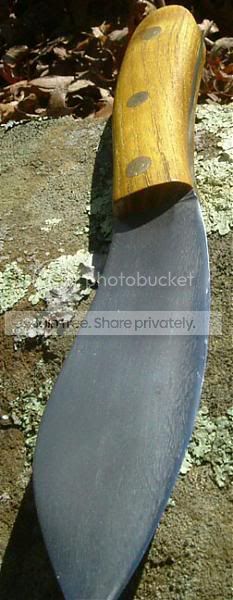
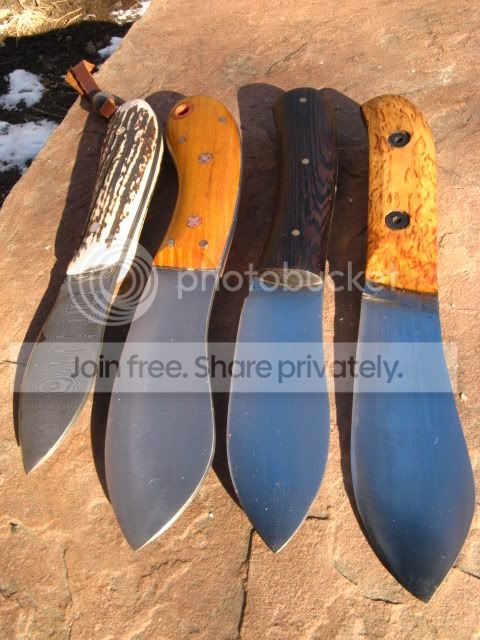
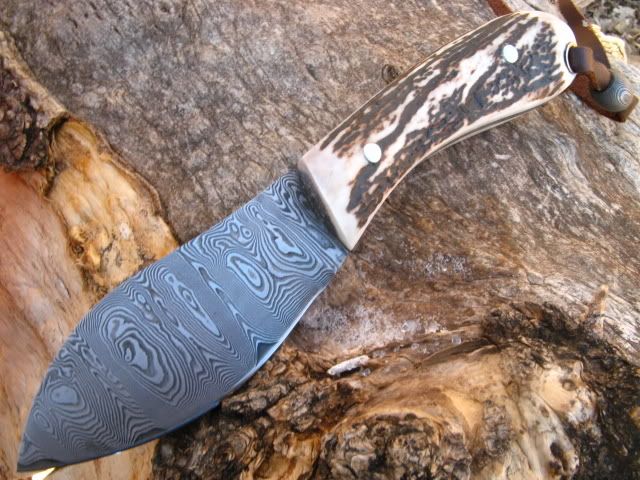
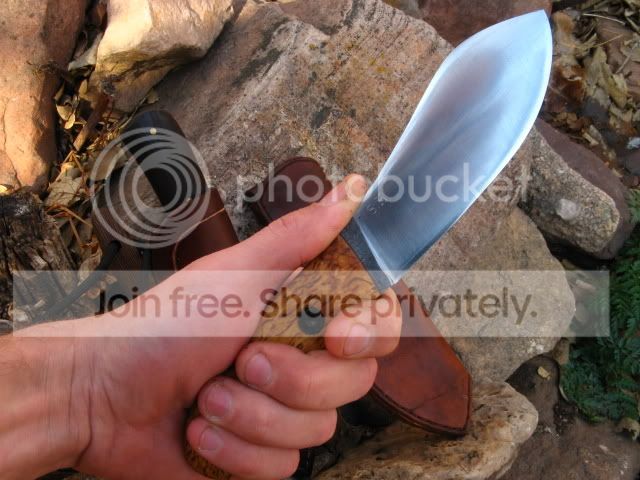
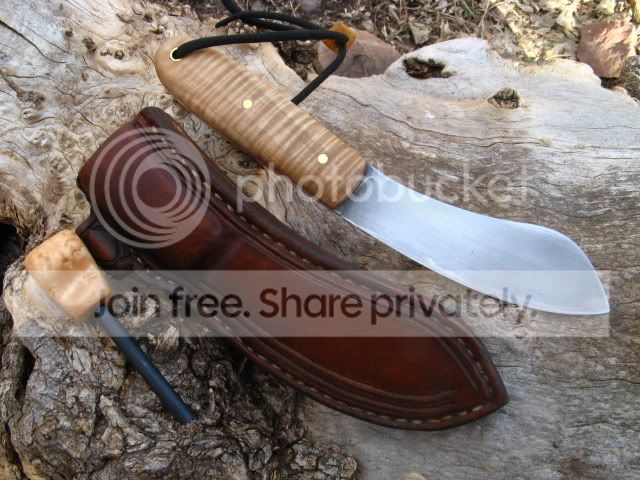
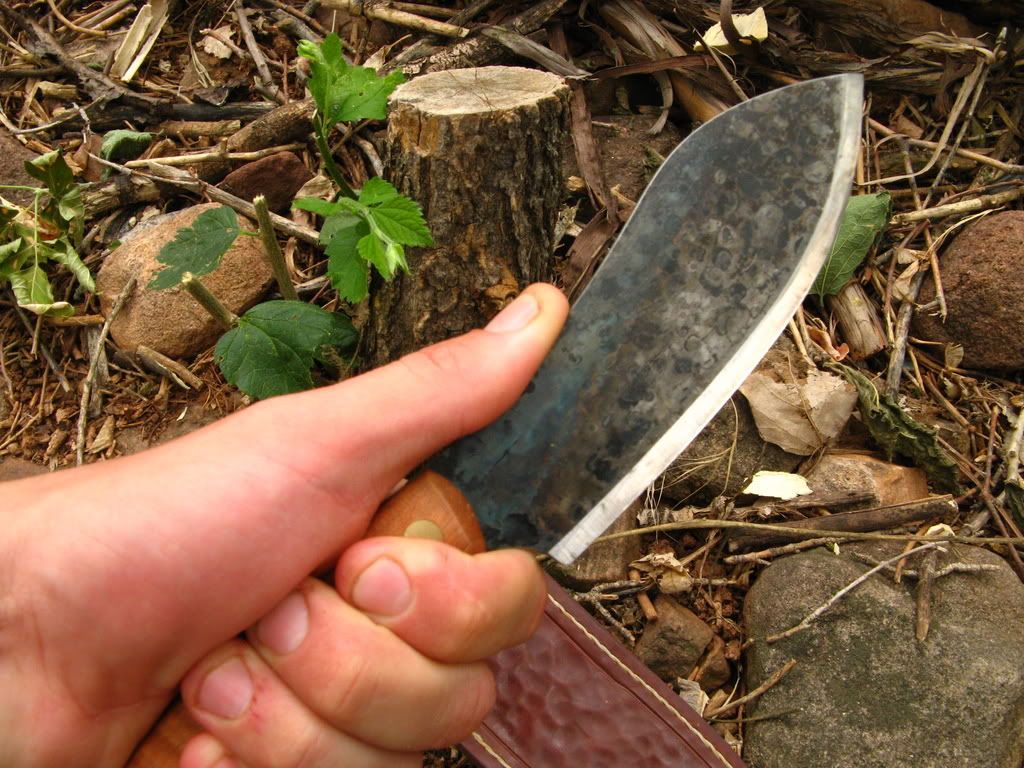
this one was the first large one I did, good chopper and about 3/16. Also a full convex grind, so it slices fairly well for the size.
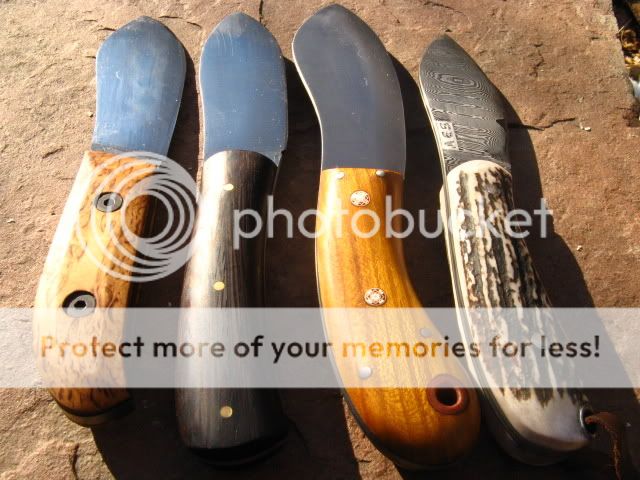
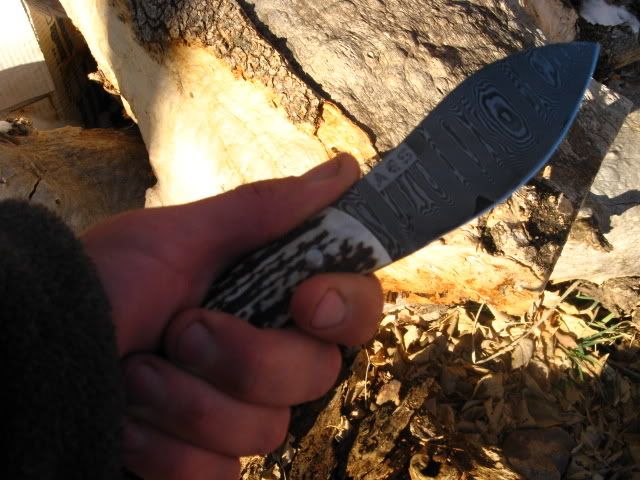
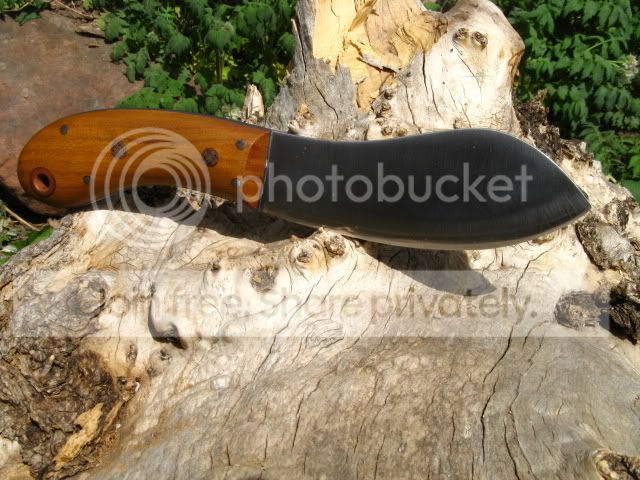
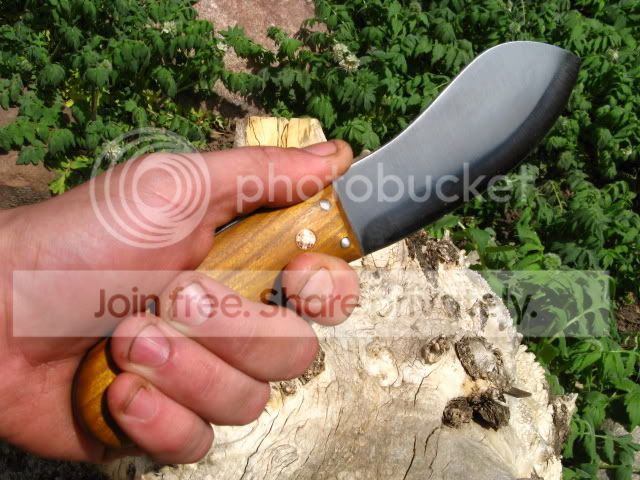
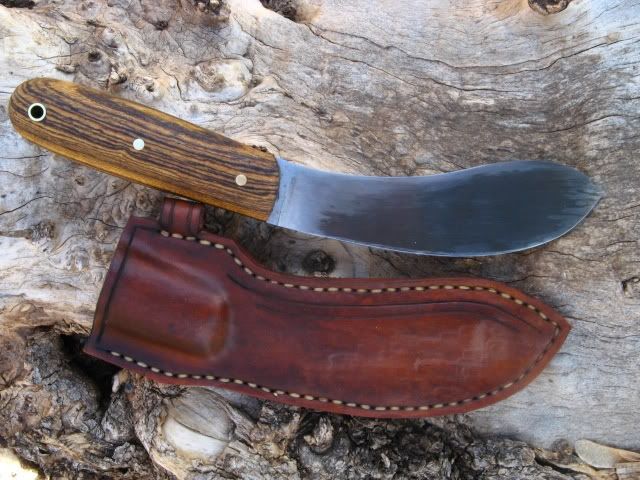
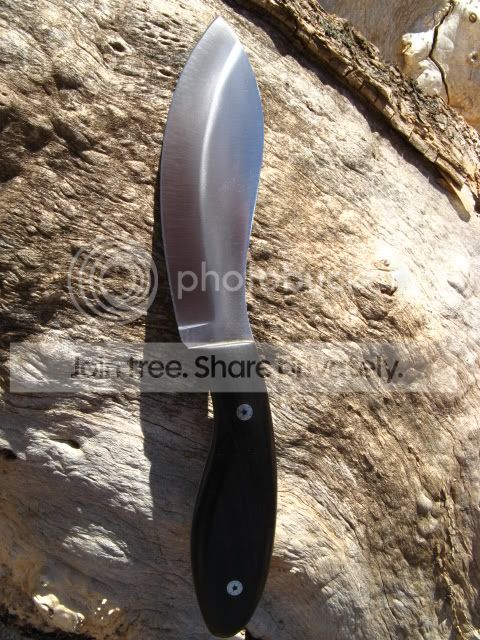
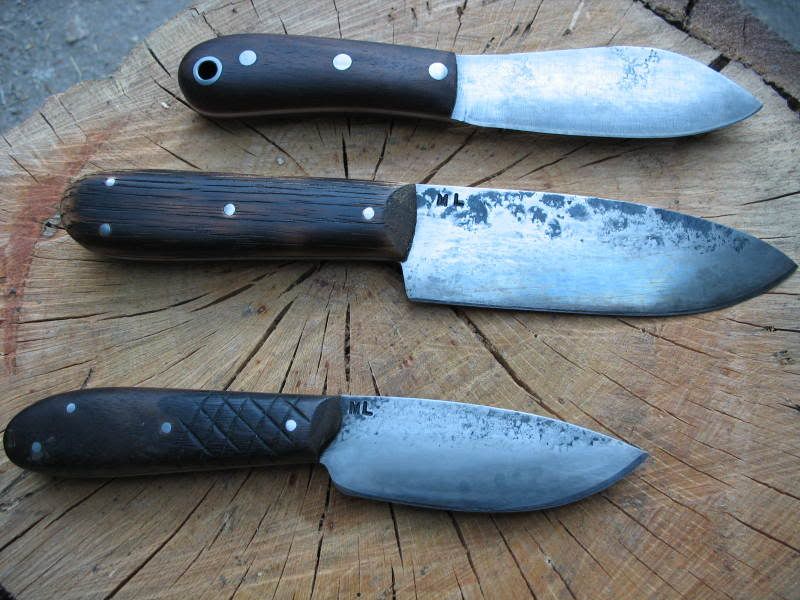
This was the "prototype" of the pocket nessies I've been doing. I'm contemplating going ahead and selling this one though there are a few scale pits. The handle is very comfortable and usable for a three finger handle. OAL is 5 5/8 inches, blade is 3. Blade thickness is just over 1/16, which is where I think most of the smaller nessmuks should be.
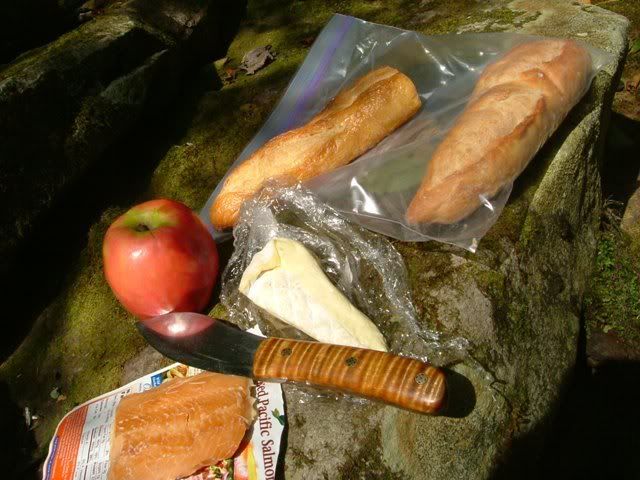
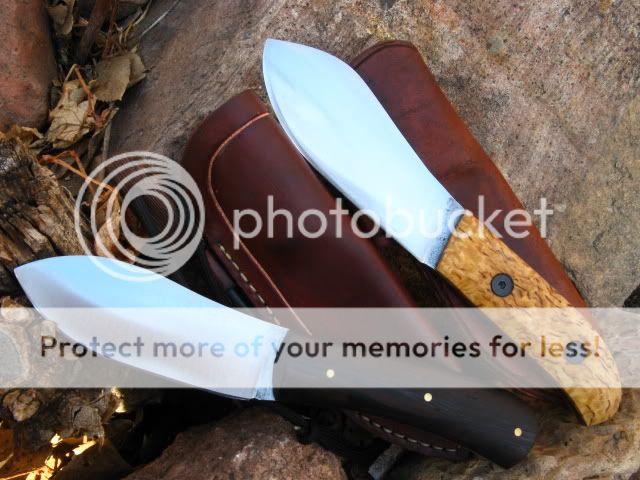
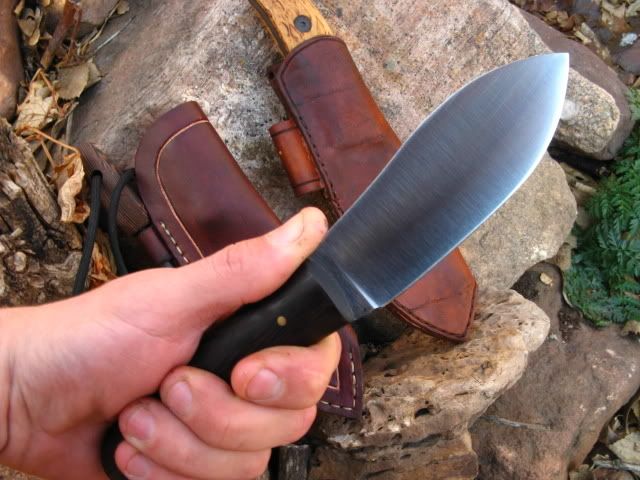
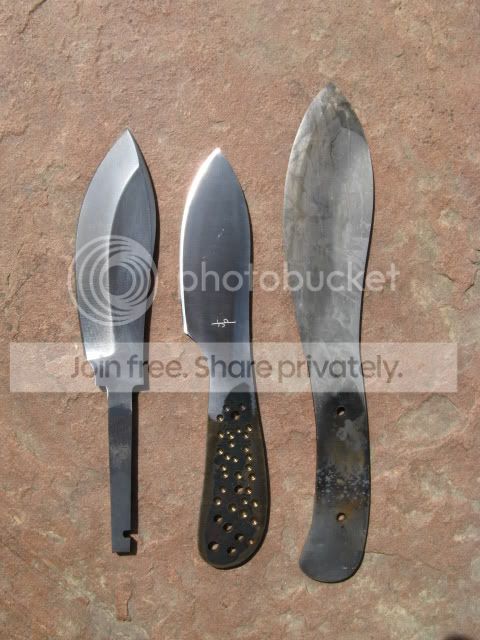
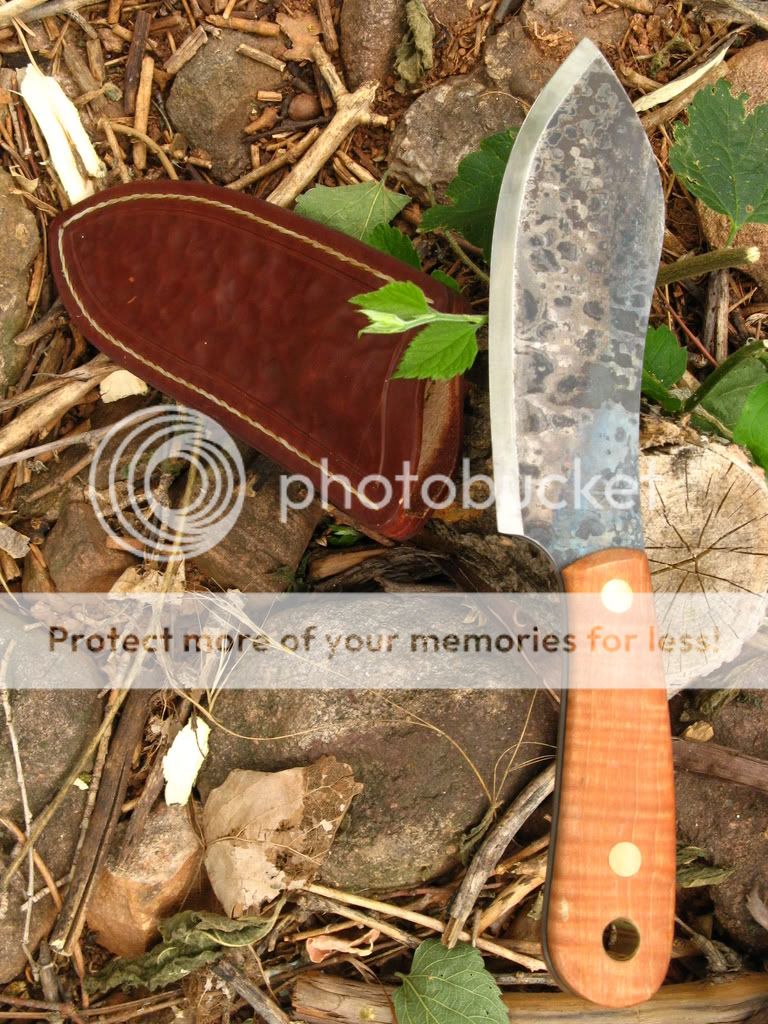
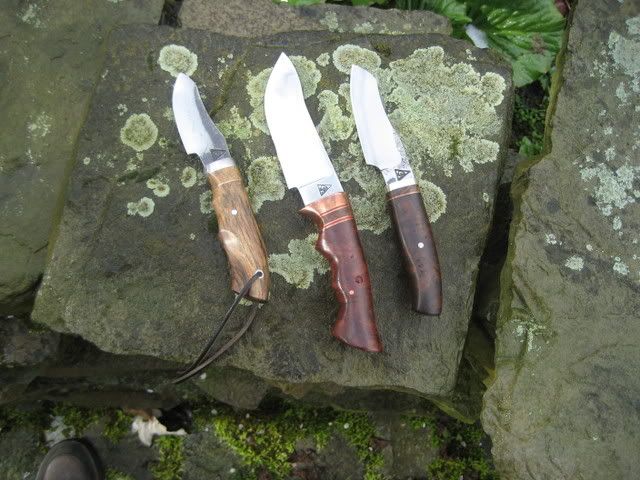
And here's the general pattern for the pocket nessies, though some variations always happen. this one is Mike's- again just over 1/16" with a OAL of 6 1/8 and a blade of 3 inches. It's a bit flatter on the edge than some, but it's a bit more functional as a bird and trout knife than the really deep bellies.
I'm lucky that these designs get to go to a local shop and be used for fish and chicken butcher work, so I get good feedback.
All the thinner nessmuks I'm doing are UHB-15 or 15N20 steel, nice, tough, and a bit more corrosion resistant than when I did o1 steels. The larger one is 1084.
The heavier blade is fine for chopping and heavier work, but I personally agree with the hawk or hatchet idea for heavier work. the thinner blades work REALLY well for everything a small W&S knife is suited to.
Right now i'm finishing up another pocket nessie and working on a few larger 3/32 15N20 blades but don't have good photos of them yet.
It's a fantastic geometry or blade design idea, and there's a lot that can be done with it. A chopper nessmuk IS a different beast than a slicer, but I've found that they are still a really good design for a larger, heavier knife.