pics of poison or dangerous plants

Mack

Expert Ultracrepidarian
Platinum Member
Joined
Aug 19, 2007
Messages
39,308
I realize that much has been written about poison plants.
Good pics would really help in identifying them.
Please post any you have and any info as well.
A lot of us take our dogs with us. Are there plants we need to keep them out of?
Thanks for all the info. You guys/gals are really full of it!;)
 
PoisonIvyforPhotobucket1.jpg


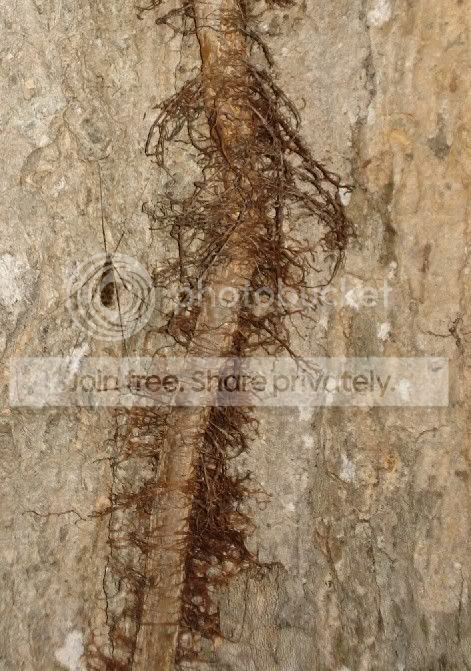
Poison Ivy (Toxicodendron radicans) in the winter. Yes, it's still capable of screwing up your week if you're allergic. In fact I read about people getting Poison Ivy from 100 year old herbarium samples.

Here, in Ontario, IIRC, there are two types of Poison Ivy - a vine (shown) and a low shrub.

Doc
 
Poison Ivy (Toxicodendron radicans) in the winter. Yes, it's still capable of screwing up your week if you're allergic. In fact I read about people getting Poison Ivy from 100 year old herbarium samples.

Here, in Ontario, IIRC, there are two types of Poison Ivy - a vine (shown) and a low shrub.

Doc[/QUOTE]

Thanks Doc, I figured I could count on you.
 
With the comments on plants from CT I hope some of you can contribute.
Am I the only one that wants this knowledge?
 
you are NOT the only one..believe me, I think that plants could be one of the most important things to study..they are by far the most involved part of the process of learning for me. As far as the CT plant walk, I think that others might have more pics than I took, and I know that someone brought a video camera..I hope that some of the video is going to be shown!! Good stuff. On Marty and Aggies website, they sell a plant ID DVD, I am planning on buying it ASAP..I would recomend it right now, just on meeting Marty in person, and learning form him. Gene
 
PoisonIvyforPhotobucket1.jpg


Poison Ivy (Toxicodendron radicans) in the winter. Yes, it's still capable of screwing up your week if you're allergic. In fact I read about people getting Poison Ivy from 100 year old herbarium samples.

Here, in Ontario, IIRC, there are two types of Poison Ivy - a vine (shown) and a low shrub.

Doc

Man i had that growing around my oak trees in my back yard. It make me itch just looking at it.

I know someone on here posted a pic of poison oak. Which I have never been able to get for some reason. I never seen poison sumac,but I have seen a kid have it. It looks like it hurts!:eek: Huge blisters and all that.
 
Not quite dipbait. They are infact two different plants in the Toxicodendron genus.

My contribution: Foxglove. It looks similar to fireweed which can be used to make tea. Foxglove on the other hand is one of the promenant sources of digitalis. I will link some pics if I can.

Foxglove:
Image:Digitalis_purpurea2.jpg


Fireweed:
Image:Epilobe_feuilles_etroites_01.jpg
 
Poison oak and ivy are the same thing.

A lot of people use the names interchangeably. This is why it's good, when working with plants, to use the binomials (Latin names).

A lot of people call Cattail (Typha spp.), Bulrush (Scirpus spp.) when they are completely different plants.

GEC: I know someone on here posted a pic of poison oak. Which I have never been able to get for some reason.

According to: Shrubs of Ontario, James H. Soper / Margaret L. Heimburger, ROM, 1994, ISBN# 0-88854-283-6 "Poison oak is a name that should not be applied to plants in the Great Lakes region. It more properly belongs to two species that do not occur in Ontario, one in the southern states and the other on the Pacific coast." (page 279) so I assume it would apply to your area, GEC.

Munky, Fireweed is also supposed to make good cordage material, although I never found it to be the case. Perhaps I didn't get it at the right time of year.

Doc
 
Since I was going out for a hike today with my buddy, I thought I would take some pictures of poisonous plants for this thread, so I did. Here are a few.

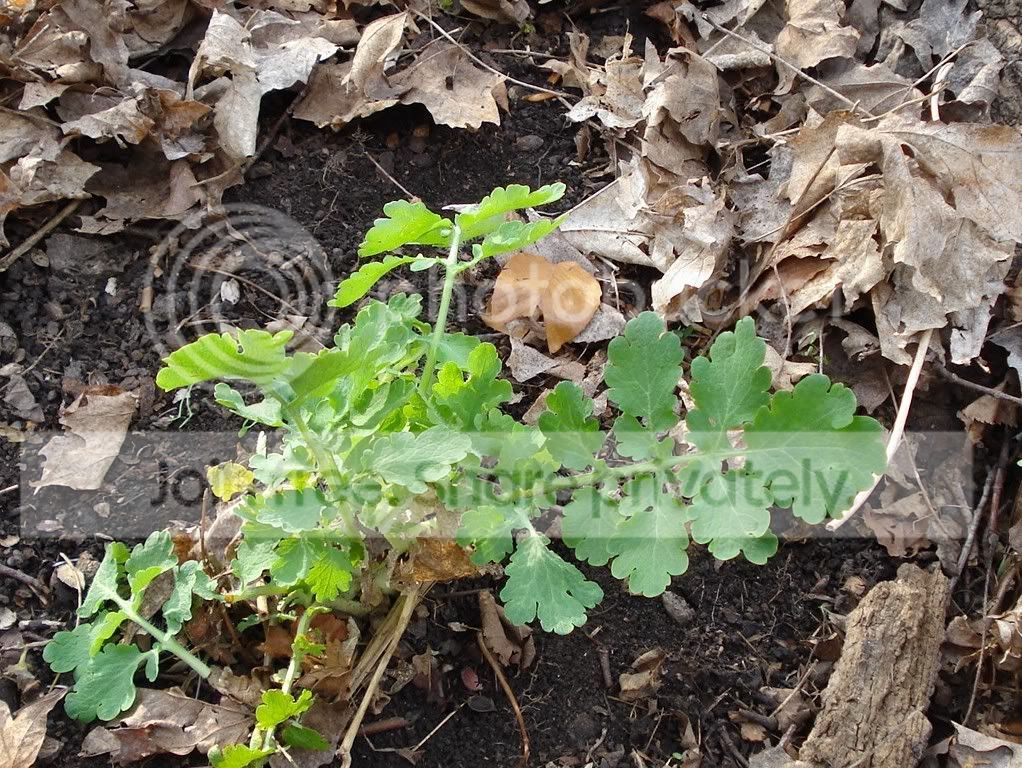
Celandine.jpg

This plant is Celandine (Chelidonium majus). Later on it has nice yellow flowers. This is a medicinal plant. There have been reports that the plant has been responsible for deaths in both humans and animals. Also, the stem juice may irritate the skin.


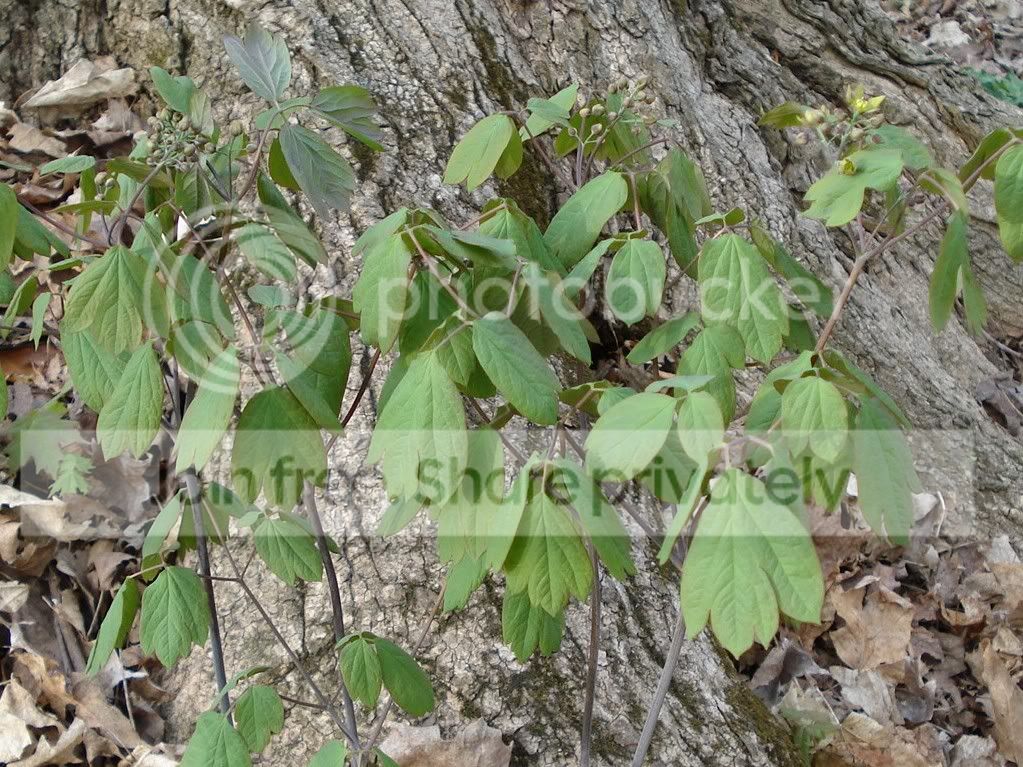
BlueCohosh.jpg

This is Blue Cohosh (Caulophyllum thalictroides). The plant has blue berries that have reportedly poisoned children. Also the berries, leaves, and root may cause contact dermatitis.


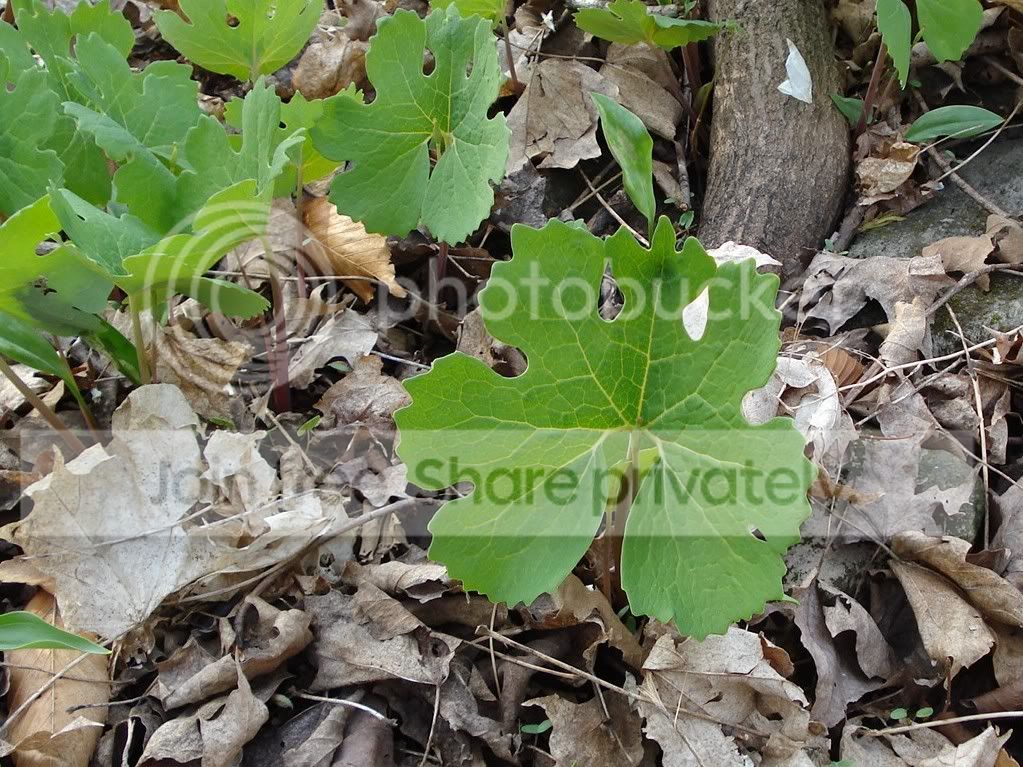
Bloodroot.jpg

This is Bloodroot (Sanguinaria canadensis) and is a plant common to Eastern North America. In my area it's one of the first wild flowers to bloom (I know the picture doesn't show a flower L) It has been used medicinally but has the potential to cause death if ingested. . It's called Bloodroot because the juices in the root are an orangey/red colour.


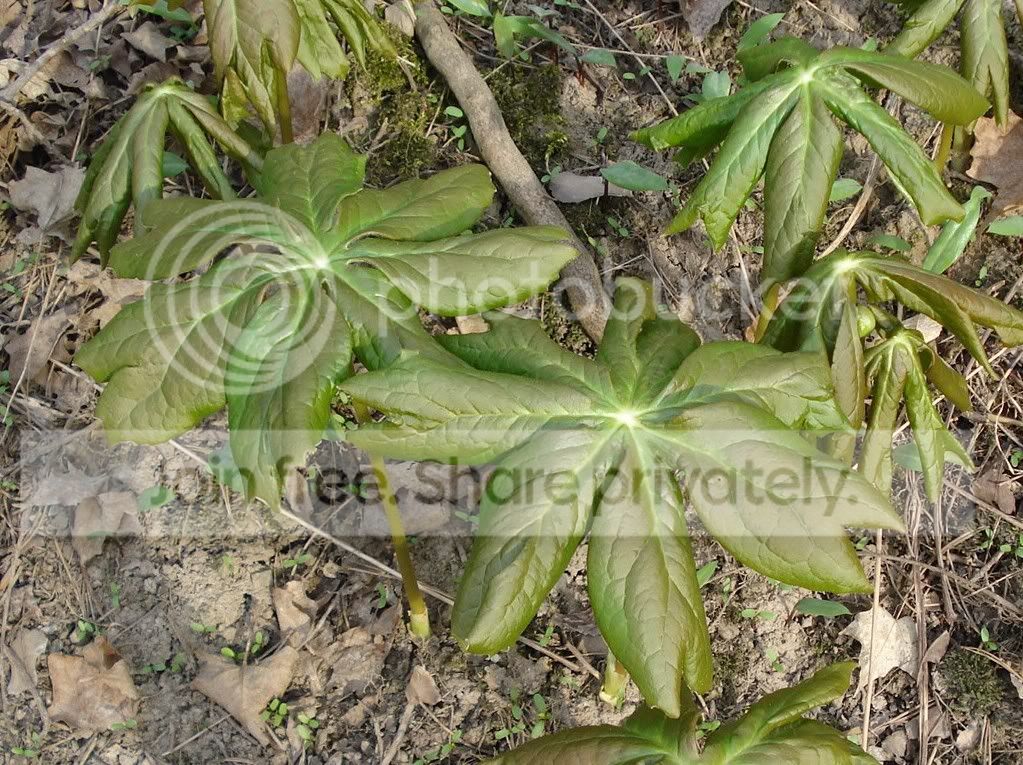
Mayapple.jpg

This is Mayapple (Podophyllum peltatum) and is both an edible plant and a poisonous one. The only safe, edible part is the ripe fruit, which is yellow in colour when ripe. All the rest of the plant and the immature fruit is poisonous and can be fatal.


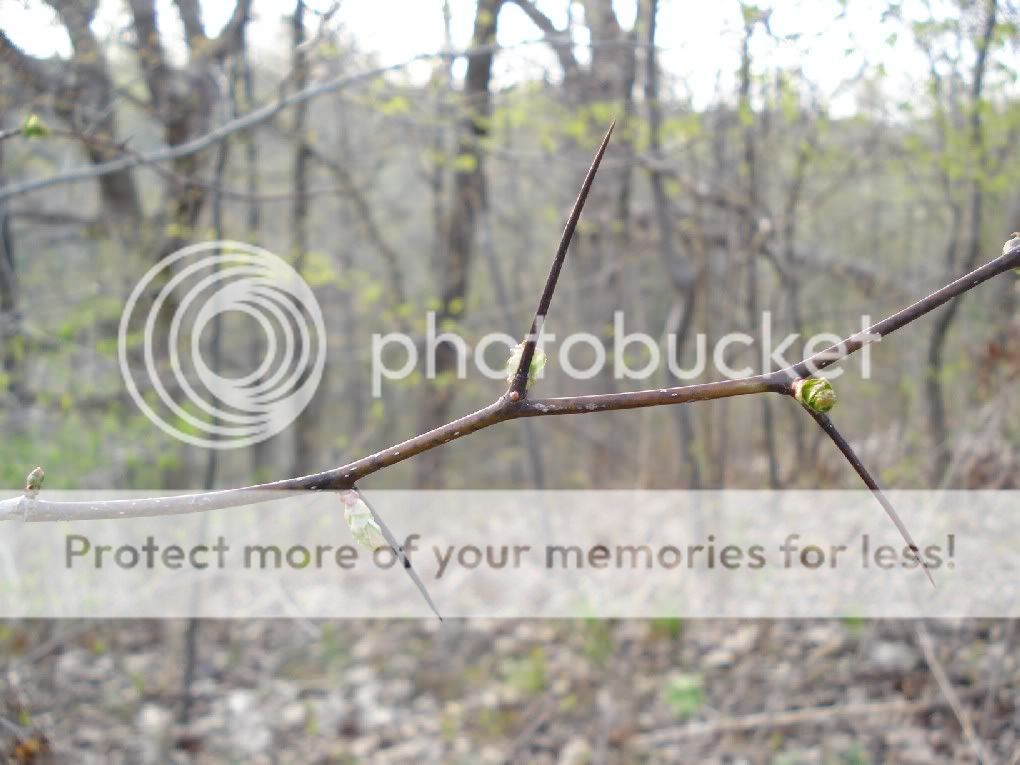
Hawthorn.jpg

This one is Hawthorn (Crataegus spp.), although I don't know which species. The problem part of this plant, of course, is the thorn. Apparently, if you should happen to scratch your eye with the thorn of the Hawthorn, and even if the scratch, itself, is superficial, there is a chemical in the thorn that can cause blindness.

The thorn can also be used for beneficial uses - split it from the base up 1/2 to 2/3 of the way to the point, spread the split and insert fibre, the thorn can be used as a very effective sewing needle. Another benefit of using the thorn for a needle for us age-challenged individuals, is that it's a lot easier to insert the fibre this way, than through the eye of a conventional needle.

The thorn can be used as a fish hook ( a la Ray Mears). Apparently it was used by early West Coast inhabitants as a tattoo needle. It can be used medically to pierce blisters and boils.

Another use that I find interesting is, just suppose for a moment, that you're one of your early ancestors and you have to make camp for the night. The problem is that you believe some of your enemies are about, so you could take Hawthorn branches and strew them about your camp as a perimeter defense. The odds are that any enemy sneaking up on you in the middle of the night, and happened to step on one of these little beauties with a moccasined foot would probably let you know he was there.

Traditionally, Hawthorn was used as both food and medicine. Different parts were used as food including, the unfurled leaf buds, the young leaves, the flowers, and the Haws, which are the fruit of the Hawthorn. The Haws were eaten both raw and cooked. One description I read of the edibility of raw Haws said they were like little mealy apples and having tried them, I can't say that I can improve on this description. One problem with eating them raw is that they often contain insect larva, although this could be a bonus in a survival situation, providing necessary fat and protein provided they're cooked to kill any parasites that may be present. I know, YUCK! Apparently, they are much better cooked, anyway, either as a fruit sauce, or made into jams and jellies, and to this end, they provide their own pectin, which is useful. I've never tried them this way as my cooking expertise falls along the line of boil-in-a-bag. The flowers I tried tasted like rubber smells.


And this is a picture of my buddy.


hikingwithmybuddy.jpg


Hope you enjoyed.

Doc
 
I have no pics, just anecdotal experience. I touched a drop of Foxglove sap to my tongue when I was a little kid and can say that it was very unpleasant. It felt like my tongue was being poked by needles for at least an hour, might have been longer...

This is a great thread, hope others can add more to the good stuff already here.

Thanks,

Dave
 
Thanks,
There are obviously more out there than most of us expect.
 
Well protourist, it was a good idea. I guess it's just not on people's important list.

Doc


Not so Doc - I just don't have any pics to contribute. Having lived and camped in California, I'm familiar with Poison Oak, but don't think I ever ran across Poison Ivy. Presently I'm in Washington, and haven't run into either. think I saw a map once that indicated that Poison Oak was largely western, but didn't tend to grow up here. Poision Ivy, on the other hand, is primarily eastern. Is this correct?

I can still remember Poison Sumac being mentioned in my Boy Scout maual, but I don't know if I would recognize it if it was served to me in a salad.

-- FLIX
 
I"m sure some one else will get pics up before I get the chance but I can get some pics of poison ivy, vine and shrub most likely and Virginia creeper, maybe sumac lol It's taken over my woods almost!

This is a good idea for a thread, even looking up the simple stuff like oak and ivy, you get all kind of results, from the actual thing to " poison oak" that I'm sure you could trace back to an acorn lol
 
Not so Doc - I just don't have any pics to contribute. Having lived and camped in California, I'm familiar with Poison Oak, but don't think I ever ran across Poison Ivy. Presently I'm in Washington, and haven't run into either. think I saw a map once that indicated that Poison Oak was largely western, but didn't tend to grow up here. Poision Ivy, on the other hand, is primarily eastern. Is this correct?

I can still remember Poison Sumac being mentioned in my Boy Scout maual, but I don't know if I would recognize it if it was served to me in a salad.

-- FLIX

Exactly why I thought this post was a good one.
How many of us know what to look for. I know I can and do eat and make tea from Blue Spruce tips.
I know I will eat Nasturtiums whenever I can.
I know how to test plants if I need to. BUT, I want to know as many as possible before going into a situation where they may be needed.
You guys are really informative, thank you!
Mack
 
image002.jpg


This is a redhead. although they are very attractive - one can ruin your week if you are allergic. Be VERY careful!

TF

p.s. This is a GREAT thread. To the OP and pic posters - thanks!
 
Dont have the pictures as its still too early here but poison sumac looks pretty much like staghorn sumac except the fruits are white instead of red and the tops of the plant arent as staggered--i.e--staghorn looks like the antlers on a deer. Staghorn or red sumac fruits make a nice lemonade like beverage by steeping the fruit in cold water for a couple of hours and straining through cheesecloth or a coffee filter and sweetening with honey or sugar. High in vitamin C.--Keith
 
Back
Top