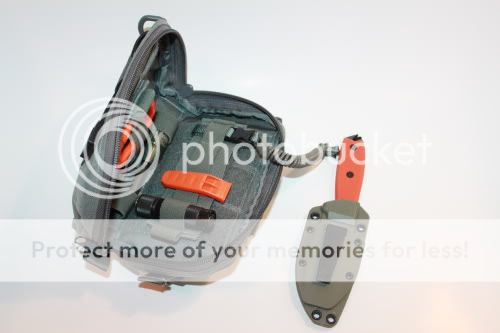
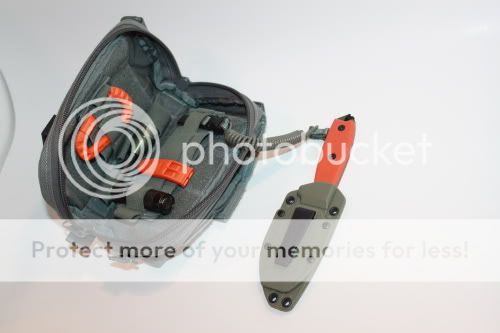
I have been thinking about the different survival scenarios...natural disaster, man-made, and so on. It could also be as simple as just being out riding your dirt bike or hunting, and knowing what would be the most important items you would need to take with you, starting with the most basic biological, physiological & safety needs-food, shelter, water, and warmth.
BASIC NEEDS
I started making a list of these necessary items and it just kept growing. It starts out very basic and soon moves to more complex with several sub categories. Example: Food. You need to know where to find food. The ability to look at the dynamic environment and make sense of it all should not be underestimated. You must understand the habitat prior to entering it so that it is obvious what plant and insect life is there and safely edible. You need a way to capture it (use of fishing kit or knowledge of traps). Also, the use of physical fitness may be required and understanding your limits as well as the others you are with if applicable. You will need a way to prepare it too. The ability to make fire is crucial and knowledge of how to cook it appropriately for eating is required.
Shelter is another safety concern to think about. It can actually be fun to practice this too. That was one of the first things little boys thought through and began experimenting with, teaching themselves how to make "forts". At least, this was the case hanging out with my brothers. Building giant pillars out of mom's sofa, and robbing the linen closets for extra pillows and sheets was a fun game. We all understood that we needed a structure as young boys. We could keep ourselves safer from threats and the elements (or my youngest brother who would come running from down the hall and do an ultimate warrior into the middle of it). The point is that you need something that is built based on the perceived threat. If you spend a bunch of energy that is not appropriate for the reality of the situation, you may have wasted your time and energy. It needs to take into consideration the environment.
I am thinking a tool or cutting tool will greatly help in this shelter-situation, and is a necessary part of my kit. My next question: What size tool do you really need? I guess it depends on the environment also. Different geographical areas are going to offer different resources. Again, it is back to making good decisions. Your perception needs to match the reality of the situation and your actions need to be appropriate to deal with the hazards.
Water is possibly one of the most important considerations. Remember, you can go a while without food, but having no safe water is probably one of the quickest ways to die. Notice I said "safe water". Clean water is the key. Understanding natural processes of how nature collects water is important. Physical geography (weather/topography) is important to know. Rain clouds, snow, rivers, and lakes are nice, but not always accessible. This makes the collection of water tough. Atmospheric conditions can aide in this process. Relative humidity and moisture content in the air are often available.
Ok. Now that you have collected the water, is it safe to drink it? Can you contain it? Containers can come in a variety of forms. You can find multiple items that can be used as containers lying around. Hopefully, if you are out on a hike, you brought something with you though. Think ahead.
The ability to clean water with the use of heat, fuel, oxygen and an ignition source, and the ability to sustain fire is vital. Gather fuels around you that are easily accessible once you start working on creating fire. Find fuels that are available to burn. Start with fuels that have a high surface to volume ratio (moss, grass, twigs, etc.) instead of those that have a lower surface to volume ratio (larger limbs, logs, etc.). As time goes by, the larger fuels can dry out next to the fire via conduction and eventually may become available for burning. They require more heat to burn also. Don't take for granted, though, that this all depends on the season and precipitation you are surviving in. The point is, find dry fuel. A good fire equals comfort, which will greatly aide in both mental and physical well-being.
SAFETY
What do the chaos of a natural disaster (fire, earthquake, etc.) and the most picture perfect day while hiking in Rocky Mountain National Park have in common? They can both put you in a life or death situation rather quickly. It is always a good idea to expect the unexpected. The ability to self-rescue is as vital as being prepared with items for survival. What stresses people out the most is the idea of the unknown. We have to be somewhat prepared for this. Having the items to meet these anticipated events would help ease this stress and give us a basis for the potential of being in these situations. Bottom line: It is best to be equipped for these scenarios.
DECISION MAKING/ THREAT PERCEPTION
The lure of the outdoors is amazing...standing on a high mountain peak and admiring all of creation is a great feeling! As beautiful as this is though, it is equally dangerous. Alone on a mountain top is exhilarating. But alone at night with no food, water, or shelter can give you quite the opposite feeling-frightened. Compound that with being lost and hurt now. In dealing with the chaos, it is important to also have a plan for this. Move from the unknown into the known and gather information based on your needs and come up with a plan. For example, if presented with a survival scenario, first self rescue (also meaning family). Then organize both short and long term priorities. Do you need to stay and shelter in place or get on the move? The nature, scope and threat are going to dictate your decisions, as well as the gathering of important/necessary information. To do this effectively, it may consist of putting emotions aside and dealing very directly with the situation. You may not be able to gather all the info about the situation either, but get enough to base good decisions on. Sometimes, it is tough to make good decisions when stress and fatigue come into play. However, trying to meet your basic needs is important. Get to an area of safe refuge and determine how long you can stay there. Evaluate potential areas that may be more suitable. Traveling from place to place can be a task all on its own. Preparation is vital.
COMMUNICATION:
There are a variety of ways to communicate. Forms of communication include face-to-face, hand signals, signaling with mirrors, fire, flagging, and technological devices. The main thing with this is to make sure if you are in a group, that you come up with a communication plan. Identify ways for your group to effectively communicate. Use common ideas to understand each other. Effective direct or indirect communication is necessary. For example, direct communication can be used to warn someone of a hazard, which requires an immediate response. Likewise, indirect communication may require someone to just be aware that a dangerous situation exists. If you are by yourself and need to signal someone afar, the use of smoke or a mirror flash during the day is a great way to communicate that. Also, the site of fire at night may be effective in the wilderness. The main point is that it is necessary to have a communication plan. Common vernacular is important as well.
MOTIVATION
Regardless of the most technological advances and equipment, consider tapping in to your own mind and motives for surviving and the ability to make sound decisions under stressful conditions. Motivation for surviving takes on lots of different forms and can be very personal example…faith, family, & physical/emotional state. Whatever it is, though, it can get people through the toughest of conditions.
GROUP SURVIVAL
Understanding the limitations, talents, and mental and physical status is important as well as constantly updating info and providing a organizational structure consisting of a general strategy specific tactics….operations, logistical needs….trust and buy in with both attitude and behavior. Group dynamics….storming, norming, performing. A good sense of the situation and updating your mental picture in relation to the present situation(situational awareness)…focusing on the good. Contingency plans …managing and minimizing risk reducing and the frequency of errors. Appling best practices (SOP) and constantly striving to get to a better place. How do you minimize risk? By identifying best practices and learning lessons from practices that are substandard....and applying the lessons/corrections to the forward events.
1. Signal mirror: for plucking ingrown hairs and signaling/communicating.
2. Fixed blade knife for skinning,shelter building, protection, trap and snare builing
3. Lighter and fire kit…
4. Compass….
5. Pocket reference cards to supply me with the information I am lacking in related to my experience and knowledge. Memory jogging can be useful too. If it's not a daily skill, it won't hurt to have a checklist to remind you of what to do.
6. Medical kit to deal with environmental emergencies, trauma, and personal comfort (although not always necessary).
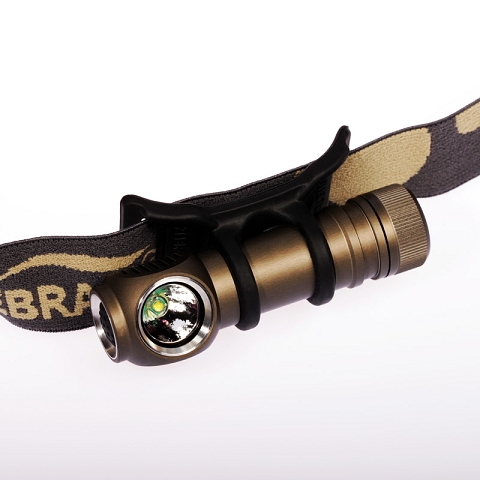
7. Small compact light, things look very different at night..example distances seem longer..illuminate hazards….
8. Water kit with a filter,container, and microorganism killer, cause I don't want fatal diarrhea.
9. Multi-tool, such as a Leatherman.
10. Fishing kit...I suck at fishing.
...And luxuries:
11. Electrolytes
12. 550 cord
13. pink flagging
14. notebook and pen
15. Emergency shelter cover
16. Whistle
17. Foil
BASIC NEEDS
I started making a list of these necessary items and it just kept growing. It starts out very basic and soon moves to more complex with several sub categories. Example: Food. You need to know where to find food. The ability to look at the dynamic environment and make sense of it all should not be underestimated. You must understand the habitat prior to entering it so that it is obvious what plant and insect life is there and safely edible. You need a way to capture it (use of fishing kit or knowledge of traps). Also, the use of physical fitness may be required and understanding your limits as well as the others you are with if applicable. You will need a way to prepare it too. The ability to make fire is crucial and knowledge of how to cook it appropriately for eating is required.
Shelter is another safety concern to think about. It can actually be fun to practice this too. That was one of the first things little boys thought through and began experimenting with, teaching themselves how to make "forts". At least, this was the case hanging out with my brothers. Building giant pillars out of mom's sofa, and robbing the linen closets for extra pillows and sheets was a fun game. We all understood that we needed a structure as young boys. We could keep ourselves safer from threats and the elements (or my youngest brother who would come running from down the hall and do an ultimate warrior into the middle of it). The point is that you need something that is built based on the perceived threat. If you spend a bunch of energy that is not appropriate for the reality of the situation, you may have wasted your time and energy. It needs to take into consideration the environment.
I am thinking a tool or cutting tool will greatly help in this shelter-situation, and is a necessary part of my kit. My next question: What size tool do you really need? I guess it depends on the environment also. Different geographical areas are going to offer different resources. Again, it is back to making good decisions. Your perception needs to match the reality of the situation and your actions need to be appropriate to deal with the hazards.
Water is possibly one of the most important considerations. Remember, you can go a while without food, but having no safe water is probably one of the quickest ways to die. Notice I said "safe water". Clean water is the key. Understanding natural processes of how nature collects water is important. Physical geography (weather/topography) is important to know. Rain clouds, snow, rivers, and lakes are nice, but not always accessible. This makes the collection of water tough. Atmospheric conditions can aide in this process. Relative humidity and moisture content in the air are often available.
Ok. Now that you have collected the water, is it safe to drink it? Can you contain it? Containers can come in a variety of forms. You can find multiple items that can be used as containers lying around. Hopefully, if you are out on a hike, you brought something with you though. Think ahead.
The ability to clean water with the use of heat, fuel, oxygen and an ignition source, and the ability to sustain fire is vital. Gather fuels around you that are easily accessible once you start working on creating fire. Find fuels that are available to burn. Start with fuels that have a high surface to volume ratio (moss, grass, twigs, etc.) instead of those that have a lower surface to volume ratio (larger limbs, logs, etc.). As time goes by, the larger fuels can dry out next to the fire via conduction and eventually may become available for burning. They require more heat to burn also. Don't take for granted, though, that this all depends on the season and precipitation you are surviving in. The point is, find dry fuel. A good fire equals comfort, which will greatly aide in both mental and physical well-being.
SAFETY
What do the chaos of a natural disaster (fire, earthquake, etc.) and the most picture perfect day while hiking in Rocky Mountain National Park have in common? They can both put you in a life or death situation rather quickly. It is always a good idea to expect the unexpected. The ability to self-rescue is as vital as being prepared with items for survival. What stresses people out the most is the idea of the unknown. We have to be somewhat prepared for this. Having the items to meet these anticipated events would help ease this stress and give us a basis for the potential of being in these situations. Bottom line: It is best to be equipped for these scenarios.
DECISION MAKING/ THREAT PERCEPTION
The lure of the outdoors is amazing...standing on a high mountain peak and admiring all of creation is a great feeling! As beautiful as this is though, it is equally dangerous. Alone on a mountain top is exhilarating. But alone at night with no food, water, or shelter can give you quite the opposite feeling-frightened. Compound that with being lost and hurt now. In dealing with the chaos, it is important to also have a plan for this. Move from the unknown into the known and gather information based on your needs and come up with a plan. For example, if presented with a survival scenario, first self rescue (also meaning family). Then organize both short and long term priorities. Do you need to stay and shelter in place or get on the move? The nature, scope and threat are going to dictate your decisions, as well as the gathering of important/necessary information. To do this effectively, it may consist of putting emotions aside and dealing very directly with the situation. You may not be able to gather all the info about the situation either, but get enough to base good decisions on. Sometimes, it is tough to make good decisions when stress and fatigue come into play. However, trying to meet your basic needs is important. Get to an area of safe refuge and determine how long you can stay there. Evaluate potential areas that may be more suitable. Traveling from place to place can be a task all on its own. Preparation is vital.
COMMUNICATION:
There are a variety of ways to communicate. Forms of communication include face-to-face, hand signals, signaling with mirrors, fire, flagging, and technological devices. The main thing with this is to make sure if you are in a group, that you come up with a communication plan. Identify ways for your group to effectively communicate. Use common ideas to understand each other. Effective direct or indirect communication is necessary. For example, direct communication can be used to warn someone of a hazard, which requires an immediate response. Likewise, indirect communication may require someone to just be aware that a dangerous situation exists. If you are by yourself and need to signal someone afar, the use of smoke or a mirror flash during the day is a great way to communicate that. Also, the site of fire at night may be effective in the wilderness. The main point is that it is necessary to have a communication plan. Common vernacular is important as well.
MOTIVATION
Regardless of the most technological advances and equipment, consider tapping in to your own mind and motives for surviving and the ability to make sound decisions under stressful conditions. Motivation for surviving takes on lots of different forms and can be very personal example…faith, family, & physical/emotional state. Whatever it is, though, it can get people through the toughest of conditions.
GROUP SURVIVAL
Understanding the limitations, talents, and mental and physical status is important as well as constantly updating info and providing a organizational structure consisting of a general strategy specific tactics….operations, logistical needs….trust and buy in with both attitude and behavior. Group dynamics….storming, norming, performing. A good sense of the situation and updating your mental picture in relation to the present situation(situational awareness)…focusing on the good. Contingency plans …managing and minimizing risk reducing and the frequency of errors. Appling best practices (SOP) and constantly striving to get to a better place. How do you minimize risk? By identifying best practices and learning lessons from practices that are substandard....and applying the lessons/corrections to the forward events.
1. Signal mirror: for plucking ingrown hairs and signaling/communicating.
2. Fixed blade knife for skinning,shelter building, protection, trap and snare builing
3. Lighter and fire kit…
4. Compass….
5. Pocket reference cards to supply me with the information I am lacking in related to my experience and knowledge. Memory jogging can be useful too. If it's not a daily skill, it won't hurt to have a checklist to remind you of what to do.
6. Medical kit to deal with environmental emergencies, trauma, and personal comfort (although not always necessary).
7. Small compact light, things look very different at night..example distances seem longer..illuminate hazards….
8. Water kit with a filter,container, and microorganism killer, cause I don't want fatal diarrhea.
9. Multi-tool, such as a Leatherman.
10. Fishing kit...I suck at fishing.
...And luxuries:
11. Electrolytes
12. 550 cord
13. pink flagging
14. notebook and pen
15. Emergency shelter cover
16. Whistle
17. Foil