
- Joined
- Mar 29, 2007
- Messages
- 3,220
And rightly so, it's a bad ass knife. As you know, I've seen it........I'm not stalking your 760.
Haha, thanks! Knives come and go in my life, except my 760, it stays put.

The BladeForums.com 2024 Traditional Knife is available! Price is $250 ea (shipped within CONUS).
Order here: https://www.bladeforums.com/help/2024-traditional/
And rightly so, it's a bad ass knife. As you know, I've seen it........I'm not stalking your 760.
No I didn't. I was only guessing. Everything written by us is here on the pages on this forum,
let's leave whoever cares what we are, to decide for itself, no need of calling names.
"Tanto" type knife isn't defined only and only by the grind, but mostly by the shape of the blade, he didn't specify that was interested of the grind in particular, don't twist his words to fit your argument.
You didn't recognize the role of the length of the blade in the fighting version of the old Japanese style tantos, they are utility knifes for you, you brought the similar in shape Scandi knife, that have nothing to do with the fighting nature of the original design, because the handle is suited for completely different tasks and the blade have insufficient length when compared it to the old Jap. styles tantos, as you did.. You did this, and it shows that you are not interested of the whole picture but only of winning the argument. IMHO you don't have the complex understanding what a knife is designed for, you are taking bits and pieces and you are putting them together to suit your statement,
that is completely aside of the question of the OP, which tells me that you don't understand the difference between the different purposes of a knife... Modern tantos are much shorter than the old japanese swords, in most cases we are talking about folding knifes with sub 4" blades. Even most of those are deigned as a weapons, we all know that they are used also for everyday tasks, so in most of them the sharp angle at the tip, the "second" tip is preserved in order to give them aggressive cut, just as another member made analogy with the bevel of a wharncliffe - this is what you got in most of the straight or slightly curved tanto bevels in modern knifes up to the second tip. Grind and convexing of the tip (and blade) are emblematic but not a primary requirements for modern tantos, you don't have to concentrate on those to make your argument, the designer and the manufacturer decide this, there are no rules here, only purpose of the knife, and for most part they are designed as a weapons, this is what you are failing to understand. Weapons are built with different priorities than a normal edc knife of same size.
The closest answer to what was OP asking was IMO given by crom, your post moved the whole conversation in different direction, but again - I don't care about your opinion because I believe you don't know what you're talking about.
Let's stick with the thread and don't explain yourself anymore please, it have nothing to do with the subject of this thread and you don't have to share it with me.

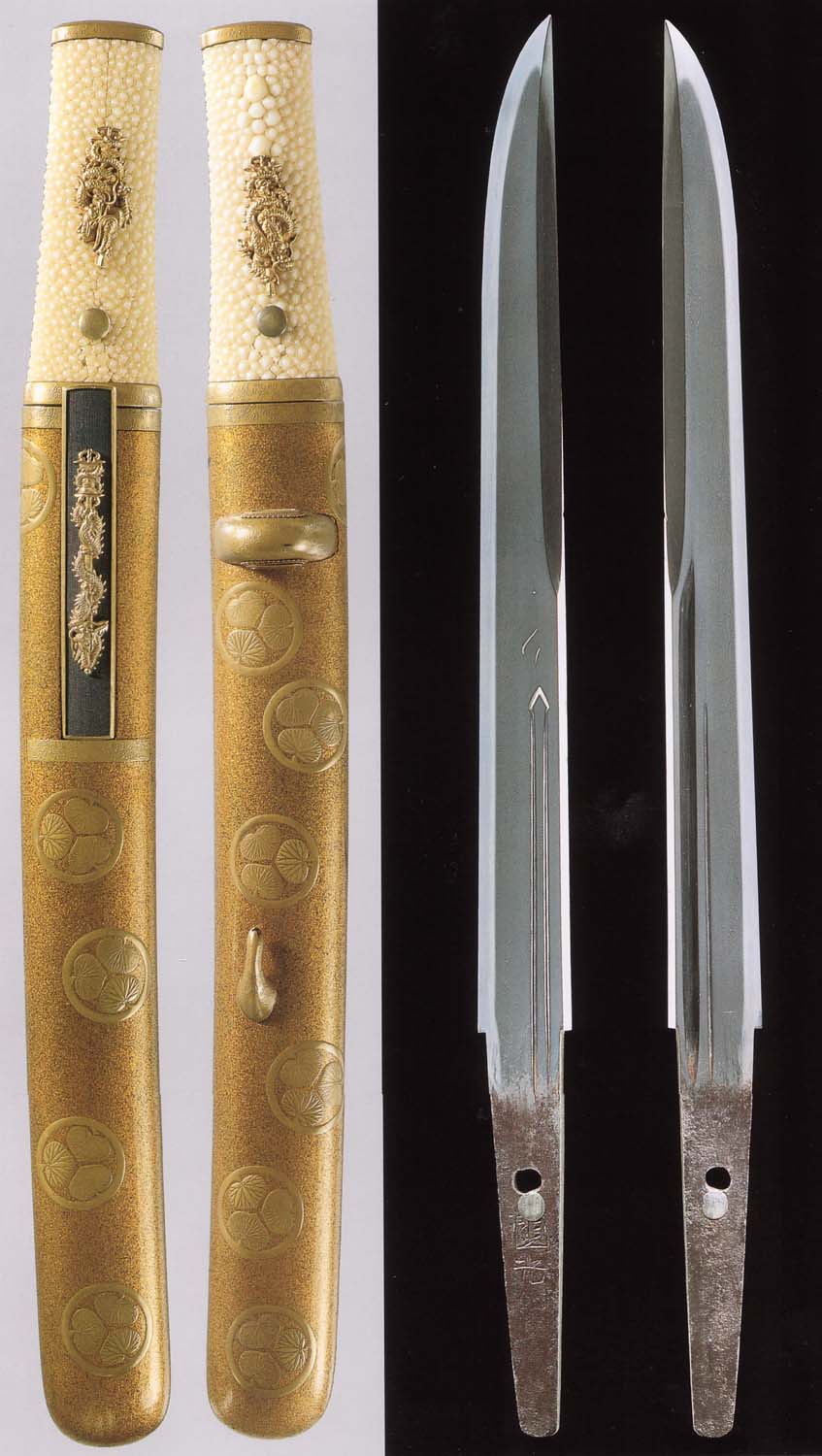

Exactly my point, you only know so much and your last statement only proves what I said before:This little knife is a "tanto". It is useful for many things, but absolutely not fighting....That's the best I can do ...
...you are taking bits and pieces and you are putting them together to suit your statement...
Exactly my point, you only know so much and your last statement only proves what I said before:

Is it something with my English ?...I don't understand you.
The OP asked about the purpose or utility of the so-called "tanto grind".
My answer is that the tanto grind has many uses, because it is not any one kind of grind, but a constantly evolving, poorly defined kind of grind that may or may not have two points.
so Tantos are good for piercing and stabs due to having more top strength, but what else are they good for besides that and the look/style? Are there any other benefits of a tanto that I'm missing?