If you wanted to do nearly all knife tasks with one knife, you could probably get many knives to work. But it is also clear that many features are specialized for certain tasks and make doing other things harder. The large crossguard of a combat knife is a good example of a feature that makes it hard to used for certain tasks, or a very blunt tip would limit your ability to do detail work.
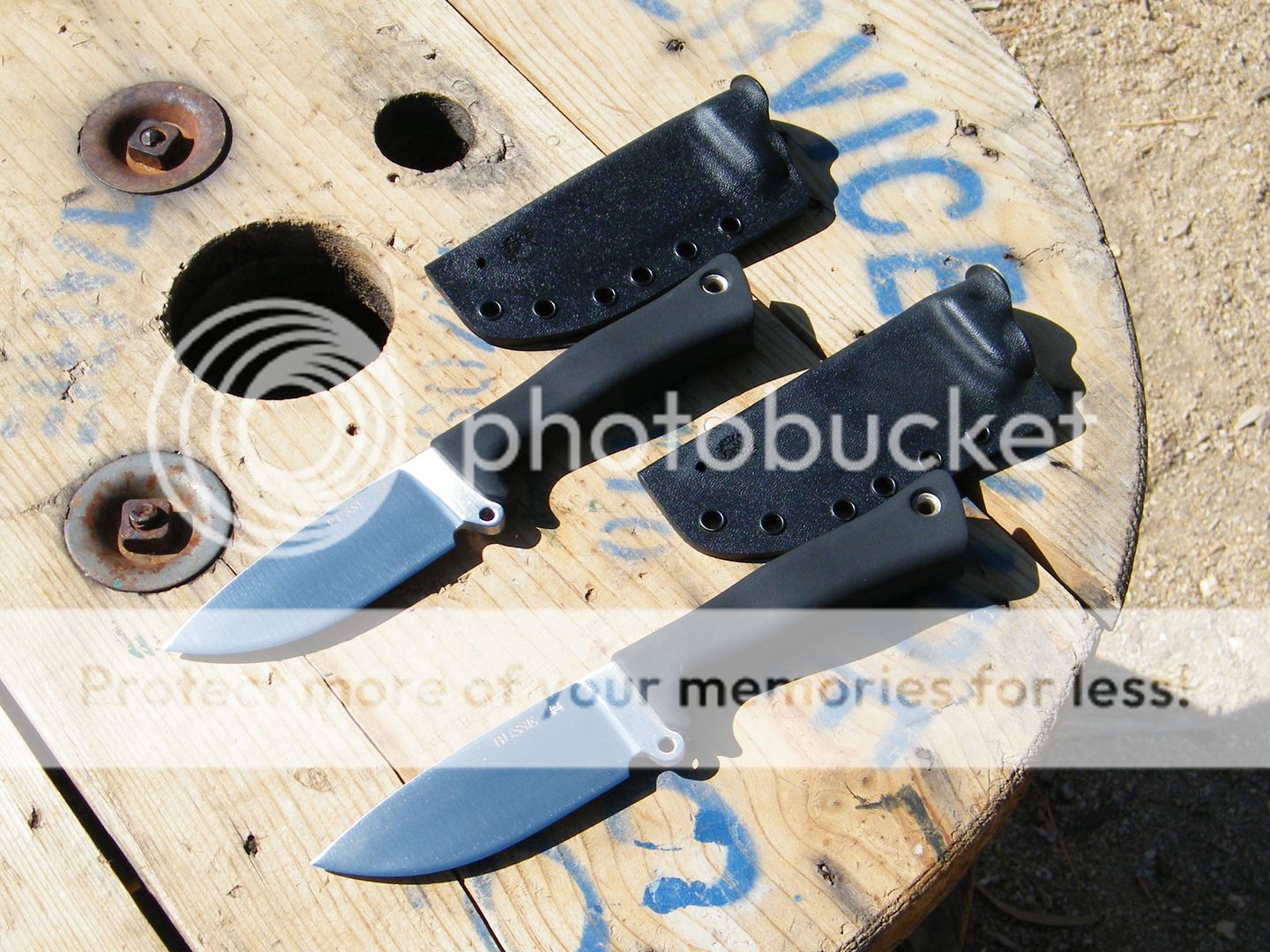
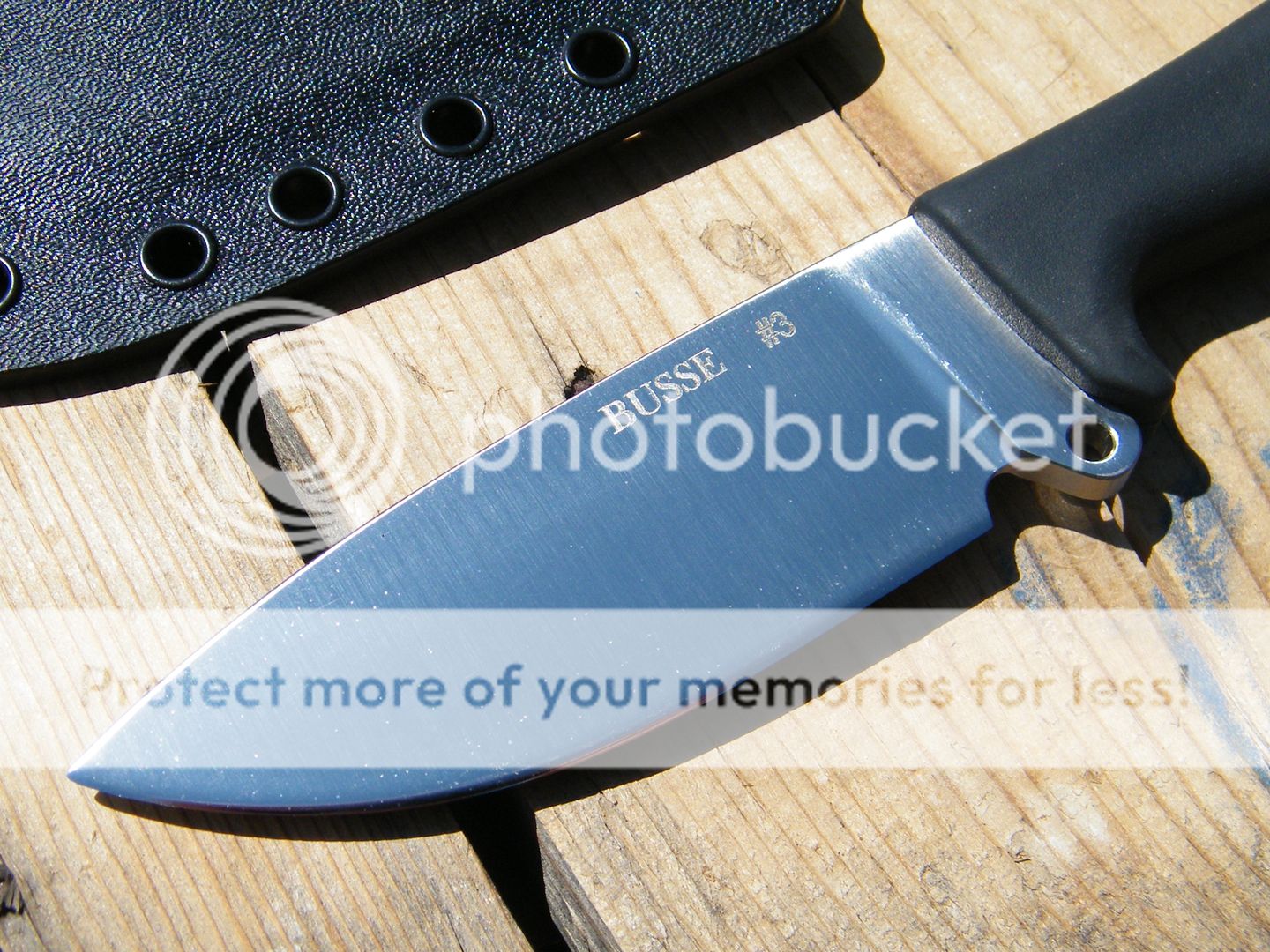
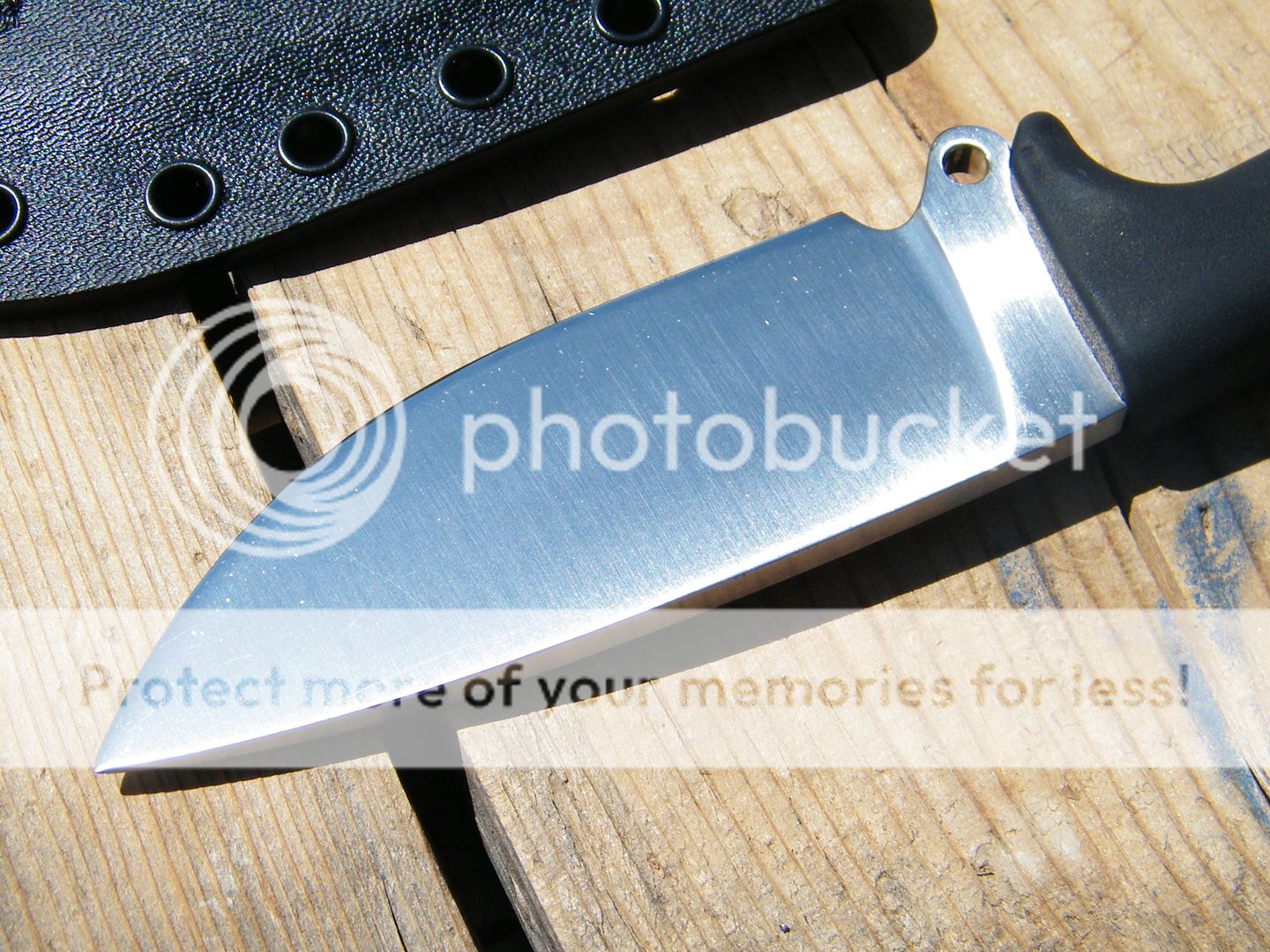
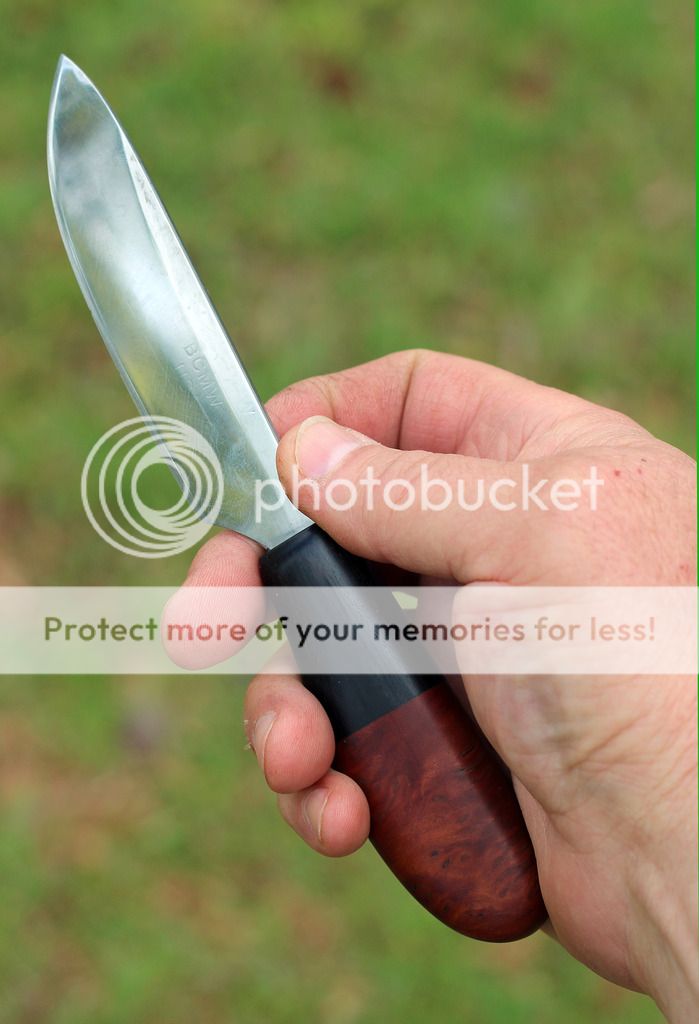
These two are examples of what I think of as really flexible knife shapes:
Ageo:

Winkler:

The features I think make them so flexible:
The edge is straight and the lowest point on the knife, which makes it possible to use the knife in the center of a cutting board, like a chef's knife.
Like a chef's knife, the blade is wide enough for fingers to be remain above the chopping plane.
Having the fingers above the edge means that there is a built in guard for doing dangerous things like stabbing or cleaning large game, but there is no guard to get in the way of carving or chopping.
The FFG is reasonably strong while being a good carver, slicer and chopper.
A somewhat high point with a flat spine provides a ton of tip strength and plenty of belly for skinning.
The edge grind ends very close to where the index finger resides, so close in detail work isn't challenging.
I don't think that makes a knife like this "perfect" - more like Jack of all, master of none. I feel like if I had to do everything with a single knife (like many people used to), I could get along in the kitchen and everywhere else pretty well with a knife like this.
Of course, the very different looking Canadian Belt Knife style does all the same stuff, too.
What would your do-everything fixed blade look like?
These two are examples of what I think of as really flexible knife shapes:
Ageo:
Winkler:
The features I think make them so flexible:
The edge is straight and the lowest point on the knife, which makes it possible to use the knife in the center of a cutting board, like a chef's knife.
Like a chef's knife, the blade is wide enough for fingers to be remain above the chopping plane.
Having the fingers above the edge means that there is a built in guard for doing dangerous things like stabbing or cleaning large game, but there is no guard to get in the way of carving or chopping.
The FFG is reasonably strong while being a good carver, slicer and chopper.
A somewhat high point with a flat spine provides a ton of tip strength and plenty of belly for skinning.
The edge grind ends very close to where the index finger resides, so close in detail work isn't challenging.
I don't think that makes a knife like this "perfect" - more like Jack of all, master of none. I feel like if I had to do everything with a single knife (like many people used to), I could get along in the kitchen and everywhere else pretty well with a knife like this.
Of course, the very different looking Canadian Belt Knife style does all the same stuff, too.
What would your do-everything fixed blade look like?