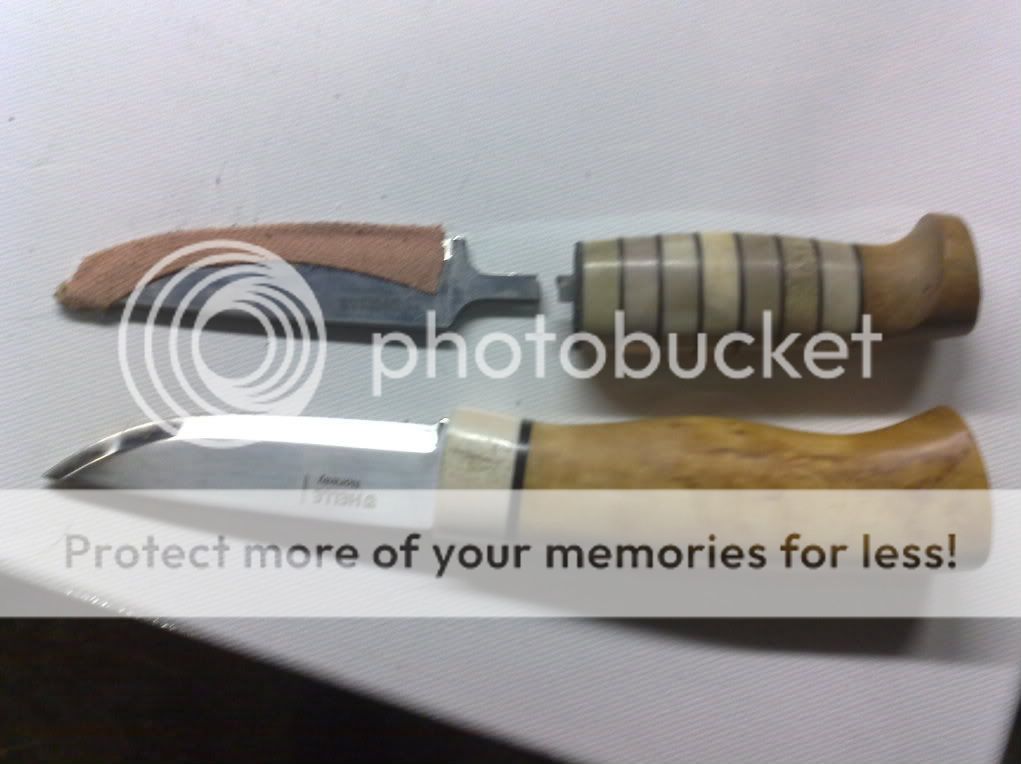
Knives usually break at the tip, then somewhere along the edge, then in the first inch of the handle. Usually the break goes along with a stress riser that is part of the design.
It isn't common, but why did this happen?
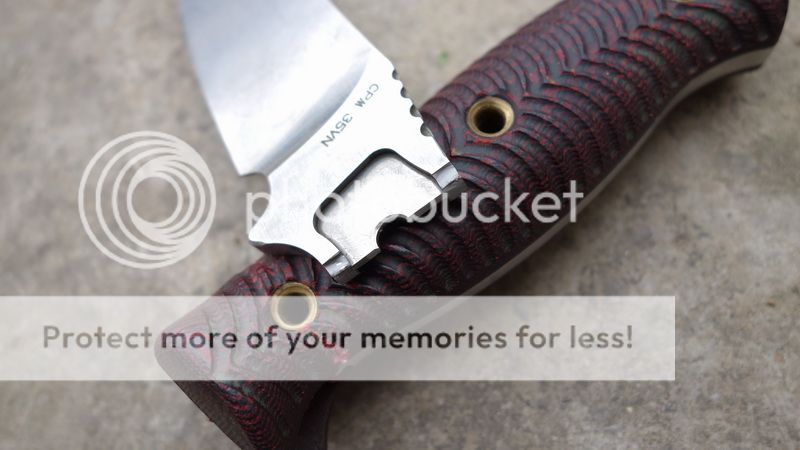
The knife was abused, as a survival or military knife might also be when the chips are down. This type of break, cracking at the first rivet hole, is not an uncommon type of break for a full width tang knife. The problem is that tang narrows for the index finger, has a hole in the same spot, and the scales (G10 in this case) aren't rigid enough to prevent the tang flexing where your hand ends (thumb and index finger) and finding that week spot.
Micarta might be more rigid. Epoxying the scales might also help. A smaller rivet hole might have helped. But a primary problem with any full width tang knife is that the support the scales can offer is always limited by the fact that the can't be bonded all that well to the handle, and don't touch each other. So when stresses mount, the tang and each scale can slide around relative to each other, like leaf springs over a bump. As soon as that happens the stress goes right to the first rivet.
It isn't common, but why did this happen?
The knife was abused, as a survival or military knife might also be when the chips are down. This type of break, cracking at the first rivet hole, is not an uncommon type of break for a full width tang knife. The problem is that tang narrows for the index finger, has a hole in the same spot, and the scales (G10 in this case) aren't rigid enough to prevent the tang flexing where your hand ends (thumb and index finger) and finding that week spot.
Micarta might be more rigid. Epoxying the scales might also help. A smaller rivet hole might have helped. But a primary problem with any full width tang knife is that the support the scales can offer is always limited by the fact that the can't be bonded all that well to the handle, and don't touch each other. So when stresses mount, the tang and each scale can slide around relative to each other, like leaf springs over a bump. As soon as that happens the stress goes right to the first rivet.