
- Joined
- Jan 9, 2011
- Messages
- 16,595
Ryan, that is excellent! Great job all around.

The BladeForums.com 2024 Traditional Knife is available! Price is $250 ea (shipped within CONUS).
Order here: https://www.bladeforums.com/help/2024-traditional/

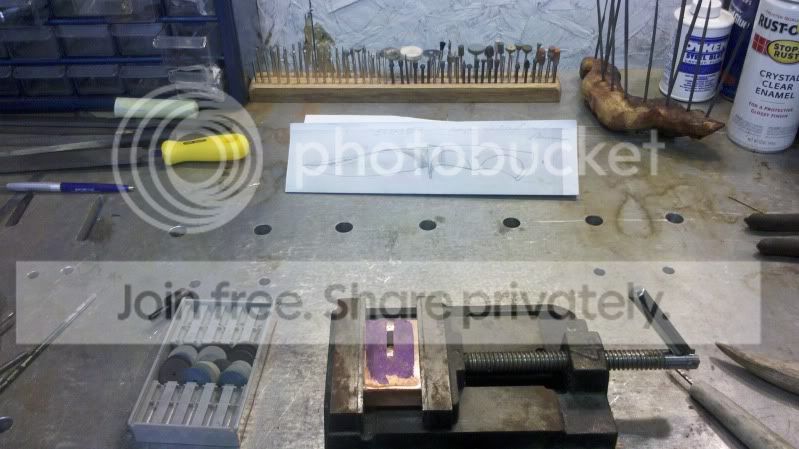
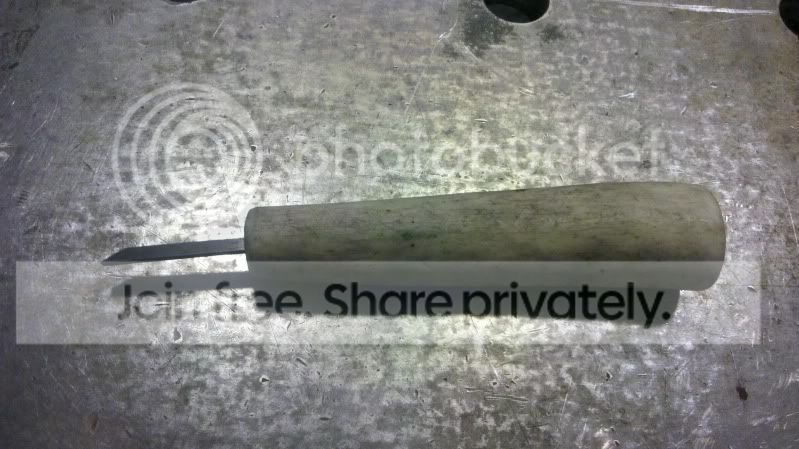
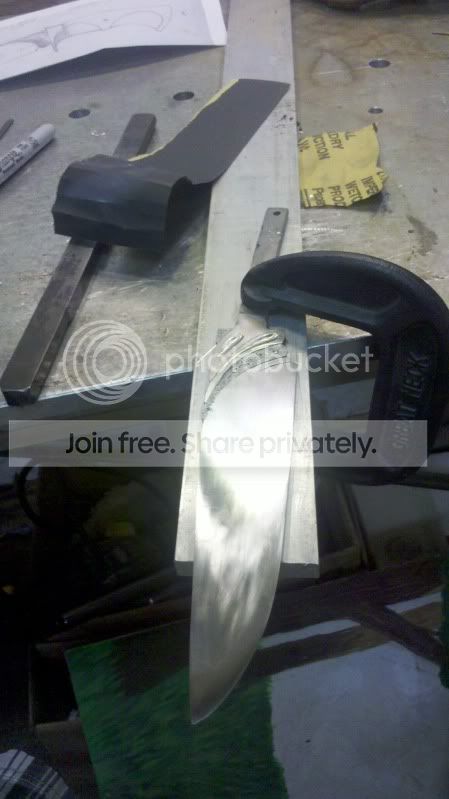
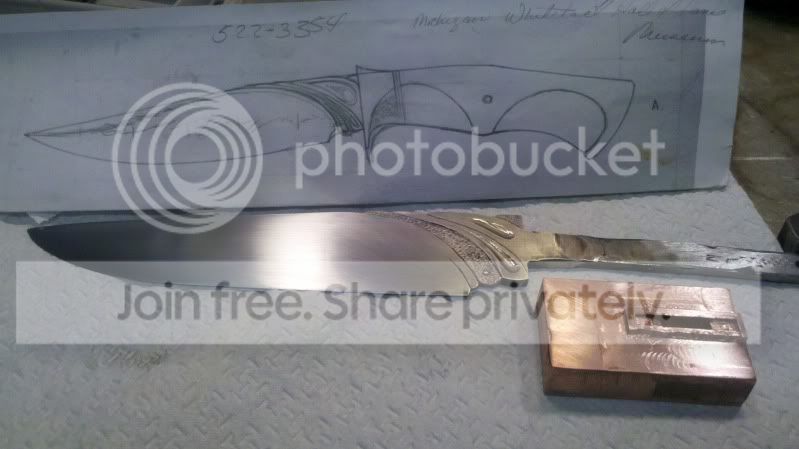
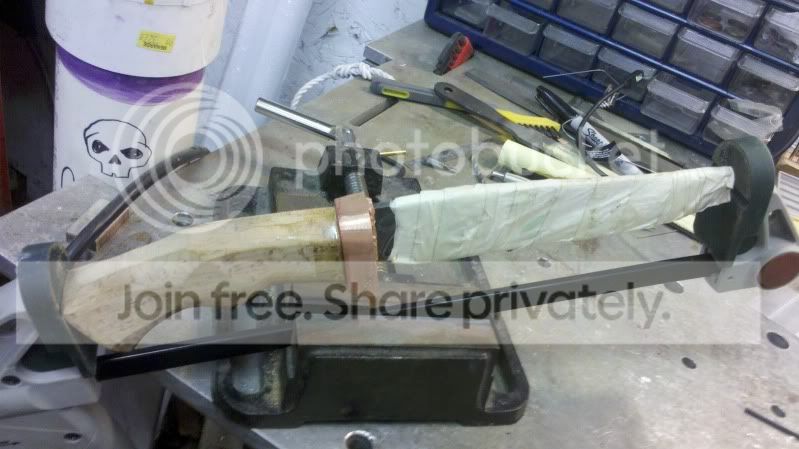


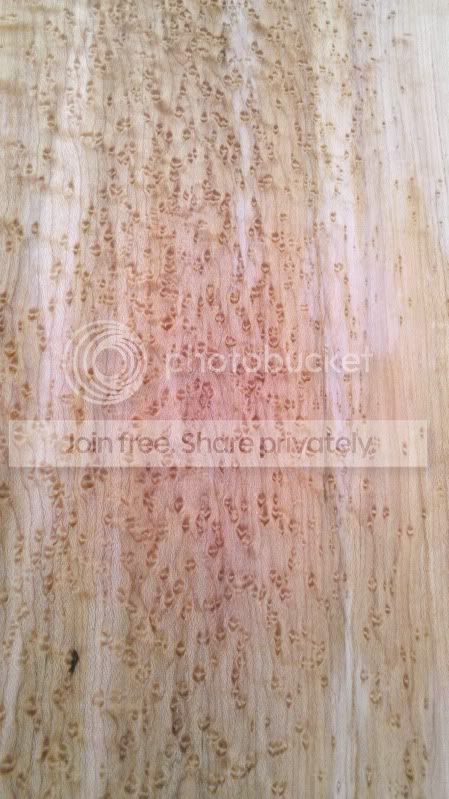
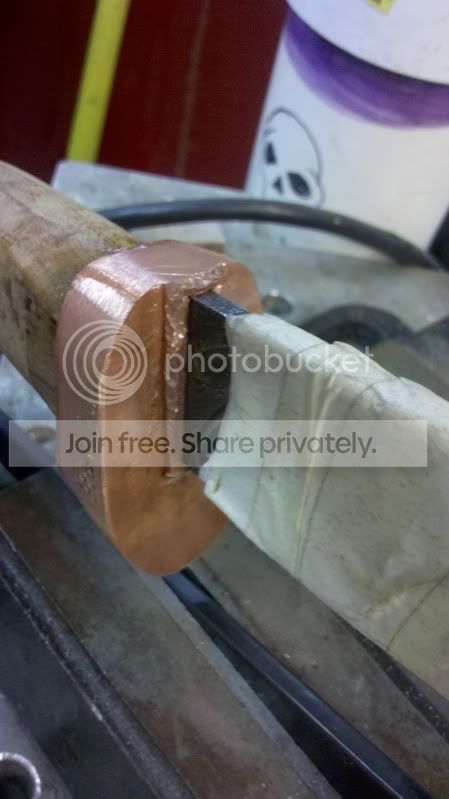


Wow, You guys are making some great looking knives. I'm just hoping that mine will look something like a knife!
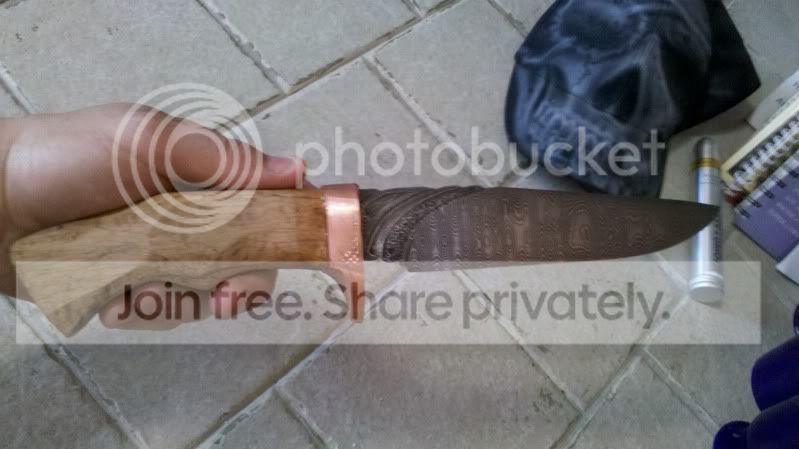
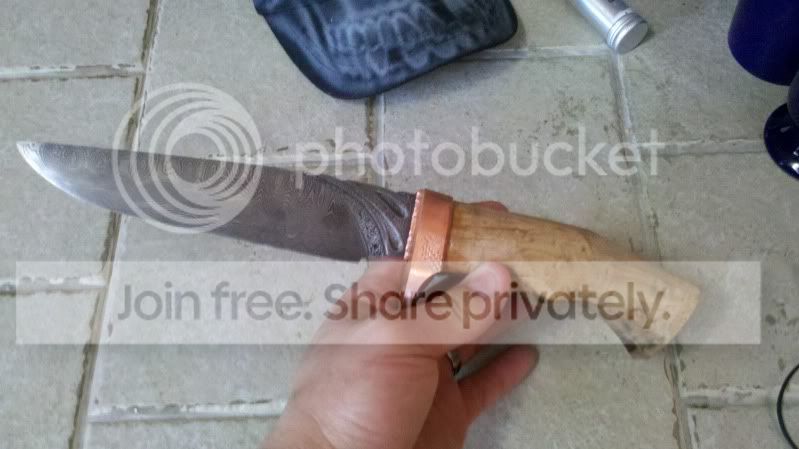
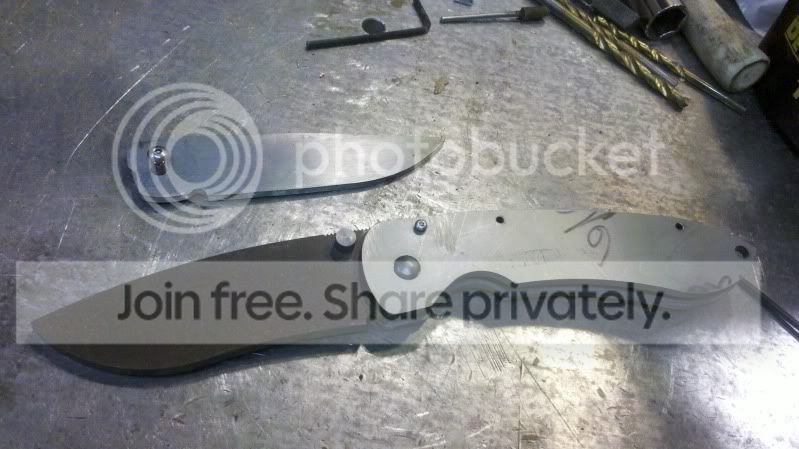


Erin - Too bad this isn't a KITH I would love a chance at getting that when it is done! Are you going to have some type of locking device on the butt end?
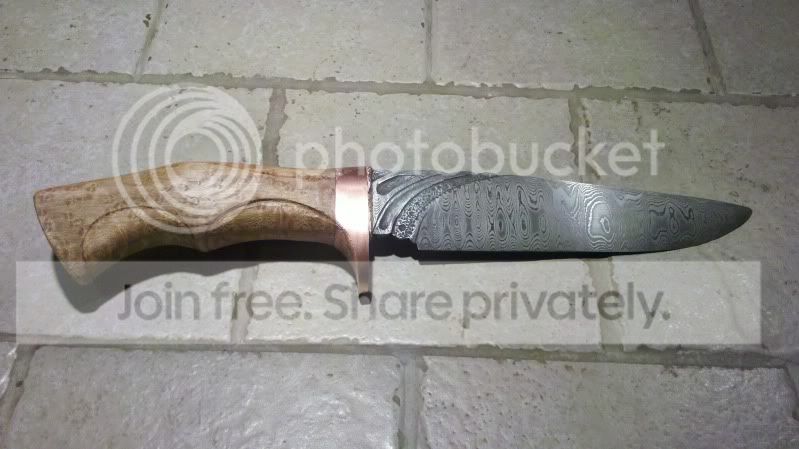
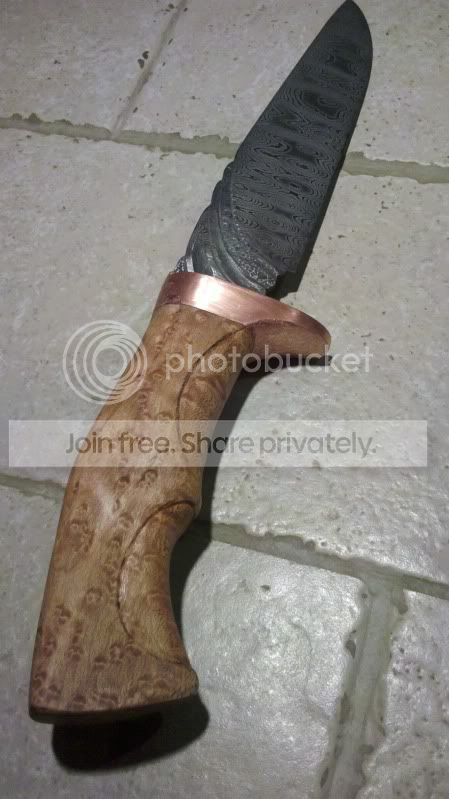
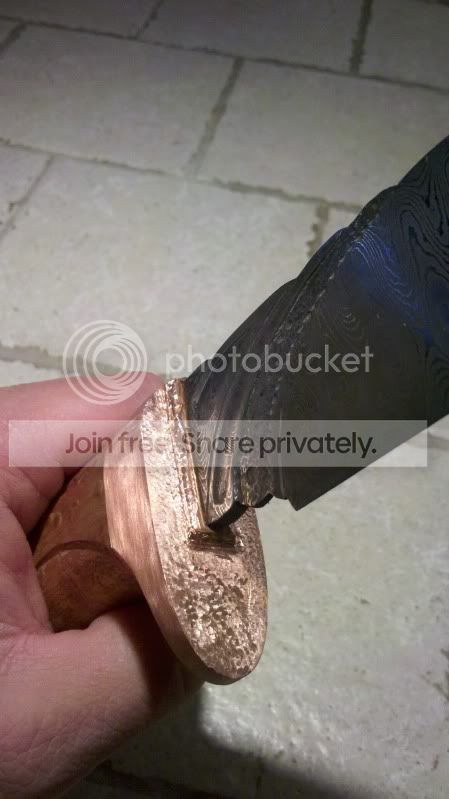
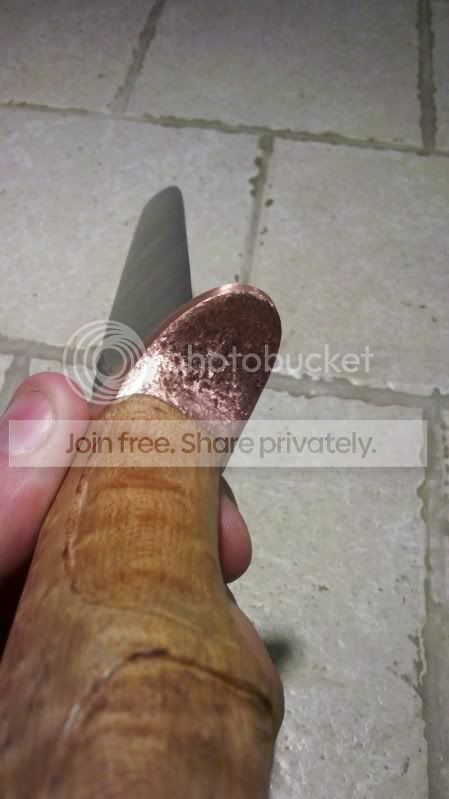
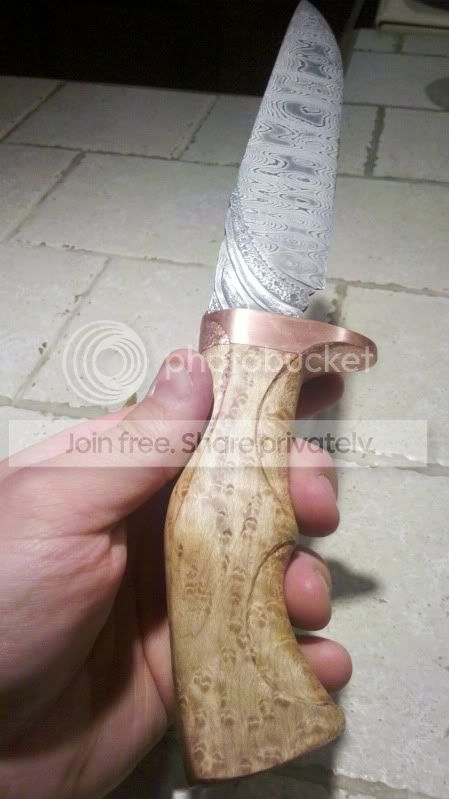
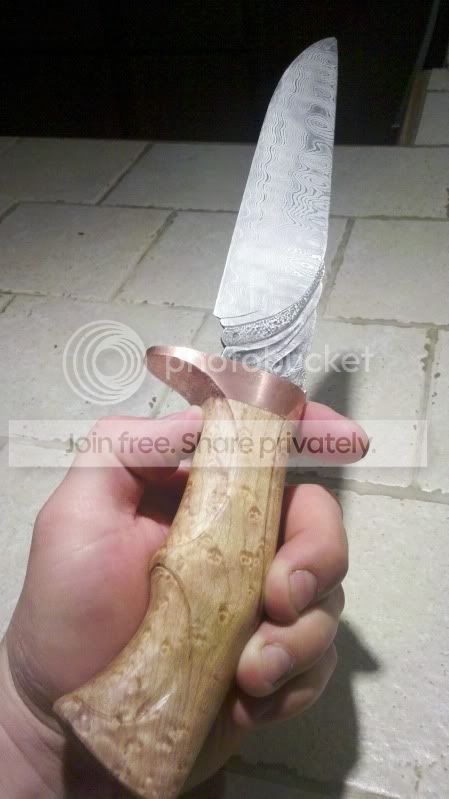 Thanks Lorien, i know you are a pretty good judge of nice custom's, makes me feel like i did something right lol. There are a few things with the knife i am not too happy with, but it is a little late to change them now. I planned on getting some Liver of Sulphur, but looking like i am going to have to order it. I guess i probably should order some stuff to make a sheath also....I was thinking about a copper throat and tip but think i am going to do it a bit differently. I have made one sheath...and it sucked lol. I hope this one turns out better.
Mike and Erin... you guys clearly were destined to be knifemakers. Guys like you come along, pick up some tips, and next thing you know you're building knives that look like they have YEARS of experience behind them. Great stuff!
Let me know when you're planning your big move... if it fits into my schedule I'll make the drive and help out. I agree about copper. It's soft, but it heats up in the blink of an eye and is very gummy. In theory, it seems like it should be easier to use than steel or stainless, but it sure doesn't work out that way in reality!
Yeah, copper sucks lol. Hopefully this will sell.