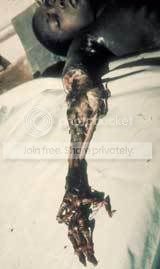
In certain cases the suction is helpful. The reason that so many places say it does more harm then good, when people go to cut them selves to suction out the venom they will cut too deep causing farther problems. As you said when you are so far away from help causing MORE problems from a snake bite that could be not even poisonous, or if it was may not of sent the venom into you or enough to harm you is not in your best intrest to survive.
Quick link, this is just the treatment part, theres more to the article
http://www.fda.gov/Fdac/features/995_snakes.html
First Aid for Snakebites
Over the years, snakebite victims have been exposed to all kinds of slicing, freezing and squeezing as stopgap measures before receiving medical care. Some of these approaches, like cutting into a bite and attempting to suck out the venom, have largely fallen out of favor.
"In the past five or 10 years, there's been a backing off in first aid from really invasive things like making incisions," says Arizona physician David Hardy, M.D., who studies snakebite epidemiology. "This is because we now know these things can do harm and we don't know if they really change the outcome."
Many health-care professionals embrace just a few basic first-aid techniques. According to the American Red Cross, these steps should be taken:
* Wash the bite with soap and water.
* Immobilize the bitten area and keep it lower than the heart.
* Get medical help.
I will also add that all jewelry and like items should be removed from the person, if your fingers or such start to swell, it will have to be cut off. Or will cause great pain.
"The main thing is to get to a hospital and don't delay," says Hardy. "Most bites don't occur in real isolated situations, so it is feasible to get prompt [medical care]." He describes cases in Arizona where people have caught rattlesnakes for sport and gotten bitten. "They waited until they couldn't stand the pain anymore and finally went to the hospital after the venom had been in there a few hours. But by then, they'd lost an opportunity for [effective treatment]," which increased the odds of long-term complications. Some medical professionals, along with the American Red Cross, cautiously recommend two other measures:
* If a victim is unable to reach medical care within 30 minutes, a bandage, wrapped two to four inches above the bite, may help slow venom. The bandage should not cut off blood flow from a vein or artery. A good rule of thumb is to make the band loose enough that a finger can slip under it.
* A suction device may be placed over the bite to help draw venom out of the
wound without making cuts. Suction instruments often are included in commercial snakebite kits.
Because not all snakebites, including those from the same species, are equally dangerous, doctors sometimes face a dilemma over whether or not to administer antivenin. Venomous snakes, even dangerous ones like the Eastern diamondback, don't always release venom when they bite. Other snakes may release too small an amount to pose a hazard.
How NOT to Treat a Snakebite
Though US medical professionals may not agree on every aspect of what to do for snakebite first aid, they are nearly unanimous in their views of what not to do. Among their recommendations:
* No ice or any other type of cooling on the bite. Research has shown this to be potentially harmful.
* No tourniquets. This cuts blood flow completely and may result in loss of the affected limb.
* No electric shock. This method is under study and has yet to be proven effective. It could harm the victim.
* No incisions in the wound. Such measures have not been proven useful and may cause further injury.