- Joined
- Mar 8, 2008
- Messages
- 26,323

The BladeForums.com 2024 Traditional Knife is available! Price is $250 ea (shipped within CONUS).
Order here: https://www.bladeforums.com/help/2024-traditional/

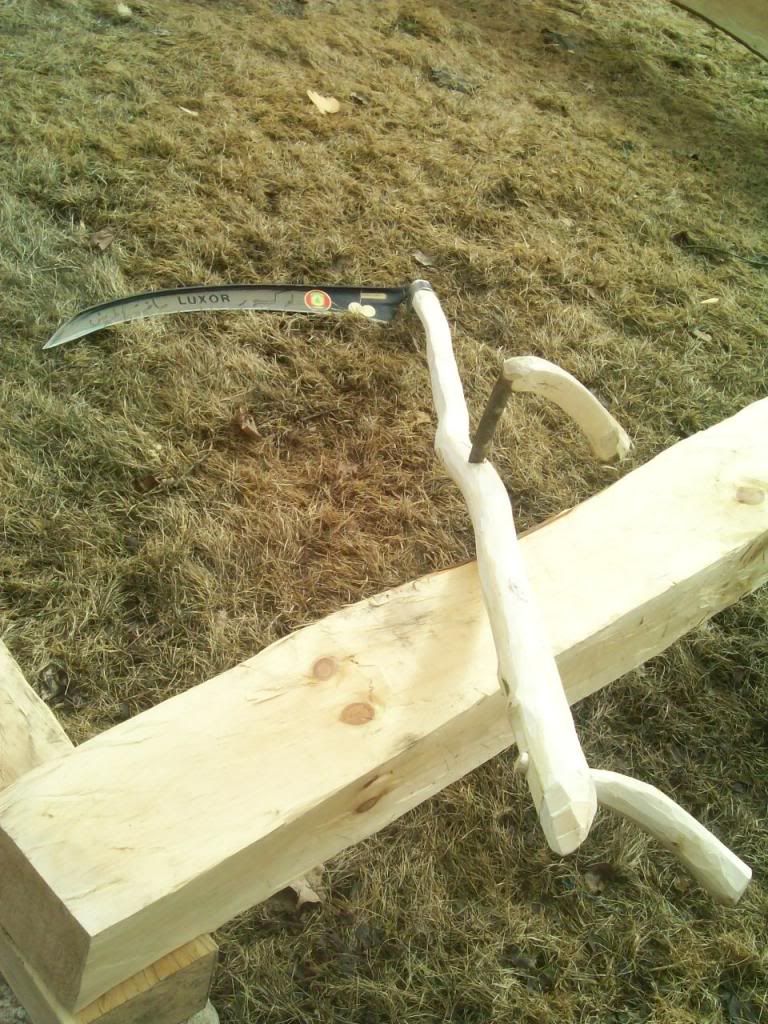
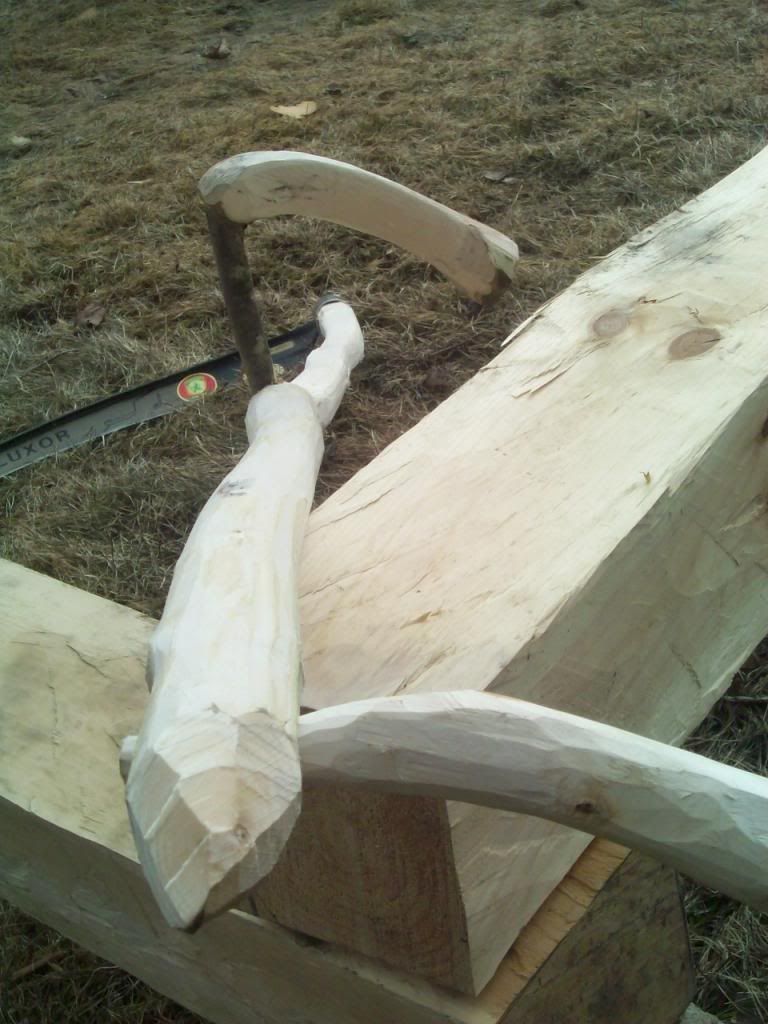
Couple Maple snaths that aren't done. Need to cut more grip material, didnt think I'd be going through grips this fast.

 "
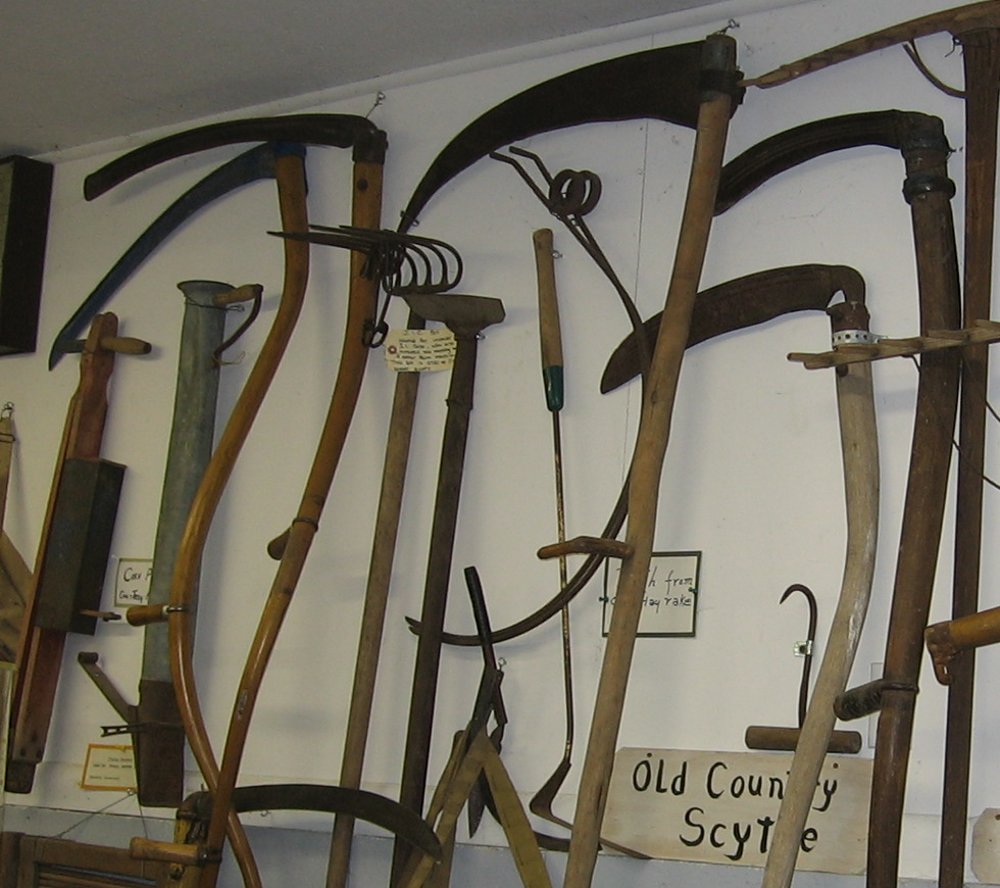
Behold--the Seymour Vice Grip snath!
"
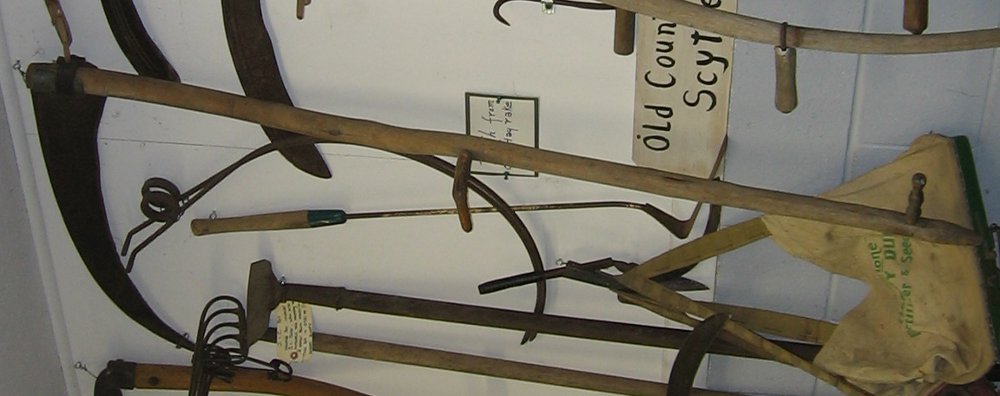
Behold--the Seymour Vice Grip snath!

 It's a toothed plate designed to allow for adjustment of the lay of the blade, presumably without having to take a torch to your blade tangs. It doesn't work well, but more on that in a moment.


Another Maple snath, also not "done".
Looks good! But you must have more snaths than blades now. We'll have to remedy that problem...
Keep him busy!
What he needs is a box of 20 blades, that should keep him occupied for several days at least.
No, what he really needs is to visit the Vidos; Peter will pull out enough blades to keep him busy for months...
You guys won't let him leave! I just know it!